
 한국어
한국어 English
 日本語
日本語 中文(简体)
 Viewing now
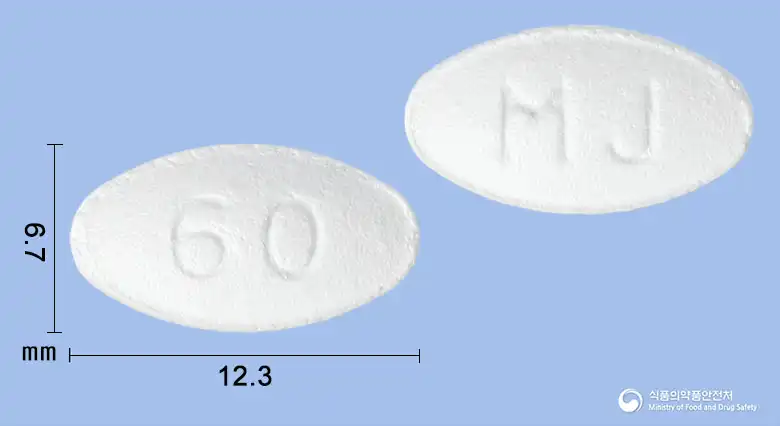
Ralcifen M Tablets (Raloxifene Hydrochloride)
Raloxifene Hydrochloride 60mg
Tablet · Prescription medication
Mothers Pharmaceutical Co., Ltd.
MFDS item code 201906405 · Approved 2019.09.11 · Insurance code 622804100
Treatment and prevention of osteoporosis in postmenopausal women
This medication is used to treat and prevent osteoporosis in postmenopausal women. Osteoporosis is a condition that weakens bones, increasing the risk of fractures, and helps improve bone health.
Administer 60 mg orally once daily as Raloxifene Hydrochloride.
This medication is used for the treatment and prevention of osteoporosis in postmenopausal women. When taking this medication, there may be an increased risk of venous thromboembolism, so caution is advised for patients with a history of thrombosis. If restricted movement occurs, this medication should be stopped immediately and can be resumed after the condition improves. Due to primarily being metabolized in the liver, it is not recommended for patients with impaired liver function, and liver function tests should be checked regularly. The safety and efficacy of this medication have not been established in premenopausal women and should not be used. For women at high risk of cardiovascular disease, this medication does not affect the incidence of myocardial infarction or stroke; however, caution is necessary as it may slightly increase the risk of mortality from stroke. This medication should not be used for the prevention of cardiovascular diseases, and combining it with systemic estrogen is not recommended. Women who are pregnant or may become pregnant, as well as breastfeeding mothers, should not take this medication, as it may harm the fetus or nursing infant. Patients with a history of thrombosis, liver impairment, uterine bleeding, or endometrial cancer should also avoid this medication. Patients with genetic issues, such as lactose intolerance, should not take this medication due to its lactose content. Patients with high triglycerides or impaired kidney function should exercise caution when taking this medication, and regular blood tests are recommended. While taking this medication, side effects such as leg cramps, facial flushing, cold symptoms, and peripheral edema may occur; however, most do not require discontinuation of treatment. The risk of thrombosis is particularly high during the first 4 months of treatment; therefore, careful observation during this period is necessary. This medication has minimal special interactions with other drugs, but periodic checks of blood coagulation tests should be performed when used with certain medications. It is advisable to supplement calcium and vitamin D if intake is insufficient, and improving smoking and drinking habits is beneficial. This medication is only for use in postmenopausal women and should not be used in children or men. In cases of overdose, symptoms such as leg cramps or dizziness may occur, but no specific antidote is available. This medication should be kept out of reach of children and should not be transferred to another container for safety.
Deep vein thrombosis, pulmonary embolism, retinal vein thrombosis, venous thromboembolism including superficial venous thrombosis, arterial thrombosis, retinal vein occlusion, stroke, mortality associated with deep vein thrombosis, thrombocytopenia, elevated blood pressure, increased mortality from stroke
Vasodilation (flushing), leg cramps, cold symptoms, peripheral edema, nausea, vomiting, abdominal pain, dyspepsia, headache (including migraine), rash, breast symptoms (pain, swelling, tenderness), facial flushing, vaginal bleeding, facial swelling, heartburn, constipation, itching, dyspeptic disorders, palpitations, fever, weakness, sweating, myalgia, insomnia, perineal pain, weight gain, arthritis, rheumatologic symptoms, pain, fatigue, tightness, chest tightness, skin lesions,
Not everyone experiences these, and they can vary from person to person.
This medication should be stored in a tightly sealed container to prevent air and moisture from entering, and should be kept at room temperature between 15 to 30 degrees Celsius. Storing it this way will help maintain its effectiveness for a longer period.
White oval film-coated tablet
28 tablets/box [14 tablets/PTP x 2]
Even with the same ingredient, strength, dosage form and how it is taken can differ.
Viewing nowRaloxifene Hydrochloride 60mg
Tablet · Prescription medication
Mothers Pharmaceutical Co., Ltd.
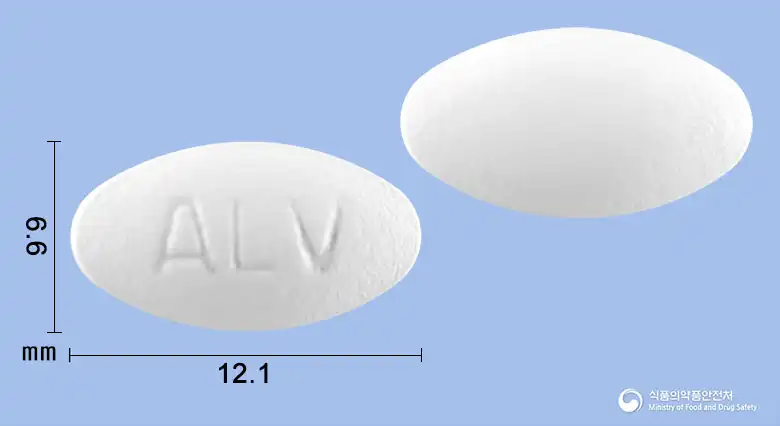
Raloxifene Hydrochloride 60mg
Tablet · Prescription medication
Alvogen Korea Co., Ltd.
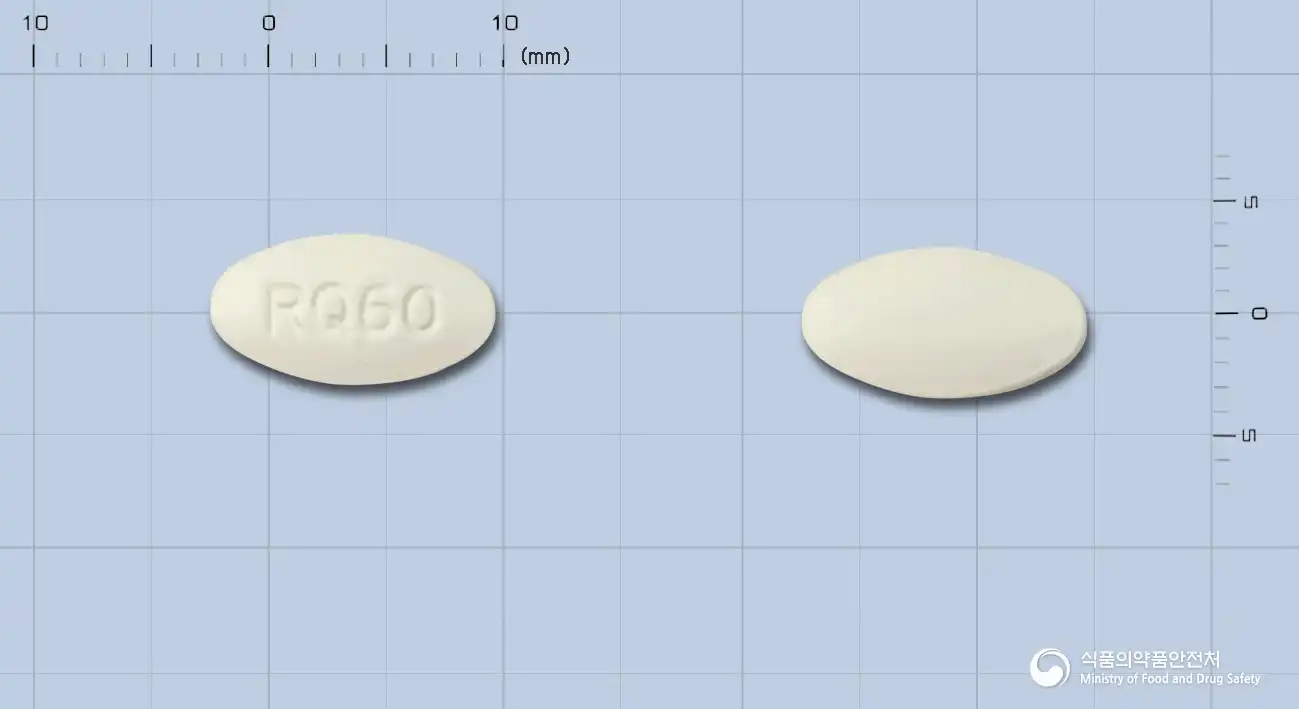
Raloxifene Hydrochloride Monohydrate 62.12mg
Tablet · Prescription medication
Jongkundang Co., Ltd.
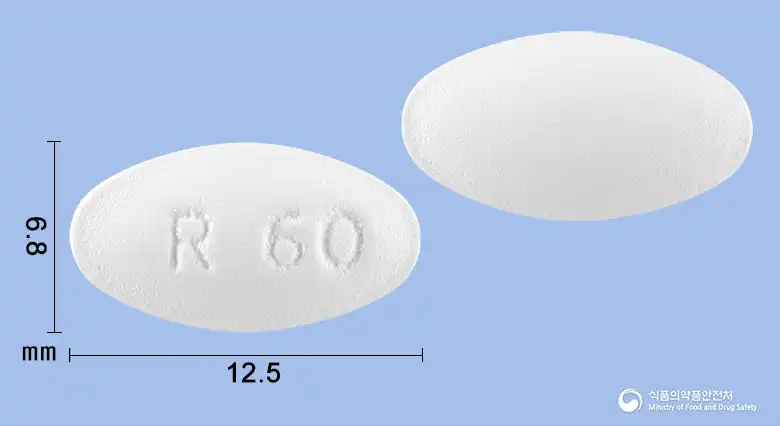
Raloxifene Hydrochloride 60mg
Tablet · Prescription medication
Hanmi Pharmaceutical Co., Ltd.
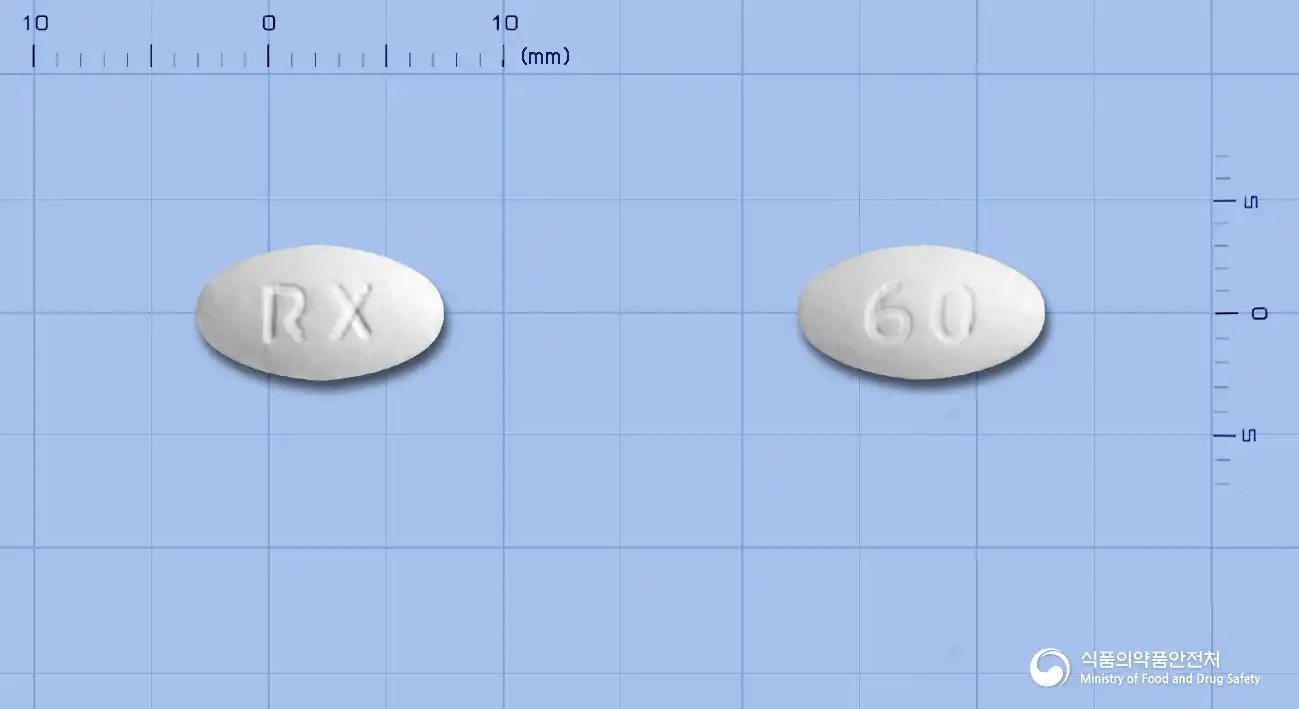
Raloxifene Hydrochloride 60mg
Tablet · Prescription medication
Huons Co., Ltd.
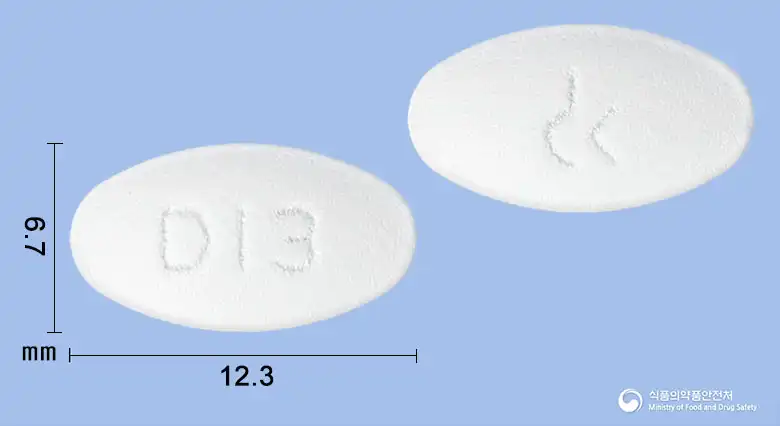
Raloxifene Hydrochloride 60mg
Tablet · Prescription medication
Dongkuk Pharmaceutical Co., Ltd.
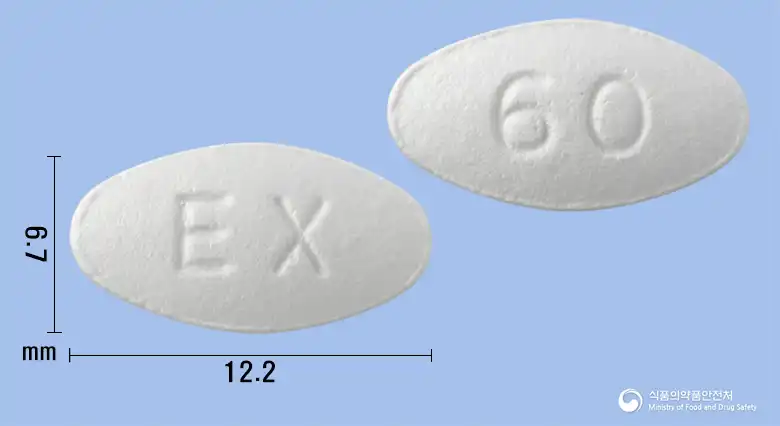
Raloxifene Hydrochloride 60mg
Tablet · Prescription medication
Ilsung IS Co., Ltd.
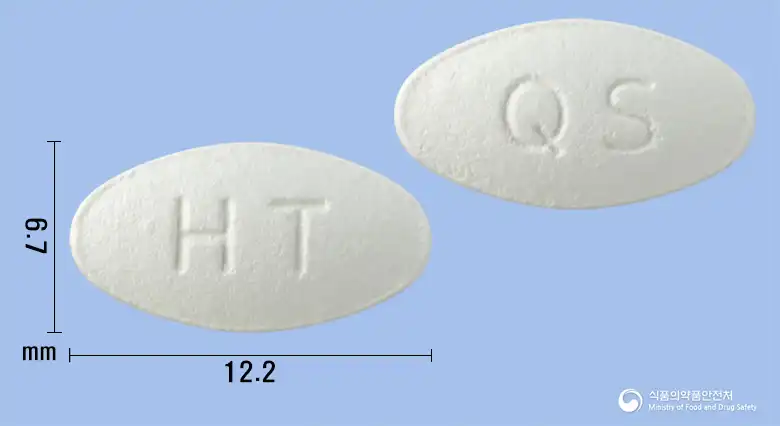
Raloxifene Hydrochloride 60mg
Tablet · Prescription medication
Hanmi Pharmaceutical Co., Ltd.
Even with the same ingredient, the dose and directions can differ by strength and dosage form. Talk to a doctor or pharmacist before switching from a medication you are already taking.
No questions yet.
For anything that needs medical judgment, consult a doctor or pharmacist.
This drug information is based on data provided by the Korea Ministry of Food and Drug Safety.
Consult a doctor or pharmacist for accurate dosage, administration, and usage instructions.