
 한국어
 English
 日本語
 中文(简体)
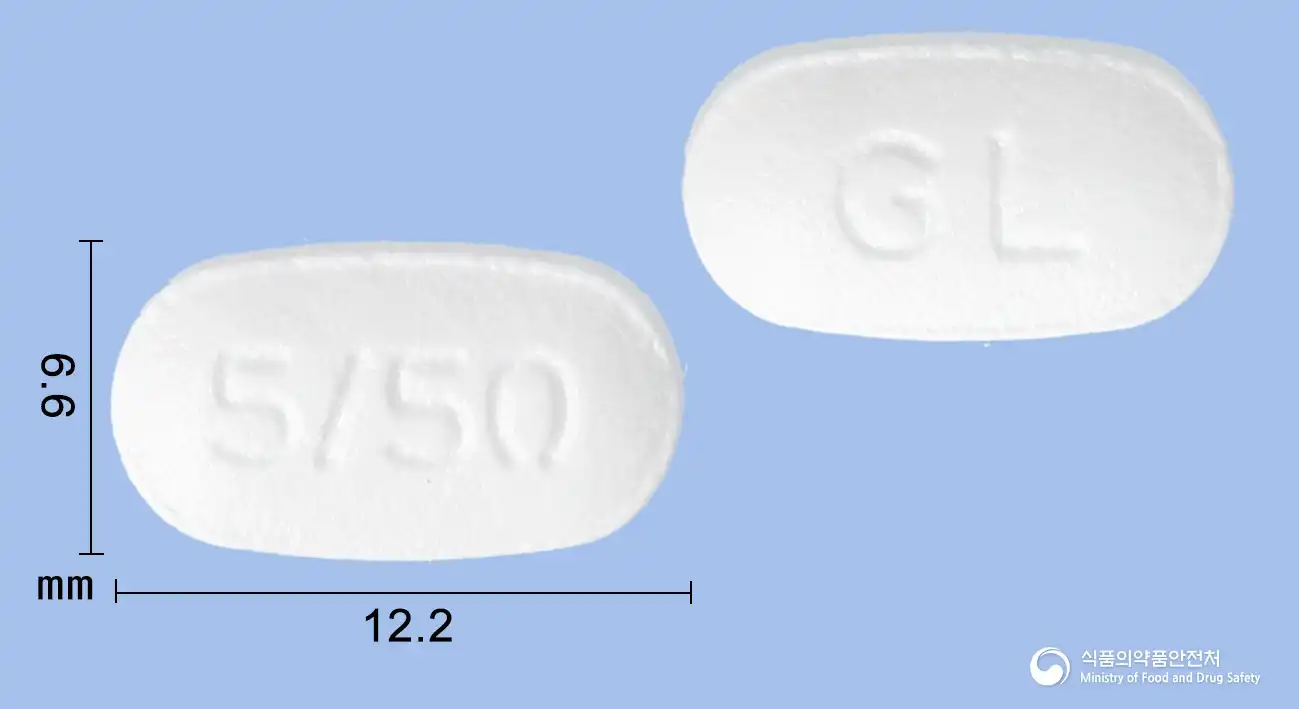
Dosage form image
Viewing nowCombinationRozaduo Tablet 5/50mg
Amlodipine Besylate 6.944mg · Losartan Potassium 50mg
Tablet · Prescription medication · Combination
Daehan New Pharm Co., Ltd.
MFDS item code 201905577 · Approved 2019.08.07
This product's status changed to Approval withdrawn on 2024.02.22. It may no longer be sold, so consult a doctor or pharmacist before taking it.
Initial treatment of essential hypertension and stage 2 hypertension
This medication is used in patients with essential hypertension whose blood pressure is not adequately controlled with single-agent therapy of amlodipine or lisinopril, and in stage 2 hypertension patients who require combination therapy to reach the target blood pressure.
The recommended dose of this medicine is 1 tablet once daily, taken with water, regardless of meals. It is recommended to take it at the same time each day (e.g., in the morning), if possible. It is recommended that the doses of the individual components (amlodipine or losartan) be adjusted before administering this medicine; however, if blood pressure is not controlled with monotherapy using the individual components as follows, switching directly to this medicine may be considered. - 5/50 mg: Administer to patients whose blood pressure is not adequately controlled with amlodipine 5 mg or losartan 50 mg monotherapy. - 5/100 mg: Administer to patients whose blood pressure is not adequately controlled with amlodipine 5 mg or losartan 100 mg monotherapy. Patients taking amlodipine and losartan concomitantly may switch to this medicine (a combination product containing the same amounts of each active ingredient) for convenience. Before administering this medicine as initial therapy to patients with stage 2 hypertension, the decision to administer it should take into account baseline blood pressure, target blood pressure, and the expected likelihood of achieving the treatment target with the combination product compared with monotherapy. Usually, this medicine is administered at 5/50 mg once daily. If blood pressure is not adequately controlled after 2 weeks of treatment, the dose may be increased to 10/50 mg once daily. ○ Patients with renal impairment: No dose adjustment is necessary in patients with mild renal impairment (e.g., creatinine clearance 20∼50 mL/min); however, administration of this medicine is not recommended in patients with moderate to severe renal impairment (e.g., creatinine clearance < 20 mL/min) or in patients undergoing dialysis. ○ Patients with reduced effective circulating blood volume: Administration of this medicine is not recommended in a small number of patients with intravascular volume depletion (e.g., patients being treated with high doses of diuretics). (See section 1. Warnings under Precautions for Use.) ○ Patients with hepatic impairment: Administration of this medicine is not recommended in patients with a history of hepatic impairment who require a reduced dose of losartan (e.g., 25 mg once daily). ○ Elderly patients: In patients aged 75 years and older, an initial dose of losartan of 25 mg once daily is recommended; therefore, administration of this medicine as initial therapy is not recommended.
○ Pediatric patients: The safety and efficacy of this medicine have not been established in pediatric patients aged 18 years and younger; therefore, administration of this medicine is not recommended.
This medication can cause serious harm to the fetus if taken during pregnancy, especially in the second and third trimesters, so it should be discontinued immediately upon confirmation of pregnancy. It is safer for women of childbearing potential not to take this medication, and it is also recommended that nursing mothers avoid using this medication. Due to the blood pressure-lowering effects, dizziness or symptoms of hypotension may occur, so caution should be exercised during potentially hazardous activities such as heights or driving. This medication should not be administered to patients with severely impaired liver or kidney function, severe aortic stenosis, or in a state of shock. Caution should be taken when prescribing this medication to patients with reduced effective blood volume, those requiring strict sodium restrictions, or those with moderate to severe kidney impairment, and the patient's condition should be thoroughly assessed before administration. If used with other antihypertensive agents, the blood pressure-lowering effect may be enhanced, so it should be taken carefully according to doctor's instructions. If severe dizziness, symptoms of hypotension, allergic reactions, cardiac abnormalities, or respiratory distress occur while taking this medication, immediate consultation with a medical professional is necessary. Overdose can lead to severe hypotension and cardiac issues, so it is crucial to adhere to the prescribed dosage, and if an overdose occurs, one must go to the hospital immediately. This medication is not recommended for children and adolescents under 18 years of age as its safety and efficacy have not been established. For elderly patients, especially those over 75 years old, initial dosage adjustments are necessary, and they should consult their physician about the appropriateness of this medication.
Not everyone experiences these, and they can vary from person to person.
This medication is susceptible to air and moisture, so it should be stored in a tightly sealed container. The storage temperature should be maintained between 1 degree and 30 degrees Celsius at room temperature.
White rectangular film-coated tablet
30 tablets/bottle, 300 tablets/bottle
Even with the same ingredient, strength, dosage form and how it is taken can differ.
Amlodipine Besylate 6.944mg · Losartan Potassium 50mg
Tablet · Prescription medication · Combination
Daehan New Pharm Co., Ltd.
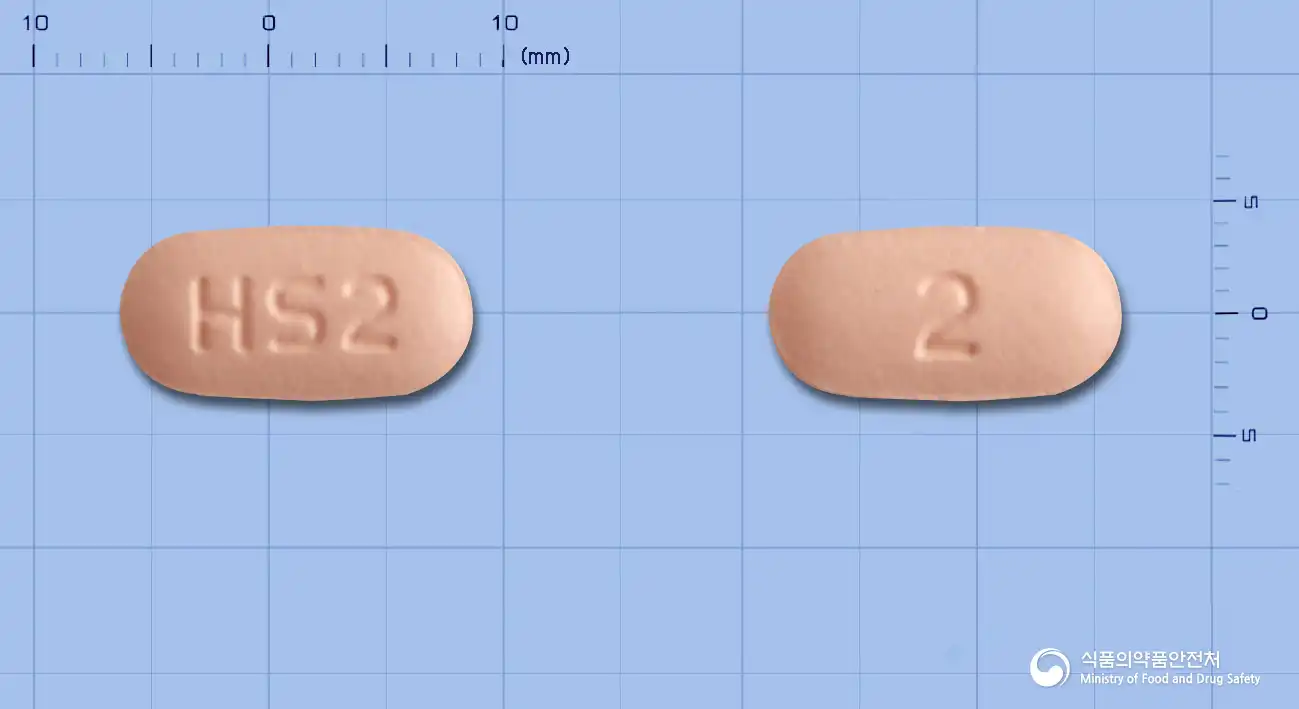 Combination
Amlodipine Besylate 6.944mg · Losartan Potassium 100mg
Tablet · Prescription medication · Combination
Huwons Co., Ltd.
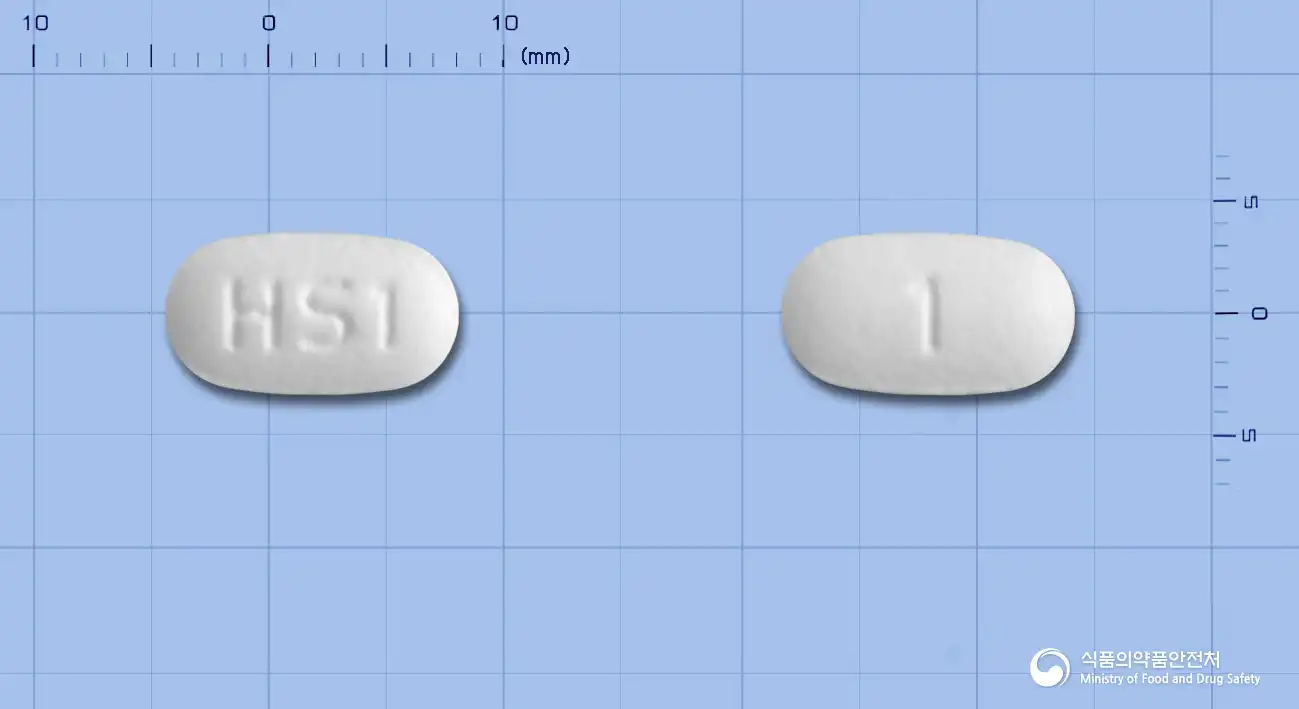 Combination
Amlodipine Besylate 6.944mg · Losartan Potassium 50mg
Tablet · Prescription medication · Combination
Huons Co., Ltd.
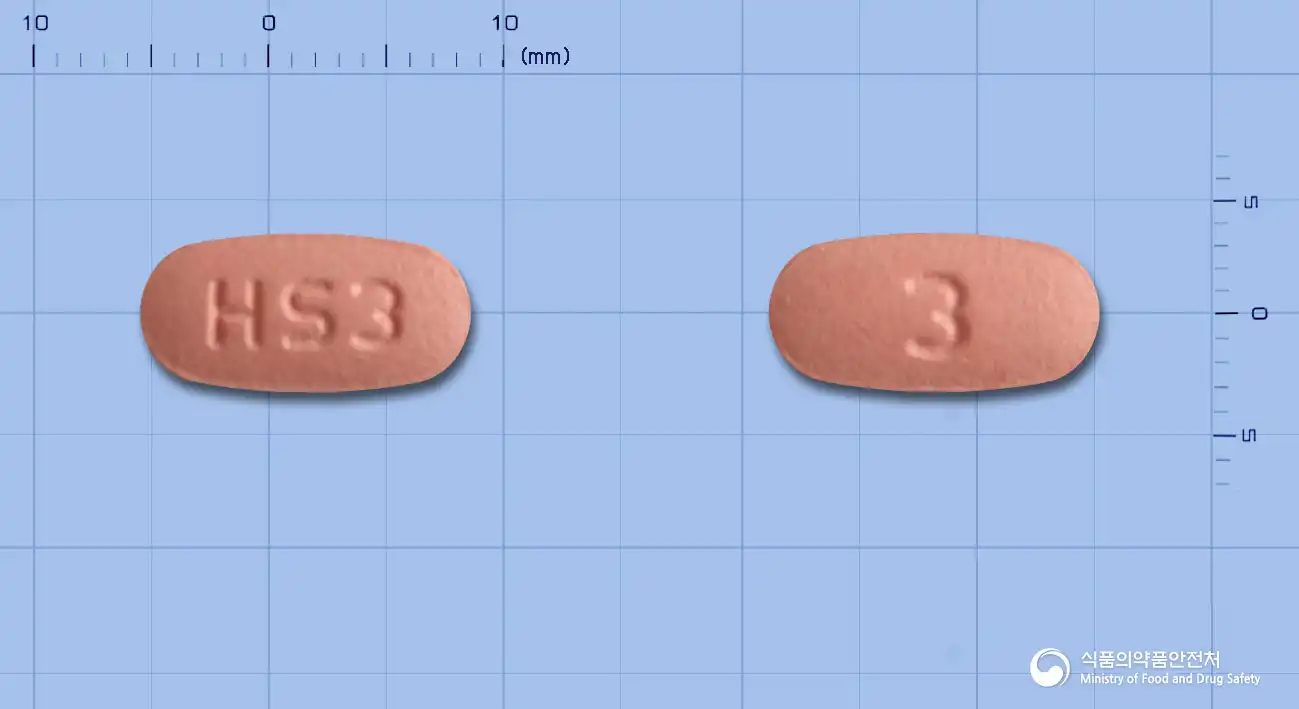 Combination
Amlodipine Besylate 13.888mg · Losartan Potassium 50mg
Tablet · Prescription medication · Combination
Huons Co., Ltd.
 Combination
Amlodipine Besylate 6.944mg · Losartan Potassium 50mg
Tablet · Prescription medication · Combination
GL Pharma Co., Ltd.
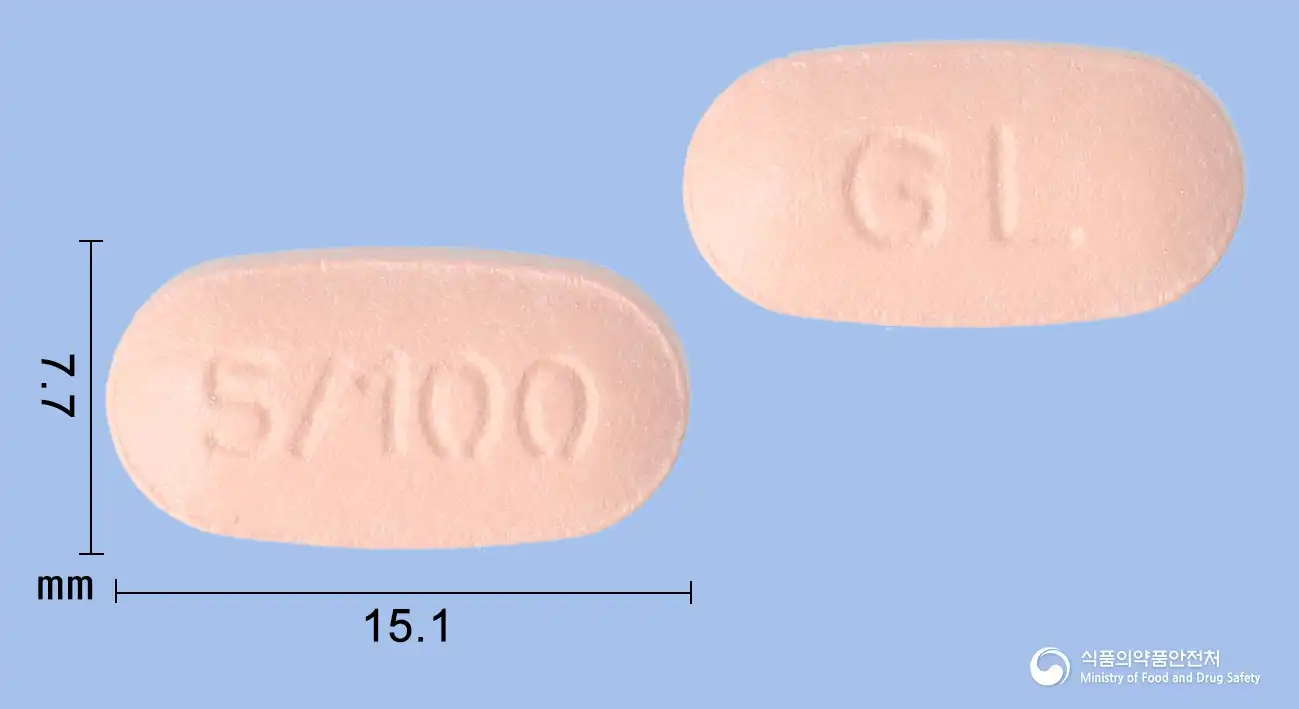 Combination
Amlodipine Besylate 6.944mg · Losartan Potassium 100mg
Tablet · Prescription medication · Combination
GL Pharma Co., Ltd.
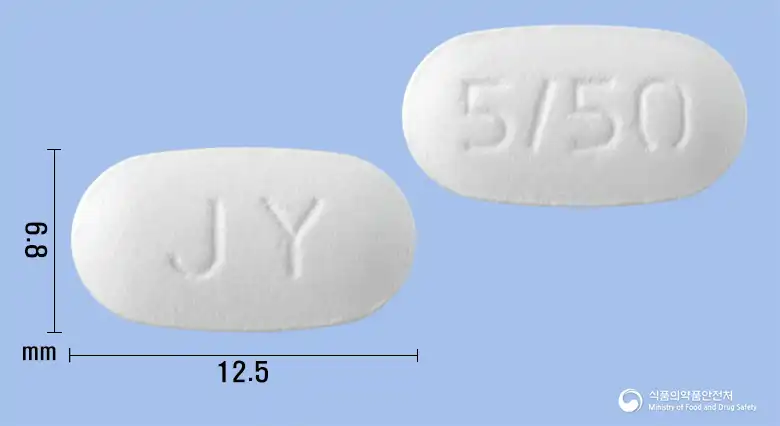 Combination
Amlodipine Besylate 6.944mg · Losartan Potassium 50mg
Tablet · Prescription medication · Combination
Jinyang Pharmaceutical Co., Ltd.
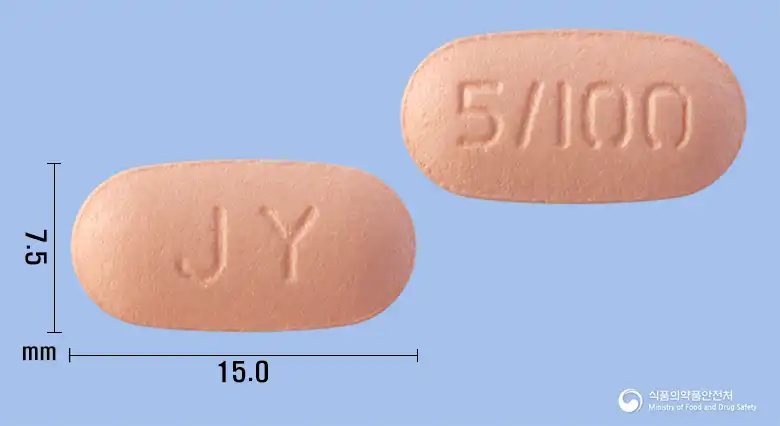 Combination
Amlodipine Besylate 6.944mg · Losartan Potassium 100mg
Tablet · Prescription medication · Combination
Jinyang Pharmaceutical Co., Ltd.
Even with the same ingredient, the dose and directions can differ by strength and dosage form. Talk to a doctor or pharmacist before switching from a medication you are already taking.
No questions yet.
For anything that needs medical judgment, consult a doctor or pharmacist.
This drug information is based on data provided by the Korea Ministry of Food and Drug Safety.
Consult a doctor or pharmacist for accurate dosage, administration, and usage instructions.