
 한국어
 English
 日本語
 中文(简体)
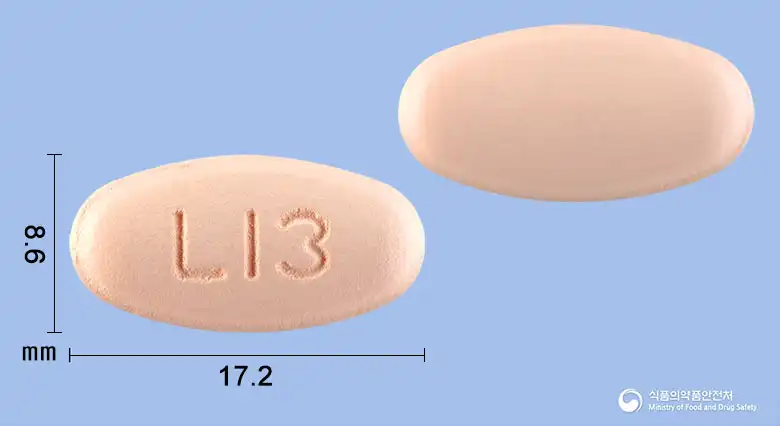 Viewing now
Levoable Tablet 500 mg (Levofloxacin Hydrate)
Levofloxacin Hydrate 512.3mg
Tablet · Prescription medication
Intro Biopharma Co., Ltd.
MFDS item code 201902167 · Approved 2019.04.09 · Insurance code 052401880
Treatment of respiratory infections, genitourinary infections, and complicated skin and soft tissue infections
This medication is effective against various bacteria, including Staphylococcus aureus, Streptococcus pneumoniae, and Haemophilus influenzae, and is used for complex skin and soft tissue infections, community-acquired pneumonia, acute bacterial exacerbation of chronic bronchitis, and acute bacterial sinusitis. It is also effective for genitourinary infections such as chronic bacterial prostatitis and urinary tract infections. However, because this medication is a fluoroquinolone and has a risk of significant adverse effects, it should only be used when there are no other treatment options available for acute bacterial sinusitis, acute exacerbation of chronic bronchitis, uncomplicated urinary tract infections, and complex skin and soft tissue infections. Therefore, approach the treatment of these infections cautiously and use appropriately to improve infection symptoms when necessary.
The usual adult dose is 250~750 mg of levofloxacin orally once daily. Patients with normal renal function (creatinine clearance greater than 80 mL/min) Complicated skin and soft tissue infections: 750mg every 24 hours for 10~14 days Community-acquired pneumonia: 500mg every 24 hours for 7 days Acute bacterial exacerbation of chronic bronchitis: 500mg every 24 hours for 7 days Acute sinusitis: 500mg every 24 hours for 10~14 days Chronic bacterial prostatitis: 500mg every 24 hours for 28 days Complicated urinary tract infections, including mild to moderate acute pyelonephritis: 250mg every 24 hours for 10 days Mild to moderate uncomplicated urinary tract infections: 250mg every 24 hours for 3 days Patients with renal impairment Complicated skin and soft tissue infections Creatinine clearance (mL/min) 50~80: No dose adjustment is necessary Creatinine clearance (mL/min) 20~49: Initial dose 750mg, maintenance dose 750mg every 48 hours Creatinine clearance (mL/min) 10~19: Initial dose 750mg, maintenance dose 500mg every 48 hours Patients on hemodialysis or peritoneal dialysis: Initial dose 750mg, maintenance dose 500mg every 48 hours Community-acquired pneumonia, acute bacterial exacerbation of chronic bronchitis, acute sinusitis, chronic bacterial prostatitis Creatinine clearance (mL/min) 50~80: Initial dose 500mg, maintenance dose 250mg every 24 hours Creatinine clearance (mL/min) 20~49: Initial dose 500mg, maintenance dose 250mg every 24 hours Creatinine clearance (mL/min) 10~19: Initial dose 500mg, maintenance dose 250mg every 48 hours Patients on hemodialysis or peritoneal dialysis: Initial dose 500mg, maintenance dose 250mg every 48 hours Complicated urinary tract infections, including mild to moderate acute pyelonephritis Creatinine clearance (mL/min) >20: No dose adjustment is necessary Creatinine clearance (mL/min) 10~19: Initial dose 250mg, maintenance dose 250mg every 48 hours Mild to moderate uncomplicated urinary tract infections: No dose adjustment is necessary
This medication can cause tendon-related problems such as tendonitis and tendon rupture. If pain or inflammation occurs in a tendon, discontinue use immediately and avoid exercise. Peripheral neuropathy and central nervous system adverse effects, such as dizziness, headache, anxiety, seizures, can occur, so consult a physician if such symptoms arise. Patients with myasthenia gravis may experience exacerbation of symptoms, making it safer not to use this medication. This medication is not to be administered to certain patients, such as those allergic to this medication or similar drugs, children, pregnant women, and patients with epilepsy. Elderly patients or those with impaired kidney function may experience more severe side effects, so caution should be exercised. Additionally, this medication can affect blood sugar control, so patients with diabetes should monitor their blood sugar levels frequently, and be aware of numerous drug interactions, informing healthcare providers of any other medications being taken. In case of overdose, central nervous system symptoms and cardiac irregularities can occur, requiring immediate medical attention. Finally, this medication may increase sensitivity to sunlight, so avoid strong sunlight or artificial UV exposure, and discontinue use if any skin abnormalities arise.
Tendinitis, tendon rupture, peripheral neuropathy, central nervous system effects, exacerbation of myasthenia gravis, shock, hypotension, dyspnea, chest tightness, hypersensitivity reactions, fatal hypersensitivity reactions, anaphylactic reactions, cardiovascular collapse, hypotensive shock, seizures, loss of consciousness, numbness, angioedema, airway obstruction, hives, itching, rapid heartbeat, dysphagia, severe skin reactions, hypersensitivity vasculitis, photosensitivity reactions, insomnia, dizziness, headache, tremors, anxiety, depression, psychotic reactions, hallucinations, paranoia, neuroasthenia, delirium, loss of orientation, attention deficits, nightmares, sleep disorders, suicidal thoughts, agitation, confusion, convulsions, visual impairment, hearing impairment, taste disturbances, smell disturbances, auditory hallucinations, mania, sensory disturbance syndrome, sensory reduction syndrome, sensory impairment, weakness, palpitations, QT interval prolongation, arrhythmias, Torsades de pointes, elevated BUN, elevated serum creatinine, acute renal failure, interstitial nephritis, elevated liver enzymes (AST/ALT), acute liver necrosis, acute liver failure, severe hepatitis, liver dysfunction, jaundice, elevated ALP, elevated γ-GTP, elevated total bilirubin, leukopenia, anemia, decreased hemoglobin, decreased hematocrit, eosinophilia, pancytopenia, anemia, hemolytic anemia, thrombocytopenia, agranulocytosis, bone marrow failure, nausea, vomiting, abdominal discomfort, diarrhea, loss of appetite, abdominal pain, abdominal distension, dyspepsia, stomatitis, glossitis, thirst, constipation, pseudomembranous colitis, bloody stools, myalgia, feelings of weakness, elevated CPK, elevated myoglobin, rhabdomyolysis, arthralgia, muscle spasms, muscle weakness, Stevens-Johnson syndrome, toxic epidermal necrolysis, eosinophilia and systemic drug reactions, skin hyperpigmentation, fever, cough, abnormal chest X-ray findings, interstitial pneumonia, allergic pneumonia, blood sugar abnormalities, vaginitis, insomnia, bloating, itching, rash, genital candidiasis, candidiasis, taste distortion syndrome, fungal infection, genital itching, neurosis, erythematous rash, hives, appetite loss, drowsiness, excitement, dry mouth, tremors, allergic reactions, aortic aneurysm, aortic dissection, mitral valve regurgitation, mitral valve insufficiency, syndrome of inappropriate antidiuretic hormone secretion
Not everyone experiences these, and they can vary from person to person.
This medication should be stored in a tightly sealed container to prevent exposure to air or moisture. In addition, it is best to store the medication at room temperature between 1 to 30 degrees Celsius.
Pink oblong film-coated tablets
30 tablets/bottle, 100 tablets/bottle
Even with the same ingredient, strength, dosage form and how it is taken can differ.
Viewing nowLevofloxacin Hydrate 512.3mg
Tablet · Prescription medication
Intro Biopharma Co., Ltd.
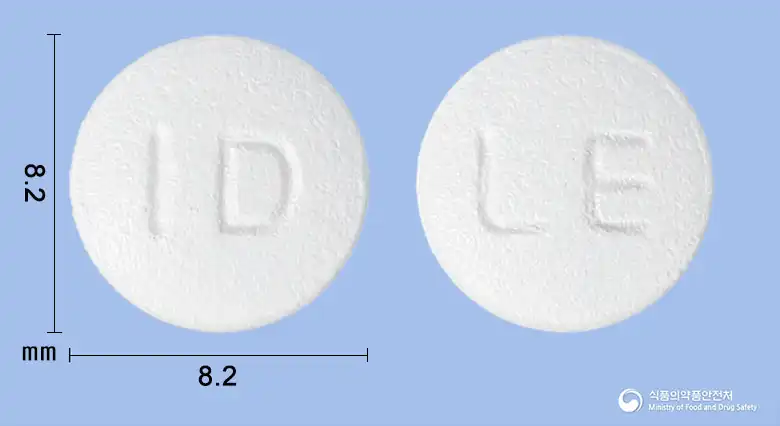
Levofloxacin Hydrate 100mg
Tablet · Prescription medication
Ildong Pharmaceutical Co., Ltd.
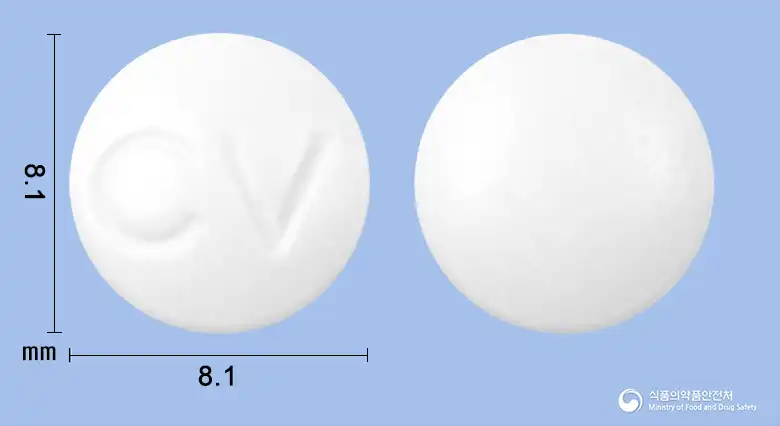
Levofloxacin 100mg
Tablet · Prescription medication
Jeil Pharmaceutical Co., Ltd.
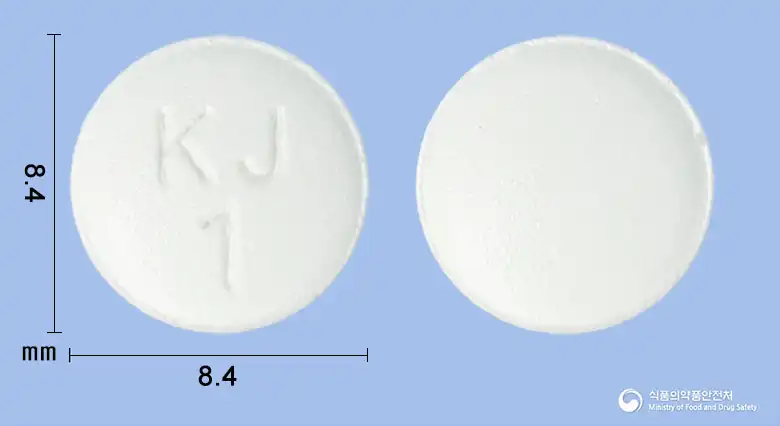
Levofloxacin Hydrate 100mg
Tablet · Prescription medication
International Pharmaceuticals Co., Ltd.
Levofloxacin 5.1246mg
Prescription medication
Jeil Pharmaceutical Co., Ltd.
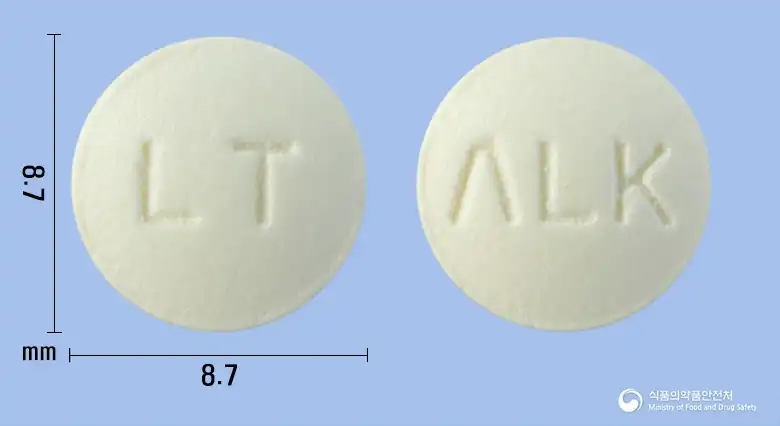
Levofloxacin Hydrate 100mg
Tablet · Prescription medication
SS Pharm Co., Ltd.
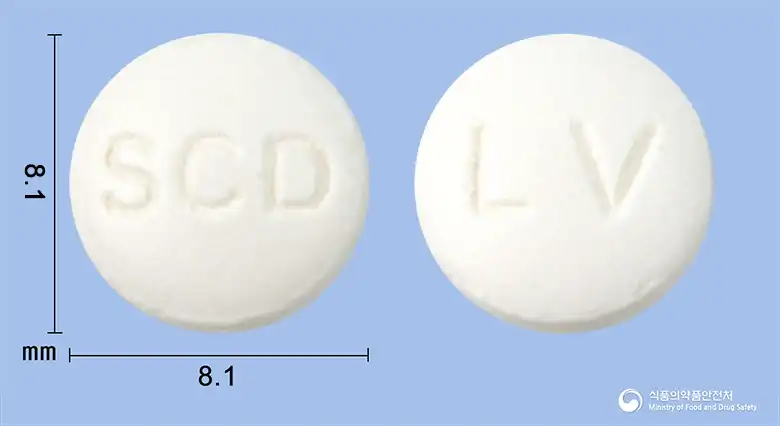
Levofloxacin Hydrate 102.49mg
Tablet · Prescription medication
Samchundang Pharmaceutical Co., Ltd.
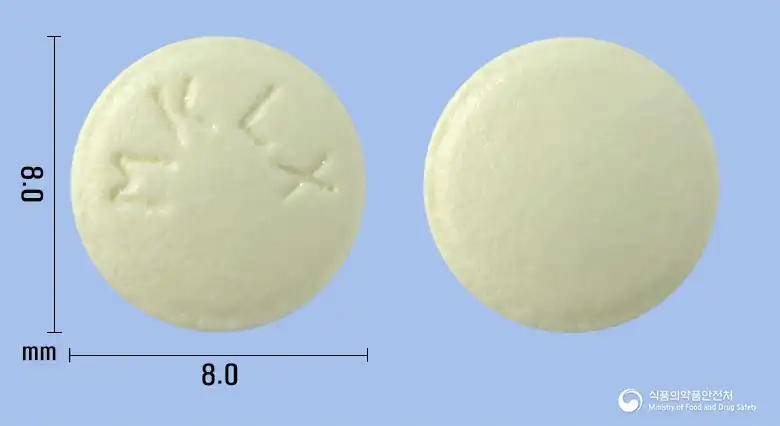
Levofloxacin Hydrate 100mg
Tablet · Prescription medication
Medica Korea Co., Ltd.
Even with the same ingredient, the dose and directions can differ by strength and dosage form. Talk to a doctor or pharmacist before switching from a medication you are already taking.
No questions yet.
For anything that needs medical judgment, consult a doctor or pharmacist.
This drug information is based on data provided by the Korea Ministry of Food and Drug Safety.
Consult a doctor or pharmacist for accurate dosage, administration, and usage instructions.