
 한국어
 English
 日本語
 中文(简体)
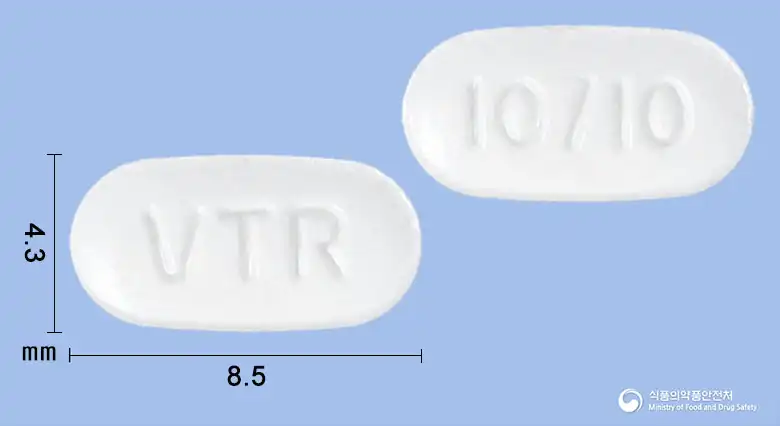 Viewing nowCombination
Bytrin Q Tablet 10/10 mg
Ezetimibe 10mg · Simvastatin 10mg
Tablet · Prescription medication · Combination
Youngpoong Pharmaceutical Co., Ltd.
MFDS item code 201900316 · Approved 2019.01.22 · Insurance code 661905150
Management of hypercholesterolemia (primary and homozygous familial) and mixed hyperlipidemia
This medication helps lower total cholesterol, LDL cholesterol, apolipoprotein B, and triglycerides, while increasing HDL cholesterol in patients with primary hypercholesterolemia and mixed hyperlipidemia. It may also be used in combination with other lipid-lowering therapies or alone in patients with familial hypercholesterolemia. This drug is used as an adjunct to appropriate dietary management, especially when dietary therapy alone is insufficient. Before treatment, secondary causes such as diabetes and hypothyroidism should be identified and treated if necessary, and lipid levels should be monitored regularly during treatment. This medication is effective in reducing the risk of vascular disease due to hyperlipidemia and improving cholesterol management.
Patients should follow a standard cholesterol-lowering diet before and during treatment with this medicine. The dose of this medicine should be adjusted according to the patient's baseline LDL-cholesterol level, recommended treatment goal, and response. This medicine is administered once daily in the evening, with or without food. Patients with primary hypercholesterolemia The dose range of this medicine is 10/10mg~10/40mg per day. The generally recommended initial dose is 10/20mg per day. For patients requiring less LDL-cholesterol reduction, treatment may be started at 10/10mg per day. After starting this medicine or adjusting the dose, check blood lipid levels at intervals of 4 weeks or more and then adjust the dose. Due to the increased risk of myopathy, including rhabdomyolysis, particularly during the first year of treatment, the 10/80 mg dose of this medicine should be used only in patients who have been taking 10/80 mg of this medicine for 12 months or longer without evidence of muscle toxicity (see Precautions for use, 1. Warnings). Patients with homozygous familial hypercholesterolemia The recommended dose for patients with homozygous familial hypercholesterolemia is 10/40mg once daily in the evening. This medicine is administered as an adjunct to other lipid-lowering treatments (e.g., LDL apheresis) or when other lipid-lowering treatments are not useful. Administration to patients with hepatic impairment No dose adjustment is necessary in patients with mild hepatic impairment; however, use of this medicine is not recommended in patients with moderate or severe hepatic impairment (see Precautions for use, 5. General precautions, Patients with abnormal liver function). Administration to patients with renal impairment and chronic kidney disease No dose adjustment is necessary in patients with mild renal impairment (estimated glomerular filtration rate (GFR) ≥ 60mL/min/1.73㎡). In patients with chronic kidney disease and an estimated glomerular filtration rate < 60mL/min/1.73㎡, administer 10/20mg of this medicine once daily in the evening. When administering higher doses of this medicine to such patients, use caution and monitor closely (see Precautions for use, 5. General precautions). Administration to older adults No dose adjustment is necessary in older adults. Concomitant administration with other medicines (See Precautions for use, 6. Interactions) Administer this medicine at least 2 hours before or at least 4 hours after administration of a bile acid sequestrant. Patients receiving this medicine concomitantly with verapamil, diltiazem, or dronedarone must not exceed a dose of 10/10mg/day of this medicine. Patients receiving this medicine concomitantly with amiodarone, amlodipine, or ranolazine must not exceed 10/20mg/day of this medicine.
This medication can cause serious muscle-related side effects, such as myopathy or rhabdomyolysis. These side effects may include muscle pain, muscle tenderness, and muscle weakness, with a significant increase in creatine kinase levels in the blood. The risk is notably higher when taken in high doses, so caution is required. This drug should not be given to certain patients. For example, individuals allergic to its components, those with active liver disease or unexplained persistent elevation of liver enzymes, pregnant or breastfeeding women, and patients taking specific medications should avoid using this drug. Patients with severe muscle weakness or ocular muscle weakness should use this drug with caution as symptoms may worsen. It is important to inform a doctor immediately if muscle pain or weakness occurs while taking this medication. Moreover, liver function abnormalities may occur, so regular liver function tests are necessary, and careful monitoring is essential if there is a history of liver disease. This medication can interact with various drugs; therefore, if taking other medications, it is crucial to inform the doctor or pharmacist. The risk of muscle diseases may increase when this drug is taken in combination with certain antifungals, antibiotics, antivirals, immunosuppressants, or some heart medications, so caution is advised. Pregnant women or women planning to become pregnant must not use this drug, and if pregnancy is confirmed, the medication should be discontinued immediately. Nursing mothers should also stop breastfeeding while taking this medication. The safety and efficacy of this drug have not been sufficiently established in elderly or pediatric patients, hence caution is warranted. In case of overdose, there is no specific antidote; general treatment and supportive care will be provided. Regular blood tests and symptom observation are necessary while taking this medication, and immediate consultation with healthcare personnel is warranted if unexplained muscle pain or weakness, or liver function abnormalities occur.
Not everyone experiences these, and they can vary from person to person.
This medication must be stored in a closed container to protect it from exposure to air and moisture. Additionally, keep the medication at room temperature between 1 to 30 degrees Celsius, avoiding excessively hot or cold locations. This helps maintain the drug's effectiveness and safety over time.
White to light yellow, double-convex rectangular tablet
30 tablets (10 tablets/PTP×3)
Even with the same ingredient, strength, dosage form and how it is taken can differ.
Viewing nowCombinationEzetimibe 10mg · Simvastatin 10mg
Tablet · Prescription medication · Combination
Youngpoong Pharmaceutical Co., Ltd.
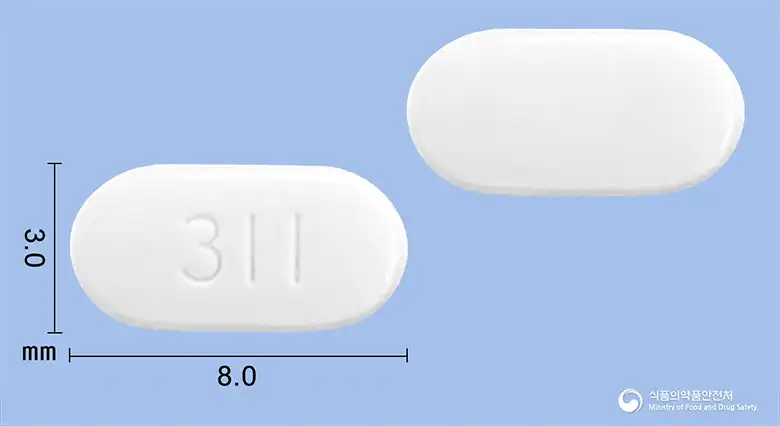 Combination
Simvastatin 10mg · Ezetimibe 10mg
Tablet · Prescription medication · Combination
Korea Organon Co., Ltd.
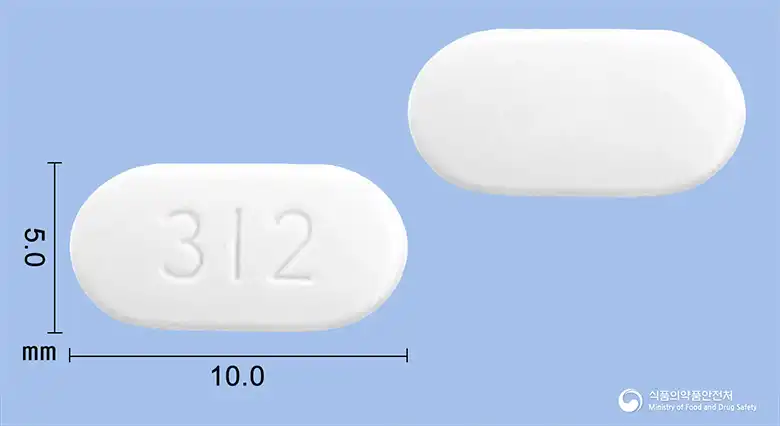 Combination
Simvastatin 20mg · Ezetimibe 10mg
Tablet · Prescription medication · Combination
Korea Organon Co., Ltd.
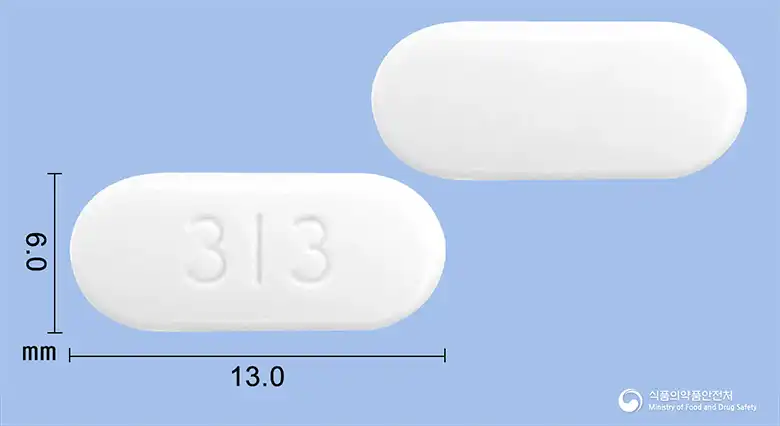 Combination
Simvastatin 40mg · Ezetimibe 10mg
Tablet · Prescription medication · Combination
Korea Organon Co., Ltd.
Ezetimibe 10mg · Simvastatin 10mg
Tablet · Prescription medication · Combination
Boryung Pharmaceutical Co., Ltd.
Ezetimibe 10mg · Simvastatin 20mg
Tablet · Prescription medication · Combination
Boryung Pharmaceutical Co., Ltd.
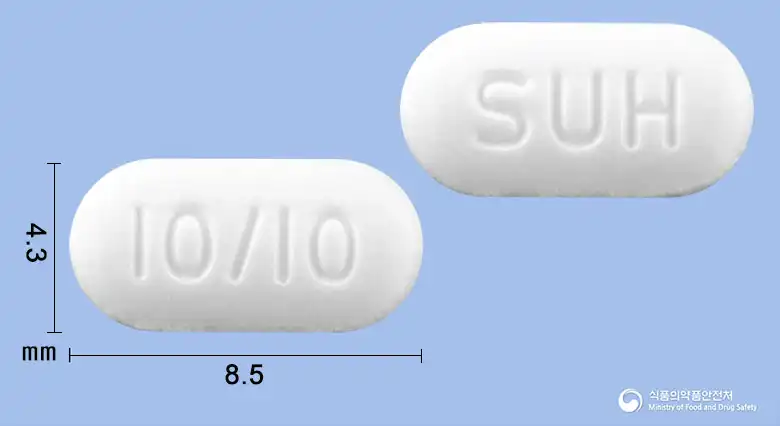 Combination
Ezetimibe 10mg · Simvastatin 10mg
Tablet · Prescription medication · Combination
Suhung Co., Ltd.
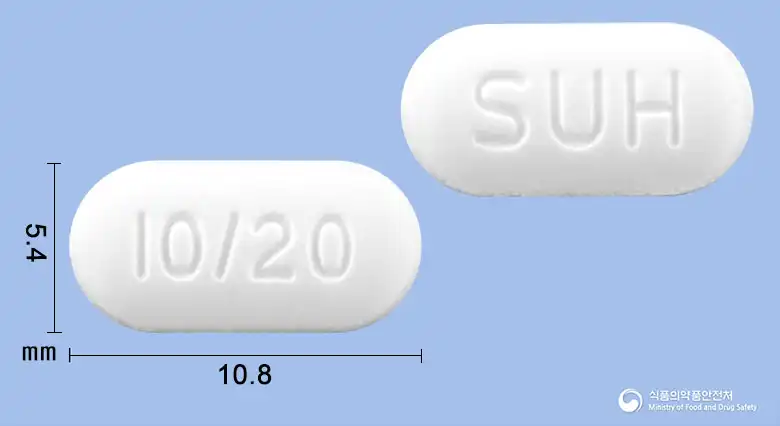 Combination
Ezetimibe 10mg · Simvastatin 20mg
Tablet · Prescription medication · Combination
Seohung Co., Ltd.
Even with the same ingredient, the dose and directions can differ by strength and dosage form. Talk to a doctor or pharmacist before switching from a medication you are already taking.
No questions yet.
For anything that needs medical judgment, consult a doctor or pharmacist.
This drug information is based on data provided by the Korea Ministry of Food and Drug Safety.
Consult a doctor or pharmacist for accurate dosage, administration, and usage instructions.