
 한국어
한국어 English
 日本語
日本語 中文(简体)
 Viewing nowCombination
Colobron Capsule
Acetylcysteine 200mg · Chlorpheniramine Maleate 4mg
Hard capsule · OTC medication · Combination
Jeongwoo Pharmaceutical Co., Ltd.
MFDS item code 201804925 · Notified 2018.12.05
Improvement of symptoms related to acute and chronic respiratory diseases (cough, sputum) and pediatric cold.
This medication is used for cough and sputum symptoms associated with acute and chronic respiratory diseases, such as bronchitis, pharyngitis, and rhinitis. It is also effective for coughs associated with pediatric viral colds and colds. Therefore, it helps alleviate uncomfortable cough and sputum symptoms due to respiratory diseases.
Adults and those over 12 years: 1 capsule per dose, usually 3 times a day. Adjust as necessary according to age and symptoms.
Children (3 to 12 years): 1/2 capsule per dose, usually 3 times a day. Adjust as necessary according to age and symptoms.
This medication should not be used in certain patients. For instance, individuals who are allergic to this medication or have ulcers in the stomach or duodenum should avoid taking it. Additionally, it should not be administered to patients with glaucoma or lower urinary tract obstruction diseases such as prostatic hypertrophy, as well as premature and newborn infants. Patients with genetic problems that prevent lactose breakdown should also not take this medication. There are cases where caution is needed when using this medication. Patients with increased intraocular pressure, hyperthyroidism, peptic ulcers, or pyloric duodenal obstruction should be careful, as this medication can worsen the symptoms. Individuals with cardiovascular diseases, epilepsy, or respiratory diseases should consult a doctor before administration. It is generally recommended not to give this medication to newborns unless in cases of severe illness. Taking this medication may rarely lead to gastrointestinal symptoms such as nausea, vomiting, heartburn, and diarrhea. Allergic reactions such as hives, itching, rash, headache, tinnitus, and bronchospasm may also occur, so caution is advised. In severe cases, there may be symptoms of tachycardia, hypertension, or shock; if any unusual symptoms arise, the medication should be stopped immediately, and medical personnel should be notified. This medication can cause drowsiness, so avoid driving vehicles or operating dangerous machinery while taking it. Furthermore, when taken with other medications, there may be interactions, so it is vital to consult a doctor or pharmacist. For example, taking it with some antibiotics or central nervous system depressants may reduce its effectiveness or increase drowsiness. Women who are pregnant or may become pregnant should use this medication cautiously, and nursing mothers should also be careful, as it may be excreted in breast milk. In elderly patients, physiological functions may decline, so they should be monitored closely while taking this medication. Overdose may lead to severe poisoning symptoms, so immediate medical attention should be sought for proper treatment. Finally, it is not recommended to mix this medication with other drug solutions.
Not everyone experiences these, and they can vary from person to person.
This medication should be consulted with a doctor or pharmacist if used with oral antibiotics (amoxicillin, cephuroxime, doxycycline, erythromycin, tiamphenicol), central nervous system depressants, or chlorpheniramine.
Caution is needed when taking this medication with alcohol.
This medication should be stored in a tightly closed container that protects it from air and moisture. It is important to maintain the storage temperature between 1 to 30 degrees Celsius.
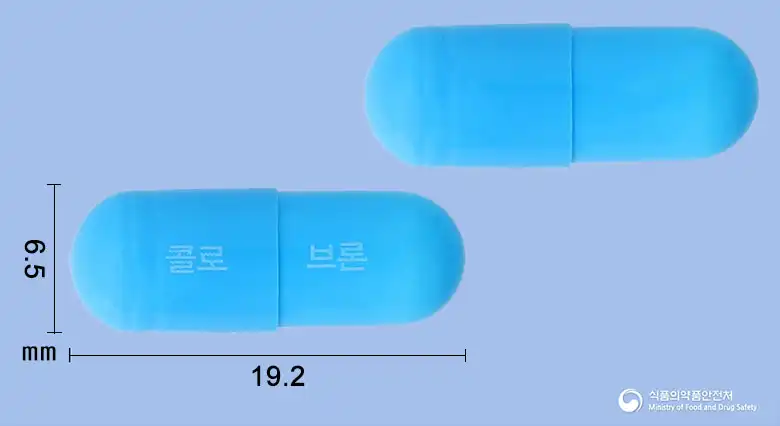
A hard capsule with a light blue shell filled with white powder.
10 capsules/PTP, 90 capsules/PTP
Even with the same ingredient, strength, dosage form and how it is taken can differ.
Viewing nowCombinationAcetylcysteine 200mg · Chlorpheniramine Maleate 4mg
Hard capsule · OTC medication · Combination
Jeongwoo Pharmaceutical Co., Ltd.
Acetylcysteine 2000mg · Chlorpheniramine Maleate 40mg
Syrup · OTC medication · Combination
Seoul Pharmaceutical Co., Ltd.
Acetylcysteine 2000mg · Chlorpheniramine Maleate 40mg
Syrup · OTC medication · Combination
Yuyu Pharmaceutical Co., Ltd.
Acetylcysteine 200mg · Chlorpheniramine Maleate 4mg
Hard capsule · OTC medication · Combination
Mirae Biopharmaceutical Co., Ltd.
Acetylcysteine 2000mg · Chlorpheniramine Maleate 40mg
Syrup · OTC medication · Combination
Dongkook Pharmaceutical Co., Ltd.
Acetylcysteine 2000mg · Chlorpheniramine Maleate 40mg
Syrup · OTC medication · Combination
Boryeong Biopharma Co., Ltd.
Acetylcysteine 2000mg · Chlorpheniramine Maleate 40mg
Syrup · OTC medication · Combination
Huons Life Science Co., Ltd.
Acetylcysteine 2000mg · Chlorpheniramine Maleate 40mg
Syrup · OTC medication · Combination
Hankook Hyutex Pharmaceuticals Co., Ltd.
Even with the same ingredient, the dose and directions can differ by strength and dosage form. Talk to a doctor or pharmacist before switching from a medication you are already taking.
QI'm currently on antibiotics; is it okay to take this together?
Answers 1 · 2026.09.14
QCan I drive after taking it?
Answers 1 · 2026.09.14
QHow many capsules should my child take?
Answers 1 · 2026.09.14
For anything that needs medical judgment, consult a doctor or pharmacist.
This drug information is based on data provided by the Korea Ministry of Food and Drug Safety.
Consult a doctor or pharmacist for accurate dosage, administration, and usage instructions.