
 한국어
한국어 English
 日本語
日本語 中文(简体)
Dosage form image
Viewing nowLefloxacin Injection (Levofloxacin Hemihydrate)
Levofloxacin Hydrate 5.1246mg
Injections · Prescription medication
Nexpam Korea Co., Ltd.
MFDS item code 201803262 · Notified 2018.08.09 · Insurance code 662503992
Treatment of community-acquired pneumonia, complicated urinary tract infections, etc.
This medication is effective against various bacteria such as Streptococcus pneumoniae, Staphylococcus aureus, Escherichia coli, and is used in the treatment of community-acquired pneumonia, acute pyelonephritis including complicated urinary tract infections, complicated skin and soft tissue infections, acute sinusitis, and acute bacterial exacerbation of chronic bronchitis. However, as a fluoroquinolone, there is a risk of serious adverse reactions, and it should only be used when no alternative treatment is available for acute sinusitis, acute bacterial exacerbation of chronic bronchitis, and complicated skin and soft tissue infections. It is advisable to consult a physician prior to use for safe treatment.
Administered as an intravenous infusion one to two times a day. The dosage varies depending on the type and severity of the infection, and generally, after intravenous injection, conversion to oral administration may be possible based on the patient's condition. The administration period should be at least 48 to 72 hours or longer and may be given for up to 14 days, either once or twice daily. The infusion time should take at least 60 minutes.
This drug can cause tendon problems such as tendonitis or tendon rupture; therefore, if there is pain or inflammation in the tendon, use should be discontinued immediately. Additionally, it may affect peripheral neuropathy or the central nervous system causing neurological symptoms, and if such symptoms arise, consultation with a physician should be pursued immediately. Patients with myasthenia gravis may experience exacerbation of symptoms; therefore, those with this medical history should not take this medication. This drug is intended for specific bacterial infections and should only be administered when no other treatment options are available. When administered as an injection, it should be infused slowly over the prescribed time, and if there is a sudden drop in blood pressure during infusion, the infusion should be stopped immediately. Elderly patients or patients with reduced renal function may have increased drug concentration and risk of side effects; therefore, dose adjustment and caution are necessary. This drug may provoke seizures, so it should be used cautiously in patients with a history of epilepsy or convulsions. Photosensitivity reactions may occur infrequently, so it is important to avoid exposure to strong sunlight or ultraviolet light; if rashes appear on the skin, the medication should be stopped immediately. Dizziness or drowsiness may occur while driving or operating machinery, so caution is necessary. This drug may affect blood glucose levels; therefore, diabetic patients should frequently monitor their blood glucose levels. If symptoms of hypoglycemia or hyperglycemia occur, immediate consultation with a physician is necessary. Pregnant women, women who may become pregnant, nursing mothers, and growing children and adolescents should not use this medication. There may be drug interactions if this medication is taken with certain other drugs; patients should inform their physician or pharmacist of any concurrent medications. In case of overdose, central nervous system symptoms or cardiac abnormalities may manifest, hence adherence to the prescribed dosage is crucial, and if unusual symptoms occur, it is necessary to visit the medical facility immediately. This medication should be stored in a light-protective sealed container and should be preserved in its original packaging, and should be used as soon as possible after opening. If any adverse symptoms appear during the use of this medication, such as gastrointestinal disturbances, allergic reactions, or skin rashes, the medication should be stopped immediately and medical consultation should be sought.
Hives, severe swelling (angioedema), chest tightness, difficulty breathing, cold sweat, paleness, severe allergic reaction, high fever with severe rash, blisters, skin sloughing, pain of mucous membranes in mouth/eyes, severe skin reactions, shortness of breath or difficulty breathing, asthma attacks, respiratory problems accompanied by cough and fever, jaundice (yellowing of skin or eyes), profound lethargy, liver issues (jaundice), sudden.
Not everyone experiences these, and they can vary from person to person.
This drug should be stored in a light-protective sealed container at a temperature between 1 and 30 degrees Celsius. Proper storage maintains the drug's effectiveness and safety.
A clear yellow liquid with a light green tint in a colorless and transparent vial injection.
100mL/vial x 10
Even with the same ingredient, strength, dosage form and how it is taken can differ.
Levofloxacin Hydrate 5.1246mg
Injections · Prescription medication
Nexpam Korea Co., Ltd.
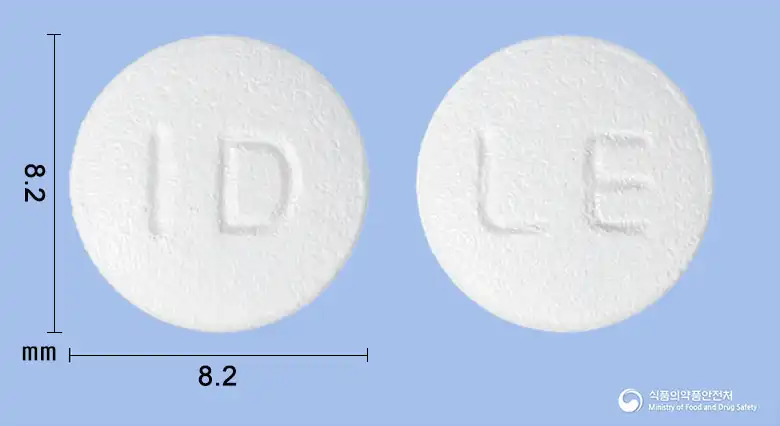
Levofloxacin Hydrate 100mg
Tablet · Prescription medication
Ildong Pharmaceutical Co., Ltd.
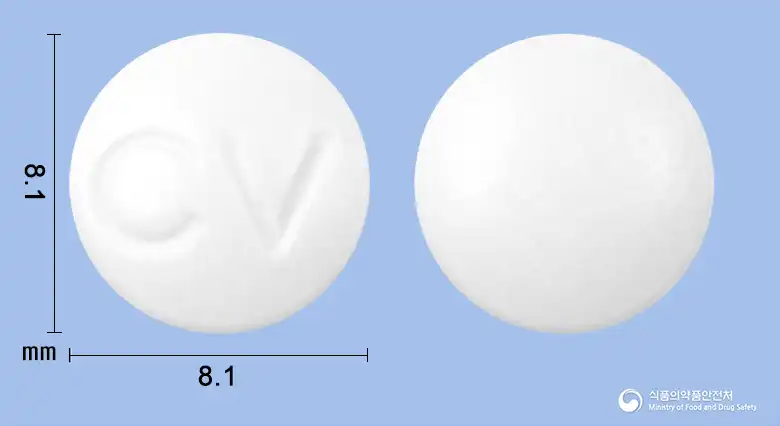
Levofloxacin 100mg
Tablet · Prescription medication
Jeil Pharmaceutical Co., Ltd.
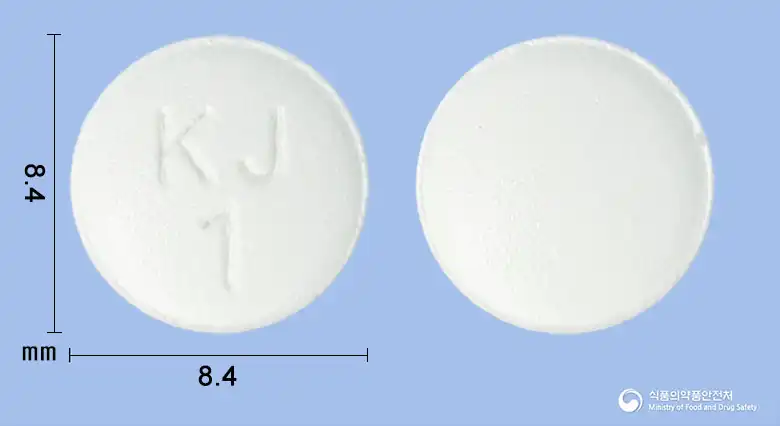
Levofloxacin Hydrate 100mg
Tablet · Prescription medication
International Pharmaceuticals Co., Ltd.
Levofloxacin 5.1246mg
Prescription medication
Jeil Pharmaceutical Co., Ltd.
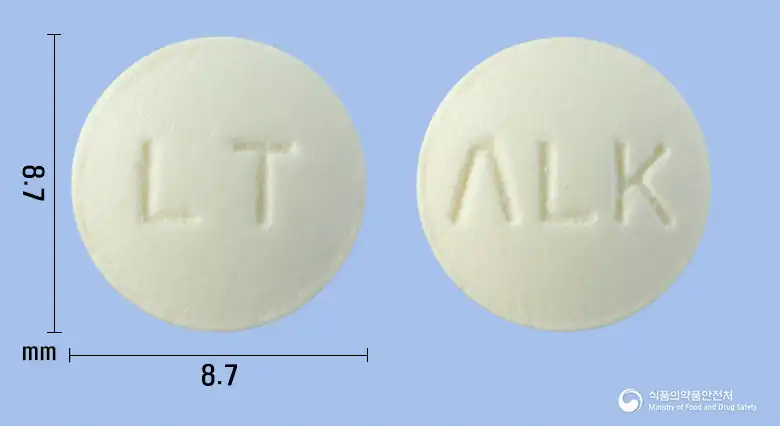
Levofloxacin Hydrate 100mg
Tablet · Prescription medication
SS Pharm Co., Ltd.
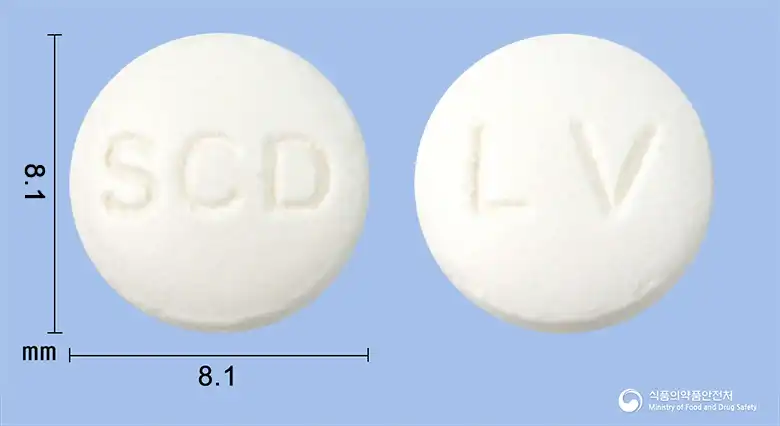
Levofloxacin Hydrate 102.49mg
Tablet · Prescription medication
Samchundang Pharmaceutical Co., Ltd.
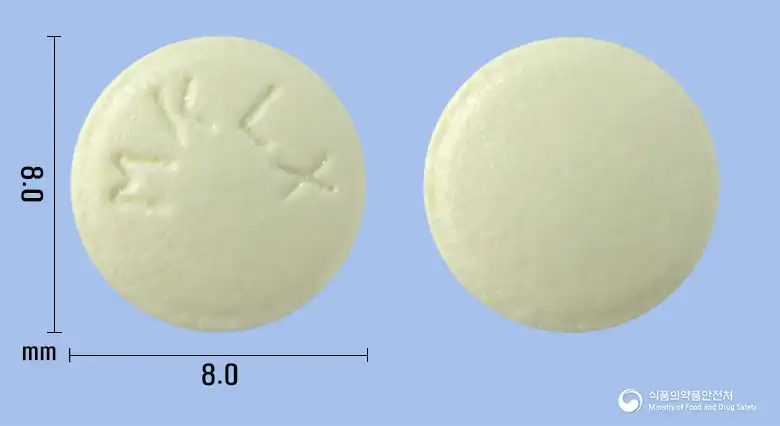
Levofloxacin Hydrate 100mg
Tablet · Prescription medication
Medica Korea Co., Ltd.
Even with the same ingredient, the dose and directions can differ by strength and dosage form. Talk to a doctor or pharmacist before switching from a medication you are already taking.
No questions yet.
For anything that needs medical judgment, consult a doctor or pharmacist.
This drug information is based on data provided by the Korea Ministry of Food and Drug Safety.
Consult a doctor or pharmacist for accurate dosage, administration, and usage instructions.