
 한국어
 English
 日本語
 中文(简体)
 Viewing nowCombination
Komanco Tablet
Phenylephrine Hydrochloride 10mg · Chlorpheniramine Maleate 4mg
Tablet · OTC medication · Combination
Phamgen Science Co., Ltd.
MFDS item code 201802107 · Notified 2018.05.18
Relief of rhinitis and cold symptoms (e.g., runny nose and sneezing), and nasal congestion due to sinusitis
This medication alleviates symptoms such as sneezing, runny nose, nasal congestion, and tearing caused by cold, allergic, or vasomotor rhinitis. It also helps to temporarily relieve nasal congestion due to sinusitis. Therefore, this medication is mainly used for rhinitis and sinusitis.
Adults: Take 1 tablet every 4 hours. Do not exceed 6 tablets in 24 hours, and follow your doctor's instructions.
Children aged 12 years and older: Take 1 tablet every 4 hours. Do not take more than 6 tablets in 24 hours, and follow the doctor's instructions. Children aged 6 years and older but younger than 12 years: Take 1/2 tablet every 4 hours. Do not take more than 3 tablets in 24 hours, and follow the doctor's instructions. Children younger than 6 years: Follow the doctor's instructions.
This medication contains the artificial sweetener aspartame, which breaks down into phenylalanine in the body. Therefore, patients with a genetic disorder called phenylketonuria should not take this medication. The daily intake of aspartame should not exceed the WHO recommended amount, and the minimum amount possible should be used. People sensitive to sympathomimetics, antihistamines, or those with special constitutions, as well as nursing mothers, should not take this medication. Patients with severe hypertension, coronary artery disease, or those undergoing MAO inhibitor therapy should also avoid use. Patients with respiratory distress conditions such as glaucoma, urinary retention, peptic ulcer, asthma, or chronic lung disease should preferably not use this medication. Caution is also required for individuals taking sedatives or tranquilizers. Since this medication contains lactose, patients with genetic issues such as galactose intolerance, lactase deficiency, or glucose-galactose malabsorption should not take it. Patients with difficulties in urination due to chronic bronchitis, heart disease, hypertension, thyroid dysfunction, diabetes, or benign prostatic hyperplasia should not take this medication without a doctor's direction. Taking this medication may produce side effects such as fear, anxiety, tremors, weakness, respiratory distress, urinary difficulties, insomnia, hallucinations, convulsions, dizziness, and hypotension. In particular, people with hypersensitivity to phenylephrine may experience tachycardia, headaches, or nausea. In cases of sensitivity to antihistamines, sedation may be pronounced, and symptoms such as dry mouth, dizziness, loss of appetite, vomiting, headaches, nervous irritability, frequent urination, chest pain, and urinary difficulties may occur. Rarely, dermatitis may also occur. This medication may cause drowsiness, so taking it along with alcohol, sedatives, or tranquilizers may increase drowsiness. Children may exhibit excitability. If symptoms do not improve within 7 days or if accompanied by a high fever, consult a physician without fail. Avoid alcoholic beverages while taking this medication, and refrain from tasks that require concentration, such as driving or operating dangerous machinery. Do not exceed the prescribed dosage, and if an overdose occurs, consult a doctor immediately. If symptoms such as dizziness, insomnia, or nervous irritability appear after taking, stop taking the medication and consult a doctor. Keep this medication out of reach of children.
fear, anxiety, tension, tremor, weakness, pallor, dyspnea, dysuria, insomnia, hallucinations, convulsions, central nervous system depression, arrhythmia, dizziness, cardiovascular collapse accompanied by hypotension, tachycardia, chills, headache, nausea, moderate sedation, thirst, loss of appetite, vomiting, nervousness, polyuria, heartburn, double vision, dermatitis, drowsiness, excitement
Not everyone experiences these, and they can vary from person to person.
Do not use this medication in conjunction with MAO inhibitors, sedatives, or tranquilizers.
This medication should be stored in a tightly closed container in a well-ventilated area, at room temperature between 1 degree and 30 degrees Celsius. Proper storage will help maintain the medication's effectiveness and prevent deterioration.
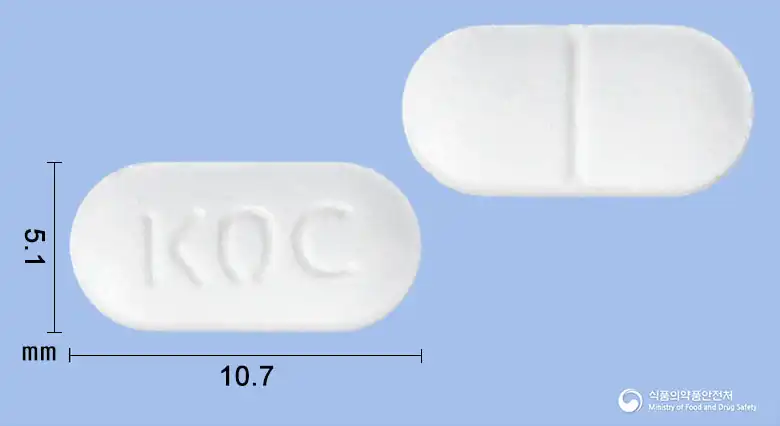
White, rectangular tablet
500 tablets per bottle
Even with the same ingredient, strength, dosage form and how it is taken can differ.
Viewing nowCombinationPhenylephrine Hydrochloride 10mg · Chlorpheniramine Maleate 4mg
Tablet · OTC medication · Combination
Phamgen Science Co., Ltd.
Phenylephrine Hydrochloride 100mg · Chlorpheniramine Maleate 40mg
Syrup · OTC medication · Combination
Kolon Pharmaceutical Co., Ltd.
Phenylephrine Hydrochloride 100mg · Chlorpheniramine Maleate 40mg
Syrup · OTC medication · Combination
Daewoo Pharmaceutical Co., Ltd.
 Combination
Phenylephrine Hydrochloride 10mg · Chlorpheniramine Maleate 4mg
Tablet · OTC medication · Combination
Kolon Pharmaceutical Co., Ltd.
Chlorpheniramine Maleate 40mg · Phenylephrine Hydrochloride 100mg
Syrup · OTC medication · Combination
Sama Pharmaceutical Co., Ltd.
 Combination
Chlorpheniramine Maleate 4mg · Phenylephrine Hydrochloride 10mg
Tablet · OTC medication · Combination
Sama Pharmaceutical Co., Ltd.
 Combination
Chlorpheniramine Maleate 4mg · Phenylephrine Hydrochloride 10mg
Tablet · OTC medication · Combination
Youngjin Pharmaceutical Co., Ltd.
Phenylephrine Hydrochloride 100mg · Chlorpheniramine Maleate 40mg
Syrup · OTC medication · Combination
Daewon Pharmaceutical Co., Ltd.
Even with the same ingredient, the dose and directions can differ by strength and dosage form. Talk to a doctor or pharmacist before switching from a medication you are already taking.
No questions yet.
For anything that needs medical judgment, consult a doctor or pharmacist.
This drug information is based on data provided by the Korea Ministry of Food and Drug Safety.
Consult a doctor or pharmacist for accurate dosage, administration, and usage instructions.