
 한국어
한국어 English
 日本語
日本語 中文(简体)
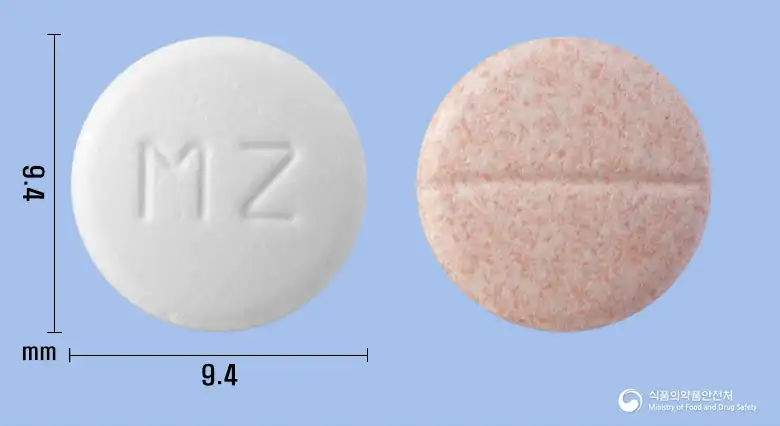 Viewing nowCombination
Montelukast Chewable Tablet
Montelukast Sodium 5.2mg · Levocetirizine Hydrochloride 5mg
Chewable Tablet · Prescription medication · Combination
Hanmi Pharmaceutical Co., Ltd.
MFDS item code 201801645 · Approved 2018.04.16 · Insurance code 643507970
Relief of asthma and allergic rhinitis symptoms
This medication is used to alleviate allergy symptoms in patients suffering from asthma and perennial allergic rhinitis. It helps improve patients' respiratory health by managing both asthma and allergic rhinitis symptoms.
Administered to patients with asthma accompanied by allergic rhinitis.
Children aged 6 to 14 years should take one tablet once daily, chewed in the evening.
This medication may cause severe neuropsychiatric adverse reactions. If anxiety, depression, hallucinations, suicidal thoughts, or any changes in mental state occur during treatment, consult a physician immediately. This medication contains aspartame, an artificial sweetener, and should be avoided in patients with phenylketonuria, a specific genetic disorder. Patients with severely impaired kidney function or those on dialysis should not take this medication, and patients with lactose intolerance or associated genetic conditions should also avoid it. Patients with kidney or liver function issues should use this medication cautiously since the components may remain in the body for a longer duration. Common side effects include upper respiratory infections, nasopharyngitis, gastrointestinal disorders, and tonsillitis, but rare adverse reactions such as cardiac arrhythmias or skin rashes may also occur. Particular attention is needed in children and adolescents as the incidence of side effects may vary by age. This medication should not be used for acute asthma attacks. Always have appropriate emergency medication on hand in case of an emergency. Patients with hypersensitivity to aspirin or non-steroidal anti-inflammatory drugs should not take these medications concurrently with this drug. Drowsiness or fatigue may occur with this medication, so caution should be exercised when driving or operating machinery. When taken with alcohol or central nervous system depressants, drowsiness or decreased concentration may be exacerbated, so these combinations should be avoided. Pregnant or nursing women should consult a physician before using this medication and should only use it in special circumstances. Safety and efficacy in children under 6 years of age have not been established, so it is better not to use it in this age group. This medication may need to be stopped before allergy testing, so inform your doctor of your testing schedule. In case of overdose, as there is no specific antidote, visit a medical facility immediately for appropriate treatment, and general symptomatic treatment may be necessary. This medication is sensitive to light, so do not open the packaging until just prior to administration, and keep it out of reach of children. Transferring to another container may alter its quality, so be cautious.
Not everyone experiences these, and they can vary from person to person.
This medication is sensitive to light, and it should be stored in a container that does not allow light to enter. Additionally, it is important to maintain a temperature between 1 degree and 30 degrees Celsius when storing the medication. By doing so, the effectiveness of the medication can be safely preserved.
A round chewable biconvex tablet consisting of a white layer and a light pink layer.
30 tablets/box [10 tablets/PTPX3]
Even with the same ingredient, strength, dosage form and how it is taken can differ.
Viewing nowCombinationMontelukast Sodium 5.2mg · Levocetirizine Hydrochloride 5mg
Chewable Tablet · Prescription medication · Combination
Hanmi Pharmaceutical Co., Ltd.
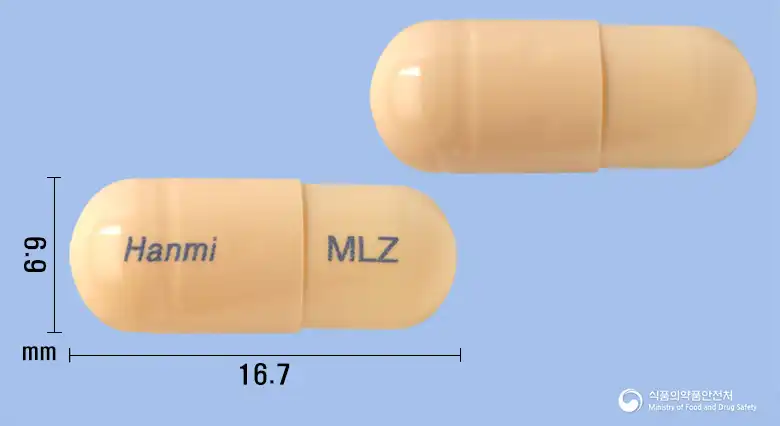 Combination
Montelukast Sodium 10.4mg · Levocetirizine Hydrochloride 5mg
Hard capsule · Prescription medication · Combination
Hanmi Pharmaceutical Co., Ltd.
Montelukast Sodium 10.4mg · Levocetirizine Hydrochloride 5mg
Tablet · Prescription medication · Combination
(Co., Ltd.) Donggu BioPharm
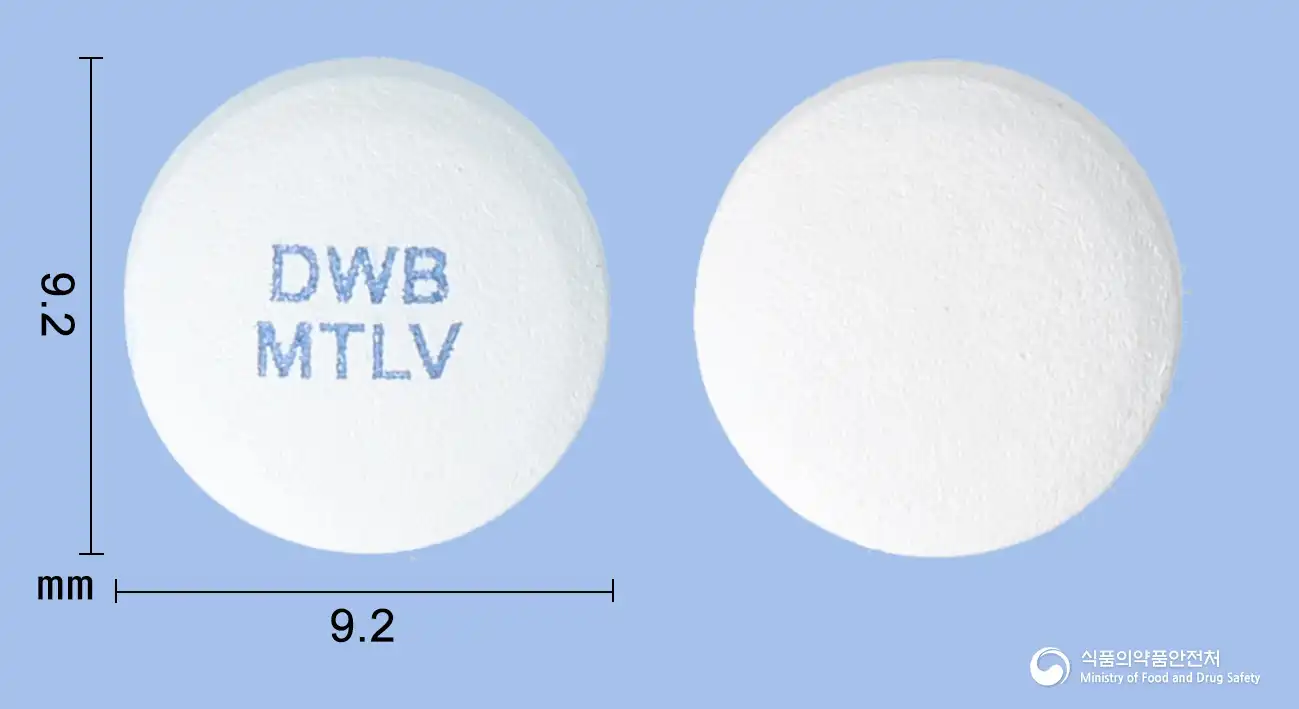 Combination
Montelukast Sodium 10.4mg · Levocetirizine Hydrochloride 5mg
Tablet · Prescription medication · Combination
Daewoong Bio Co., Ltd.
Montelukast Sodium 10.4mg · Levocetirizine Hydrochloride 5mg
Tablet · Prescription medication · Combination
Genupharm Co., Ltd.
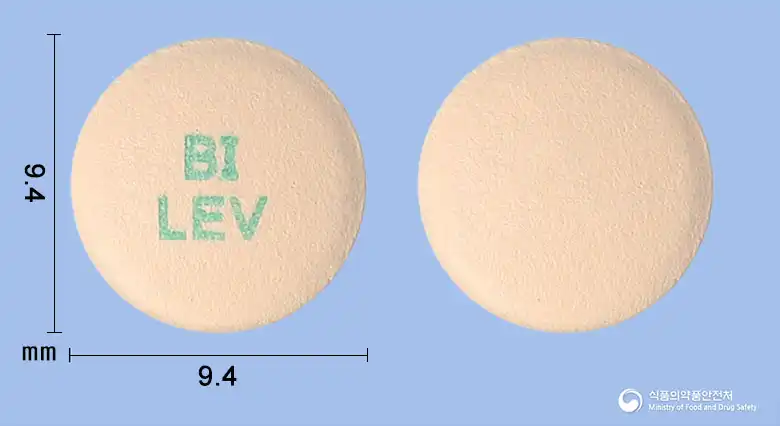 Combination
Montelukast Sodium 10.4mg · Levocetirizine Hydrochloride 5mg
Tablet · Prescription medication · Combination
Bionex Co., Ltd.
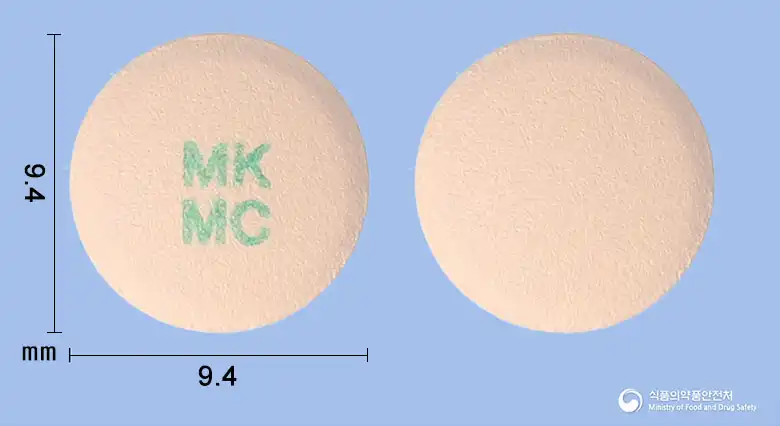 Combination
Montelukast Sodium 10.4mg · Levocetirizine Hydrochloride 5mg
Tablet · Prescription medication · Combination
Medica Korea Co., Ltd.
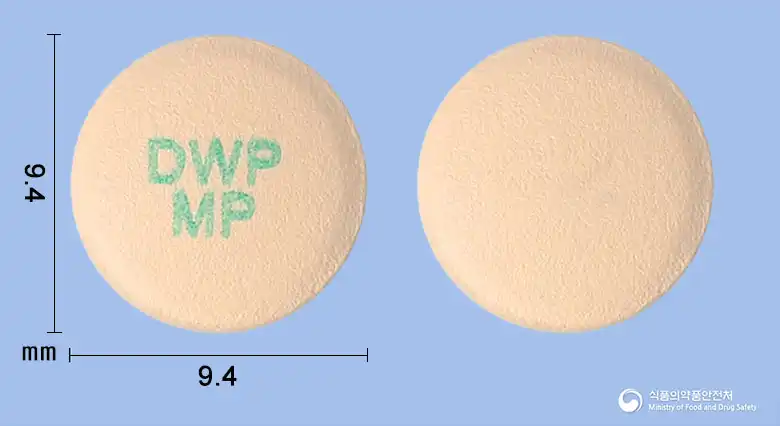 Combination
Montelukast Sodium 10.4mg · Levocetirizine Hydrochloride 5mg
Tablet · Prescription medication · Combination
DaeWon Pharmaceutical Co., Ltd.
Even with the same ingredient, the dose and directions can differ by strength and dosage form. Talk to a doctor or pharmacist before switching from a medication you are already taking.
No questions yet.
For anything that needs medical judgment, consult a doctor or pharmacist.
This drug information is based on data provided by the Korea Ministry of Food and Drug Safety.
Consult a doctor or pharmacist for accurate dosage, administration, and usage instructions.