
 한국어
한국어 English
 日本語
日本語 中文(简体)
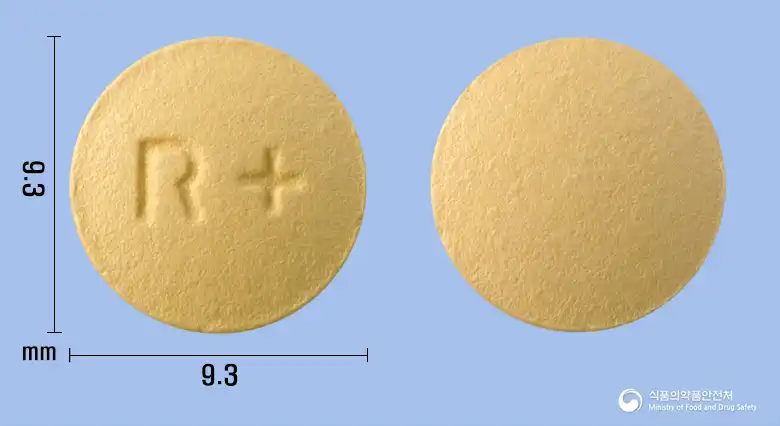 Viewing nowCombination
Raloxipirus Tablet
Raloxifene Hydrochloride 60mg · Cholecalciferol Concentrate Powder 8mg
Tablet · Prescription medication · Combination
Hana Pharmaceutical Co., Ltd.
MFDS item code 201707352 · Approved 2017.09.29 · Insurance code 657806100
Treatment and prevention of postmenopausal osteoporosis
This medication is used to treat and prevent osteoporosis that may occur in postmenopausal women. Osteoporosis is a condition where bones become weak and there is a higher risk of fractures, commonly occurring in women after menopause. This medication helps to increase bone strength and improve bone density, thereby reducing the risk of fractures. Therefore, it assists postmenopausal women in maintaining healthy bones and plays an important role in preventing complications from osteoporosis. For these reasons, it is effective in the treatment and prevention of osteoporosis in postmenopausal women.
Once daily, 1 tablet orally.
This medication may increase the risk of venous thromboembolism, where blood clots form in the blood vessels and can block them, so patients at risk for venous thromboembolism should carefully weigh the risks and benefits before administration. If restricted movement occurs, this medication should be discontinued and resumed only after movement has returned to normal following recovery. This medication is primarily metabolized in the liver, so it is not recommended for patients with impaired liver function, and those with elevated liver function test results should be monitored more closely during treatment. It has not been confirmed to be safe for premenopausal women and should not be used. While this medication does not affect the occurrence of myocardial infarction or stroke in postmenopausal women at high risk for cardiovascular disease, the risk of death due to stroke may be slightly increased, thus caution is needed for patients with a history of stroke. This medication should not be used for the purpose of preventing cardiovascular diseases, and concomitant use with systemic estrogen is not recommended. Women who are pregnant or may become pregnant, as well as nursing mothers, should not use this medication as it may harm the fetus or newborn. Patients with certain conditions, such as a history of venous thromboembolism, liver dysfunction, unexplained uterine bleeding, or symptoms of endometrial cancer, should not use this medication. Patients with genetic metabolic disorders such as lactose intolerance should not take this medication. Patients with high serum triglyceride levels, renal impairment, or restricted movement should be administered this medication carefully, and should consult their physician if necessary. During the use of this medication, side effects such as leg cramps, facial flushing, cold symptoms, and peripheral edema may occur, so patients should alert healthcare professionals about any unusual symptoms. This medication may interact with other drugs, so patients currently taking other medications should inform their doctor or pharmacist. It should not be used by pregnant or nursing women and is intended solely for postmenopausal women. It is not used in children as safety and efficacy have not been established. In the case of overdose, symptoms such as dizziness, leg cramps, and vomiting may occur, so it is important to adhere to the prescribed dosage and administration. This medication should be stored out of reach of children and should not be transferred to other containers.
Deep vein thrombosis, pulmonary embolism, retinal vein thrombosis, superficial venous thrombophlebitis, stroke, death associated with venous thromboembolism (VTE), thrombocytopenia, hypertension, headache including migraines, rash, arterial thromboembolism, retinal vein occlusion, stroke, serious allergic reactions, severe skin reactions, respiratory issues, liver abnormalities (jaundice), severe neurological symptoms, severe swelling or urinary disturbances.
Not everyone experiences these, and they can vary from person to person.
This medication should be stored in a closed container to protect it from air and moisture, and it is recommended to store it at room temperature between 1 to 30 degrees Celsius.
Yellow round film-coated tablet
30 tablets (10 tablets/PTP X 3)
Even with the same ingredient, strength, dosage form and how it is taken can differ.
Viewing nowCombinationRaloxifene Hydrochloride 60mg · Cholecalciferol Concentrate Powder 8mg
Tablet · Prescription medication · Combination
Hana Pharmaceutical Co., Ltd.
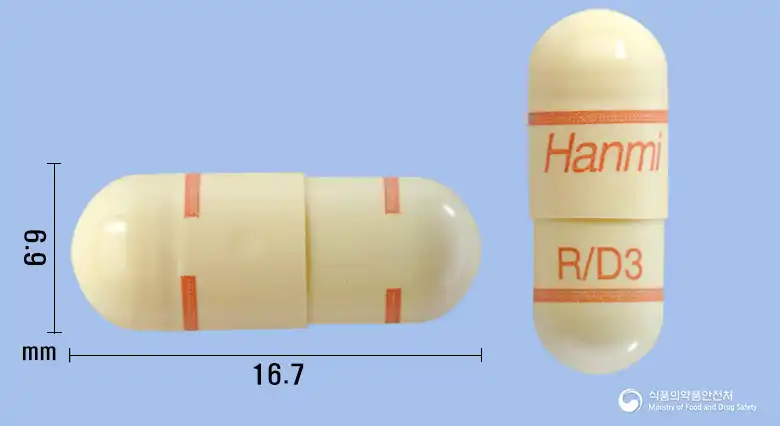 Combination
Raloxifene Hydrochloride 60mg · Cholecalciferol Concentrate Powder 8mg
Hard capsule · Prescription medication · Combination
Hanmi Pharmaceutical Co., Ltd.
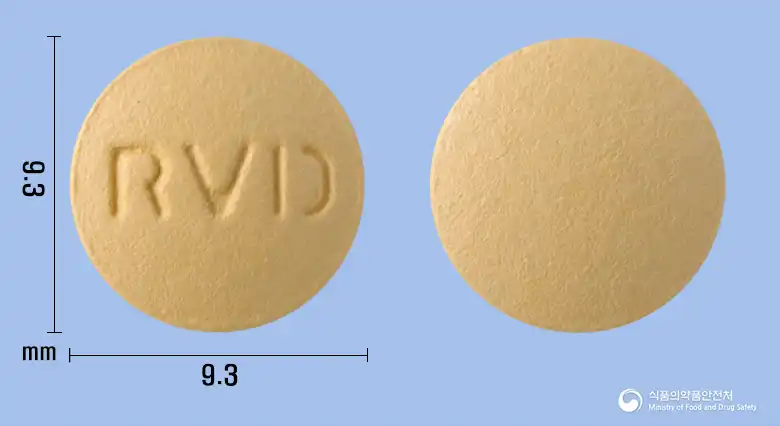 Combination
Raloxifene Hydrochloride 60mg · Cholecalciferol Concentrate Powder 8mg
Tablet · Prescription medication · Combination
Alvogen Korea Co., Ltd.
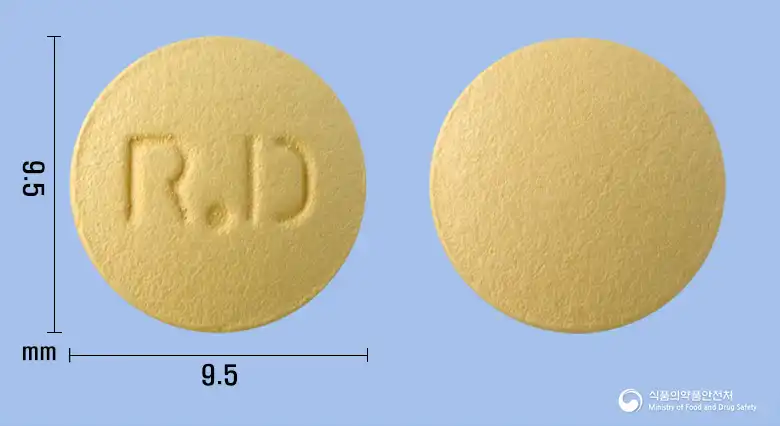 Combination
Raloxifene Hydrochloride 60mg · Cholecalciferol Concentrate Powder 8mg
Tablet · Prescription medication · Combination
Dongkwang Pharmaceutical Co., Ltd.
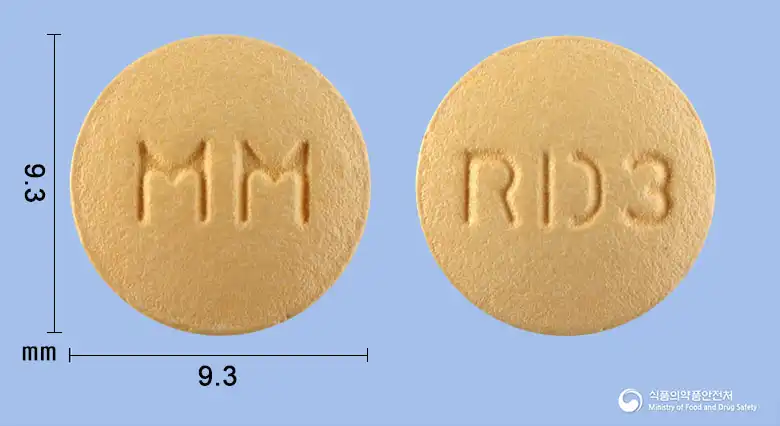 Combination
Raloxifene Hydrochloride 60mg · Cholecalciferol Concentrate Powder 8mg
Tablet · Prescription medication · Combination
Myungmoon Pharmaceutical Co., Ltd.
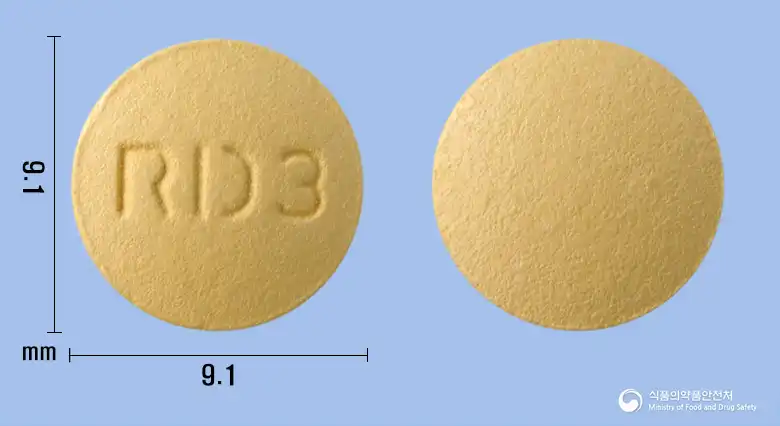 Combination
Raloxifene Hydrochloride 60mg · Cholecalciferol Concentrate Powder 8mg
Tablet · Prescription medication · Combination
LG Chem, Ltd.
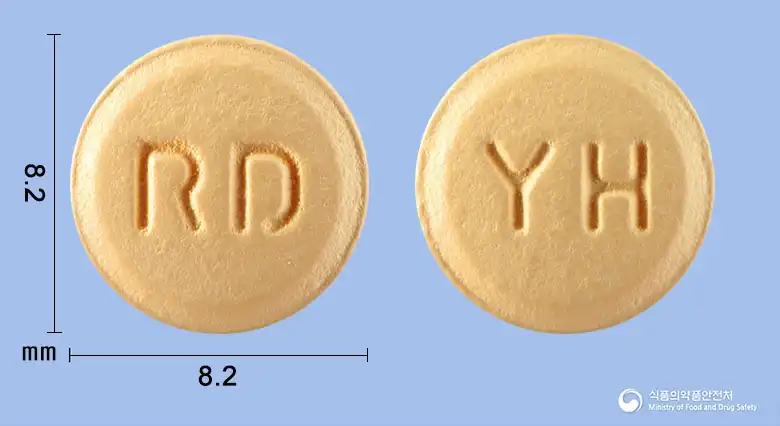 Combination
Raloxifene Hydrochloride 45mg · Cholecalciferol Concentrate Powder 8mg
Tablet · Prescription medication · Combination
Yuhan Corporation
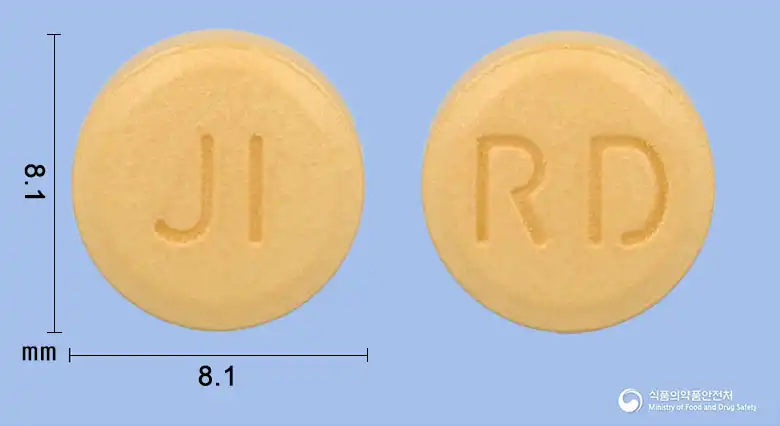 Combination
Raloxifene Hydrochloride 45mg · Cholecalciferol Concentrate Powder 8mg
Tablet · Prescription medication · Combination
Jeil Pharmaceutical Co., Ltd.
Even with the same ingredient, the dose and directions can differ by strength and dosage form. Talk to a doctor or pharmacist before switching from a medication you are already taking.
No questions yet.
For anything that needs medical judgment, consult a doctor or pharmacist.
This drug information is based on data provided by the Korea Ministry of Food and Drug Safety.
Consult a doctor or pharmacist for accurate dosage, administration, and usage instructions.