
 한국어
 English
 日本語
 中文(简体)
 Viewing nowCombination
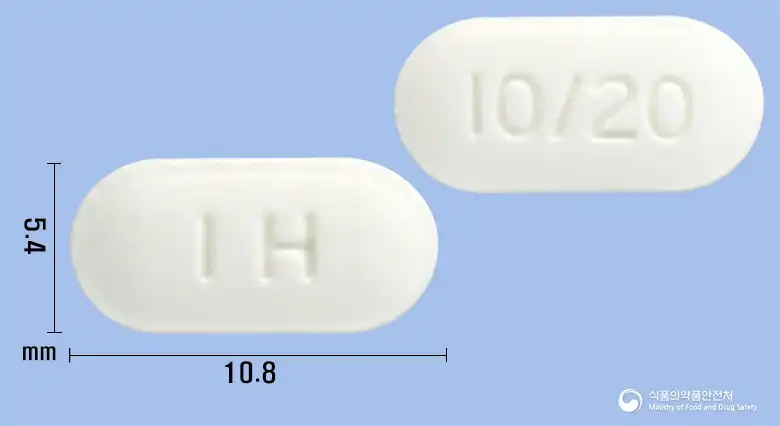
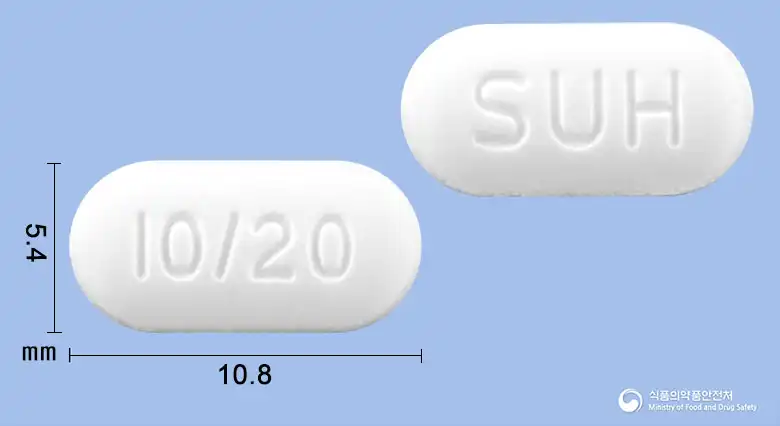
Ezestat Tablets 10/20
Ezetimibe 10mg · Simvastatin 20mg
Tablet · Prescription medication · Combination
Ilhwa Co., Ltd.
MFDS item code 201604669 · Approved 2016.07.28 · Insurance code 640903280
Improvement of hypercholesterolemia (primary and homozygous familial) and mixed dyslipidemia
This medication is used as an adjunct to diet to lower elevated total cholesterol, LDL-cholesterol, ApoB, and triglycerides, and to increase HDL-cholesterol in patients with primary hypercholesterolemia, homozygous familial hypercholesterolemia, and mixed hyperlipidemia. Specifically, it is used alone or in conjunction with other lipid-lowering therapies in patients with homozygous familial hypercholesterolemia to control blood cholesterol levels. This medication should be used along with an appropriate diet, including restriction of saturated fat and cholesterol, and is recommended for patients who do not respond adequately to diet alone. Before administration, it is important to identify and treat secondary causes of dyslipidemia such as diabetes, hypothyroidism, and chronic renal failure, if necessary. For patients with acute coronary events, lipid levels should be measured immediately after admission to inform treatment plans. This medication considers the risk factors in the treatment of dyslipidemia and assists in comprehensive blood lipid management.
Patients must follow a standard cholesterol-lowering diet before and during treatment with this medicine. The dose of this medicine should be adjusted according to the patient's baseline LDL-cholesterol level, recommended treatment target, and response. Administer this medicine once daily in the evening, with or without food. Patients with primary hypercholesterolemia The dose range of this medicine is 10/10mg~10/40mg once daily. The usual recommended starting dose is 10/20mg once daily. For patients who require a smaller reduction in LDL-cholesterol, treatment may be started at 10/10mg once daily. After starting this medicine or adjusting the dose, check blood lipid levels after an interval of at least 4 weeks and then adjust the dose. Because of the increased risk of myopathy, including rhabdomyolysis, particularly during the first year of treatment, the 10/80 mg dose of this medicine should be used only in patients who have been taking 10/80 mg of this medicine for 12 months or longer without evidence of muscle toxicity (see 1. Warnings under Precautions for Use). Patients with homozygous familial hypercholesterolemia The recommended dose for patients with homozygous familial hypercholesterolemia is 10/40mg once daily in the evening. This medicine is administered as an adjunct to other lipid-lowering treatments (e.g., LDL apheresis) or when other lipid-lowering treatments are not useful. Administration to patients with hepatic impairment No dose adjustment is necessary in patients with mild hepatic impairment; however, use of this medicine is not recommended in patients with moderate or severe hepatic impairment (see 5. General Precautions, Patients with Abnormal Liver Function, under Precautions for Use). Administration to patients with renal impairment and patients with chronic kidney disease No dose adjustment is necessary in patients with mild renal impairment (estimated glomerular filtration rate (GFR) ≥ 60mL/min/1.73㎡). In patients with chronic kidney disease and an estimated glomerular filtration rate < 60mL/min/1.73㎡, administer 10/20mg of this medicine once daily in the evening. Use caution and closely monitor these patients when administering this medicine at higher doses (see 5. General Precautions under Precautions for Use). Administration to older adults No dose adjustment is necessary when administering this medicine to older adults. Concomitant administration with other medicines (See 6. Interactions under Precautions for Use.) Administer this medicine at least 2 hours before or at least 4 hours after a bile acid sequestrant. Patients receiving this medicine concomitantly with verapamil, diltiazem, or dronedarone should not exceed 10/10mg/day of this medicine. Patients receiving this medicine concomitantly with amiodarone, amlodipine, or ranolazine should not exceed 10/20mg/day of this medicine.
This medication can cause serious muscle-related side effects such as myopathy and rhabdomyolysis, so if symptoms of muscle pain or weakness occur, the healthcare provider should be informed immediately. The risk of these side effects may increase, especially when taken in high doses or in combination with certain other medications. Patients allergic to any component of this medication or with severely impaired liver function, as well as women who are pregnant or breastfeeding, should not take this medication. Additionally, this medication should not be used in combination with certain strong CYP3A4 inhibitors or other specific drugs such as certain antifungals, antibiotics, or immunosuppressants. Patients with severe muscle weakness or ocular muscle weakness should also use this medication cautiously, and it should be discontinued immediately if any adverse symptoms appear. This medication should be used with caution in patients with liver dysfunction, and administration should be stopped if elevated liver enzyme levels or symptoms of liver damage occur. Regular blood tests to monitor liver function and muscle enzyme levels are recommended during treatment. Pregnant women or women who may become pregnant should avoid this medication, and if pregnancy is confirmed, administration should be stopped immediately. Breastfeeding women should also discontinue breastfeeding while taking this medication. The safety of this medication has not been fully established in children and adolescents, so it should be used with caution, and elderly patients should be monitored carefully while using it. During the use of this medication, it is important to inform healthcare providers of its use when new medications are prescribed, and it is advisable to avoid certain foods such as grapefruit juice.
Not everyone experiences these, and they can vary from person to person.
This medication is sensitive to air and moisture, so it should be stored in a tightly sealed container. It is advisable to maintain a storage temperature between 1°C and 30°C.
White to off-white, double convex, rectangular tablet
30 tablets (10 tablets/PTPX3)
Even with the same ingredient, strength, dosage form and how it is taken can differ.
Viewing nowCombinationEzetimibe 10mg · Simvastatin 20mg
Tablet · Prescription medication · Combination
Ilhwa Co., Ltd.
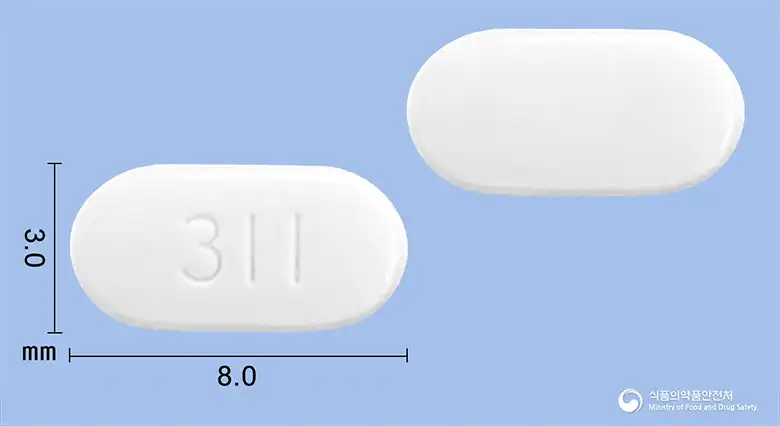 Combination
Simvastatin 10mg · Ezetimibe 10mg
Tablet · Prescription medication · Combination
Korea Organon Co., Ltd.
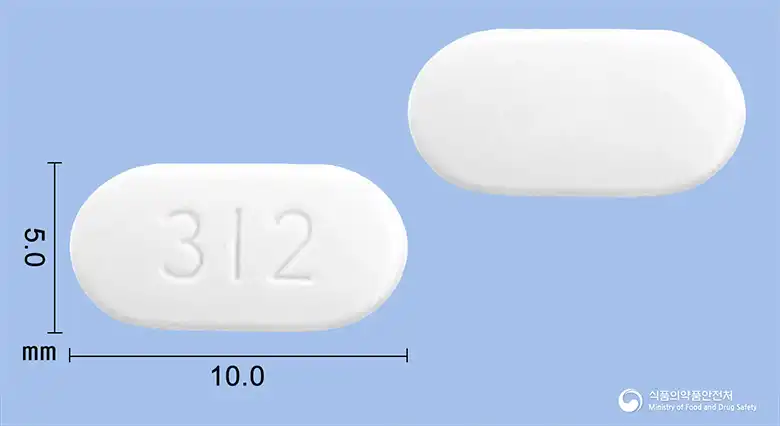 Combination
Simvastatin 20mg · Ezetimibe 10mg
Tablet · Prescription medication · Combination
Korea Organon Co., Ltd.
 Combination
Simvastatin 40mg · Ezetimibe 10mg
Tablet · Prescription medication · Combination
Korea Organon Co., Ltd.
Ezetimibe 10mg · Simvastatin 10mg
Tablet · Prescription medication · Combination
Boryung Pharmaceutical Co., Ltd.
Ezetimibe 10mg · Simvastatin 20mg
Tablet · Prescription medication · Combination
Boryung Pharmaceutical Co., Ltd.
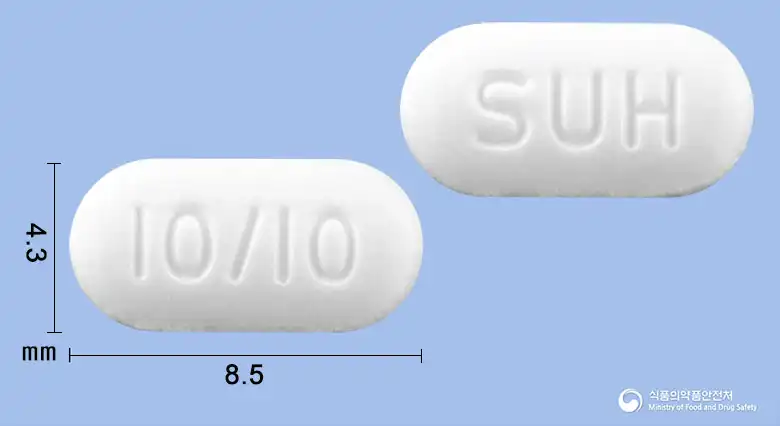 Combination
Ezetimibe 10mg · Simvastatin 10mg
Tablet · Prescription medication · Combination
Suhung Co., Ltd.
 Combination
Ezetimibe 10mg · Simvastatin 20mg
Tablet · Prescription medication · Combination
Seohung Co., Ltd.
Even with the same ingredient, the dose and directions can differ by strength and dosage form. Talk to a doctor or pharmacist before switching from a medication you are already taking.
No questions yet.
For anything that needs medical judgment, consult a doctor or pharmacist.
This drug information is based on data provided by the Korea Ministry of Food and Drug Safety.
Consult a doctor or pharmacist for accurate dosage, administration, and usage instructions.