
 한국어
 English
 日本語
 中文(简体)
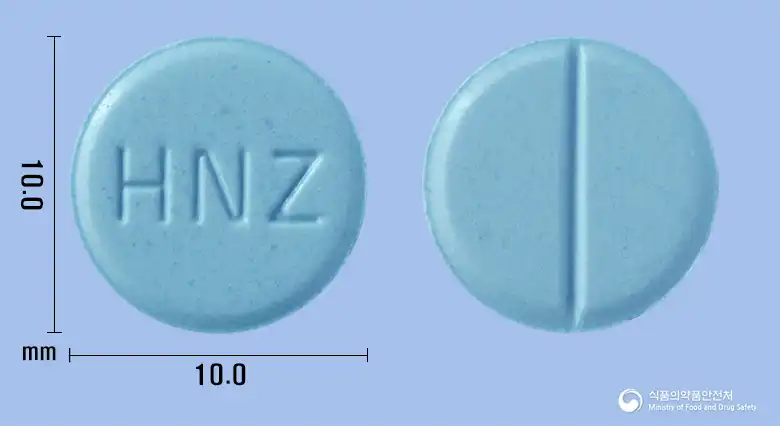 Viewing now
Acycliz Tablets (Acyclovir)
Acyclovir 200mg
Tablet · Prescription medication
Hyunse Meditec Co., Ltd.
MFDS item code 201603945 · Approved 2016.06.27 · Insurance code 670401320
Treatment and prevention of herpes simplex, treatment of herpes zoster, and treatment of chickenpox in children aged 2 years and older
This medication is used to treat and prevent initial or recurrent genital herpes and herpes simplex virus infections affecting the skin or mucous membranes. It is also effective in treating herpes zoster virus infections, especially in relieving acute pain. However, the effectiveness for postherpetic neuralgia has not been clearly established. It is also utilized for the treatment of chickenpox in children over the age of 2. Thus, it is effectively used against various viral infections.
○ Adults 1. Treatment of herpes simplex virus infections 1) Administer acyclovir at 200 mg per dose 5 times daily at 4-hour intervals for 5 days. Treatment may be extended for severe initial infections. 2) In patients with severe immunocompromise (e.g., after bone marrow transplantation) or gastrointestinal malabsorption, the dose may be increased to 400 mg per dose or the route of administration may be changed to intravenous injection. 3) Treatment should be started as soon as possible after infection; for recurrent infections, it is preferable to start when prodromal symptoms or lesions first appear. 2. Prevention of herpes simplex infections in patients with normal immune function 1) Administer 200 mg per dose 4 times daily at approximately 6-hour intervals. Alternatively, 400 mg per dose may be administered twice daily at 12-hour intervals. 2) The dose may then be reduced to 200 mg per dose 2 ~ 3 times daily after confirming efficacy. 3) To determine the natural course of the disease, long-term treatment should be interrupted periodically every 6 ~ 12 months for evaluation. 3. Prevention of herpes simplex infections in immunocompromised patients 1) Administer 200 mg per dose 4 times daily at approximately 6-hour intervals. 2) In patients with severe immunocompromise (e.g., after bone marrow transplantation) or gastrointestinal malabsorption, the dose may be increased to 400 mg per dose or the route of administration may be changed to intravenous injection. 3) Administer during the period of risk of infection. 4. Treatment of herpes zoster infections 1) Administer 800 mg per dose 5 times daily at approximately 4-hour intervals, excluding bedtime, for a total of 7 days. 2) Intravenous administration should be considered for patients with severe immunocompromise or gastrointestinal malabsorption. 3) Treatment should be started as soon as possible after infection; the sooner treatment is started, the better the effect. ○ Patients with renal impairment Patients with renal impairment are more susceptible to adverse reactions involving the central nervous system; therefore, use caution, for example, by extending the dosing interval or reducing the dose. 1. Treatment of herpes simplex infections The oral dose is generally not higher than the amount accumulated with intravenous injection. However, in patients with severe renal impairment (creatinine clearance less than 10 mL/min), it is preferable to administer 200 mg of this medicine every 12 hours. 2. Treatment of herpes zoster virus infections 1) For patients with creatinine clearance less than 10 mL/min, it is preferable to reduce the dose to 800 mg per dose twice daily, at approximately 12-hour intervals. 2) For patients with creatinine clearance of 10 ~ 25 mL/min, it is preferable to reduce the dose to 800 mg per dose 3 times daily, at approximately 8-hour intervals.
○ Children 1. Treatment of herpes simplex infections and prevention of herpes simplex infections in immunocompromised patients Age 2 years or older: Same as for adults. Under 2 years: Administer 1/2 of the adult dose. There are currently no reliable data on the prevention of herpes simplex virus infections in patients with normal immune function. 2. Treatment of chickenpox in children aged 2 years or older: Administer 20 mg/kg body weight per dose (maximum 800 mg per dose) 4 times daily for 5 days. Treatment should be started as soon as possible after the chickenpox rash appears, preferably within 24 hours of rash onset.
This medication should not be used in patients with a history of allergic reactions to this drug or its components, or to valacyclovir. Patients with impaired kidney function should take caution as there is a higher likelihood of psychiatric adverse reactions when using this drug. Patients with weak liver function should be cautious as this medication could further impair liver function. This drug should be used very carefully in infants and children, and caution is also required for the elderly as they may exhibit adverse reactions more easily. While taking this medication, serious allergic reactions such as anaphylactic shock can occur rarely, so symptoms should be carefully monitored. If there's a drop in blood pressure or difficulty in breathing, the medication should be stopped immediately and medical assistance sought. If any skin rashes, fever, vesicles, or urticaria are observed, discontinue use and seek appropriate medical treatment. Severe skin reactions, such as alopecia or dermatitis, and in severe cases, Stevens-Johnson syndrome could occur, so skin condition should be monitored closely. Various neurological symptoms, such as mental confusion, hallucinations, seizures, drowsiness, and anxiety can manifest, particularly more frequently in patients who are elderly or have impaired kidney function. Kidney issues might arise, leading to symptoms such as renal failure, hematuria, or proteinuria, making regular checks of kidney status important. Blood-related issues can lead to anemia, leukopenia or leukocytosis, and bleeding, necessitating blood tests to monitor status. Hepatitis, jaundice, and hepatic dysfunction may occur, requiring attention to liver health while taking this medication. Gastrointestinal symptoms may include gastritis, nausea, vomiting, diarrhea, and abdominal pain; monitoring digestive status is important. Systemically, fever or weakness, and headache might present, requiring reporting of any changes in overall health status. Musculoskeletal symptoms such as joint pain or muscle pain can result. Cardiac effects, such as irregular heartbeats, blood pressure alterations, and chest pain may occur rarely, requiring careful cardiovascular monitoring. Urinary disturbances may arise; hence if any difficulty in urination is sensed, it's advisable to inform medical personnel. Hydration is essential during treatment, particularly to prevent dehydration when high doses are administered. If symptoms do not improve or worsen, alternative therapies should be considered, as this drug is most effective when administered at the onset of symptoms. For patients with compromised immune function, intravenous administration may be recommended for treatment. This medication needs to be used with caution when operating vehicles or dangerous machinery, especially since patients with impaired kidney function may experience altered consciousness more readily. Drug interactions may occur when used concurrently with other medications, so especially when combined with medications impacting kidney function or specific drugs, consultation with a healthcare provider is necessary. Pregnant women or those who may become pregnant should use this medication only if its benefits outweigh the risks to the fetus, and nursing mothers should cease breastfeeding while on this medication. In infants or children, use should be minimal and as necessary; especially in newborns or low birth weight infants, caution is required as safety is not yet established. Elderly patients may retain the drug in their body longer due to decreased kidney function, necessitating dose and interval adjustments along with ensuring adequate hydration. Overdose may cause kidney damage and can lead to serious symptoms like coma or seizures, thus immediate medical assistance is required, with potential for blood dialysis being necessary. Prolonged high-dose use of this medication could potentially affect genetic traits or reproductive function, so adherence to recommended dosing is advised.
Not everyone experiences these, and they can vary from person to person.
This medication should be stored in a tightly closed container to protect it from air and moisture. It is best kept at a temperature between 1 to 30 degrees Celsius.
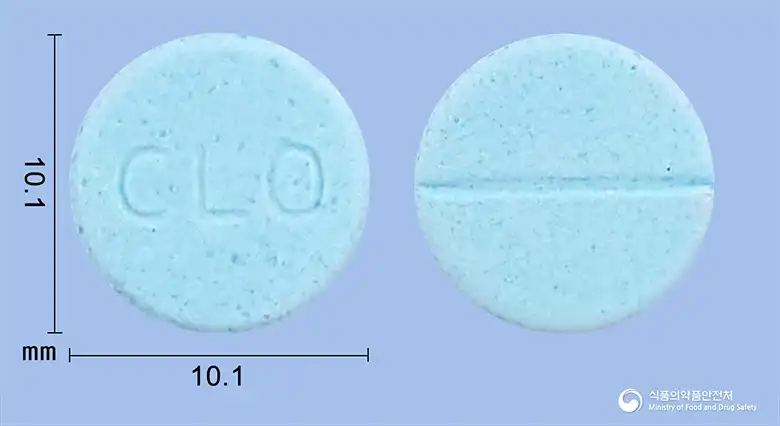
Light blue round tablet
30 tablets/bottle, 200 tablets/bottle
Even with the same ingredient, strength, dosage form and how it is taken can differ.
Viewing nowAcyclovir 200mg
Tablet · Prescription medication
Hyunse Meditec Co., Ltd.
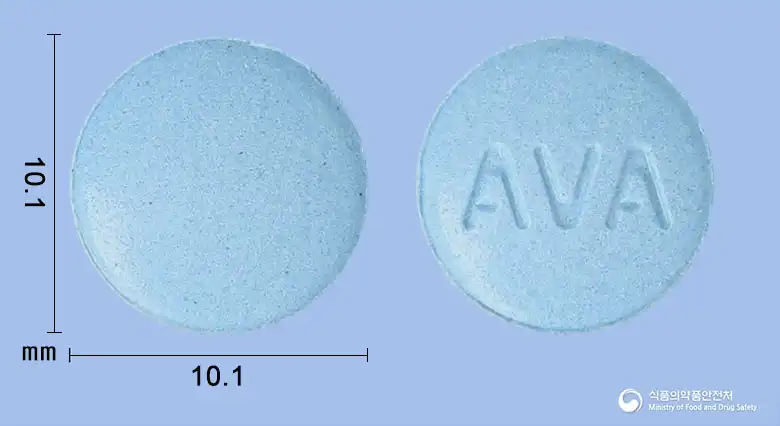
Acyclovir 200mg
Tablet · Prescription medication
Kyung dong Pharm Co., Ltd.
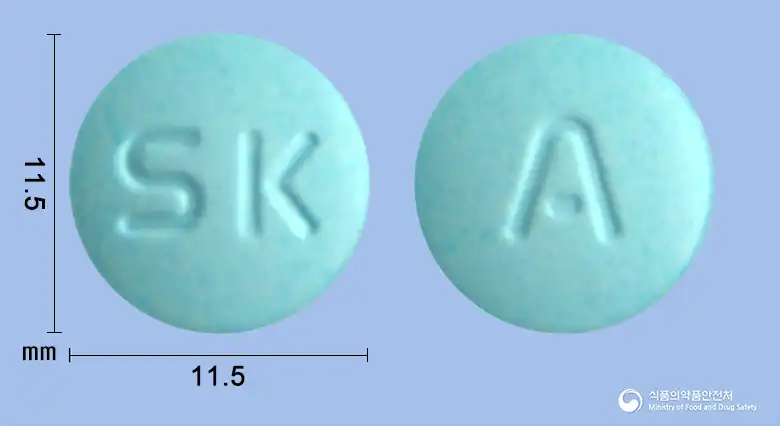
Acyclovir 200mg
Tablet · Prescription medication
SK Chemicals Co., Ltd.
Acyclovir
Prescription medication
Baskan Biopharmaceutical Co., Ltd.
Acyclovir 50mg
Cream · OTC medication
Dongkwang Pharmaceutical Co., Ltd.
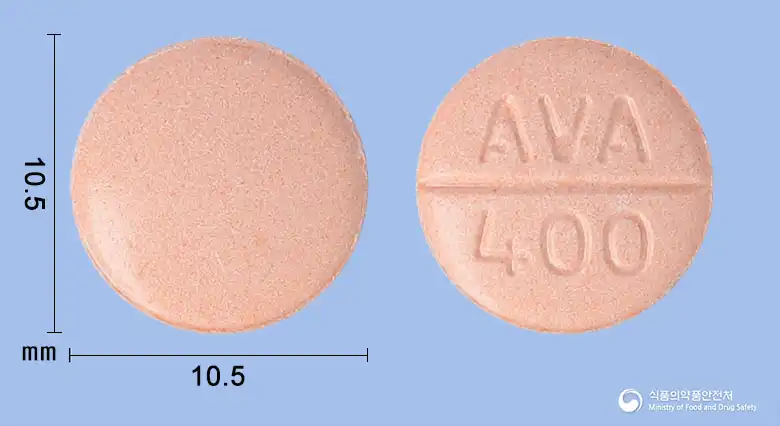
Acyclovir 400mg
Tablet · Prescription medication
Kyung dong Pharm Co., Ltd.
Acyclovir 50mg
Cream · OTC medication
Kyungdong Pharmaceutical Co., Ltd.
Acyclovir 200mg
Tablet · Prescription medication
Vivozon Pharmaceutical Co., Ltd.
Even with the same ingredient, the dose and directions can differ by strength and dosage form. Talk to a doctor or pharmacist before switching from a medication you are already taking.
No questions yet.
For anything that needs medical judgment, consult a doctor or pharmacist.
This drug information is based on data provided by the Korea Ministry of Food and Drug Safety.
Consult a doctor or pharmacist for accurate dosage, administration, and usage instructions.