
 한국어
 English
 日本語
 中文(简体)
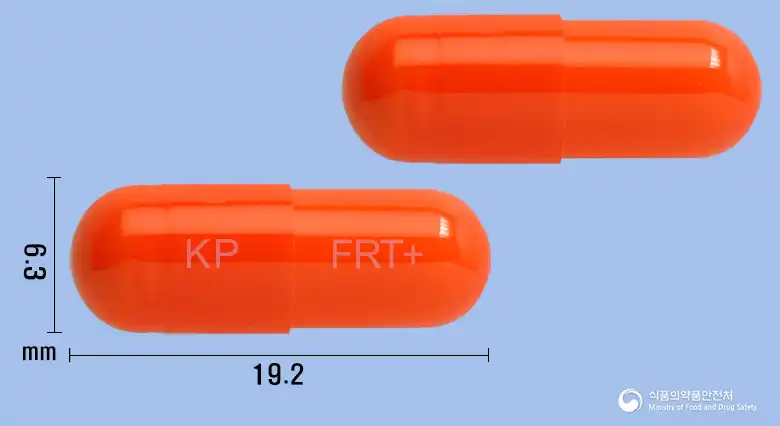 Viewing nowCombination
Pretoplus Capsule
Clopidogrel Bisulfate 97.875mg · Aspirin Enteric Pellets 122mg
Hard capsule · Prescription medication · Combination
Korea Pharma Co., Ltd.
MFDS item code 201603100 · Approved 2016.05.31
Improvement of atherosclerotic symptoms and prevention of atherothrombosis and thromboembolism
Clopidogrel and aspirin are administered to patients with acute coronary syndrome, specifically unstable angina or non-ST elevation myocardial infarction. This medication improves atherosclerotic symptoms due to cardiovascular disorders, including death, myocardial infarction, and stroke, particularly for patients who have undergone drug therapies, coronary interventions, or coronary artery bypass surgeries. Additionally, it is used to reduce the risk of stroke and thromboembolism in patients with atrial fibrillation who have one or more vascular risk factors and for whom vitamin K antagonists are not appropriate. By administering these two agents together, the prevention of cardiovascular events is aided. Therefore, clopidogrel and aspirin are important therapeutic agents for patients at risk for cardiovascular diseases.
Administer 1 capsule once daily.
This medication acts to prevent blood clotting and may prolong the time it takes for bleeding to stop. Therefore, if bleeding persists abnormally long or is severe, medical attention should be sought immediately. Before taking new medications or undergoing surgery, patients must inform their healthcare providers that they are on this medication. Individuals with genetically reduced functionality of certain enzymes may experience decreased effectiveness of this medication, increasing the risk of cardiovascular disease, and should take caution. Concurrent use of this medication with substances that activate certain enzymes may increase the risk of bleeding; hence, such combinations should be avoided. Those who regularly consume substantial amounts of alcohol should consult a doctor or pharmacist due to an increased risk of gastrointestinal bleeding when taking this medication. This medication should not be taken by individuals allergic to any of its components, or those with bleeding disorders, severe hepatic or renal impairment, during late pregnancy, or while breastfeeding. Patients with a history of gastrointestinal bleeding or bleeding tendencies may experience an increased risk of bleeding while taking this medication and should be carefully monitored by a doctor. Patients scheduled for surgery should discontinue this medication 5 to 7 days prior and may resume once hemostasis has been confirmed post-surgery. Taking this medication in conjunction with other antiplatelet agents, anticoagulants, or non-steroidal anti-inflammatory drugs may further increase bleeding risk, so caution is advised. During treatment, immediate medical attention should be sought if symptoms such as gastrointestinal bleeding, skin rash, or difficulty breathing occur. In early or mid-pregnancy, this medication should only be administered if the benefits outweigh the risks, and it should not be taken in late pregnancy. It is safest not to take this medication while breastfeeding as it may be excreted in breast milk. Overdose may increase bleeding risk and, as there is no specific antidote, treatment such as platelet transfusion may be necessary in cases of severe bleeding. This medication requires special caution in children and adolescents, particularly as dangerous side effects can occur during viral infections. When storing this medication, keep it out of reach of children, store it at room temperature, and do not transfer it to another container.
Abnormal bleeding, gastrointestinal bleeding, gastric ulcer, hemorrhagic arthropathy, hematoma, hematuria, intraocular hemorrhage, intracranial hemorrhage, purpura, nasal bleeding, neutropenia, agranulocytosis, aplastic anemia, thrombocytopenia, diarrhea, abdominal pain, dyspepsia, nausea, vomiting, rash, pruritus, impaired platelet function, shock, symptoms of anaphylaxis, dyspnea, generalized flushing, angioedema, urticaria, rhinitis, conjunctivitis, fixed drug eruption, drug reaction with eosinophilia and systemic symptoms (DRESS syndrome), Liel syndrome, Stevens-Johnson syndrome, exfoliative dermatitis, loss of appetite, heartburn, gastric pain, tinnitus, hearing loss, dizziness, headache, agitation, elevated liver enzymes, liver damage, chronic hepatitis, renal impairment, acute renal failure, hyperventilation, metabolic acidosis, confusion, hallucinations, taste alterations, loss of taste, vasculitis, hypotension, bronchospasm, interstitial pneumonia, eosinophilic pneumonia, colitis, pancreatitis, gastritis, stomatitis, hepatitis, acute liver failure, herpes zoster, erythematous rash, maculopapular rash, urticaria, angioedema, vesicular dermatitis, drug-induced hypersensitivity syndrome, eczema, lichen planus, arthralgia, arthritis, myalgia, glomerular disease, gynecomastia, fever, abnormal liver function tests, increased serum creatinine, reduced exercise tolerance, tremor, voice disorder, abnormal gait, hyperactivity, ataxia, sensory disturbances, insomnia, depression, amnesia, anxiety, somnolence, thought disorder, abnormal behavior, weight loss, weight gain, flushing, weakness, rigidity, facial swelling, syncope, hematochezia, hemoptysis, muscle bleeding, gum bleeding, cough, dyspnea, rhinitis, visual disturbances, field defects, dry eye syndrome, transient blindness, congestion, tinnitus, urinary disorders, pollakiuria, non-protein nitrogen increase, uremia, increased blood urea nitrogen, hypoglycemia, hyperuricemia, leg edema, arrhythmia, bradycardia, palpitations, contact dermatitis, increased prostate-specific antigen, thrombocytopenia, impaired platelet function, thrombocytopenia, impaired platelet function, thrombocytopenia, impaired platelet function, thrombocytopenia
Not everyone experiences these, and they can vary from person to person.
This medication should be stored in a sealed container to protect it from air and moisture. The storage temperature should be maintained between 1 to 30 degrees Celsius at room temperature. Proper storage conditions will ensure the medication's efficacy is maintained safely.
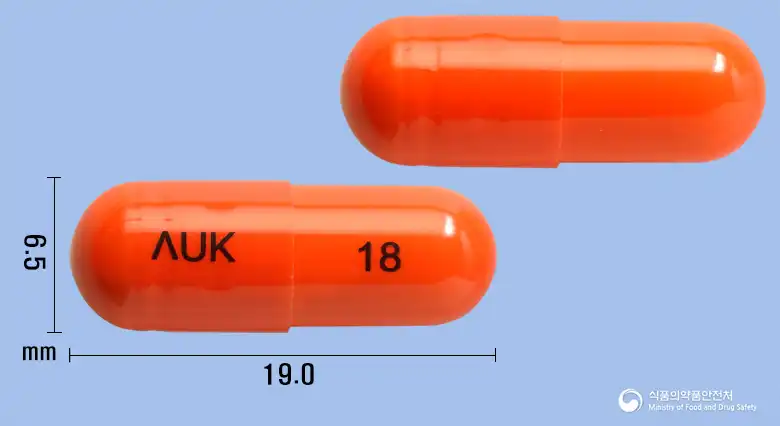
An orange hard capsule containing white or pale yellow granules and enteric-coated pellets.
30 capsules/bottle, 300 capsules/bottle
Even with the same ingredient, strength, dosage form and how it is taken can differ.
Viewing nowCombinationClopidogrel Bisulfate 97.875mg · Aspirin Enteric Pellets 122mg
Hard capsule · Prescription medication · Combination
Korea Pharma Co., Ltd.
Clopidogrel Bisulfate 97.875mg · Aspirin Enteric Pellets 122mg
Hard capsule · Prescription medication · Combination
Jinyang Pharmaceutical Co., Ltd.
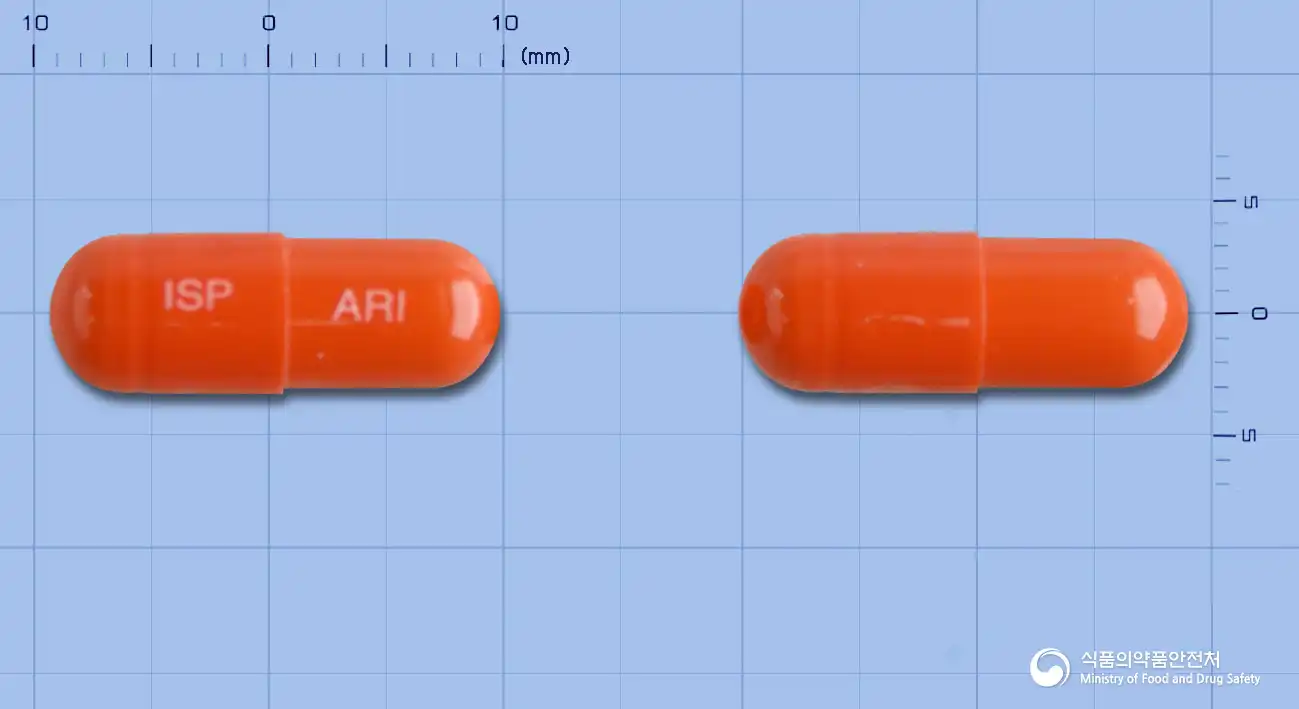 Combination
Clopidogrel Bisulfate 97.875mg · Aspirin Enteric Pellets 122mg
Hard capsule · Prescription medication · Combination
Huons Co., Ltd.
Clopidogrel Bisulfate 97.875mg · Aspirin Enteric Pellets 122mg
Hard capsule · Prescription medication · Combination
Boryeong Biopharma Co., Ltd.
Clopidogrel Bisulfate 97.875mg · Aspirin Enteric Pellets 122mg
Hard capsule · Prescription medication · Combination
Celltrion Pharmaceutical Co., Ltd.
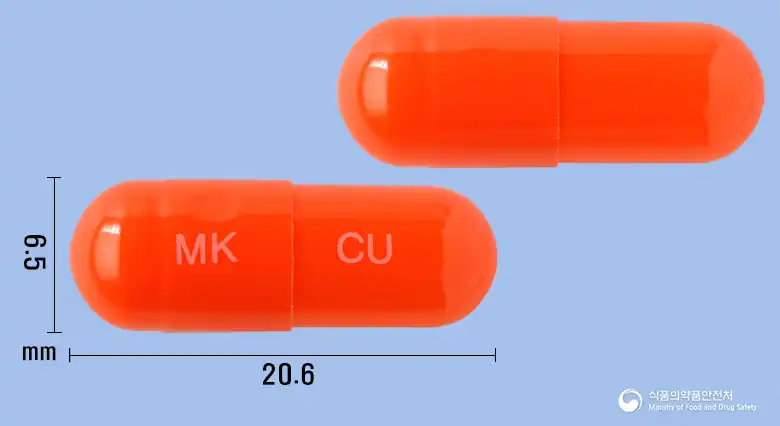 Combination
Clopidogrel Bisulfate 97.875mg · Aspirin Enteric Pellets 122mg
Hard capsule · Prescription medication · Combination
Medica Korea Co., Ltd.
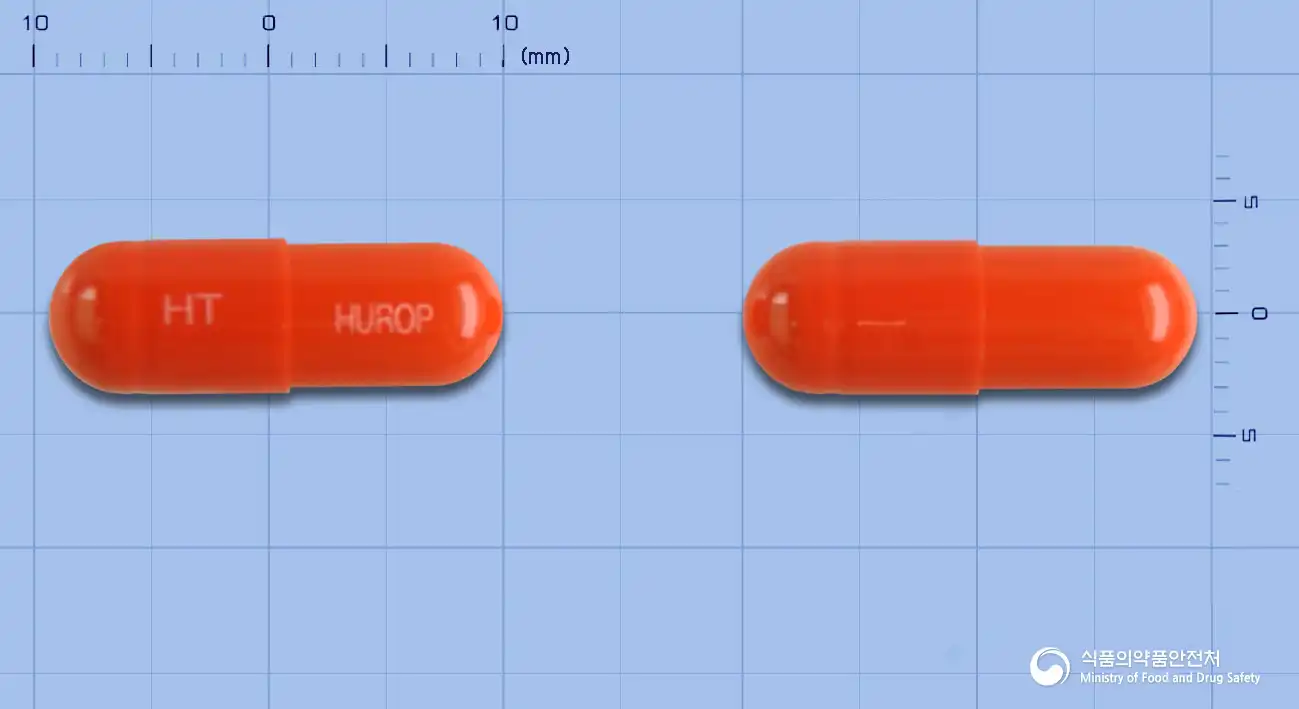 Combination
Clopidogrel Bisulfate 97.875mg · Aspirin Enteric Pellets 122mg
Hard capsule · Prescription medication · Combination
Korea Hutex Pharmaceutical Co., Ltd.
 Combination
Clopidogrel Bisulfate 97.875mg · Aspirin Enteric Pellets 122mg
Hard capsule · Prescription medication · Combination
Os Korea Pharmaceutical Co., Ltd.
Even with the same ingredient, the dose and directions can differ by strength and dosage form. Talk to a doctor or pharmacist before switching from a medication you are already taking.
No questions yet.
For anything that needs medical judgment, consult a doctor or pharmacist.
This drug information is based on data provided by the Korea Ministry of Food and Drug Safety.
Consult a doctor or pharmacist for accurate dosage, administration, and usage instructions.