
 한국어
 English
 日本語
 中文(简体)
 Viewing now
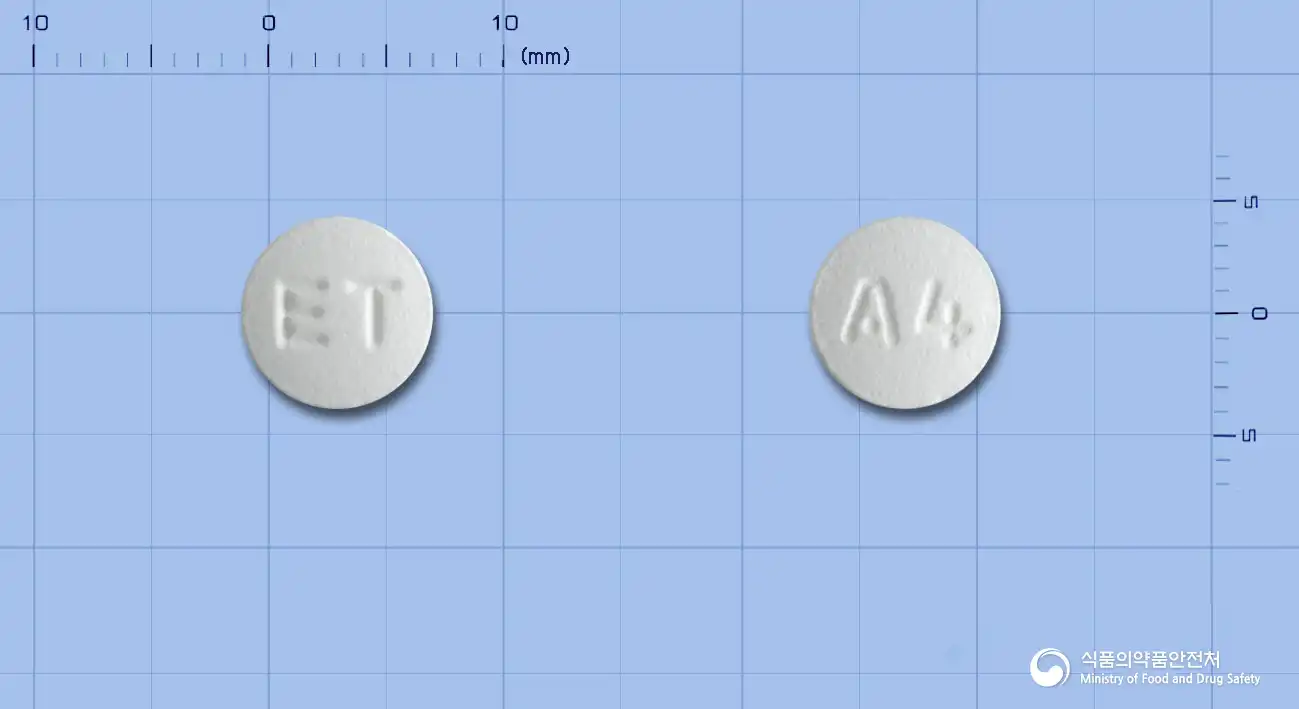
Refrex Tablets 100 mg (Levofloxacin Hydrate)
Levofloxacin Hydrate 100mg
Tablet · Prescription medication
TeraGen Biotech Co., Ltd.
MFDS item code 201506122 · Approved 2015.08.27 · Insurance code 698503180
Treatment of respiratory, skin, eye, ear, nose and throat, dental, genitourinary, intestinal, and biliary tract infections
This medication is effective against various bacteria such as Staphylococcus, Streptococcus pneumoniae, and Escherichia coli, and is used for complicated skin and soft tissue infections, secondary infections of chronic respiratory diseases, acute pyelonephritis and urinary tract infections, bacterial dysentery and enteritis, infections related to the uterus and eyes, otitis media, sinusitis, periodontitis, as well as cholecystitis and cholangitis. This drug is especially used cautiously in cases of chronic bronchitis, exacerbations of chronic obstructive pulmonary disease, and simple urinary tract infections where other treatments are difficult. To ensure safety, it must be taken under medical supervision due to the possibility of serious adverse reactions. Overall, it is an effective medication for treating various infectious diseases and alleviating symptoms of infection.
○ Usual adult dose: Administer levofloxacin 100 mg orally 2~3 times daily. For severe cases or patients with an insufficient response, administer 200 mg of this medicine 3 times daily. Adjust the dose as appropriate according to age and symptoms.
This drug is a fluoroquinolone antibiotic that may cause serious side effects including tendonitis or tendon rupture, peripheral neuropathy, central nervous system abnormalities, and worsening of myasthenia gravis. If such symptoms occur, the medication should be stopped immediately, and patients with a history of myasthenia gravis should not use this drug. While this drug is used to treat specific bacterial infections, it is recommended to administer it only when other treatment options are not available. Care should be taken with elderly patients or those with reduced renal function, and when used in combination with corticosteroids, the risk of tendon rupture may increase. Additionally, this drug may increase the risk of seizures, so it should be used cautiously in patients with epilepsy or a history of seizures. Patients who have had allergic reactions to this drug or have a previous history of tendonitis, tendon rupture, patients under 18 years of age, pregnant women, nursing mothers, and those with epilepsy should not be treated with it. During administration, various side effects may occur, such as allergic reactions, psychiatric symptoms, cardiac rhythm abnormalities, renal and liver dysfunction, blood disorders, gastrointestinal disturbances, and skin reactions, so any abnormal symptoms should be discussed with a healthcare professional immediately. This drug can cause photosensitivity reactions, so it is advisable to avoid strong sunlight or artificial UV exposure. Caution should be taken when driving or operating machinery as dizziness or drowsiness may occur. Furthermore, this drug may interact with other medications, so patients should inform healthcare professionals about any other medications they are taking. Diabetic patients on glucose-lowering medications should closely monitor blood sugar levels, and if symptoms of hypoglycemia occur, they should seek immediate treatment. Women who are pregnant or may become pregnant, as well as nursing women, should not use this drug, and it should not be given to growing children and adolescents.
Tendinitis, tendon rupture, peripheral neuropathy, central nervous system effects, exacerbation of myasthenia gravis, shock, hypotension, respiratory distress, chest tightness, hypersensitivity reactions, anaphylactic reactions, cardiovascular collapse, hypotensive shock, seizures, loss of consciousness, paresthesia, angioedema, airway obstruction, urticaria, pruritus, rapid heartbeat, dysphagia, severe skin reactions, photosensitivity reactions, insomnia, dizziness, headache, tremors, anxiety, depression, psychotic reactions, hallucinations, paranoia, hyperesthesia, delirium, disorientation, attention deficit, nightmares, sleep disorders, suicidal thoughts, agitation, confusion, convulsions, visual impairment, hearing impairment, taste disorder, smell disorder, auditory hallucinations, mania, sensory disturbance, sensory loss, sensory dysfunction, weakness, palpitations, QT interval prolongation, arrhythmia, Torsades de pointes, elevated BUN, increased serum creatinine, acute renal failure, elevated liver enzymes, acute liver necrosis, acute liver failure, severe hepatitis, liver dysfunction, jaundice, elevated ALP, increased γ-GTP, elevated total bilirubin, leukopenia, anemia, decreased hemoglobin, reduced hematocrit, eosinophilia, pancytopenia, anemia, hemolytic anemia, thrombocytopenia, agranulocytosis, bone marrow failure, nausea, vomiting, abdominal discomfort, diarrhea, loss of appetite, abdominal pain, abdominal distension, dyspepsia, stomatitis, glossitis, thirst, constipation, pseudomembranous colitis, colitis with blood in stool, myalgia, weakness, elevated CPK, increased myoglobin, rhabdomyolysis, arthralgia, tendinitis, tendon rupture, myotonic contractions, muscle weakness, Stevens-Johnson syndrome, toxic epidermal necrolysis, eosinophilia, drug reactions with systemic symptoms, excessive skin pigmentation, fever, cough, abnormal chest X-ray, interstitial pneumonia, allergic pneumonia, glucose metabolism disorders, vaginitis, insomnia, bloating, pruritus, rash, genital candidiasis, candidiasis, taste distortion, fungal infection, genital itching, neurosis, erythematous rash, drowsiness, agitation, thirst, allergic reactions, aneurysm, aortic dissection, heart valve regurgitation, heart valve insufficiency, syndrome of inappropriate antidiuretic hormone secretion
Not everyone experiences these, and they can vary from person to person.
This medication should be stored in a tightly sealed container to protect it from air and moisture. It is important to maintain a storage temperature between 1 degree and 30 degrees Celsius.
White round film-coated tablet
30 tablets/bottle, 100 tablets/bottle
Even with the same ingredient, strength, dosage form and how it is taken can differ.
Viewing nowLevofloxacin Hydrate 100mg
Tablet · Prescription medication
TeraGen Biotech Co., Ltd.
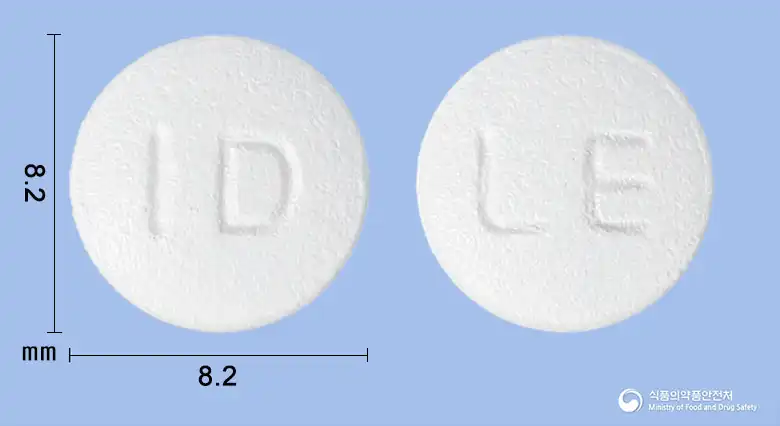
Levofloxacin Hydrate 100mg
Tablet · Prescription medication
Ildong Pharmaceutical Co., Ltd.
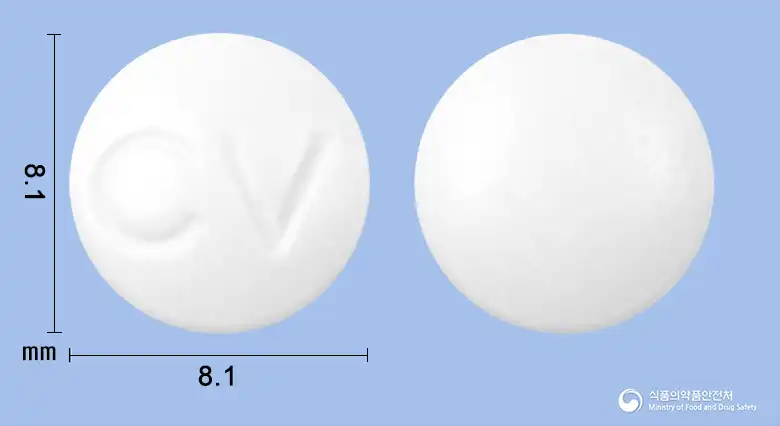
Levofloxacin 100mg
Tablet · Prescription medication
Jeil Pharmaceutical Co., Ltd.
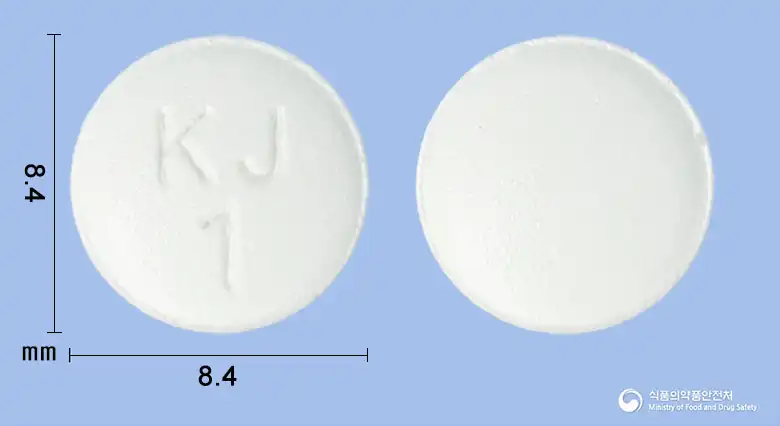
Levofloxacin Hydrate 100mg
Tablet · Prescription medication
International Pharmaceuticals Co., Ltd.
Levofloxacin 5.1246mg
Prescription medication
Jeil Pharmaceutical Co., Ltd.
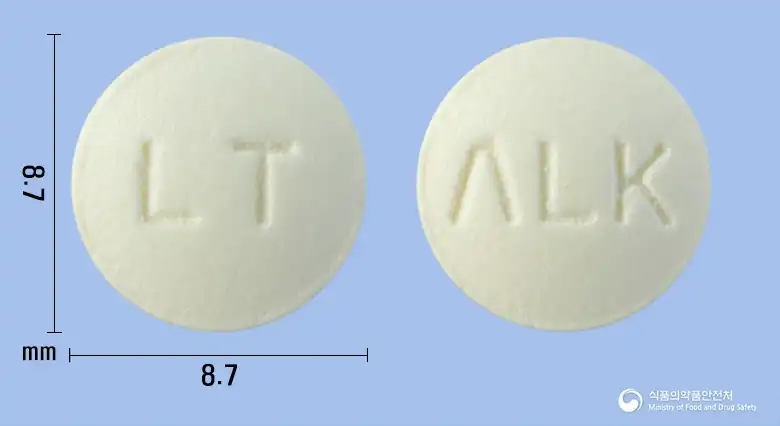
Levofloxacin Hydrate 100mg
Tablet · Prescription medication
SS Pharm Co., Ltd.
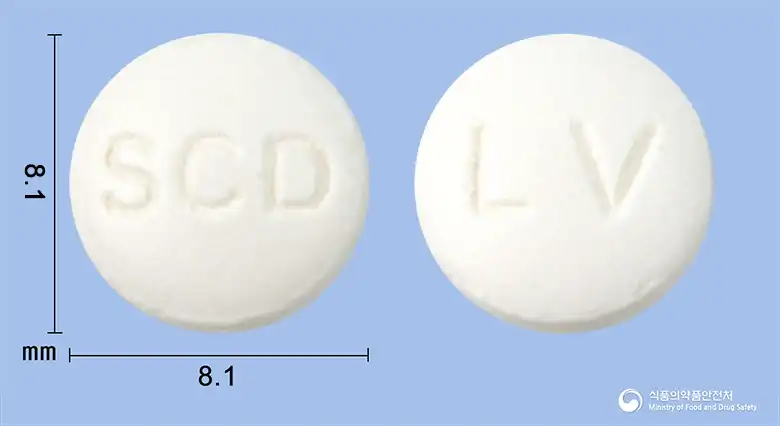
Levofloxacin Hydrate 102.49mg
Tablet · Prescription medication
Samchundang Pharmaceutical Co., Ltd.
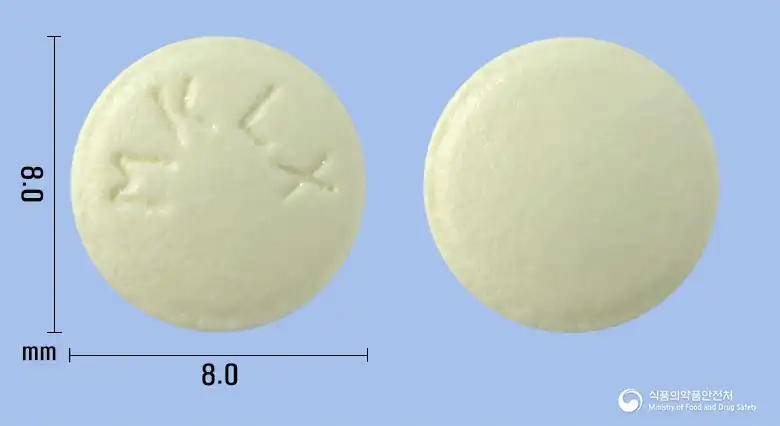
Levofloxacin Hydrate 100mg
Tablet · Prescription medication
Medica Korea Co., Ltd.
Even with the same ingredient, the dose and directions can differ by strength and dosage form. Talk to a doctor or pharmacist before switching from a medication you are already taking.
No questions yet.
For anything that needs medical judgment, consult a doctor or pharmacist.
This drug information is based on data provided by the Korea Ministry of Food and Drug Safety.
Consult a doctor or pharmacist for accurate dosage, administration, and usage instructions.