
 한국어
한국어 English
 日本語
日本語 中文(简体)
Dosage form image
Viewing nowCombinationGlubia Combi Tablet 50/500 mg
Sitagliptin Phosphate Hydrate 64.25mg · Metformin Hydrochloride 500mg
Tablet · Prescription medication · Combination
Hanol Bio Pharma Co., Ltd.
MFDS item code 201505858 · Approved 2015.08.20
This product's status changed to Approval withdrawn on 2023.12.18. It may no longer be sold, so consult a doctor or pharmacist before taking it.
Improvement of blood sugar control in type 2 diabetes
This medication is used to aid in blood sugar control for patients with type 2 diabetes. It is administered to those who are starting diabetes medication therapy for the first time or for whom blood sugar control is difficult with monotherapy. Additionally, this medication is used as an alternative treatment when blood sugar control is insufficient with either metformin or sitagliptin monotherapy. If blood sugar control is still challenging with combination therapy of metformin and sulfonylureas, or metformin and thiazolidinediones, this medication can be added for enhanced efficacy. If blood sugar control remains difficult during combined therapy with insulin and metformin, this medication can also be co-administered to improve control. Overall, this medication is effectively used in conjunction with diet and exercise therapy to improve blood sugar control in type 2 diabetes.
This medication is generally taken twice a day with food, gradually increasing the dose to reduce gastrointestinal adverse effects associated with metformin. 1. For patients not treated with metformin: Take 1 tablet of 50/500 mg twice daily, with a possible increase to 50/1000 mg as needed. 2. For patients receiving metformin treatment: Administer sitagliptin 50 mg twice daily and the current metformin dose.
This medication consists of two components, the first being a drug that helps control blood sugar levels and the second being another medication used to lower blood sugar. When taking this medication, severe allergic reactions may occur. If symptoms such as skin rash, difficulty breathing, or swelling of the face or neck occur, discontinue use immediately and consult a physician. Pancreatitis may develop, hence if symptoms such as abdominal pain, nausea, or vomiting appear, discontinue use immediately and inform healthcare personnel. One component of this medication can rarely cause a serious condition called lactic acidosis, which involves excessive lactate buildup in the body. This condition may present with symptoms such as muscle pain, weakness, difficulty breathing, abdominal pain, and altered consciousness, so caution is advised. This medication should not be used in patients with severely impaired kidney function, severe infections, heart failure, or acute myocardial infarction. Discontinue use of this medication temporarily before surgeries or tests involving radiologic contrast agents, and resume only after confirming normal kidney function. Women who are pregnant or may become pregnant, and breastfeeding women, should not take this medication. During treatment, symptoms of hypoglycemia may occur due to blood sugar dropping too low, so it is particularly important to monitor blood sugar levels frequently and be alert for symptoms of hypoglycemia, especially when taken in conjunction with other hypoglycemic agents. This medication may affect liver and kidney functions, so regular blood tests and kidney function evaluations should be performed, and any atypical symptoms should prompt immediate consultation with medical staff. Alcohol consumption can be dangerous when taking this medication, so it is advisable to avoid drinking during the therapy. Maintaining healthy lifestyle practices, including regular meals and exercise, regular blood tests, and consultations with healthcare personnel, is essential while on this medication.
Hives, severe swelling (angioedema), anaphylaxis, severe skin reactions (Stevens-Johnson syndrome, exfoliative skin disease), acute pancreatitis, acute kidney failure, difficulty breathing, severe edema, hypertension, liver abnormalities (jaundice), sudden and very severe headache, seizures, confusion, vision disturbances, paralysis, severe hypoglycemia, difficulty breathing
Not everyone experiences these, and they can vary from person to person.
Store this medication in a tightly sealed container to prevent exposure to air, and keep it at room temperature between 1 to 30 degrees Celsius. This storage method will help maintain the medication's efficacy.
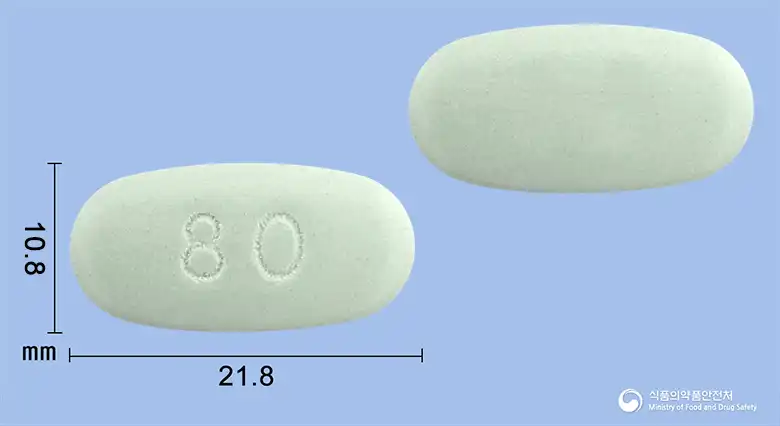
Pink oval film-coated tablets
56 tablets (14 tablets/PTP*4)
Even with the same ingredient, strength, dosage form and how it is taken can differ.
Sitagliptin Phosphate Hydrate 64.25mg · Metformin Hydrochloride 500mg
Tablet · Prescription medication · Combination
Hanol Bio Pharma Co., Ltd.
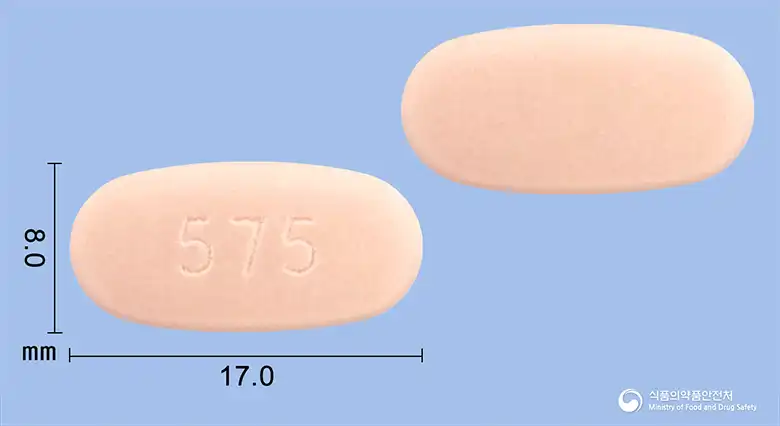 Combination
Sitagliptin Phosphate Hydrate 64.25mg · Metformin Hydrochloride 500mg
Tablet · Prescription medication · Combination
Jongkun Dang Co., Ltd.
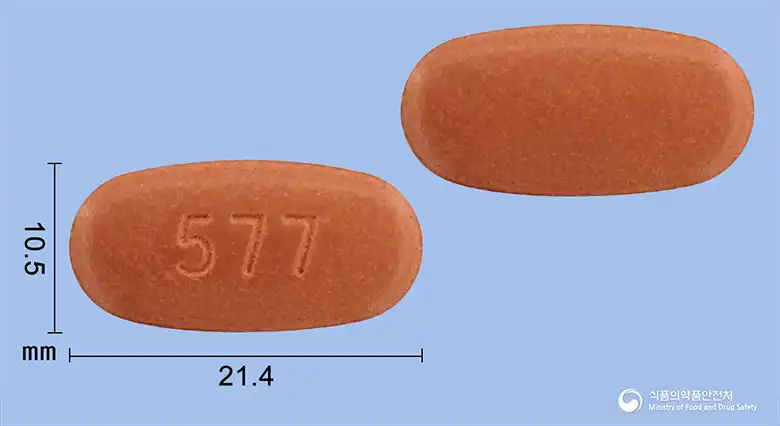 Combination
Sitagliptin Phosphate Hydrate 64.25mg · Metformin Hydrochloride 1000mg
Tablet · Prescription medication · Combination
Jongkundang Co., Ltd.
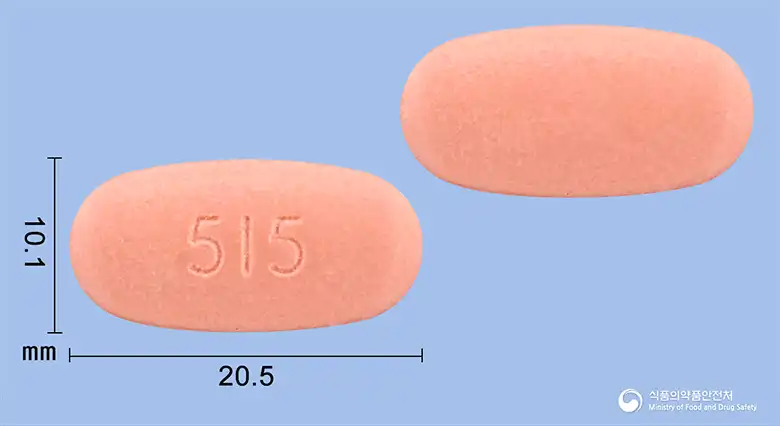 Combination
Sitagliptin Phosphate Hydrate 64.25mg · Metformin Hydrochloride 850mg
Tablet · Prescription medication · Combination
Jongkundang Co., Ltd.
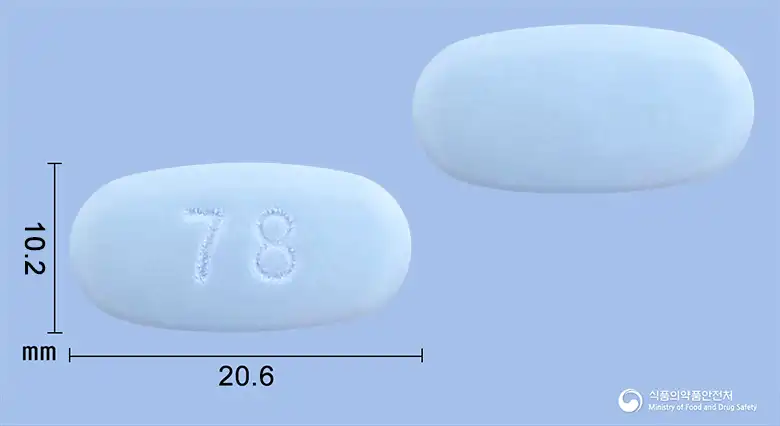 Combination
Metformin Hydrochloride 500mg · Sitagliptin Phosphate Hydrate 64.25mg
Tablet · Prescription medication · Combination
Jong Kun Dang Co., Ltd.
 Combination
Metformin Hydrochloride 1000mg · Sitagliptin Phosphate Hydrate 64.25mg
Tablet · Prescription medication · Combination
JongKeunDang Co., Ltd.
 Combination
Metformin Hydrochloride 1000mg · Sitagliptin Phosphate Hydrate 128.5mg
Tablet · Prescription medication · Combination
Jongkundang Co., Ltd.
Sitagliptin Phosphate 62.04mg · Metformin Hydrochloride 500mg
Tablet · Prescription medication · Combination
Yuyu Pharmaceutical Co., Ltd.
Even with the same ingredient, the dose and directions can differ by strength and dosage form. Talk to a doctor or pharmacist before switching from a medication you are already taking.
No questions yet.
For anything that needs medical judgment, consult a doctor or pharmacist.
This drug information is based on data provided by the Korea Ministry of Food and Drug Safety.
Consult a doctor or pharmacist for accurate dosage, administration, and usage instructions.