
 한국어
한국어 English
 日本語
日本語 中文(简体)
 Viewing now
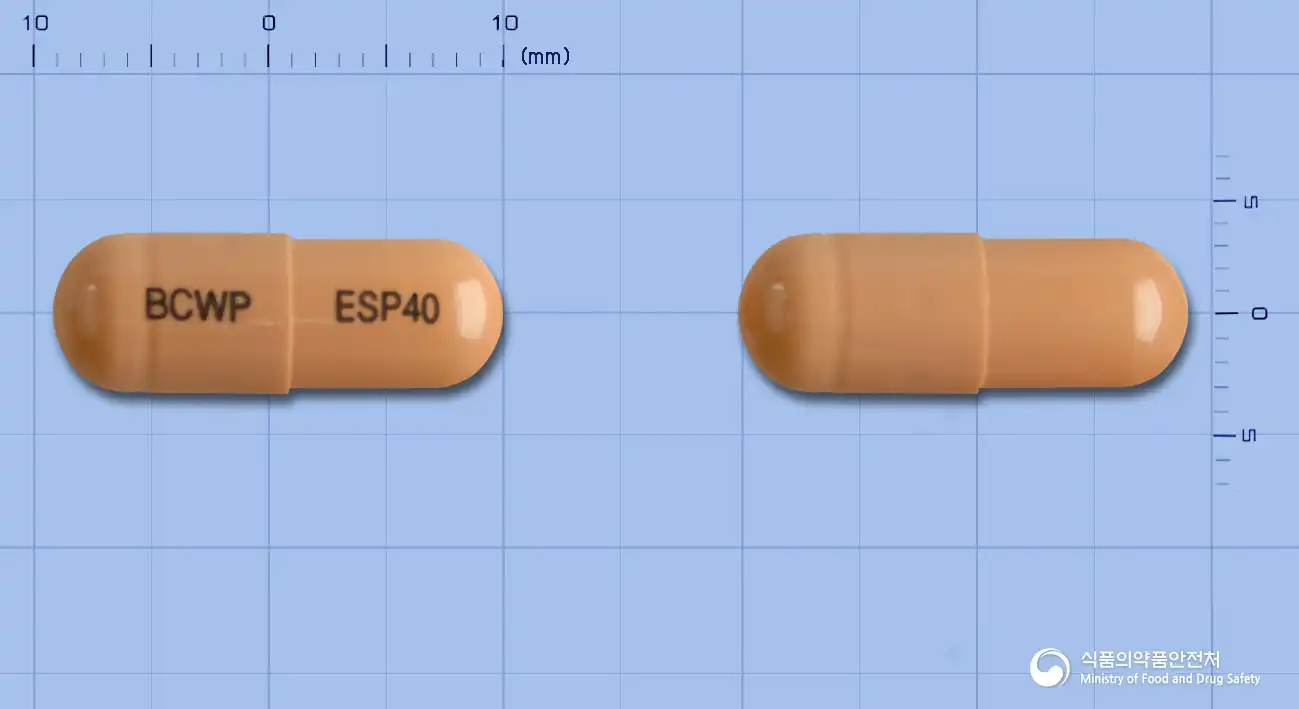
Nexzol Capsule 40 mg (Esomeprazole Magnesium Trihydrate)
Esomeprazole Magnesium Dihydrate 43.4mg
Prescription medication
BC World Pharmaceutical Co., Ltd.
MFDS item code 201503764 · Approved 2015.06.10
This product's status changed to Approval withdrawn on 2024.01.22. It may no longer be sold, so consult a doctor or pharmacist before taking it.
Treatment of gastroesophageal reflux disease (erosive reflux esophagitis, symptoms) and eradication of Helicobacter pylori positive peptic ulcer, as well as efficacy in the prevention of recurrence of gastric and duodenal ulcers.
This medication is used for the treatment and symptom relief of gastroesophageal reflux disease and erosive reflux esophagitis. It is also effective in the treatment and prevention of recurrence of duodenal ulcers and peptic ulcers caused by Helicobacter pylori. It is utilized in the treatment and prevention of gastric and duodenal ulcers related to upper gastrointestinal symptoms due to the administration of nonsteroidal anti-inflammatory drugs (NSAIDs). It is also used in the treatment of Zollinger-Ellison syndrome, and can be safely employed for the prevention of rebleeding and as maintenance therapy for gastric or duodenal ulcers. Overall, it is widely used for the treatment and prevention of gastrointestinal-related diseases.
This medication should be swallowed with liquids such as water and should not be chewed or crushed. Patients who have difficulty swallowing capsules can take the contents of the capsule in half a cup of non-carbonated water. No other beverages should be used. After putting the contents of the capsule in water, mix and swallow immediately without chewing, and rinse the cup with half a cup of non-carbonated water and drink again. The granules in the water should not be chewed or crushed during ingestion. For patients who cannot swallow a capsule, the capsule can be opened and the contents can be administered using a nasogastric tube immediately. In this case, the contents should not be dissolved or dispersed. Additionally, it is important to carefully check the compatibility of the chosen syringe and tube. The administration method using a nasogastric tube is as follows: ① Place the opened contents of the capsule in a suitable syringe and add about 50 mL of water. ② Immediately and vigorously shake the syringe for about 15 seconds. ③ Raise the tip of the syringe to check for any blockage. ④ With the tip raised, connect the syringe to the tube. ⑤ After shaking the syringe, point the tip downwards and immediately inject 5 to 10 mL into the tube. After injection, raise the syringe tip and shake the syringe (to ensure that the tip is not blocked). ⑥ Again point the tip downwards and immediately inject another 5 to 10 mL into the tube. Repeat this process until the medication in the syringe has been fully administered. ⑦ If there is still residue in the syringe, add water to the syringe and repeat step ⑤. 1. Adults 1) Gastroesophageal reflux disease (GERD). - Treatment of erosive reflux esophagitis: Administer 40 mg once daily for 4 weeks. If esophagitis is not resolved or symptoms persist, continue for another 4 weeks. - Long-term maintenance therapy to prevent recurrence in patients with esophagitis: 20 mg once daily. - Symptomatic treatment for gastroesophageal reflux disease without esophagitis: · 20 mg once daily. If symptoms are not controlled after 4 weeks, further medical care is needed. · Once symptoms are relieved, continue with 20 mg once daily for any recurring symptoms. · In adults, 20 mg once daily can be given as needed. It is not recommended for patients at high risk of developing peptic or duodenal ulcers associated with NSAID use to administer as needed for recurrent symptom control. 2) Antibiotic combination therapy for eradication of Helicobacter pylori: Administer this medication at 20 mg in combination with 1 g of amoxicillin and 500 mg of clarithromycin, twice daily for 7 days. 3) Short-term therapy for upper gastrointestinal symptoms (pain, discomfort, burning sensation) associated with nonsteroidal anti-inflammatory drug (COX-2 non-selective, selective) administration: - 20 mg once daily. If symptoms are not controlled after 4 weeks, additional medical care is needed. Studies lasting longer than 4 weeks have not been conducted. 4) For patients requiring continued nonsteroidal anti-inflammatory drug (NSAID) administration: - Treatment of gastric ulcers associated with NSAID administration: 20 mg once daily. Treatment duration is 4 to 8 weeks. - Prevention of gastric and duodenal ulcers associated with NSAID administration: 20 mg once daily. 5) Treatment of Zollinger-Ellison syndrome: The recommended initial dose is 40 mg administered twice daily. Subsequent dosing should be adjusted based on the patient, and treatment should continue while clinical symptoms are present. According to clinical data, most patients can be managed on doses of 80 to 160 mg per day. Doses above 80 mg daily should be divided into two doses. 6) Maintenance therapy after inducing prevention of rebleeding from gastric or duodenal ulcers by intravenous injection: Administer 40 mg once daily for 4 weeks following the induction of prevention of rebleeding from gastric or duodenal ulcers. 2. Adolescents aged 12 years and older: 1) Gastroesophageal reflux disease (GERD) - Treatment of erosive reflux esophagitis: Administer 40 mg once daily for 4 weeks. If esophagitis is not resolved or symptoms persist, continue for another 4 weeks. - Symptomatic treatment for gastroesophageal reflux disease without esophagitis: · 20 mg once daily. If symptoms are not controlled after 4 weeks, further medical care is needed. · Once symptoms are relieved, continue with 20 mg once daily for any recurring symptoms. · In adults, 20 mg once daily can be administered as needed. It is not recommended for patients at high risk of developing peptic or duodenal ulcers associated with NSAID use to administer as needed for recurrent symptom control. 3. Children under 12 years: There is no experience in administering this medication to children under 12 years. 4. Renal impairment: No dosage adjustment is necessary. There is limited experience in administering to patients with severe renal impairment, so it should be given with caution. 5. Hepatic impairment: No dosage adjustment is necessary in patients with mild to moderate liver impairment. In patients with severe liver impairment, do not exceed a dose of 20 mg. 6. Elderly: No dosage adjustment is necessary.
Adolescents aged 12 years and older should receive the same dosage as adults for the treatment of gastroesophageal reflux disease (GERD) (treatment for erosive reflux esophagitis: 40 mg once daily for 4 weeks; symptomatic treatment: 20 mg once daily).
This medication should not be administered to certain patients. For example, patients who have an allergy to this medication or its components, or have a history of hypersensitivity to benzimidazole derivatives, should not use this medication. Furthermore, patients who are taking certain drugs such as terfenadine, cisapride, pimozide, astemizole, atazanavir, nelfinavir, or rilpivirine-containing preparations or breastfeeding mothers should not use this medication. Various adverse reactions can occur with this medication, with common symptoms including headache, abdominal pain, constipation, and diarrhea, and rarely, blood abnormalities, hypersensitivity reactions, hypomagnesemia, mental confusion, skin rashes, and liver dysfunction may occur. Especially with prolonged use, there is an increased risk of hypomagnesemia or fractures, thus regular examinations are necessary. This medication suppresses gastric acid secretion and lowers gastric acidity, which may increase the risk of certain bacterial infections; if gastrointestinal infection symptoms persist, medical consultation is advised. Additionally, this medication may interact with other drugs, so it is essential to inform healthcare professionals of any concomitant medications. For instance, co-administration with warfarin, digoxin, methotrexate, certain antiviral agents, and antibiotics may lead to changes in blood concentration or adverse effects, necessitating caution. Safety during pregnancy or breastfeeding has not been established, so special caution is needed during use. In case of overdose, as there is no specific antidote, appropriate treatment should be sought according to symptoms, and it is important to keep this medication out of reach of children. This medication should be used according to the prescribed dosage and duration, and if there are changes in symptoms or adverse reactions, immediate consultation with healthcare professionals is advised.
Urticaria, severe swelling (edema), chest tightness, difficulty breathing, cold sweat, pallor, angioedema, anaphylactic reaction/shock, fever, angioedema, anaphylactic reaction, angioedema, anaphylaxis, hyponatremia, hypomagnesemia, mental confusion, aggression, hallucinations, jaundice, hepatitis, liver failure, encephalopathy, acute generalized exanthematous pustulosis, erythema multiforme, skin and mucous membrane syndrome (Stevens-Johnson syndrome), toxic epidermal necrolysis.
Not everyone experiences these, and they can vary from person to person.
This medication must be stored in a tightly closed container, protected from air and moisture. Additionally, the medication should be stored at room temperature, between 1 to 30 degrees Celsius, avoiding excessively hot or cold environments.
A brownish-yellow opaque hard capsule containing white to pale yellow enteric-coated granules.
14 capsules (7 capsules/PTP × 2)
Even with the same ingredient, strength, dosage form and how it is taken can differ.
Viewing nowEsomeprazole Magnesium Dihydrate 43.4mg
Prescription medication
BC World Pharmaceutical Co., Ltd.
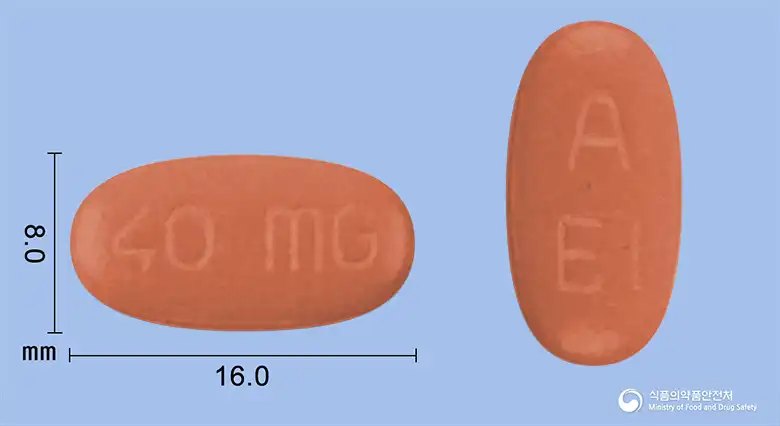
Esomeprazole Magnesium Trihydrate 44.5mg
Tablet · Prescription medication
AstraZeneca Korea Co., Ltd.
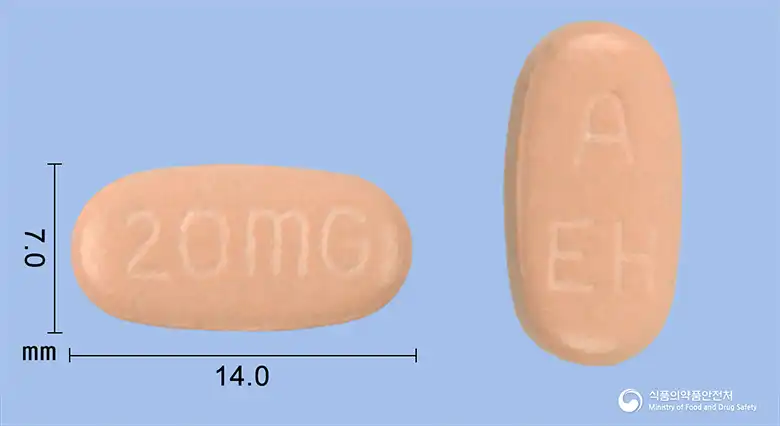
Esomeprazole Magnesium Trihydrate 22.3mg
Tablet · Prescription medication
AstraZeneca Korea Co., Ltd.
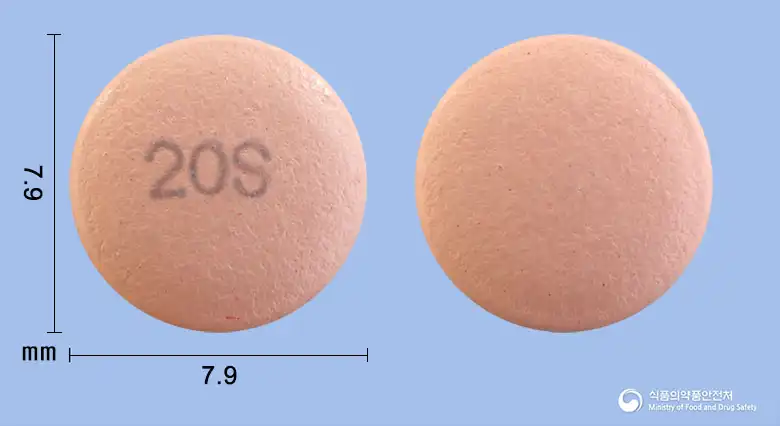
Esomeprazole Magnesium Trihydrate 22.3mg
Tablet · Prescription medication
Daewon Pharmaceutical Co., Ltd.
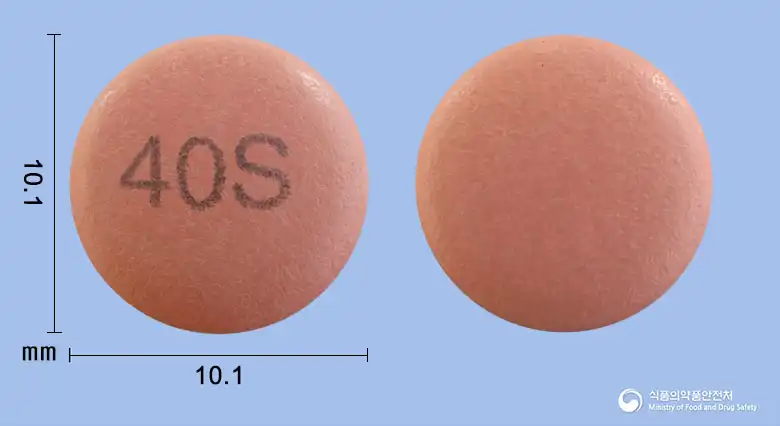
Esomeprazole Magnesium Trihydrate 44.5mg
Tablet · Prescription medication
Daewon Pharmaceutical Co., Ltd.
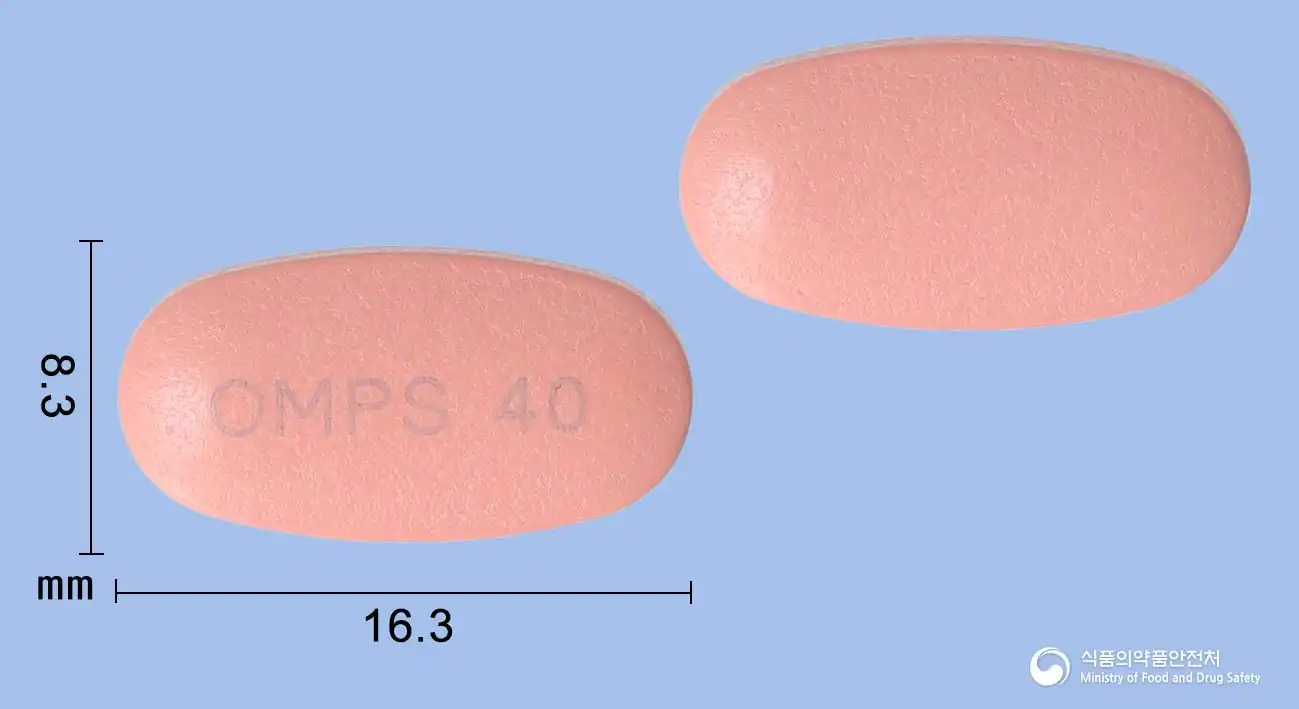
Esomeprazole Magnesium Dihydrate 43.38mg
Tablet · Prescription medication
Jongkundang Co., Ltd.
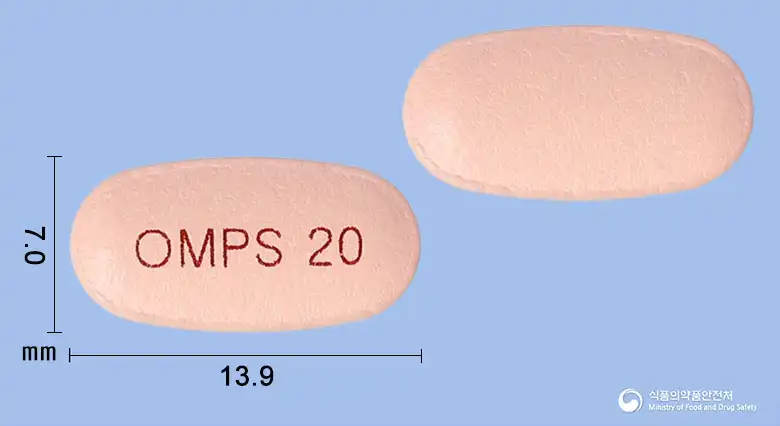
Esomeprazole Magnesium Dihydrate 21.69mg
Tablet · Prescription medication
Chong Kun Dang Pharmaceutical Corp.
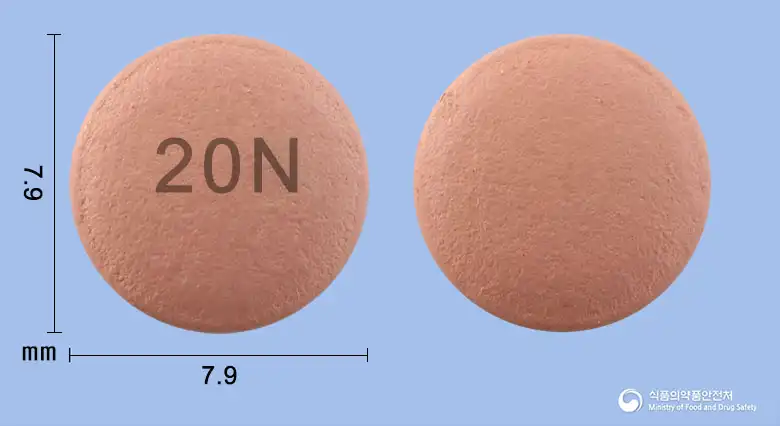
Esomeprazole Magnesium Trihydrate 22.3mg
Tablet · Prescription medication
Samjin Pharmaceutical Co., Ltd.
Even with the same ingredient, the dose and directions can differ by strength and dosage form. Talk to a doctor or pharmacist before switching from a medication you are already taking.
No questions yet.
For anything that needs medical judgment, consult a doctor or pharmacist.
This drug information is based on data provided by the Korea Ministry of Food and Drug Safety.
Consult a doctor or pharmacist for accurate dosage, administration, and usage instructions.