
 한국어
 English
 日本語
 中文(简体)
Dosage form image
Viewing nowSitagliptin Tablet 25mg (Sitagliptin Phosphate Hydrate)
Sitagliptin Phosphate Hydrate 32.125mg
Tablet · Prescription medication
Vivozon Pharmaceutical Co., Ltd.
MFDS item code 201502557 · Approved 2015.04.28
This product's status changed to Expired on 2025.04.28. It may no longer be sold, so consult a doctor or pharmacist before taking it.
Improvement of glycemic control in patients with type 2 diabetes mellitus
This medication is used to help control blood sugar levels in patients with type 2 diabetes. It can be administered as monotherapy when starting treatment, and if blood sugar control is insufficient, it can be used in combination with metformin. This medication can also be added when other diabetes medications (sulfonylureas, metformin, thiazolidinediones, insulin) are being used but are not providing adequate effects. Additionally, it can be used alongside multiple agents to improve blood sugar control. Therefore, this medication effectively supports blood sugar control in patients with type 2 diabetes, along with dietary and exercise treatments.
This medicine is administered at 100 mg once daily as monotherapy or in combination with other therapy; the maximum daily dose is 100 mg. It may be taken with or without food. When used in combination with a sulfonylurea or insulin, reduction of the dose of the sulfonylurea or insulin may be considered to reduce the risk of sulfonylurea- or insulin-induced hypoglycemia. (See Precautions for Use, section 5. General Precautions.) Patients with renal impairment Since dose adjustment according to renal function is required, evaluation of renal function is recommended before starting this medicine and periodically during treatment. 1. No dose adjustment is required in patients with mild renal impairment (estimated glomerular filtration rate [eGFR] ≥ 60mL/min/1.73 m2 and < 90 mL/min/1.73 m2). 2. No dose adjustment is required in patients with moderate renal impairment (estimated glomerular filtration rate [eGFR] ≥ 45mL/min/1.73 m2 and < 60 mL/min/1.73 m2). 3. Administer 50 mg once daily to patients with moderate renal impairment (estimated glomerular filtration rate [eGFR] ≥ 30mL/min/1.73 m2 and < 45 mL/min/1.73 m2). 4. Administer 25 mg once daily to patients with severe renal impairment (estimated glomerular filtration rate [eGFR] ≥ 15mL/min/1.73 m2 and < 30 mL/min/1.73 m2) or end-stage renal disease (ESRD) requiring hemodialysis or peritoneal dialysis (estimated glomerular filtration rate [eGFR] < 15 mL/min/1.73 m2). This medicine may be administered regardless of the timing of dialysis.
This medication may cause severe allergic reactions after administration; therefore, if symptoms such as skin rash or difficulty breathing occur, use should be discontinued immediately and consultation with a physician is required. If symptoms of acute pancreatitis such as severe abdominal pain or vomiting develop while taking this medication, medical personnel should be notified immediately, and the medication should be stopped in such cases. Patients with type 1 diabetes or diabetic ketoacidosis should not use this medication, and individuals who have experienced severe allergic reactions to this medication or its components should avoid taking it. Patients with impaired kidney function may require dose adjustments for this medication, so kidney function tests should be conducted before administration, and the medication should be taken following a physician's instruction. In clinical trials, mainly mild adverse reactions were reported, with common symptoms including upper respiratory infections, headaches, nasopharyngitis, and diarrhea. The risk of hypoglycemia may increase when used with other blood sugar-lowering agents; therefore, care should be taken for signs of hypoglycemia and dosage may need to be adjusted when used alongside insulin or sulfonylureas. If severe joint pain or skin blisters occur during treatment with this medication, consultation with a physician should be sought immediately to receive appropriate measures. It is recommended that women who are pregnant or breastfeeding do not use this medication, and safety for children and adolescents under 18 years has not been established. In the case of overdose, immediate medical attention should be sought, as this medication can be partially eliminated through hemodialysis. This medication has relatively few interactions with other drugs, but caution is required when used in combination with certain medications, so if other medications are being taken, the physician should be informed. Elderly patients may have decreased kidney function, so it is important to adjust the dosage of this medication and regularly check kidney function.
Not everyone experiences these, and they can vary from person to person.
This medication should be stored in a tightly closed container to prevent exposure to air or moisture. It is important to maintain a storage temperature between 1 and 30 degrees Celsius.
Pink, round, biconvex film-coated tablet
Company packaging unit
Even with the same ingredient, strength, dosage form and how it is taken can differ.
Sitagliptin Phosphate Hydrate 32.125mg
Tablet · Prescription medication
Vivozon Pharmaceutical Co., Ltd.
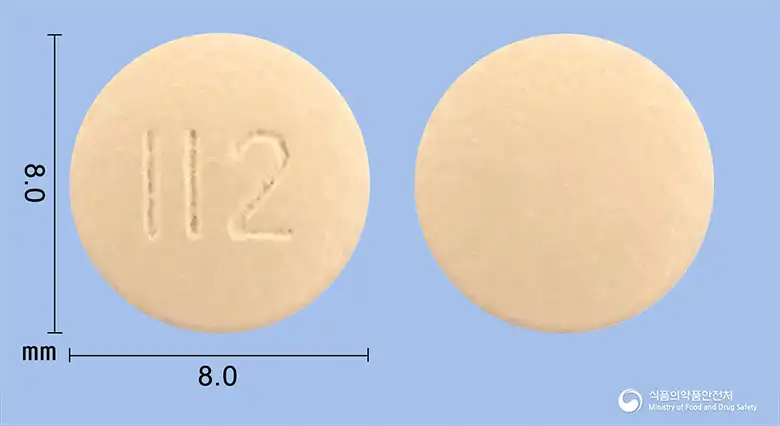
Sitagliptin Phosphate Hydrate 64.25mg
Tablet · Prescription medication
Jongkeundang Co., Ltd.
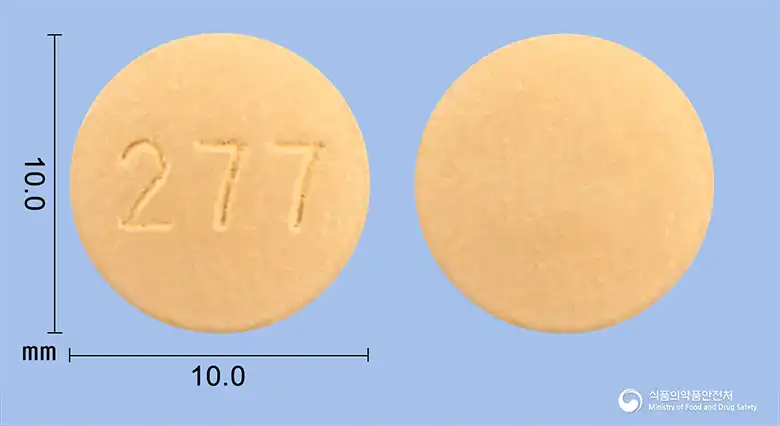
Sitagliptin Phosphate Hydrate 128.5mg
Tablet · Prescription medication
Jongkundang Co., Ltd.
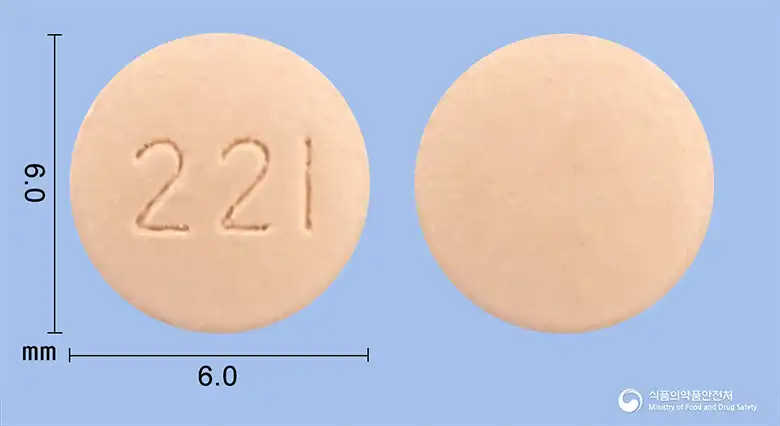
Sitagliptin Phosphate Hydrate 32.13mg
Tablet · Prescription medication
Jong Kundang Co., Ltd.
Sitagliptin Phosphate Hydrate 128.5mg
Tablet · Prescription medication
Shinpoong Pharmaceutical Co., Ltd.
Sitagliptin Phosphate Hydrate 128.5mg
Tablet · Prescription medication
Vivozon Pharmaceutical Co., Ltd.
Sitagliptin Phosphate Hydrate 64.25mg
Tablet · Prescription medication
Shinpoong Pharmaceutical Co., Ltd.
Sitagliptin Phosphate Hydrate 32.125mg
Tablet · Prescription medication
Sinpoong Pharmaceutical Co., Ltd.
Even with the same ingredient, the dose and directions can differ by strength and dosage form. Talk to a doctor or pharmacist before switching from a medication you are already taking.
No questions yet.
For anything that needs medical judgment, consult a doctor or pharmacist.
This drug information is based on data provided by the Korea Ministry of Food and Drug Safety.
Consult a doctor or pharmacist for accurate dosage, administration, and usage instructions.