
 한국어
 English
 日本語
 中文(简体)
 Viewing now
Joyroxin 400 mg (Moxifloxacin Hydrochloride)
Moxifloxacin Hydrochloride 436.8mg
Tablet · Prescription medication
Korea United Pharmaceutical Co., Ltd.
MFDS item code 201406133 · Approved 2014.12.30 · Insurance code 644308860
Treatment of respiratory, intra-abdominal and pelvic, and skin and soft tissue infections
This drug is an antibiotic effective against various bacteria, acting on a wide range of strains including gram-positive bacteria, gram-negative bacteria, atypical bacteria, and anaerobic bacteria. It is primarily used for respiratory infections such as acute sinusitis, acute exacerbation of chronic bronchitis, and community-acquired pneumonia, and is also effective in treating skin and soft tissue infections, intra-abdominal infections, and uncomplicated pelvic infections. However, due to the characteristics of fluoroquinolone antibiotics, there is a risk of significant adverse reactions, and it should be used restrictively when there are no other treatment options for acute bacterial sinusitis and acute bacterial exacerbation of chronic bronchitis. This drug is widely used for the treatment of various infections, improving symptoms.
○ Adults: Administer moxifloxacin 400 mg once daily, regardless of meals, swallowed whole with plenty of water. ○ Patients with renal impairment: No dosage adjustment is necessary. ○ Duration of treatment The duration of treatment should be determined according to the severity of the infection or clinical response. The recommended durations are as follows. - Acute sinusitis: 7 days - Acute exacerbation of chronic bronchitis: 5 days - Community-acquired pneumonia: 10 days - Uncomplicated skin and soft tissue infections: 7 days - Total duration of sequential therapy (intravenous/oral) for complicated skin and soft tissue infections: 7 ∼ 21 days - Total duration of sequential therapy (intravenous/oral) for complicated intra-abdominal infections: 5 ∼ 14 days - Uncomplicated pelvic infections: 14 days
This drug is an antibiotic used to treat certain bacterial infections. When taking this drug, severe tendon problems such as tendonitis or tendon rupture may occur, so if there is pain or inflammation in the tendon, you should stop taking it immediately and consult a doctor. Additionally, symptoms such as peripheral neuropathy or central nervous system disturbances, for example, dizziness, confusion, or seizures may appear, so you should inform a doctor immediately if any of these symptoms occur. Patients with myasthenia gravis may experience worsening symptoms with this drug and should not use it. This drug is not to be administered to certain patients including children under 18 years old, pregnant women, nursing mothers, and patients with severe liver impairment. Patients with heart conditions or a history of prolonged QT interval, patients with hypokalemia, and individuals with arrhythmia symptoms should use this drug with caution. This drug may affect liver function, so if symptoms of jaundice or hepatitis appear, you should stop taking it immediately and consult a doctor. It is advisable to avoid exposure to ultraviolet light or strong sunlight while taking this drug. Additionally, blood sugar levels may become unstable, so diabetic patients should closely monitor their blood sugar levels. This drug may interact with other medications, so if you are taking other medications, be sure to inform your doctor or pharmacist. In the case of overdose, appropriate treatment including cardiac function tests may be required, so you should visit a medical institution immediately. When storing this drug, keep it out of reach of children and do not transfer it to other containers for safety. Finally, it is important to consult healthcare professionals immediately if any adverse reactions or uncomfortable symptoms occur during the use of this drug.
Tendonitis, tendon rupture, peripheral neuropathy, central nervous system effects, exacerbation of severe myasthenia gravis, fungal superinfection, anemia, leukopenia, neutropenia, thrombocytopenia, thrombocytosis, prolonged prothrombin time, increased INR, abnormal thromboplastin levels, increased prothrombin levels, decreased INR, abnormal prothrombin levels, pancytopenia, allergic reactions, itching, rash, urticaria, eosinophilia, anaphylaxis, anaphylactoid reaction, allergic edema, angioedema, shock, hyperlipidemia, hyperglycemia, hyperuricemia, hypoglycemia, anxiety reactions, psychomotor agitation, agitation, emotional instability, depression, suicidal thoughts, suicide attempts, hallucinations, depersonalization, psychotic reactions, headache, dizziness, sensory disturbances, taste disorders, confusion, disorientation, sleep disorders, tremors, drowsiness, sensory loss, smell disorders, abnormal dreams, cooperativeness issues, seizures, concentration impairment, speech disorders, amnesia, polyneuropathy, hypersensitivity, vision disorders, transient vision loss, tinnitus, hearing loss, auditory disorders, QT prolongation in patients with hypokalemia, QT prolongation, palpitations, tachycardia, vasodilation, ventricular tachycardia, syncope, hypertension, hypotension, nonspecific cardiac arrhythmias, Torsades de Pointes, cardiac arrest, dyspnea, asthma symptoms, nausea, vomiting, gastrointestinal and abdominal pain, diarrhea, decreased appetite and food intake, constipation, dyspepsia, abdominal distension, gastroenteritis, increased amylase, dysphagia, stomatitis, antibiotic-associated colitis, increased aminotransferases, liver dysfunction, increased bilirubin, elevated γ-GTP, increased blood alkaline phosphatase, jaundice, hepatitis, fulminant hepatitis, Stevens-Johnson syndrome, toxic epidermal necrolysis, arthralgia, myalgia, tendinitis, increased muscle tension, spasms, muscle weakness, tendon rupture, arthritis, gait disturbances, exacerbation of myasthenia gravis, dehydration, renal impairment, renal failure, injection or infusion site reactions, uncomfortable feelings, unexplained pain, sweating, infusion site thrombophlebitis, edema, syndrome of inappropriate antidiuretic hormone secretion
Not everyone experiences these, and they can vary from person to person.
This drug should be stored in a tightly sealed container to prevent air and moisture from entering, and it is preferable to store it at room temperature between 1 and 25 degrees Celsius. This helps maintain the medication's effectiveness for a longer duration.
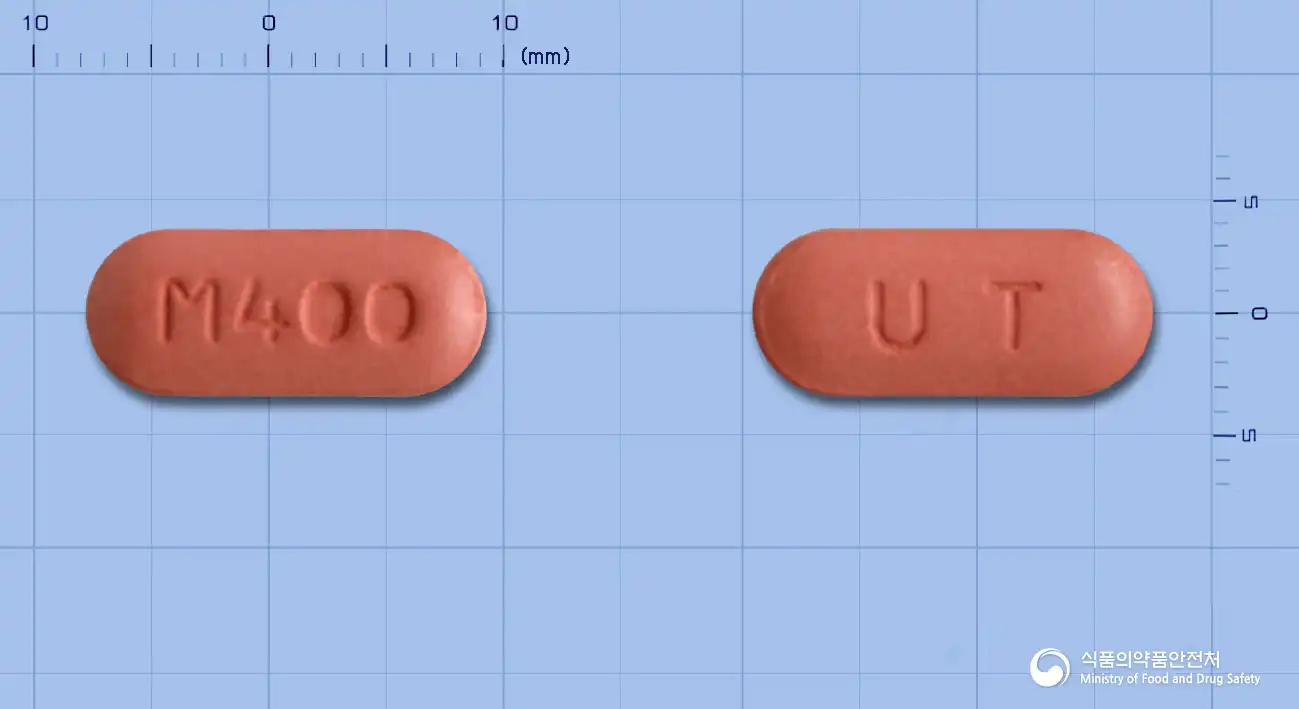
Red rectangular film-coated tablet
25 tablets/PTP [(5 tablets/PTP x 5)]
Even with the same ingredient, strength, dosage form and how it is taken can differ.
Viewing nowMoxifloxacin Hydrochloride 436.8mg
Tablet · Prescription medication
Korea United Pharmaceutical Co., Ltd.
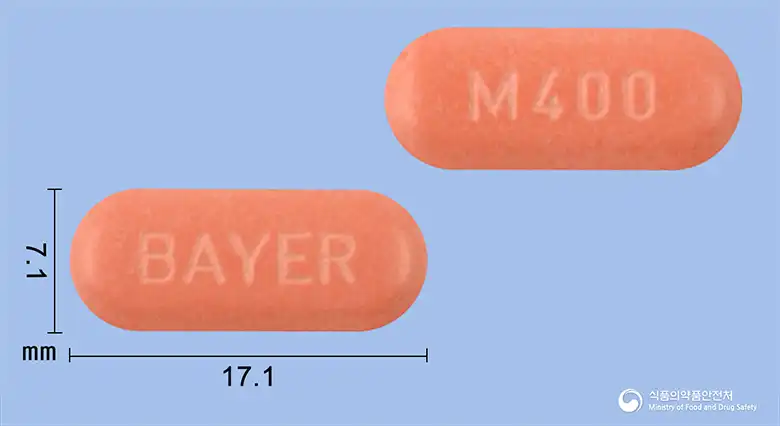
Moxifloxacin Hydrochloride 436.8mg
Tablet · Prescription medication
Bayer Korea Co., Ltd.
Moxifloxacin Hydrochloride 1.744mg
Injections · Prescription medication
Bayer Korea Co., Ltd.
Moxifloxacin Hydrochloride 5.45mg
Eye drops · Prescription medication
Novartis Korea Co., Ltd.
Moxifloxacin Hydrochloride 5.45mg
Eye drops · Prescription medication
Samchundang Pharmaceutical Co., Ltd.
Moxifloxacin Hydrochloride 5.45mg
Eye drops · Prescription medication
Samil Pharmaceutical Co., Ltd.
Moxifloxacin Hydrochloride 5.45mg
Eye drops · Prescription medication
Optus Pharmaceutical Co., Ltd.
Moxifloxacin Hydrochloride 5.45mg
Eye drops · Prescription medication
Hankook Hyutecs Pharmaceutical Co., Ltd.
Even with the same ingredient, the dose and directions can differ by strength and dosage form. Talk to a doctor or pharmacist before switching from a medication you are already taking.
No questions yet.
For anything that needs medical judgment, consult a doctor or pharmacist.
This drug information is based on data provided by the Korea Ministry of Food and Drug Safety.
Consult a doctor or pharmacist for accurate dosage, administration, and usage instructions.