
 한국어
한국어 English
 日本語
日本語 中文(简体)
 Viewing nowCombination
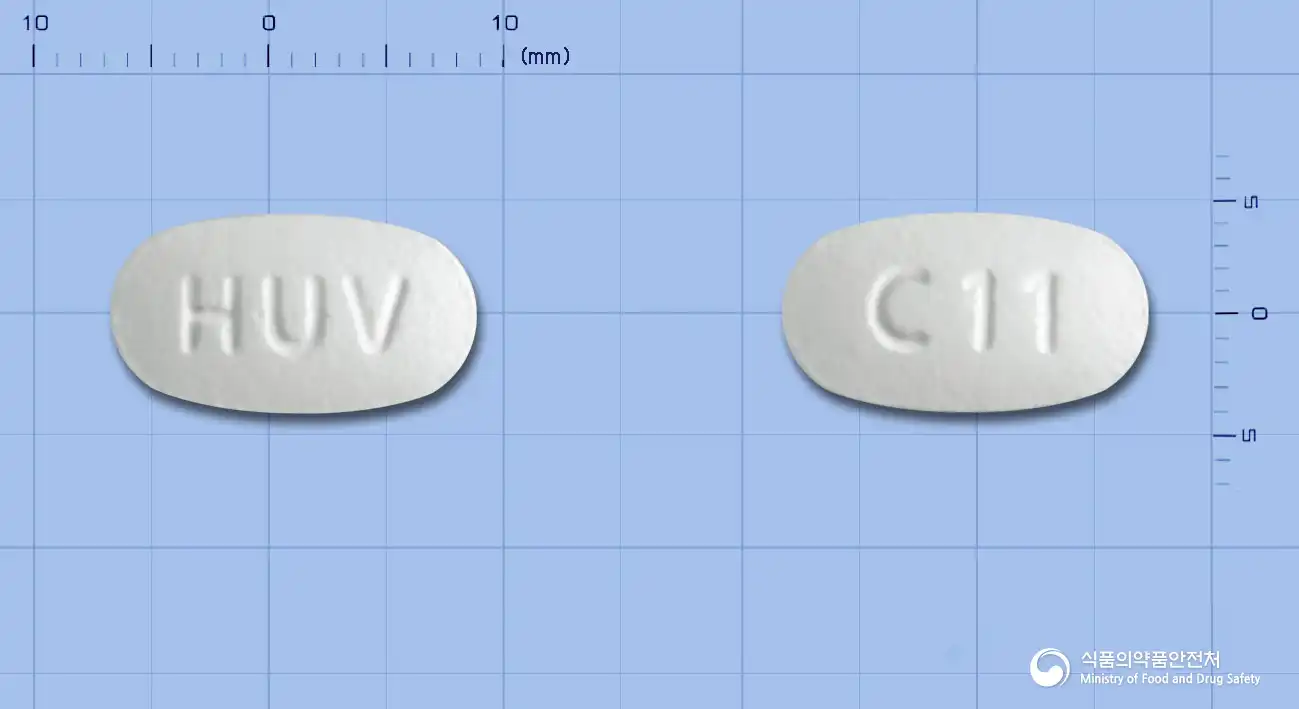
Humet Tablet
Metformin Hydrochloride 500mg · Glimepiride 2mg
Tablet · Prescription medication · Combination
Hubist Pharmaceutical Co., Ltd.
MFDS item code 201404215 · Approved 2014.09.15
Improvement of blood sugar control in type 2 diabetes
This medicine helps patients with type 2 diabetes to achieve more effective blood sugar control while adhering to dietary and exercise regimens. The two components, glimepiride and metformin, work together to manage blood sugar levels stably. Therefore, it can help improve blood sugar levels and assist in diabetes management. This medication is particularly suitable for patients whose diabetes is difficult to control with diet and exercise alone. With consistent use and improvements in lifestyle, good therapeutic effects can be expected. Ultimately, it plays a role in improving blood sugar control and contributing to the prevention of complications.
This medication is taken 1 to 2 times daily before meals or with meals. Usually, treatment is initiated with a low dose, and the dosage may be gradually increased based on blood sugar monitoring results. The initial dose is glimepiride/metformin hydrochloride 2mg/500mg, and there is experience of increasing up to a maximum of 8mg/2000mg. Single-agent glimepiride generally does not provide additional effects at doses above 4mg per day, but
This medication can cause severe lactic acidosis or hypoglycemia, so caution is necessary. Especially when kidney function declines rapidly, the drug may accumulate in the body and increase risk, so regular kidney function tests should be performed. If there are symptoms of dehydration, severe diarrhea, vomiting, or fever, the medication should be temporarily discontinued and a doctor should be consulted. Additionally, caution should be exercised when taking it with other medications that can affect kidney function. As there is a potential increased risk of cardiovascular disease, the cardiovascular condition should be closely monitored while taking this medication. This drug should not be administered to patients with insulin-dependent diabetes or acute metabolic acidosis, severe liver or kidney dysfunction, or to women who are pregnant or breastfeeding. Elderly patients, those with malnutrition, irregular eating habits, or excessive alcohol consumption are advised to manage their medication more carefully due to the higher risk of hypoglycemia. During initial use, gastrointestinal symptoms (diarrhea, nausea, abdominal pain, etc.) may occur, but these are mostly temporary and improve naturally. If symptoms are severe, dosage adjustment may be necessary after consulting a doctor. If allergic reactions, skin rashes, or symptoms of blood abnormalities occur, notify medical personnel immediately, and in severe cases, the medication should be discontinued. This medication can lower vitamin B12 levels, so regular blood tests are needed to monitor this. In the case of overdose, hypoglycemia or lactic acidosis may occur, so it is essential to adhere strictly to the prescribed dosage, and if abnormal symptoms occur, visit a medical facility promptly. Additionally, it is advisable to avoid alcohol consumption while taking this medication, and be cautious of symptoms of hypoglycemia or dizziness when driving or operating machinery. Lastly, children, the elderly, and women who are pregnant should always consult a doctor before taking this medication, and routine blood sugar and kidney function tests should be performed to ensure safe treatment.
Hives, severe swelling (edema), difficulty breathing and respiratory distress, severe allergic reactions, severe skin reactions, liver abnormalities (jaundice), serious neurological symptoms (severe headache, confusion, seizures, paralysis, visual disturbances), decreased urine output and severe edema, lactic acidosis, hypoglycemia, thrombocytopenic purpura, severe hypoglycemia, severe allergic reactions (shock), heart attack, heart failure, cardiac arrest, ketoacidosis, acute
Gastrointestinal symptoms (diarrhea, nausea, vomiting, abdominal distension, loss of appetite, indigestion, constipation, abdominal pain), taste disturbance, thrombocytopenia, leukopenia, hemolytic anemia, erythrocytopenia, granulocytopenia, agranulocytosis, pancytopenia, decreased and deficiency of vitamin B12, peripheral neuropathy, increased liver enzymes, liver function impairment, hepatitis, allergic vasculitis, photosensitivity, decreased serum sodium concentration, hypothyroidism,
Not everyone experiences these, and they can vary from person to person.
This medication may be sensitive to air and humidity, so it must be stored in a tightly sealed container. The storage temperature should be maintained at room temperature between 1°C and 30°C. Proper storage will help maintain the effectiveness and safety of the medication over time.
White oblong film-coated tablets
30 tablets/bottle, 300 tablets/bottle
Even with the same ingredient, strength, dosage form and how it is taken can differ.
Viewing nowCombinationMetformin Hydrochloride 500mg · Glimepiride 2mg
Tablet · Prescription medication · Combination
Hubist Pharmaceutical Co., Ltd.
 Combination
Metformin Hydrochloride 500mg · Glimepiride 1mg
Tablet · Prescription medication · Combination
Hanmi Pharmaceutical Co., Ltd.
 Combination
Metformin Hydrochloride 500mg · Glimepiride 2mg
Tablet · Prescription medication · Combination
Handok Co., Ltd.
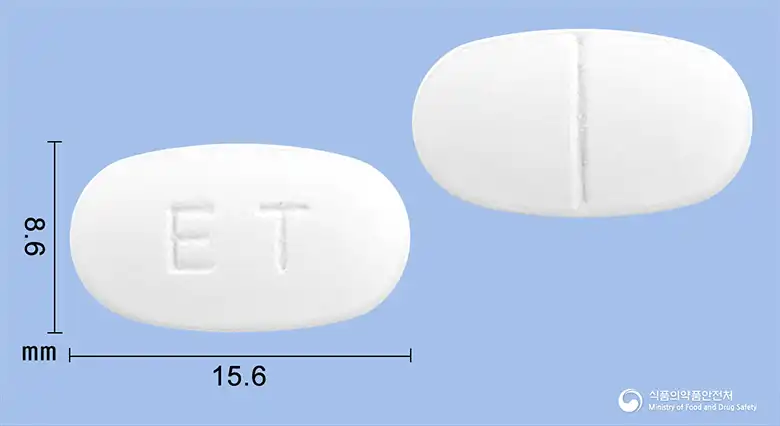 Combination
Metformin Hydrochloride 500mg · Glimepiride 2mg
Tablet · Prescription medication · Combination
Teragen Etex Co., Ltd.
 Combination
Glimepiride 2mg · Metformin Hydrochloride 500mg
Tablet · Prescription medication · Combination
Hawon Pharmaceutical Co., Ltd.
Metformin Hydrochloride 500mg · Glimepiride 2mg
Tablet · Prescription medication · Combination
TDS Pharm Co., Ltd.
 Combination
Glimepiride 2mg · Metformin Hydrochloride 500mg
Tablet · Prescription medication · Combination
Il Yang Pharmaceutical Co., Ltd.
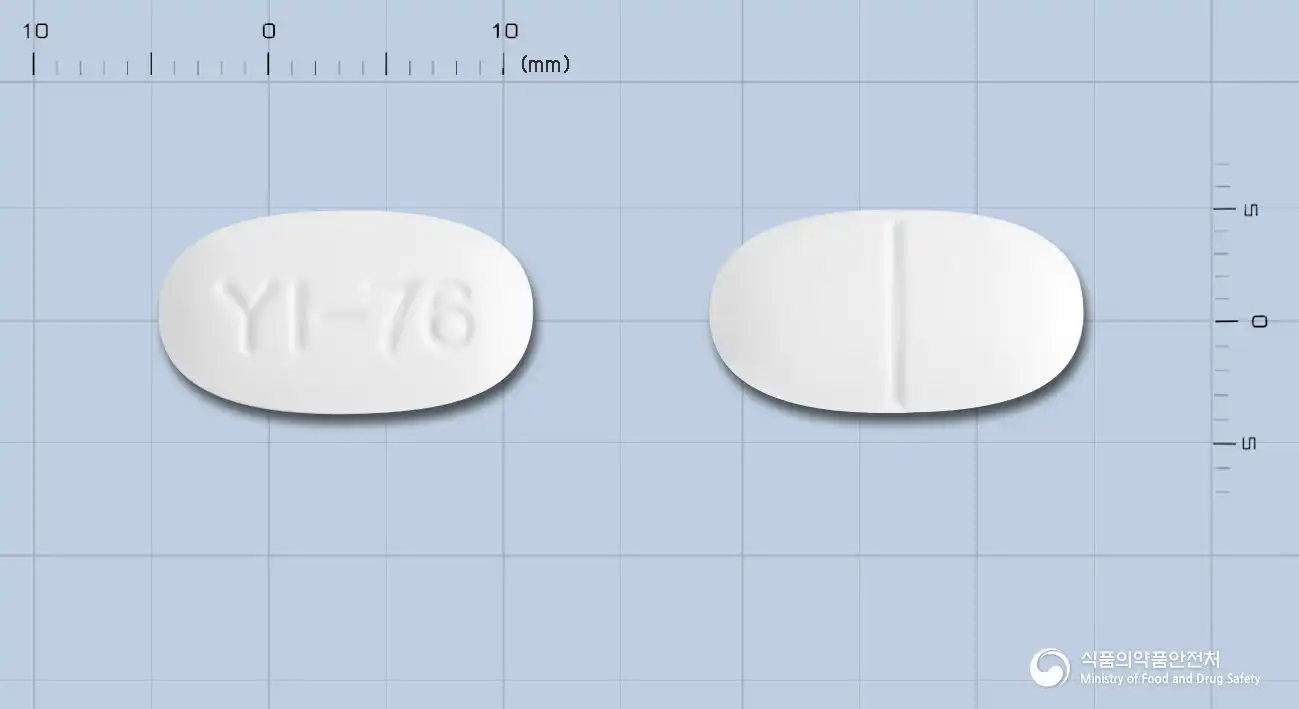 Combination
Glimepiride 2mg · Metformin Hydrochloride 500mg
Tablet · Prescription medication · Combination
Youngil Pharmaceutical Co., Ltd.
Even with the same ingredient, the dose and directions can differ by strength and dosage form. Talk to a doctor or pharmacist before switching from a medication you are already taking.
No questions yet.
For anything that needs medical judgment, consult a doctor or pharmacist.
This drug information is based on data provided by the Korea Ministry of Food and Drug Safety.
Consult a doctor or pharmacist for accurate dosage, administration, and usage instructions.