
 한국어
한국어 English
 日本語
日本語 中文(简体)
Dosage form image
Viewing nowCombinationMediSet Tablet
Tramadol Hydrochloride 37.5mg · Acetaminophen 325mg
Tablet · Prescription medication · Combination
Medix Pharmaceutical Co., Ltd.
MFDS item code 201404161 · Approved 2014.09.05
This product's status changed to Expired on 2024.09.05. It may no longer be sold, so consult a doctor or pharmacist before taking it.
Relief of moderate to severe acute and chronic pain
This medication is used to relieve acute and chronic pain ranging from moderate to severe.
Children over 12 years and adults: The dosage should be adjusted according to the patient's level of pain and therapeutic response. An initial dose of 2 tablets is recommended, and subsequent doses should be at least 6 hours apart, not exceeding 8 tablets a day. The lowest effective dose should be administered for the shortest duration possible. Avoid unnecessary long-term use of this medication, and if long-term use is necessary due to the nature and severity of the disease, regular monitoring should be conducted to confirm the need for continued use of this medication. Elderly: Administer the usual adult dose. However, in elderly patients over 75 years, it has been noted that the elimination half-life of tramadol increases by 17% when administered orally; therefore, administer this medication at intervals of at least 6 hours. Patients with renal impairment: For patients with moderate renal impairment (creatinine clearance of 10-30 mL/min), extend the dosing interval to 12 hours. It is not recommended to administer this medication to patients with severe renal impairment (creatinine clearance of less than 10 mL/min). Tramadol is very slowly removed during hemodialysis and filtration, so there is no need to re-administer this medication after dialysis to maintain analgesic effects. Patients with hepatic impairment: Carefully consider extending the dosing interval for patients with moderate hepatic impairment. Do not administer this medication to patients with severe hepatic impairment.
This medication may put strain on the liver, so those who regularly consume more than 3 alcoholic beverages a day should consult a doctor or pharmacist before taking it. If a rash or hypersensitivity reaction occurs after taking this medication, discontinue use immediately and inform the healthcare provider. Ingredients in this medication may increase the risk of seizures, therefore patients with a history of seizures or those at high risk should use it cautiously. Rarely, severe allergic reactions may occur; if hives or difficulty breathing arise, seek immediate medical assistance. For patients with acute and severe bronchial asthma, administration of this medication may cause difficulty in breathing, so it must be administered with monitoring in a medical facility. Combining this medication with alcohol or central nervous system depressants (such as sedatives or tranquilizers) can cause severe drowsiness or respiratory depression, so it is better to avoid such combinations. Patients with head injuries or brain disorders should be careful when taking this medication, as it may increase intracranial pressure. This medication can cause psychological and physical dependence, so if taken for a long time, dosage should be gradually adjusted according to the physician's instructions. Patients with compromised liver function must consult with healthcare providers before taking this medication and ensure not to take it with other acetaminophen products. This medication should not be administered to children under 12 years of age or to certain pediatric patients post-surgery, and it is advisable for adolescents over 12 to avoid it if particular risk factors are present. This medication can cause sleep apnea or hypoxia, so if such symptoms arise or worsen, consult a healthcare provider to adjust the dosage or discontinue use. While taking this medication, drowsiness or dizziness may occur, so avoid dangerous activities such as driving or operating machinery. In case of overdose, serious respiratory depression, seizures, or liver damage may occur; do not exceed the prescribed dose and inform healthcare professionals of any unusual symptoms immediately. This medication can interact with various drugs, so if you are taking other medications, it is essential to inform your doctor or pharmacist and seek advice. Pregnant or breastfeeding women should discuss with their healthcare provider before taking this medication as it may affect the fetus or infant.
Hives, severe swelling (edema), chest tightness, difficulty breathing, cold sweat, paleness, severe rash associated with high fever, blisters, peeling skin, pain in mucous membranes of mouth/eyes, severe skin reactions, shortness of breath or difficulty breathing, asthma attacks, respiratory abnormalities accompanied by coughing and fever, yellowing of skin or eyes (jaundice), extreme lethargy, liver abnormalities (jaundice), sudden and severe headaches, thunderclap headache.
Not everyone experiences these, and they can vary from person to person.
This medication should be stored in a tightly closed container to prevent air from entering, and it's best to maintain a storage temperature between 1 and 30 degrees Celsius. Storing it this way helps preserve the medication's effectiveness.
pale yellow oblong film-coated tablet
30 tablets/bottle, 100 tablets/bottle, 500 tablets/bottle
Even with the same ingredient, strength, dosage form and how it is taken can differ.
Tramadol Hydrochloride 37.5mg · Acetaminophen 325mg
Tablet · Prescription medication · Combination
Medix Pharmaceutical Co., Ltd.
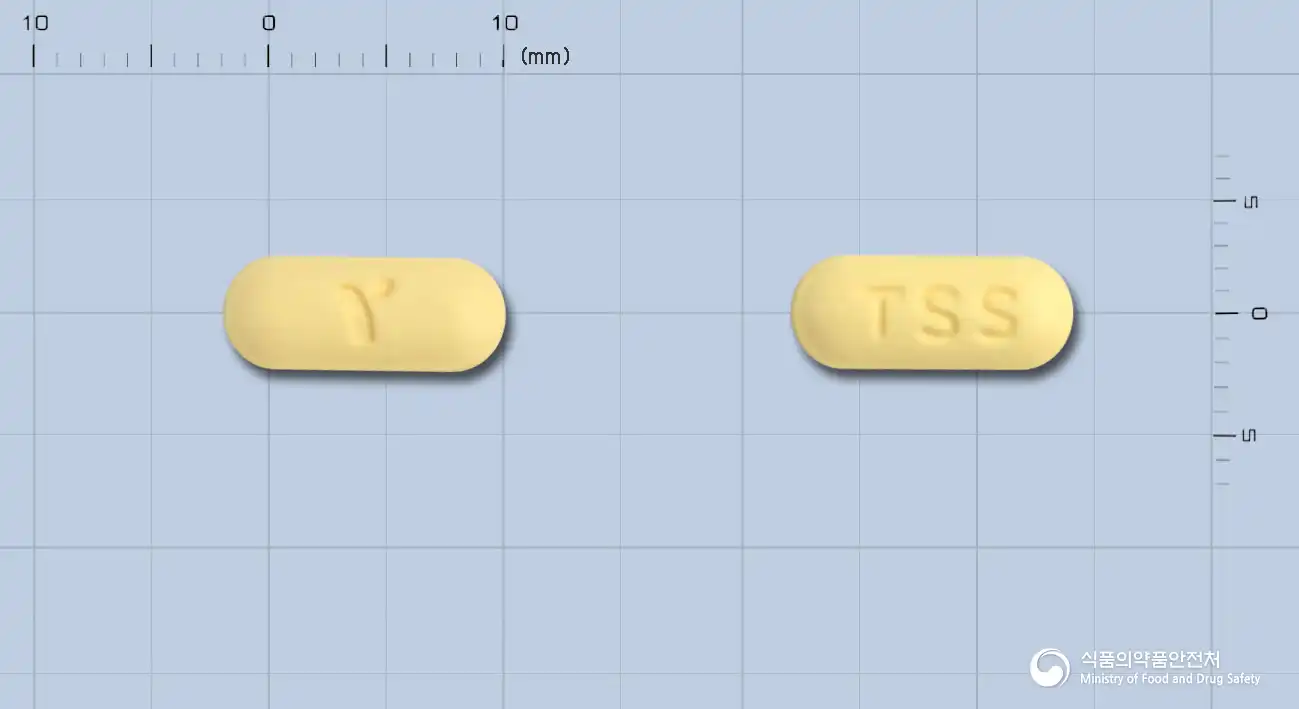 Combination
Acetaminophen 162.5mg · Tramadol Hydrochloride 18.75mg
Tablet · Prescription medication · Combination
Yuyoung Pharmaceutical Co., Ltd.
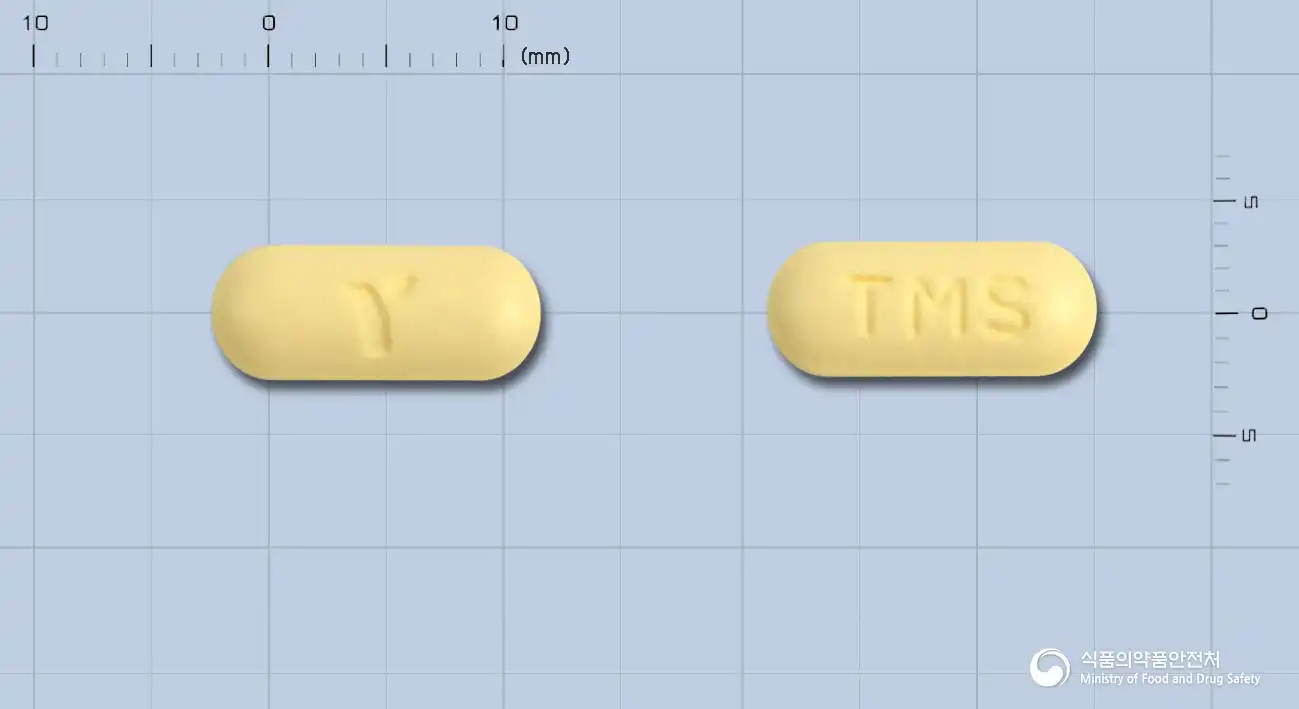 Combination
Acetaminophen 325mg · Tramadol Hydrochloride 37.5mg
Tablet · Prescription medication · Combination
Youyoung Pharmaceutical Co., Ltd.
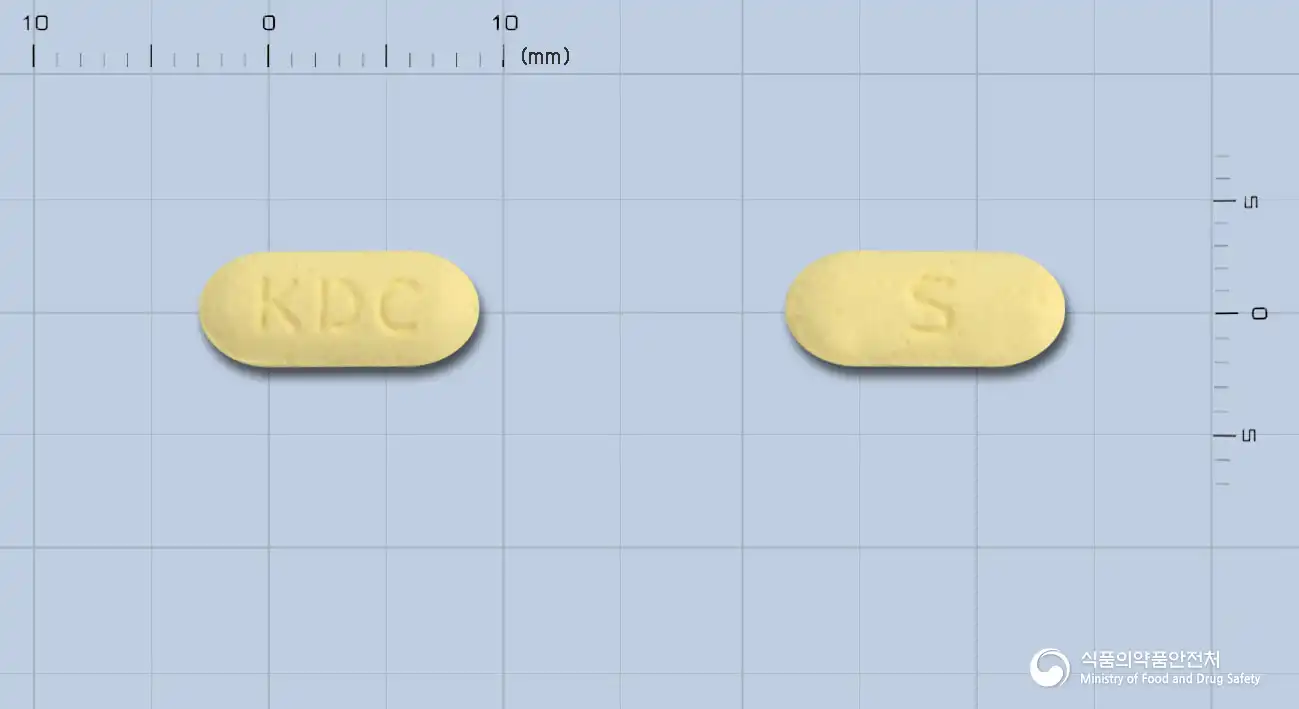 Combination
Tramadol Hydrochloride 18.75mg · Acetaminophen 162.5mg
Tablet · Prescription medication · Combination
Korea Pharmaceutical Co., Ltd.
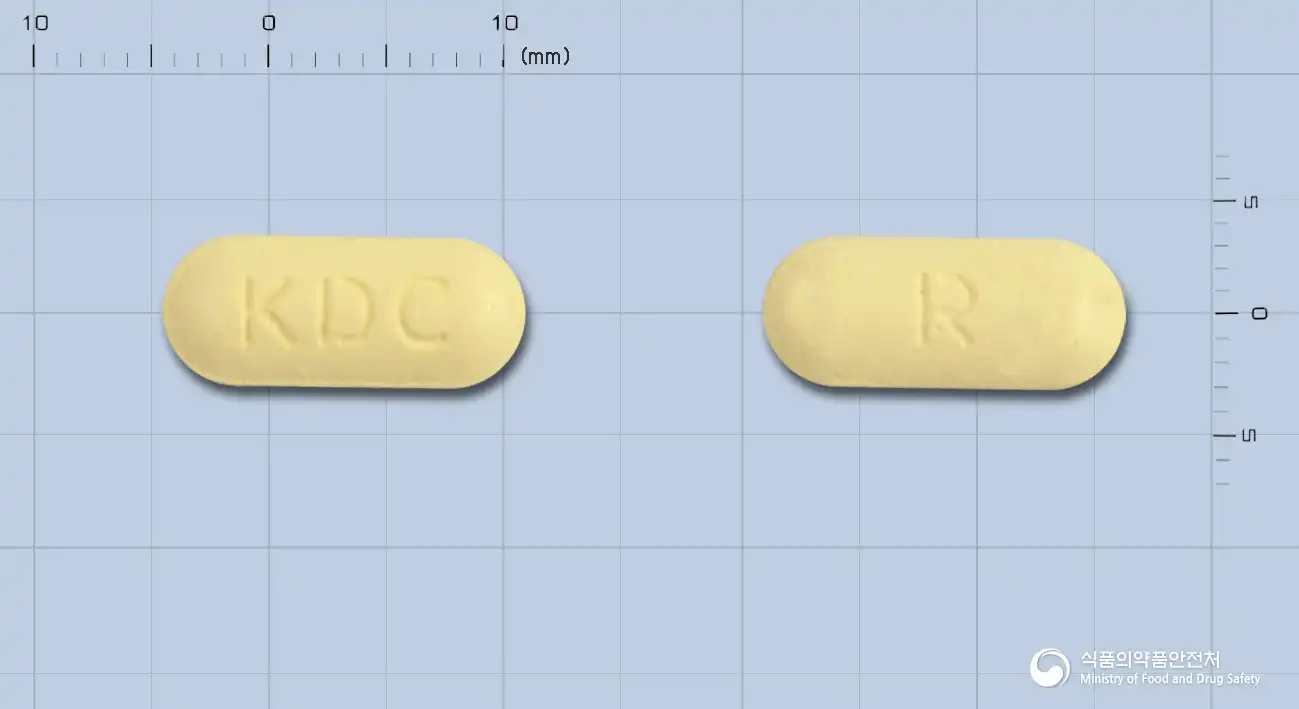 Combination
Tramadol Hydrochloride 37.5mg · Acetaminophen 325mg
Tablet · Prescription medication · Combination
Korea United Pharmaceutical Co., Ltd.
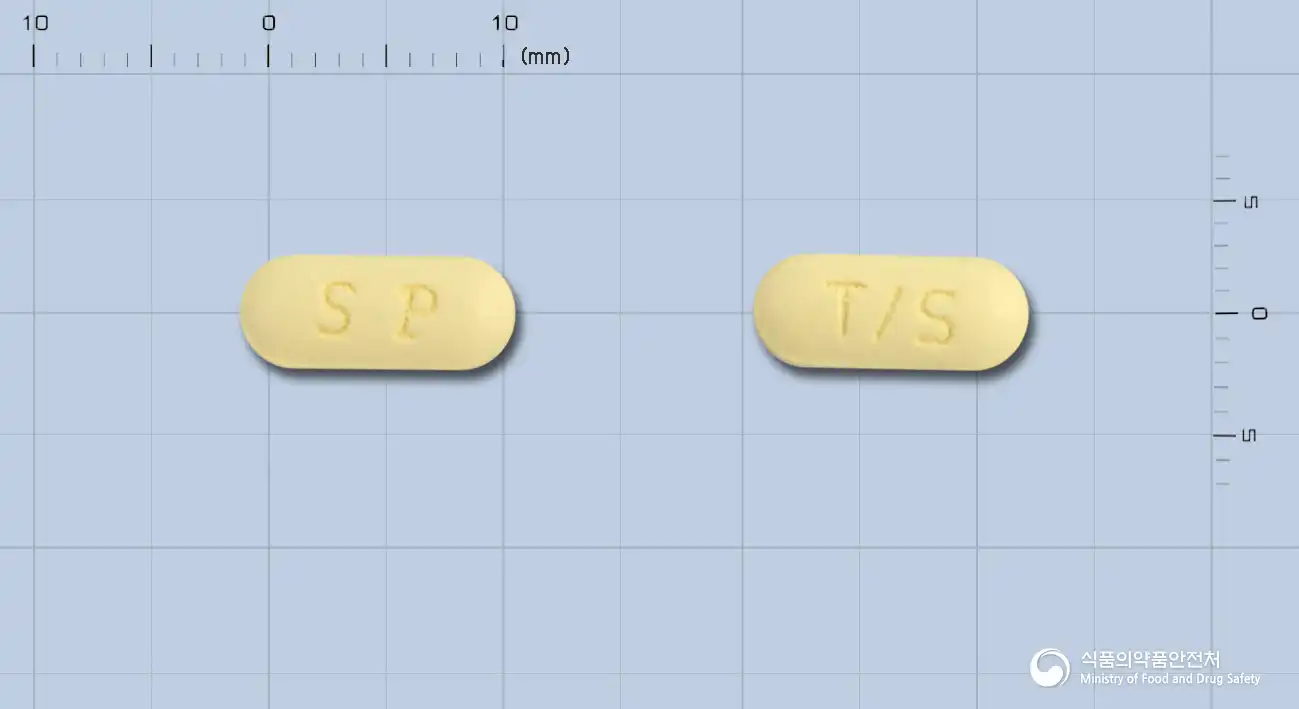 Combination
Acetaminophen 162.5mg · Tramadol Hydrochloride 18.75mg
Tablet · Prescription medication · Combination
Shinpoong Pharmaceutical Co., Ltd.
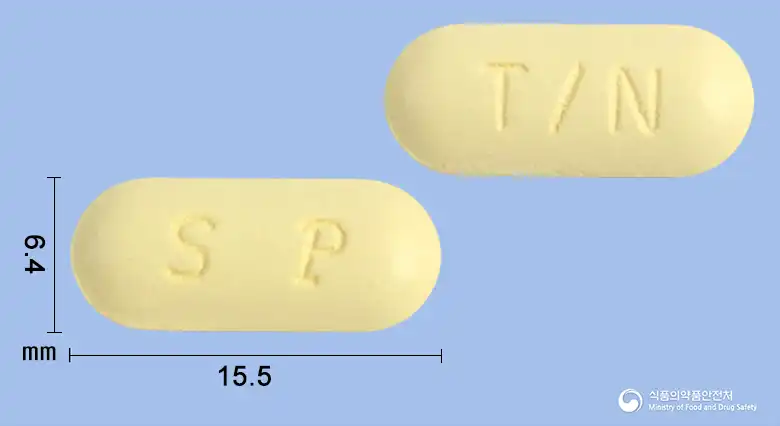 Combination
Acetaminophen 325mg · Tramadol Hydrochloride 37.5mg
Tablet · Prescription medication · Combination
Sinphong Pharmaceutical Co., Ltd.
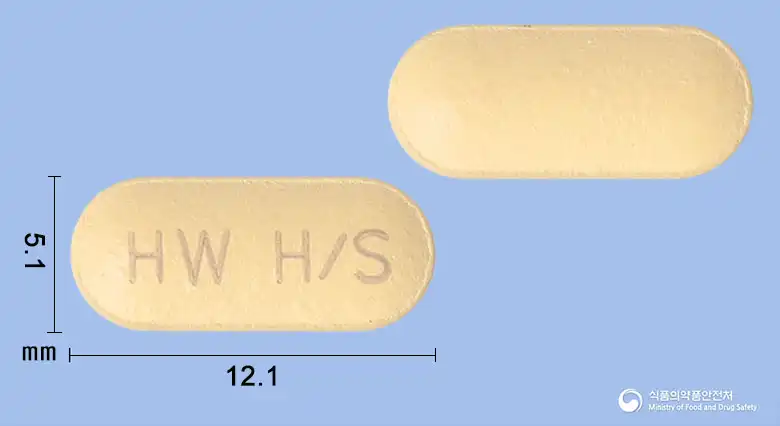 Combination
Acetaminophen 162.5mg · Tramadol Hydrochloride 18.75mg
Tablet · Prescription medication · Combination
Albozen Korea Co., Ltd.
Even with the same ingredient, the dose and directions can differ by strength and dosage form. Talk to a doctor or pharmacist before switching from a medication you are already taking.
No questions yet.
For anything that needs medical judgment, consult a doctor or pharmacist.
This drug information is based on data provided by the Korea Ministry of Food and Drug Safety.
Consult a doctor or pharmacist for accurate dosage, administration, and usage instructions.