
 한국어
 English
 日本語
 中文(简体)
 Viewing now
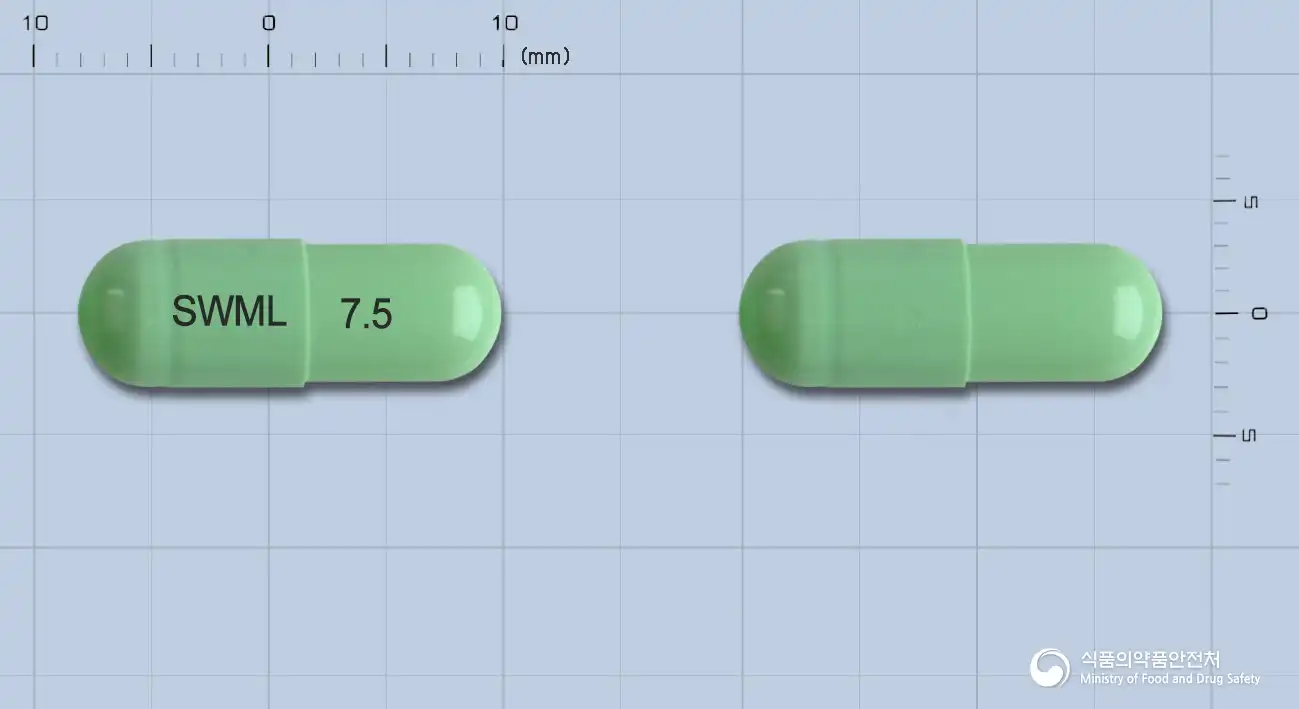
Movicam Capsule (Meloxicam)
Meloxicam 7.5mg
Hard capsule · Prescription medication
Sungwon Adcock Pharmaceutical Co., Ltd.
MFDS item code 201402969 · Approved 2014.07.04 · Insurance code 664901030
Short-term relief of symptoms of rheumatoid arthritis, ankylosing spondylitis, and acute exacerbations of osteoarthritis
This medication is used for short-term alleviation of symptoms when pain and movement disorders due to osteoarthritis are severe. It also helps to improve pain and inflammation symptoms caused by rheumatoid arthritis and ankylosing spondylitis. Therefore, it is effectively used to treat symptoms in patients experiencing discomfort due to joint diseases.
1. Acute exacerbations of osteoarthritis (degenerative arthritis): ○ Adults: Administer 7.5 mg of meloxicam orally once daily. If symptoms do not improve, the dose may be increased to 15 mg daily as needed. 2. Rheumatoid arthritis, ankylosing spondylitis: ○ Adults: Administer 15 mg of this medicine orally once daily. The dose may be reduced to 7.5 mg daily depending on the response to treatment. Do not administer more than 15 mg of this medicine per day. Take with water or another beverage during a meal. ○ In elderly patients or those at increased risk of adverse reactions, treatment is usually started at a dose of 7.5 mg daily. ○ Patients with severe renal impairment receiving hemodialysis should not receive more than 7.5 mg daily.
This medication may cause gastrointestinal bleeding if taken by individuals who regularly consume more than three glasses of alcohol daily, so it is essential to consult a physician or pharmacist. This medication may increase the risk of cardiovascular diseases and has the potential to cause serious issues such as heart attack or stroke; therefore, patients with cardiovascular diseases or risk factors should exercise particular caution. If chest pain, shortness of breath, weakness, or slurred speech occurs while taking this medication, immediately stop using it and consult a healthcare professional. This medication can cause serious gastrointestinal problems such as gastrointestinal bleeding, ulcers, or perforations, thus individuals who are elderly or have a history of gastrointestinal diseases should be particularly cautious. Long-term use may increase the risk of gastrointestinal adverse reactions, so it should be taken at the minimal dosage for the shortest duration possible. Severe rashes, mucosal damage, or allergic reactions may occur, so if these symptoms arise, stop taking the medication immediately. This medication can rarely cause kidney function issues, so those with kidney disease or compromised kidney function must consult a physician before use. Liver function abnormalities may occur, so individuals with a history of liver disease or abnormal liver function test results must regularly monitor their liver function while taking this medication. Women who are pregnant or planning to become pregnant should not take this medication, particularly in the late stages of pregnancy, as it may have serious effects on the fetus. This medication is not recommended for breastfeeding women, as it may be transmitted to the baby through breast milk. Taking this medication in combination with other non-steroidal anti-inflammatory pain relievers may increase the risk of side effects; therefore, always consult a healthcare professional when taking other analgesics. This medication can affect blood coagulation, so patients taking anticoagulants or blood thinners should carefully monitor for bleeding risks during treatment. This medication may cause drowsiness or dizziness while driving or operating machinery, so it is advisable to avoid such activities after taking it. Elderly patients may have reduced kidney, liver, and heart functions; therefore, they should take the minimal dosage cautiously and closely monitor for any side effects. In case of overdose, symptoms such as vomiting, drowsiness, and gastrointestinal bleeding may occur, and immediate medical attention is necessary. Keep this medication out of the reach of children and store it in its original container to maintain the quality of the drug.
Not everyone experiences these, and they can vary from person to person.
This medication is sensitive to light, so it should be stored in a tightly sealed container that blocks light. It is best to maintain a storage temperature between 1 and 30 degrees Celsius, which is typical room temperature.
Dark green capsule containing yellowish powder
30 capsules/bottle, 300 capsules/bottle
Even with the same ingredient, strength, dosage form and how it is taken can differ.
Viewing nowMeloxicam 7.5mg
Hard capsule · Prescription medication
Sungwon Adcock Pharmaceutical Co., Ltd.
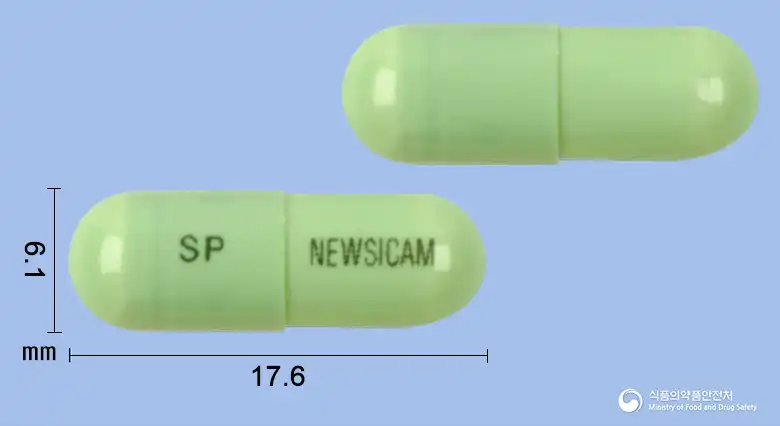
Meloxicam 7.5mg
Hard capsule · Prescription medication
Shinpoong Pharmaceutical Co., Ltd.
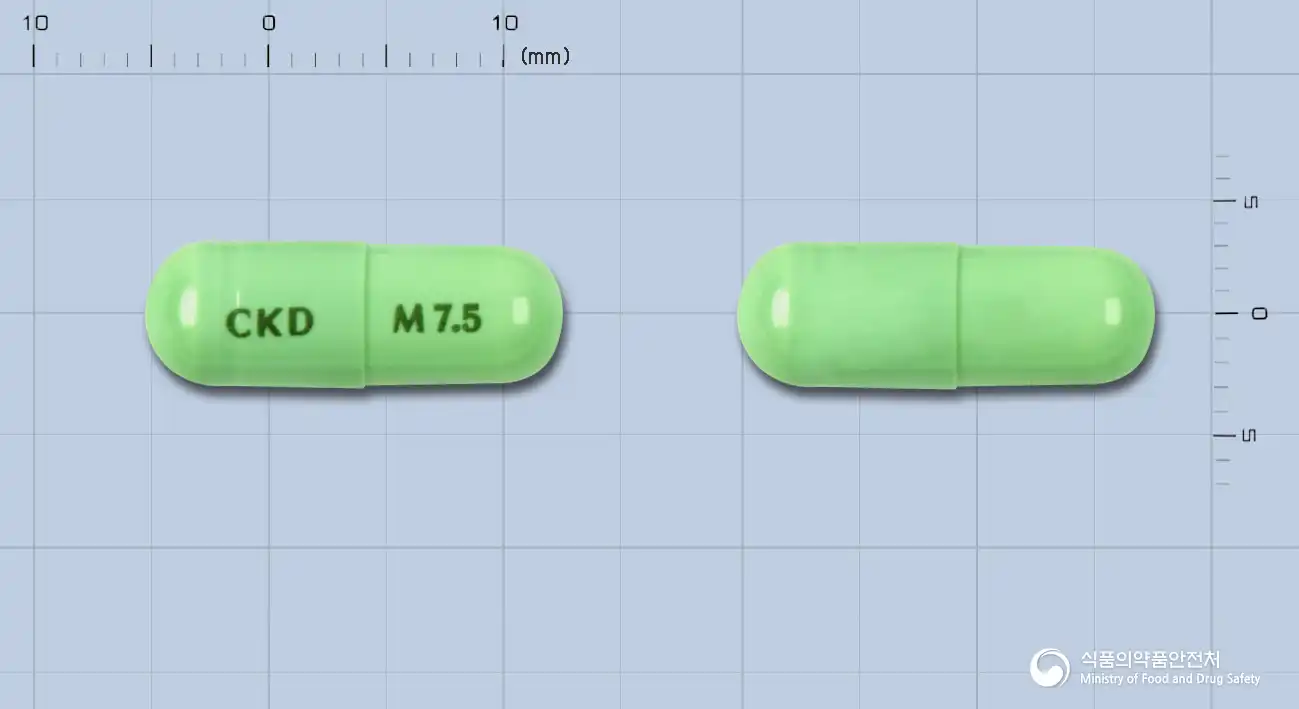
Meloxicam 7.5mg
Hard capsule · Prescription medication
Jongkundang Co., Ltd.
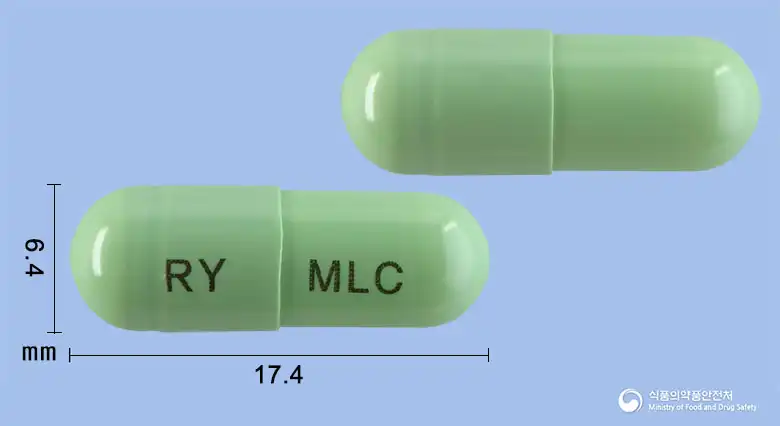
Meloxicam 7.5mg
Hard capsule · Prescription medication
IYUN Pharmaceutical Co., Ltd.
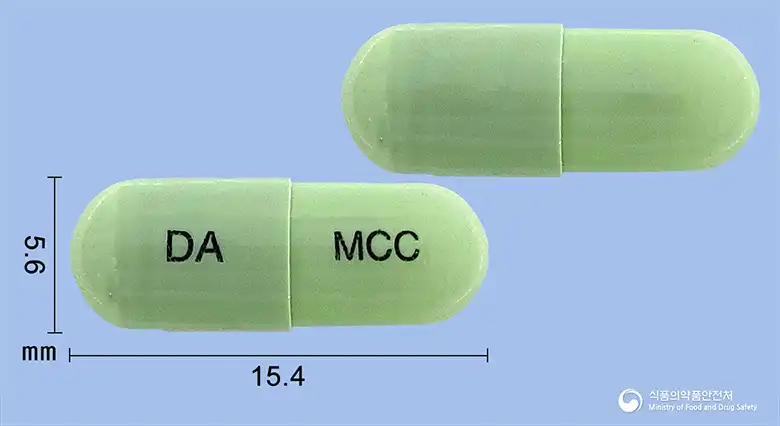
Meloxicam 7.5mg
Hard capsule · Prescription medication
Dong-A ST Co., Ltd.
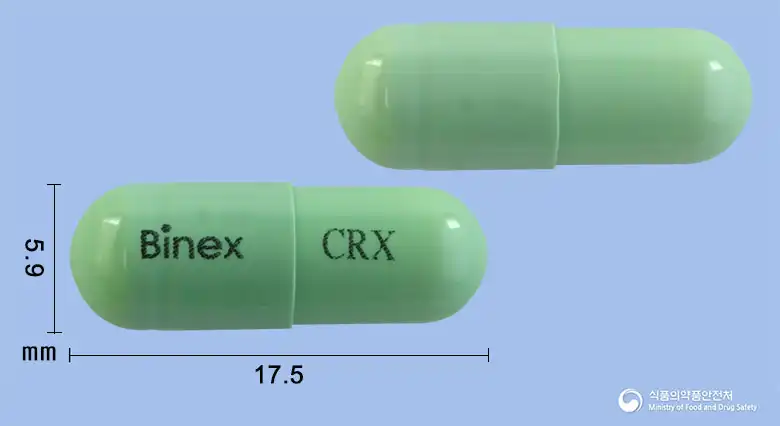
Meloxicam 7.5mg
Hard capsule · Prescription medication
Bionex Co., Ltd.
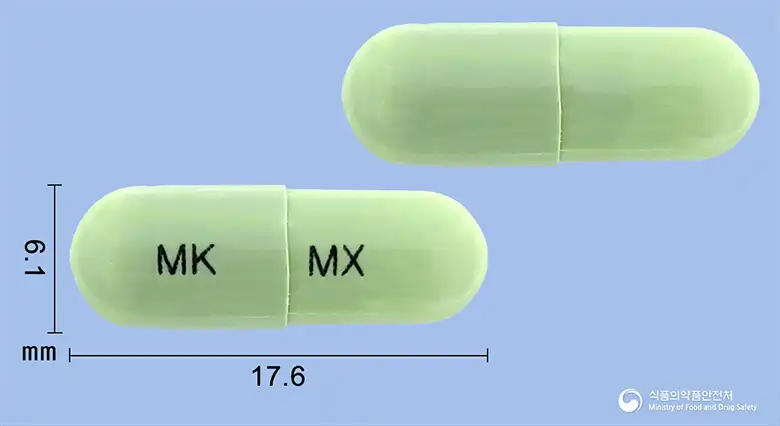
Meloxicam 7.5mg
Hard capsule · Prescription medication
Medica Korea Co., Ltd.
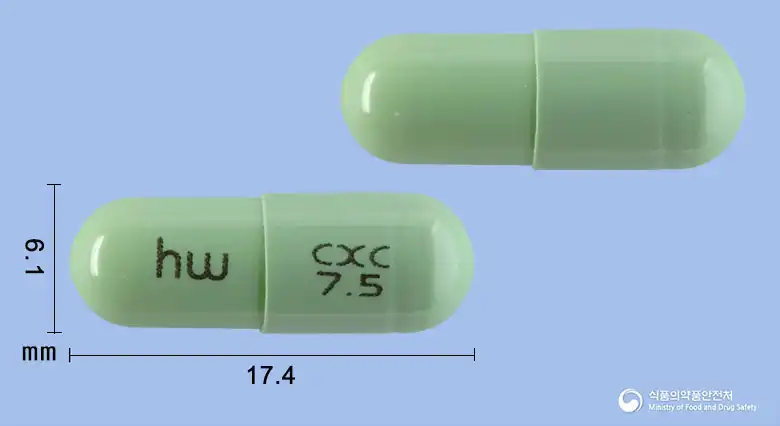
Meloxicam 7.5mg
Hard capsule · Prescription medication
Hawon Pharmaceutical Co., Ltd.
Even with the same ingredient, the dose and directions can differ by strength and dosage form. Talk to a doctor or pharmacist before switching from a medication you are already taking.
No questions yet.
For anything that needs medical judgment, consult a doctor or pharmacist.
This drug information is based on data provided by the Korea Ministry of Food and Drug Safety.
Consult a doctor or pharmacist for accurate dosage, administration, and usage instructions.