
 한국어
 English
 日本語
 中文(简体)
 Viewing now
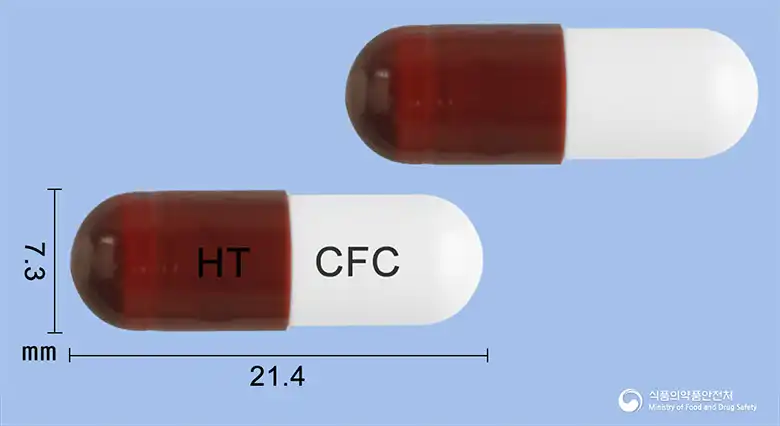
Cephasil Capsule (Cefadroxil Monohydrate)
Cefadroxil Hydrate 500mg
Hard capsule · Prescription medication
Hankook Hytex Pharmaceutical Co., Ltd.
MFDS item code 201402029 · Approved 2014.04.28 · Insurance code 649102360
Treatment of throat infections, urinary tract infections (such as cystitis), and skin and skin structure infections
This medication is effective against beta-hemolytic streptococcus, staphylococcus (including penicillinase-producing strains), pneumococcus, E. coli, Proteus mirabilis, and Klebsiella infections. It is primarily used for urinary infections such as pyelonephritis, cystitis, urethritis, skin and soft tissue infections, and pharyngitis and tonsillitis. It helps treat these infections and contributes to symptom improvement.
Urinary tract infections: For uncomplicated lower urinary tract infections (such as cystitis), administer 1~2 g (potency) of cefadroxil orally in 1~2 divided doses daily. For other urinary tract infections, administer 2 g (potency) daily in 2 divided doses. Skin and skin structure infections: Administer 1 g (potency) daily orally in 1~2 divided doses. Pharyngitis, tonsillitis: For pharyngitis and tonsillitis caused by beta-hemolytic streptococcal infection, administer 1 g (potency) daily orally in 1~2 divided doses for 10 days. Patients with renal impairment: In patients with renal impairment, the cefadroxil dose should be adjusted according to creatinine clearance to prevent drug accumulation. The following dosage schedule is recommended. The initial dose for adults is 1000mg (potency), and the maintenance dose is 500mg (potency) at the intervals below, based on creatinine clearance (mL/min/1.73m2). Patients with creatinine clearance of 50mL/min or more may be treated as patients with normal renal function. 0~10mL/min : 36 hours 10~25mL/min : 24 hours 25~50mL/min : 12 hours Adjust the dose as appropriate according to age and symptoms.
Urinary tract infections, skin and skin structure infections: Administer 30mg (potency) per Kg of body weight daily orally in 2 divided doses. Pharyngitis, tonsillitis: Administer 30mg (potency) per Kg of body weight daily orally in 1~2 divided doses. For beta-hemolytic streptococcal infections, administer for at least 10 days. Body weight 4.5Kg : 125mg/5mL 1 teaspoon, 250mg/5mL -, teaspoon : about 5mL Body weight 9.1Kg : 125mg/5mL 2 teaspoons, 250mg/5mL 1 teaspoon Body weight 13.6Kg : 125mg/5mL 3 teaspoons, 250mg/5mL 1½ teaspoons Body weight 18.2Kg : 125mg/5mL 4 teaspoons, 250mg/5mL 2 teaspoons, 500mg/5mL 1 teaspoon Body weight 22.7Kg : 125mg/5mL 5 teaspoons, 250mg/5mL 2½ teaspoons, 500mg/5mL 1¼ teaspoons Body weight 27.3Kg : 125mg/5mL 6 teaspoons, 250mg/5mL 3 teaspoons, 500mg/5mL 1½ teaspoons Body weight 31.8 or more : 125mg/5mL -, 250mg/5mL -, 500mg/5mL 2 teaspoons
This medication should not be used in certain patients. For instance, it is contraindicated for those who have previously experienced shock from this medication, those allergic to cephalosporins, patients with infectious mononucleosis, and patients with genetic lactose intolerance. Additionally, it should be used with caution in patients with histories of hypersensitivity, those allergic to penicillin antibiotics, those with asthma or skin allergies, patients with severely impaired kidney function, those unable to take oral medication, patients with gastrointestinal disease history, and those allergic to the dyes contained in this medication. This medication may rarely cause serious side effects, so if any unusual symptoms arise during use, administration should be discontinued immediately, and appropriate treatment should be sought. Possible side effects include shock, skin rash, blood abnormalities, liver function impairment, kidney dysfunction, gastrointestinal issues, respiratory problems, stomatitis, central nervous system symptoms, skin diseases, vitamin deficiencies, and more. When using this medication, it is advisable to administer it for the minimum necessary duration to prevent the emergence of resistant bacteria. If hypersensitivity is suspected, administration should be stopped immediately, and appropriate measures such as oxygen supply, intravenous fluids, and epinephrine should be taken. Regular monitoring of blood, kidney, and liver function is necessary during prolonged use, and caution is advised in patients with impaired kidney function due to the risk of seizures. Caution should also be exercised when used in conjunction with other medications that may affect the kidneys, as kidney dysfunction may worsen; co-administration with probenecid may increase the serum concentration of this drug. Women who are pregnant or may become pregnant should only use this medication if the potential benefits justify the risks, as its safety has not been established. Nursing mothers should also use it with caution. Elderly patients may be more susceptible to side effects due to decreased physical function, so dosage and administration intervals should be adjusted, and their condition should be closely monitored. Additionally, this medication may affect certain clinical test results, so caution is required during examinations, and rare photosensitive reactions may occur.
shock
Not everyone experiences these, and they can vary from person to person.
This medication should be stored in a tightly sealed container to protect it from moisture or air. It is best to maintain a storage temperature between 1°C to 30°C.
A hard capsule with a reddish-brown upper part and a white lower part containing a white to pale yellow powder.
30 capsules/bottle, 300 capsules/bottle
Even with the same ingredient, strength, dosage form and how it is taken can differ.
Viewing nowCefadroxil Hydrate 500mg
Hard capsule · Prescription medication
Hankook Hytex Pharmaceutical Co., Ltd.
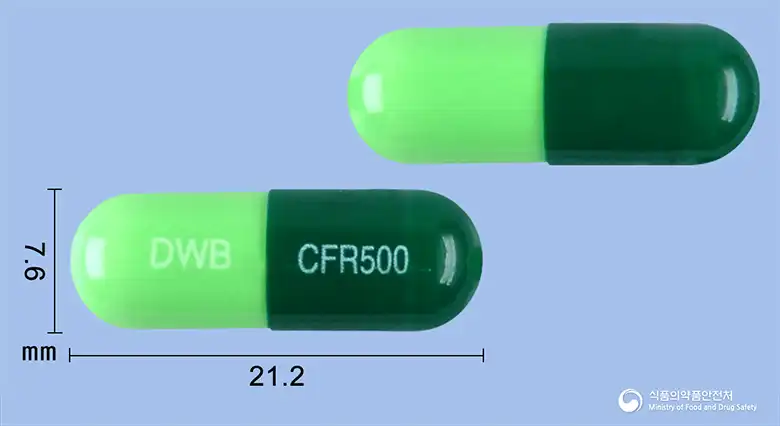
Cefadroxil Hydrate 500mg
Hard capsule · Prescription medication
Daewoong Bio Co., Ltd.
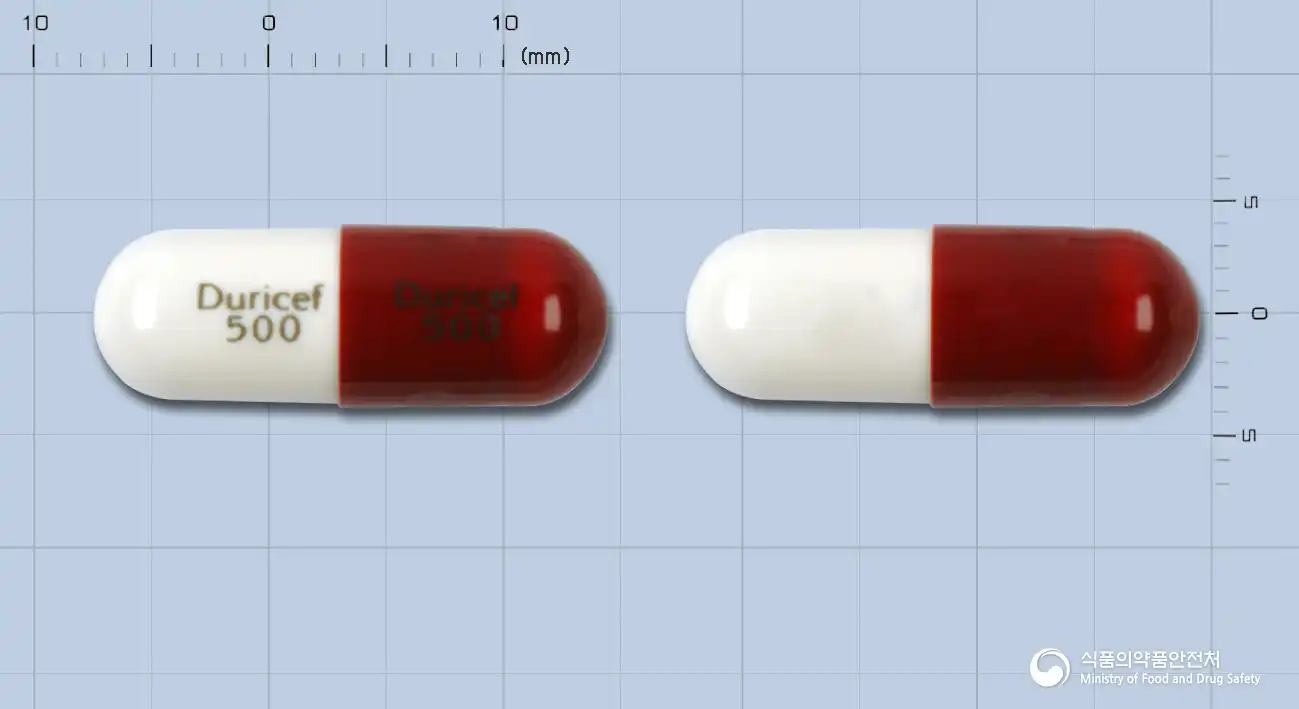
Cefadroxil Hydrate 500mg
Hard capsule · Prescription medication
Boryung Inc.
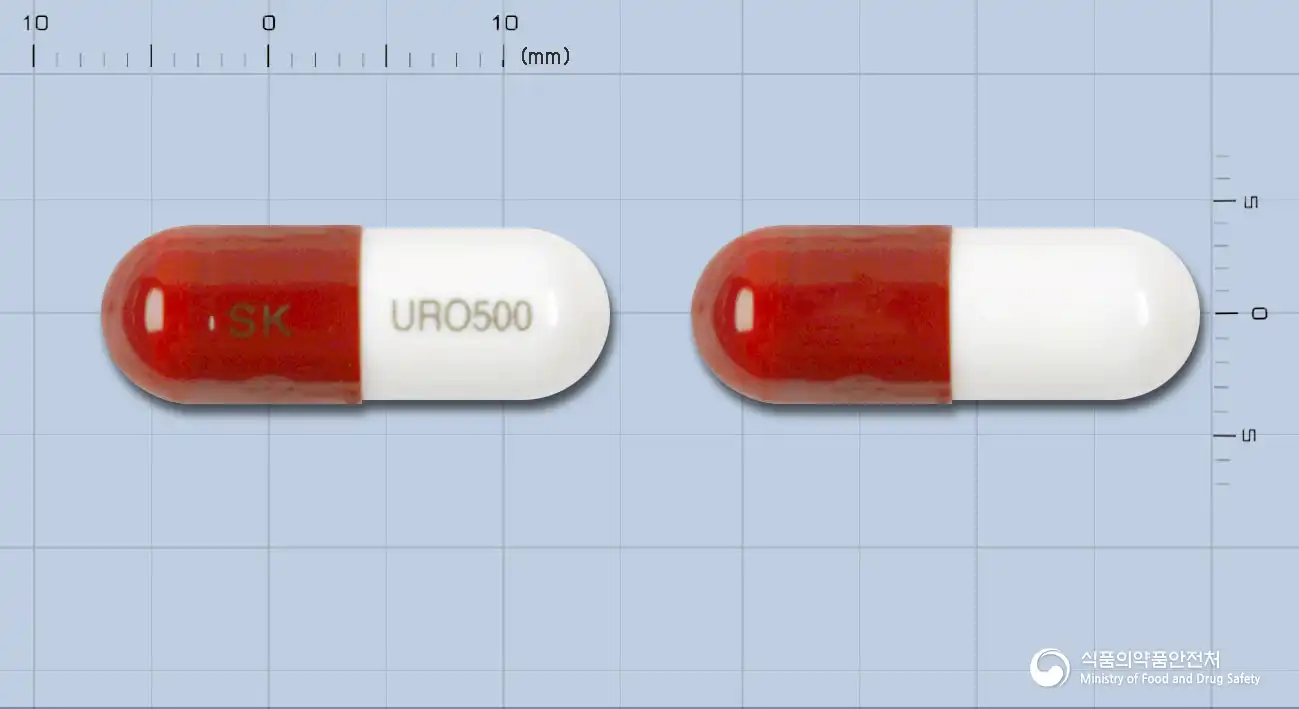
Cefadroxil Hydrate 500mg
Hard capsule · Prescription medication
SK Chemical Co., Ltd.
Cefadroxil Hydrate 9g
Prescription medication
Boryeong Co., Ltd.
Cefadroxil Hydrate 4.5g
Prescription medication
Boryeong Co., Ltd.
Cefadroxil Hydrate 500mg
Hard capsule · Prescription medication
Korea Pharmaceutical Co., Ltd.
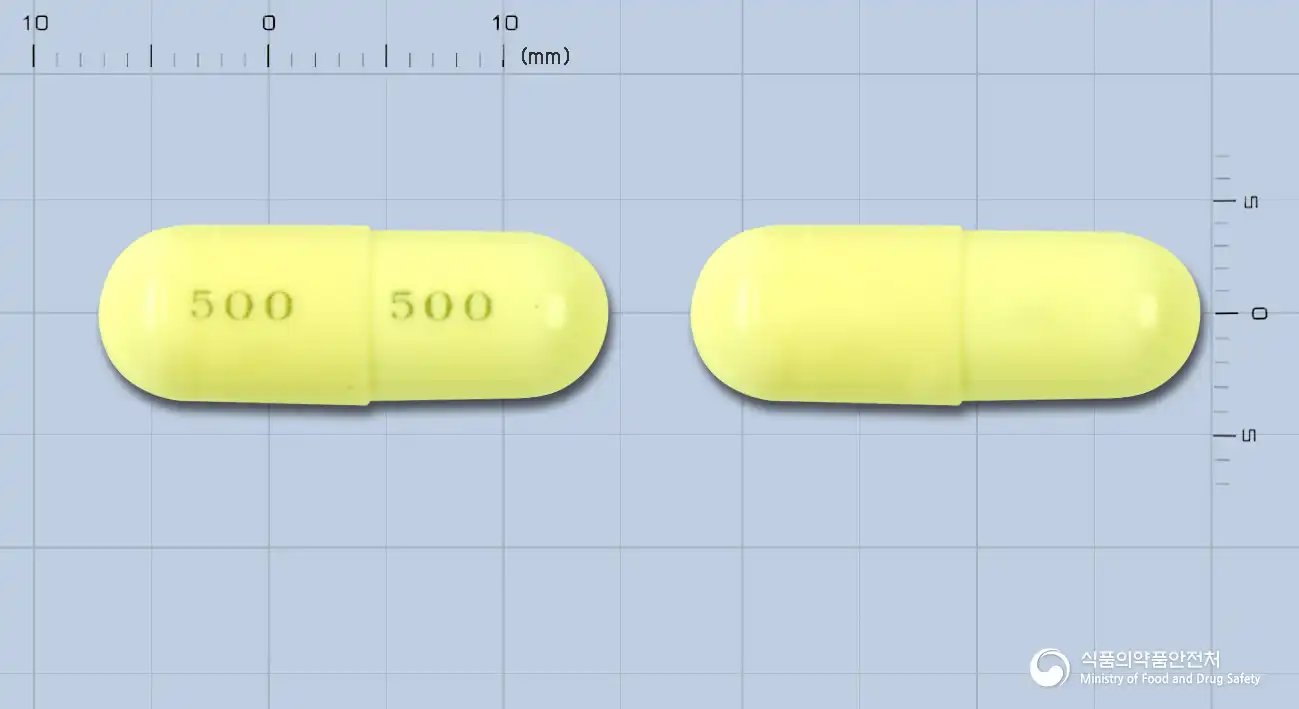
Cefadroxil Hydrate 500mg
Hard capsule · Prescription medication
Jongkundang Co., Ltd.
Even with the same ingredient, the dose and directions can differ by strength and dosage form. Talk to a doctor or pharmacist before switching from a medication you are already taking.
No questions yet.
For anything that needs medical judgment, consult a doctor or pharmacist.
This drug information is based on data provided by the Korea Ministry of Food and Drug Safety.
Consult a doctor or pharmacist for accurate dosage, administration, and usage instructions.