
 한국어
한국어 English
 日本語
日本語 中文(简体)
 Viewing nowCombination
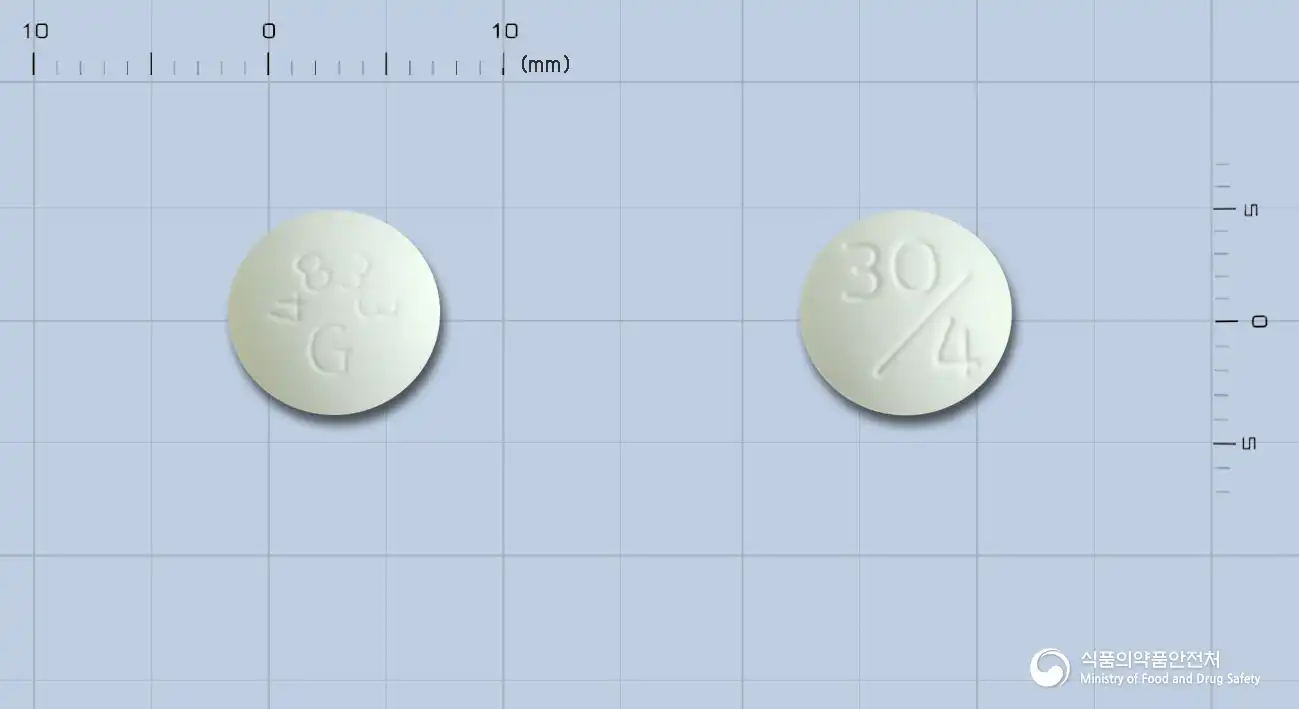
Actosril 30/4 mg tablet
Pioglitazone Hydrochloride 33.06mg · Glimepiride 4mg
Tablet · Prescription medication · Combination
Celltrion Pharmaceutical Co., Ltd.
MFDS item code 201309845 · Approved 2013.10.21 · Insurance code 693903500
Improvement of blood sugar control in type 2 diabetes
This medication is used as an adjunct to diet and exercise to improve blood glucose control in patients with type 2 diabetes who are appropriate candidates for combined therapy with glimepiride and pioglitazone.
The dosage of this medication should be individualized based on the patient's efficacy and tolerance. This medication should be taken once daily with breakfast. For patients whose blood sugar is not adequately controlled with glimepiride monotherapy, pioglitazone 15 mg can be combined with glimepiride, and after evaluating the treatment response, either pioglitazone/glimepiride 30 mg/2 mg tablet or 30 mg/4 mg tablet can be administered once daily.
This medication is used to treat type 2 diabetes and helps lower blood sugar levels. However, this medication should not be used in patients with severe heart function impairment, as it may present risks of worsening symptoms of heart failure. During treatment, if symptoms such as rapid weight gain or shortness of breath appear, consult a doctor immediately. Patients with a history of bladder cancer should carefully compare the risks of cancer recurrence with the benefits of blood glucose control when using this medication. Women who are pregnant or breastfeeding should avoid taking this medication, and pre-menopausal women are advised to use adequate contraception, as this medication may stimulate ovulation. This medication can affect liver function; therefore, regular liver function tests should be conducted before and during treatment, and if any signs of liver damage appear, notify medical personnel immediately. Due to the risk of hypoglycemia, particularly when co-administered with other glucose-lowering agents, it is important to be aware of hypoglycemic symptoms and to maintain regular eating and drinking habits. Elderly patients and those with impaired renal function have a higher risk of hypoglycemia, so careful dosage adjustments and monitoring are essential. Regular blood glucose and glycosylated hemoglobin tests should be conducted to check glucose control status while taking this medication, and if any unexpected side effects occur, consult a doctor immediately.
Congestive heart failure, severe edema, chest tightness, difficulty breathing, hypoglycemia, hives, angioedema, Stevens-Johnson syndrome, dyspnea, severe allergic reactions, liver function abnormalities (jaundice), symptoms of liver damage (fatigue, loss of appetite, right upper quadrant discomfort, dark urine, jaundice), severe neurological symptoms (seizures, confused consciousness, visual disturbances, paralysis), severe edema or urinary abnormalities (visible hematuria, urinary disturbances, urgency)
Not everyone experiences these, and they can vary from person to person.
This medication should be stored in a tightly sealed container to avoid exposure to air or moisture, ideally at room temperature between 1 and 30 degrees Celsius. This storage method helps maintain the medication's efficacy and safety.
White to grayish-white, convex round tablets
28 tablets (14 tablets/PTP packaging x 2)
Even with the same ingredient, strength, dosage form and how it is taken can differ.
Viewing nowCombinationPioglitazone Hydrochloride 33.06mg · Glimepiride 4mg
Tablet · Prescription medication · Combination
Celltrion Pharmaceutical Co., Ltd.
 Combination
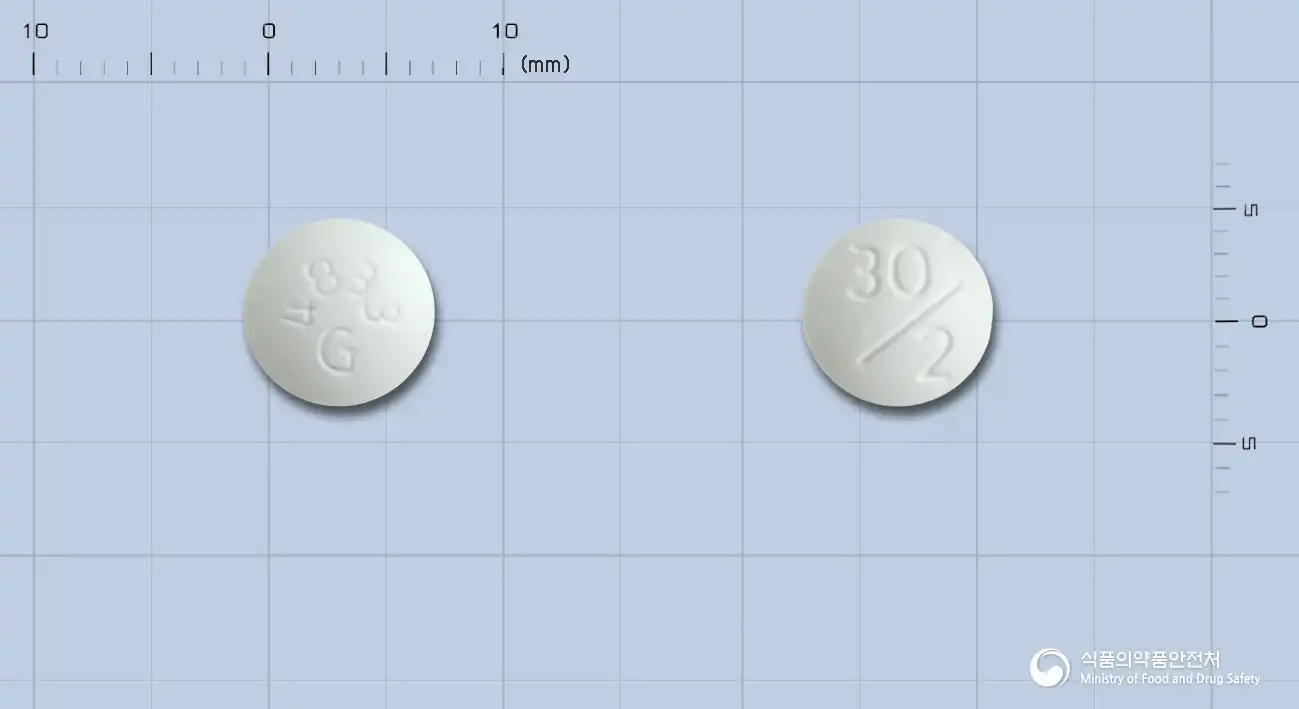
Pioglitazone Hydrochloride 33.06mg · Glimepiride 2mg
Tablet · Prescription medication · Combination
Celltrion Pharmaceutical Co., Ltd.
Even with the same ingredient, the dose and directions can differ by strength and dosage form. Talk to a doctor or pharmacist before switching from a medication you are already taking.
No questions yet.
For anything that needs medical judgment, consult a doctor or pharmacist.
This drug information is based on data provided by the Korea Ministry of Food and Drug Safety.
Consult a doctor or pharmacist for accurate dosage, administration, and usage instructions.