
 한국어
 English
 日本語
 中文(简体)
 Viewing now
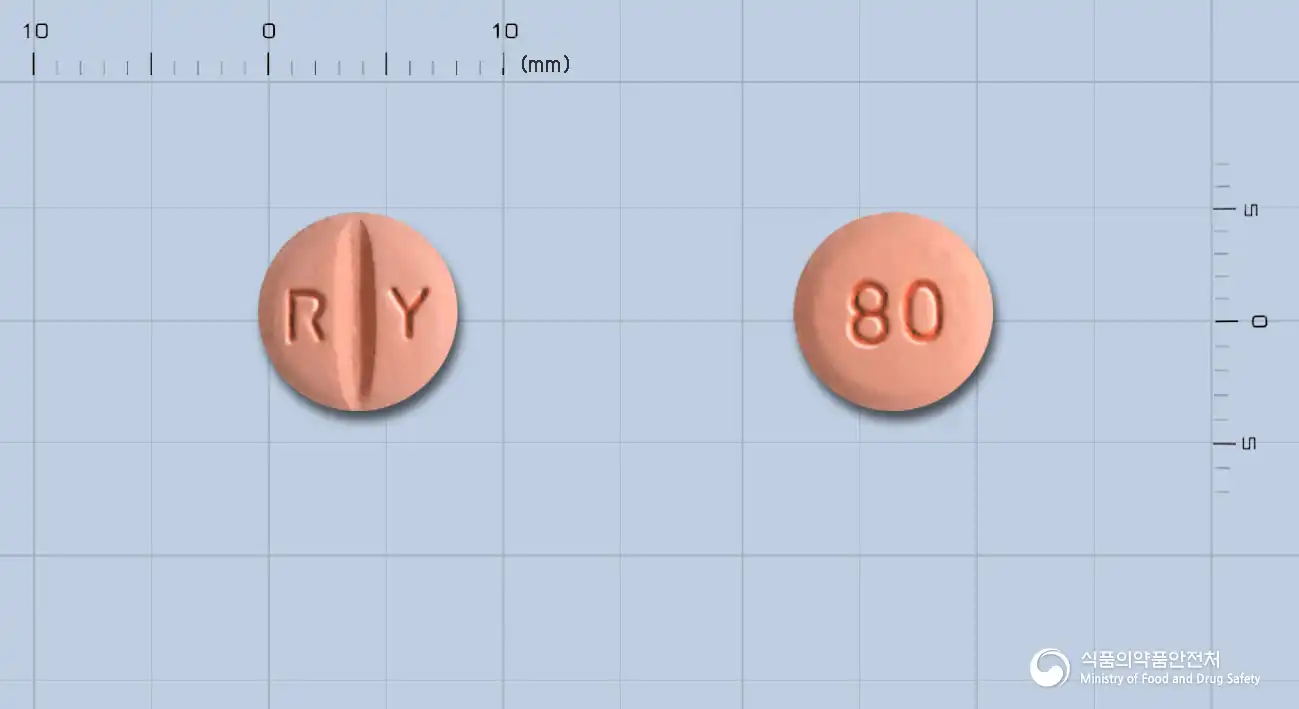
Dirotan Tablet 80mg (Valsartan)
Valsartan 80mg
Tablet · Prescription medication
Ilyun Pharmaceutical Co., Ltd.
MFDS item code 201308185 · Approved 2013.07.12 · Insurance code 658602820
Treatment of essential hypertension and heart failure; reduction of the risk of death after myocardial infarction
This medication is effective in controlling blood pressure in patients with essential hypertension and is suitable for patients with heart failure (NYHA stage II–IV) who are intolerant to ACE inhibitors. It also helps reduce the risk of mortality in stable patients with left ventricular dysfunction or systolic dysfunction after myocardial infarction. Therefore, it is used for hypertension, heart failure, and reducing the risk of mortality after myocardial infarction.
1. Essential hypertension Take with water during a meal or between meals. It is recommended to take this medicine at the same time each day (e.g., in the morning), if possible. 1) Adults: The recommended dose is valsartan 80 mg orally once daily, regardless of sex or race. The antihypertensive effect develops gradually within 2 weeks and reaches its maximum effect after 4 weeks. For patients whose blood pressure is not adequately controlled, the dose may be increased to 160 mg daily or a diuretic may be administered concomitantly. If further blood pressure reduction is needed, the dose may be increased to a maximum of 320 mg daily. 2) Older adults (75 years or older): Initiate treatment with 40 mg of this medicine once daily. 3) Patients with renal impairment: (1) Creatinine clearance 20 ∼ 50 mL/min: No dose adjustment is necessary. (2) Creatinine clearance 10 ∼ 20 mL/min: Initiate treatment with 40 mg of this medicine once daily. (3) Creatinine clearance below 10 mL/min and patients on dialysis: Do not administer this medicine. 4) Patients with volume depletion: In patients with volume depletion (e.g., patients taking high doses of diuretics whose dose cannot be reduced), initiate treatment with 40 mg of this medicine once daily. 5) Patients with hepatic impairment: In patients with mild or moderate hepatic impairment, initiate treatment with 40 mg of this medicine once daily; do not exceed 80 mg daily. Do not administer this medicine to patients with severe hepatic impairment, cirrhosis, or cholestasis. 2. Heart failure Adults: The recommended initial dose is 40 mg of this medicine orally per dose, 2 times daily; this may be increased to 80 mg or 160 mg per dose. When administered concomitantly with a diuretic, a reduction in the diuretic dose should be considered. The maximum daily dose is 320 mg, administered in divided doses. Triple combination therapy with this medicine, an ACE inhibitor, and a beta-blocker is not recommended. 3. Reduction of risk of death after myocardial infarction Adults: Treatment may be started within 12 hours after the onset of myocardial infarction. The recommended initial dose is 20 mg of this medicine per dose, 2 times daily; thereafter, over several weeks, increase the dose as tolerated by the patient to 40 mg, 80 mg, and 160 mg per dose, administered 2 times daily. Consider reducing the dose if symptoms of hypotension or renal failure occur. This medicine may also be administered to patients receiving other treatments after myocardial infarction (e.g., thrombolytics, acetylsalicylic acid, beta-blockers, and statins). However, concomitant use with an ACE inhibitor is not recommended. 4. Patients with renal impairment: No dose adjustment is necessary for creatinine clearance of 10 mL/min or higher. Do not administer this medicine to patients with creatinine clearance below 10 mL/min or to patients on dialysis, as there is no experience with its use in these patients. 5. Patients with hepatic impairment: In patients with mild or moderate hepatic impairment, the daily dose of this medicine should preferably not exceed 80 mg. If administering 80 mg or more daily, consider whether the benefits of dose escalation outweigh the risks. Do not administer this medicine to patients with severe hepatic impairment, cirrhosis, or cholestasis.
The safety and efficacy in children and adolescents under 18 years of age have not been established. The safety and efficacy in children and adolescents under 18 years of age have not been established.
This medication can cause serious harm to the fetus when taken during pregnancy, especially in the second and third trimesters, so it should be discontinued immediately upon confirmation of pregnancy. This medication should not be used in patients with certain conditions, such as severe liver or kidney impairment, those with a history of angioedema, or women who are pregnant or breastfeeding. Elderly patients, those with hyperkalemia, and patients with liver impairment should use this medication cautiously, with appropriate dose adjustments and close monitoring of their condition. Dizziness or hypotension may occur during treatment, so caution is needed when driving or operating machinery. Additionally, drug interactions may occur when taken with other antihypertensive agents, diuretics, or potassium-sparing agents, so consultation with a physician or pharmacist is necessary. Regular monitoring of kidney function and blood potassium levels is important during treatment to ensure there are no abnormalities. Particularly, patients with heart failure or after myocardial infarction should be monitored more closely for changes in kidney function and blood pressure fluctuations. This medication is not recommended for use in children and adolescents as safety and efficacy have not been established. In case of overdose, serious symptoms such as hypotension and decreased consciousness may occur, requiring immediate medical attention. Finally, this medication should be kept out of reach of children, and transferring it to other containers may cause deterioration of quality or accidents, so caution is advised.
Not everyone experiences these, and they can vary from person to person.
This medication is sensitive to air and moisture, so it should be stored in a tightly sealed container. It is also important to keep it in a cool place below 30 degrees Celsius to maintain its effectiveness.
Light red round film-coated tablet
30 tablets/bottle, 100 tablets/bottle
Even with the same ingredient, strength, dosage form and how it is taken can differ.
Viewing nowValsartan 80mg
Tablet · Prescription medication
Ilyun Pharmaceutical Co., Ltd.
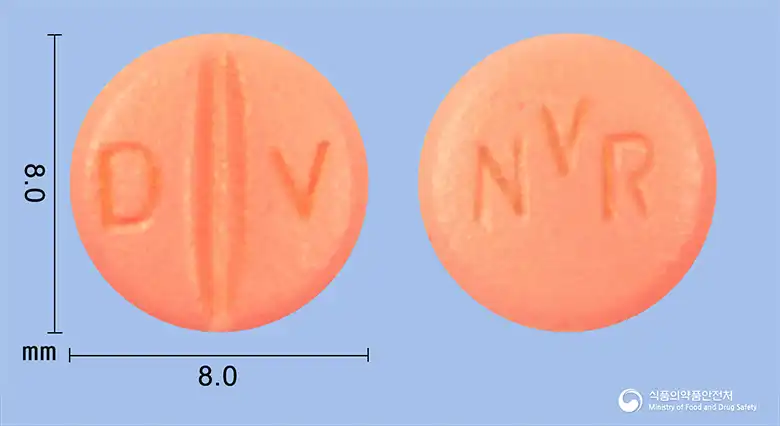
Valsartan 80mg
Tablet · Prescription medication
Novartis Korea Co., Ltd.
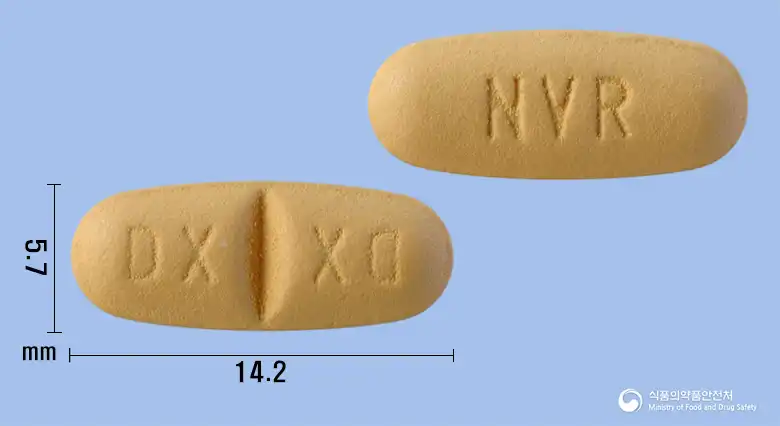
Valsartan 160mg
Tablet · Prescription medication
Novartis Korea Co., Ltd.
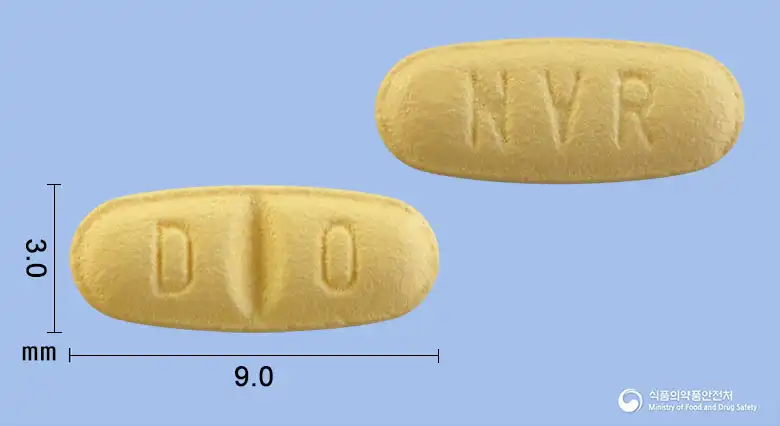
Valsartan 40mg
Tablet · Prescription medication
Samsung Novartis Co., Ltd.
Valsartan
Prescription medication
Korea Sandos Co., Ltd.
Valsartan
Prescription medication
Korea Sandos Co., Ltd.
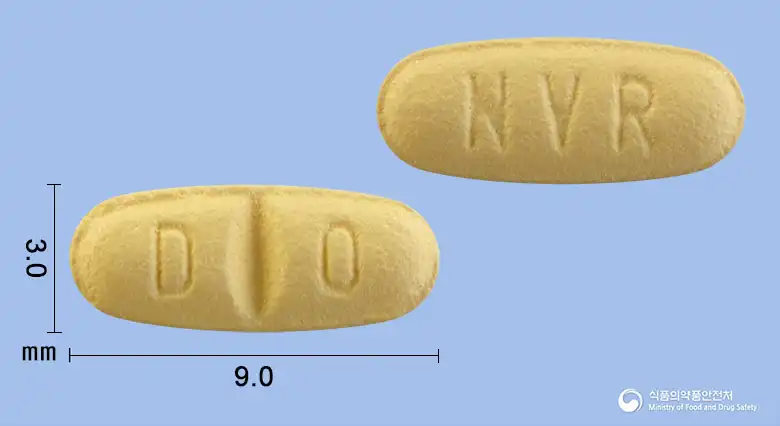
Valsartan
Prescription medication
Korea Sandos Co., Ltd.
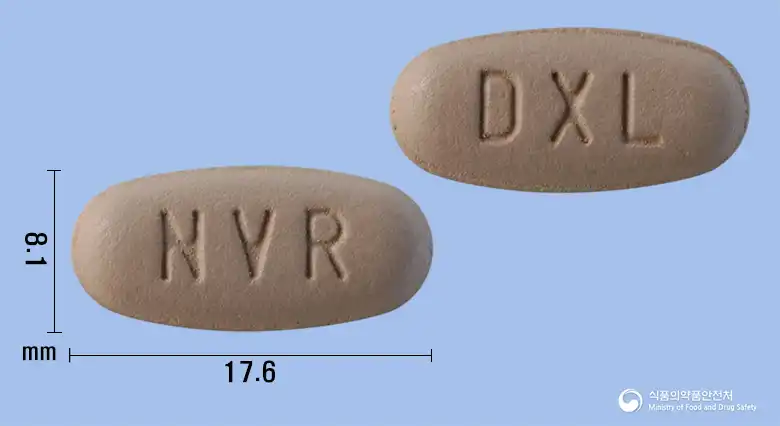
Valsartan 320mg
Tablet · Prescription medication
Novartis Korea Co., Ltd.
Even with the same ingredient, the dose and directions can differ by strength and dosage form. Talk to a doctor or pharmacist before switching from a medication you are already taking.
No questions yet.
For anything that needs medical judgment, consult a doctor or pharmacist.
This drug information is based on data provided by the Korea Ministry of Food and Drug Safety.
Consult a doctor or pharmacist for accurate dosage, administration, and usage instructions.