
 한국어
한국어 English
 日本語
日本語 中文(简体)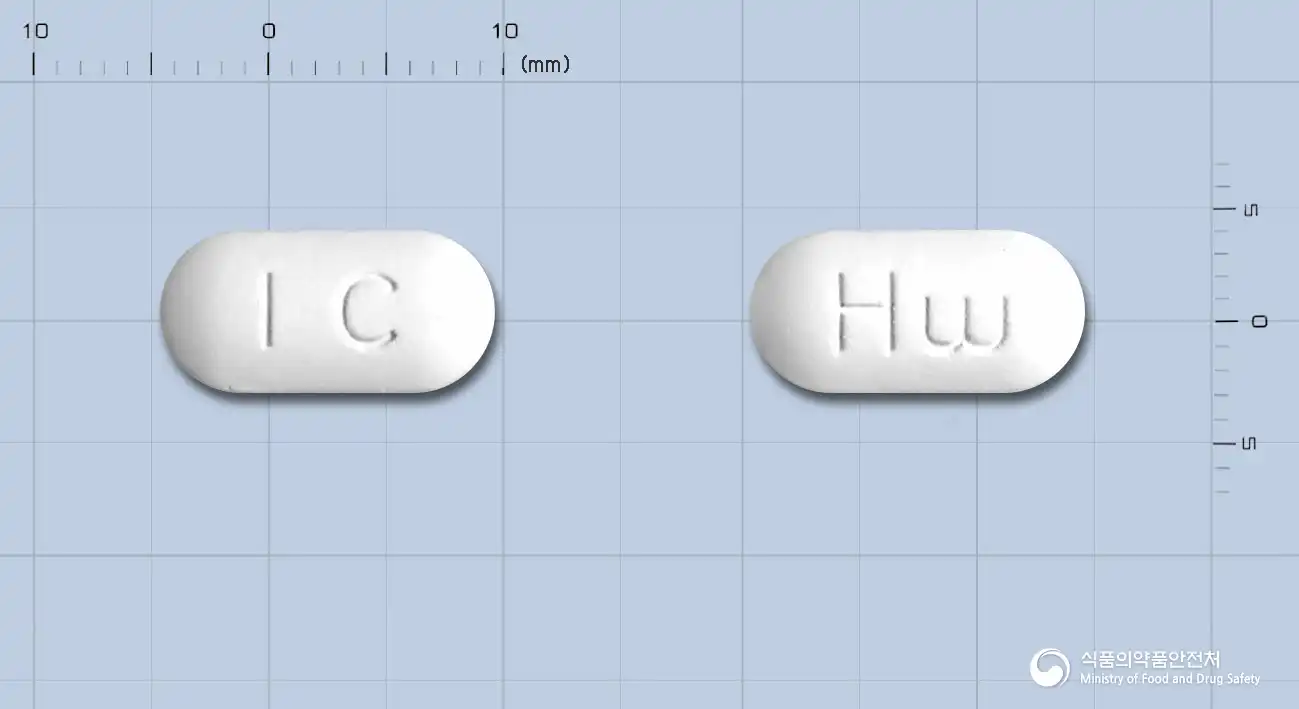
Summary
- Main use
- Improvement of osteoporosis in postmenopausal women
- Who takes it
- Adults · Children
- Adult dose
- Take 1 tablet regularly once a month in the morning, at least 1 hour before eating food, drinking beverages (excluding water), or taking other oral medications or dietary supplements (including calcium), with a sufficient amount of water. It must be swallowed while standing or in an upright position with a sufficient amount (180-240 ml) of water, and lying down for 60 minutes after taking should be avoided. Mineral water may reduce the absorption of this medication.
- Child dose
- Efficacy and safety in pediatric patients under 18 years have not been studied.
Ingredients
- Manufacturer
- 알보젠코리아(주)
Efficacy & effects
Improvement of osteoporosis in postmenopausal women
- Osteoporosis
View approved original textHide original text
This medication is used to treat osteoporosis occurring in postmenopausal women. Osteoporosis is a condition characterized by low bone density, making bones weak and easily fractured. This drug helps to increase bone strength and reduce fracture risk. It is particularly effective for maintaining and enhancing bone health in postmenopausal women. Therefore, it is used for the prevention and treatment of osteoporosis.
How to take
Adult dose
Take 1 tablet regularly once a month in the morning, at least 1 hour before eating food, drinking beverages (excluding water), or taking other oral medications or dietary supplements (including calcium), with a sufficient amount of water. It must be swallowed while standing or in an upright position with a sufficient amount (180-240 ml) of water, and lying down for 60 minutes after taking should be avoided. Mineral water may reduce the absorption of this medication.
Child dose
Efficacy and safety in pediatric patients under 18 years have not been studied.
Precautions
This medication should not be used in certain patients. For example, patients with allergies to this medication or any of its components, patients with untreated hypocalcemia, patients who cannot sit or stand upright for at least 60 minutes, patients with esophageal problems that impede the passage of food, and patients with lactose intolerance or certain genetic metabolic disorders should not take this medication. Patients with severe renal impairment should exercise particular caution when using this medication. If renal function is significantly impaired, the administration of this medication should be carefully considered. Various side effects can occur when taking this medication. The most common side effects include dyspepsia, constipation, nausea, abdominal pain, diarrhea, headache, dizziness, muscle pain, joint pain, and influenza-like symptoms. Rarely, symptoms such as skin rash, angioedema, facial swelling, chest discomfort, and difficulty breathing have also been reported. Additionally, this medication can cause serious esophageal issues, such as esophagitis, esophageal ulcers, and esophageal strictures. Therefore, it is essential to take it according to the doctor's instructions and ensure proper administration. If difficulty swallowing, chest pain, or pain upon swallowing occurs, immediately stop taking the medication and consult medical personnel. It is important to adequately intake calcium and vitamin D while taking this medication. In particular, if taking calcium supplements or antacids, it is advisable to space their intake at least 1 hour apart as they may hinder the absorption of this medication. As a bisphosphonate, there is a risk of severe osteonecrosis of the jaw, so it is advised that particularly cancer patients or patients requiring dental treatment undergo oral examinations before taking it, and avoid excessive dental procedures during treatment. Pregnant or breastfeeding women are advised not to use this medication, and safety and efficacy in children and adolescents under 18 years have not been established. In case of overdose, gastrointestinal disturbances or hypocalcemia may occur, so adherence to the prescribed dosage is crucial, and if any unusual symptoms arise, consult medical personnel immediately. Finally, this medication should be kept out of the reach of children, and unused medications should be disposed of properly to prevent environmental pollution.
Side effects and when to seek care immediately
Serious side effects
Hives, severe swelling (edema), difficulty breathing, chest tightness, chest discomfort, facial swelling, cold sweat, paleness, severe allergic reactions, severe rash with high fever, blisters, skin peeling, mucosal pain in the mouth/eyes, severe skin reactions, pneumonia, difficulty breathing, asthma attack, respiratory distress accompanied by cough and fever, jaundice (yellowing of the skin or eyes), extreme lethargy, liver abnormalities (jaundice), sudden...
Mild side effects
- Dyspepsia
- constipation
- upper abdominal pain
- nausea
- abdominal pain
- diarrhea
- headache
- dizziness
- pain
- chills
Show 26 moreCollapse
- influenza-like illness
- chest discomfort
- chest pain
- facial swelling
- fever
- muscle pain
- joint pain
- bone pain
- back pain
- nasopharyngitis
- rash
- dry mouth
- gastritis
- esophagitis
- numbness
- confusion
- ptosis
- hypertriglyceridemia
- hyponatremia
- hypokalemia
- polyuria
- cystitis
- dysuria
- leg pain
- generalized edema
- fainting
Not everyone experiences these, and they can vary from person to person.
Storage
This medication should be stored in a tightly sealed container to prevent exposure to air or moisture at a temperature between 1 to 30 degrees Celsius. Proper storage will help maintain the medication's effectiveness and safety.
Appearance and packaging
Appearance
White to almost white rectangular film-coated tablet
Package unit
1 tablet/PTP
Questions about this medicine
No questions yet.
For anything that needs medical judgment, consult a doctor or pharmacist.