
 한국어
한국어 English
 日本語
日本語 中文(简体)
 Viewing now
Daehwa Acyclovir Tablet
Acyclovir 200mg
Tablet · Prescription medication
Daehwa Pharmaceutical Co., Ltd.
MFDS item code 201307939 · Approved 2013.06.28 · Insurance code 645604250
Treatment of herpes simplex and herpes zoster (acute pain) and improvement of chickenpox
This medication is used to treat and prevent herpes simplex virus infections that occur in the skin and mucous membranes, including initial and recurrent genital herpes. It is also effective in treating herpes zoster virus infections, especially helping to relieve acute phase pain. However, the effectiveness for post-herpetic neuralgia is not yet conclusively established. It is suitable for treating chickenpox in children aged 2 years and older. This drug is effectively used for the treatment and prevention of various infections.
1. Treatment of herpes simplex virus infections: Administer 200 mg 5 times daily, every 4 hours for 5 days; treatment may be extended for severe initial infections. In severely immunocompromised patients or patients with gastrointestinal absorption disorders, the dose may be increased to 400 mg per dose, or administered intravenously. 2. Prevention of herpes simplex infections in immunocompetent patients: Administer 200 mg 4 times daily at approximately 6-hour intervals.
1. Treatment of herpes simplex infections and prevention in immunocompromised patients: - Age 2 years and older: same as adult dosage. - Under 2 years: administered at 1/2 of adult dosage. - No definitive data on prevention of herpes simplex virus infections in immunocompetent patients.
This medication should not be used in patients who are hypersensitive to the drug itself or its components. Patients with impaired renal function may experience central nervous system adverse reactions, so caution is advised. Patients with reduced liver function should be administered with caution as liver function may further deteriorate. Use in infants and children should be approached with caution, especially in neonates or low birth weight infants, where safety has not been established, and should only be administered when necessary. Elderly patients often have reduced renal function, which may increase drug concentration in the blood, so dosage and interval should be adjusted with caution. Serious allergic reactions such as anaphylactic shock may rarely occur, so symptoms should be carefully monitored during administration. If hypersensitivity reactions such as rash, fever, blisters, hives occur, administration should be stopped immediately, and appropriate measures should be taken. Conditions such as hair loss, erythema multiforme, and severe skin diseases may develop, so consultation with a doctor is necessary if symptoms appear. Central nervous system symptoms such as altered consciousness, confusion, hallucinations, and seizures may occur, especially more frequently in elderly patients or those with renal impairment. Renal-related adverse reactions such as renal function impairment, hematuria, and proteinuria may occur, so renal status should be monitored periodically. Blood and lymphatic system abnormalities may occur, so if symptoms like bleeding, anemia, or leukopenia arise, immediate medical consultation is required. Liver function abnormalities, jaundice, and hepatitis may occur, so regular liver function tests are recommended. Gastrointestinal symptoms such as gastritis, vomiting, and diarrhea may occur, and if symptoms are severe, administration should be discontinued. Systemic symptoms such as fever, muscle weakness, and headache may occur, so if any unusual symptoms arise, notify a doctor. Musculoskeletal pain or arthralgia may occur. Adverse cardiovascular effects such as arrhythmia, blood pressure changes, chest pain should be handled with care. Urinary anomalies such as urinary obstruction or difficulty urinating may rarely arise. Sufficient hydration is important when using this medication, especially to prevent dehydration when high doses are administered. To enhance therapeutic effect, it is advisable to start treatment as soon as possible, within 5 days after the onset of shingles skin symptoms, and within 3 days for chickenpox. Patients with impaired immune function may consider intravenous treatment. Caution is necessary when driving or operating hazardous machinery due to the potential for altered consciousness, and patients with reduced renal function should exercise additional caution. This medication may interact with other drugs, particularly those affecting renal function, increasing the risk of renal toxicity. Women who are pregnant or may become pregnant should carefully weigh the benefits and risks of treatment, and breastfeeding should be halted as the drug components can be passed in breast milk.
Shock, anaphylactic shock, anaphylactoid reactions, hypotension, respiratory distress, chest tightness, hives, skin and mucous membrane syndrome (Stevens-Johnson syndrome), toxic epidermal necrolysis (Lyell's syndrome), altered consciousness, disorientation, attention deficit, coma, confusion, delirium, encephalopathy, seizures, hallucinations, psychiatric disorders, renal failure, hematuria, proteinuria, hepatitis, liver dysfunction, jaundice, liver function abnormalities (AST/ALT, LDH, ALP, total
Not everyone experiences these, and they can vary from person to person.
This medication must be stored in a tightly sealed container to prevent exposure to air or moisture. It is important to maintain storage temperatures between 1 and 30 degrees Celsius to ensure the drug's efficacy remains safely intact for a long duration.
Pale blue round tablet
30 tablets/bottle, 200 tablets/bottle
Even with the same ingredient, strength, dosage form and how it is taken can differ.
Viewing nowAcyclovir 200mg
Tablet · Prescription medication
Daehwa Pharmaceutical Co., Ltd.
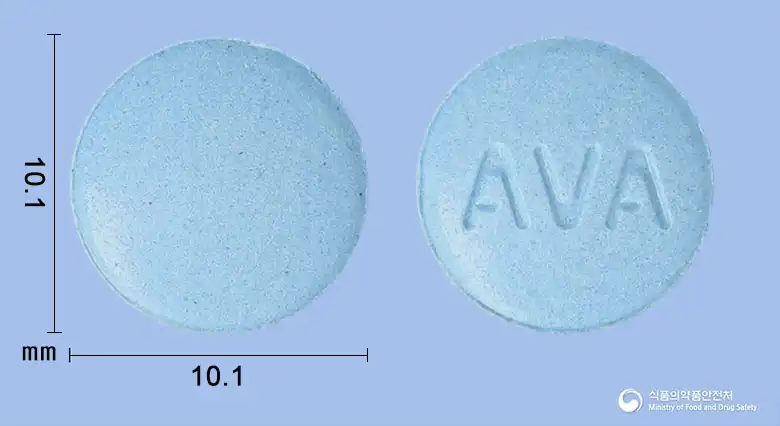
Acyclovir 200mg
Tablet · Prescription medication
Kyung dong Pharm Co., Ltd.
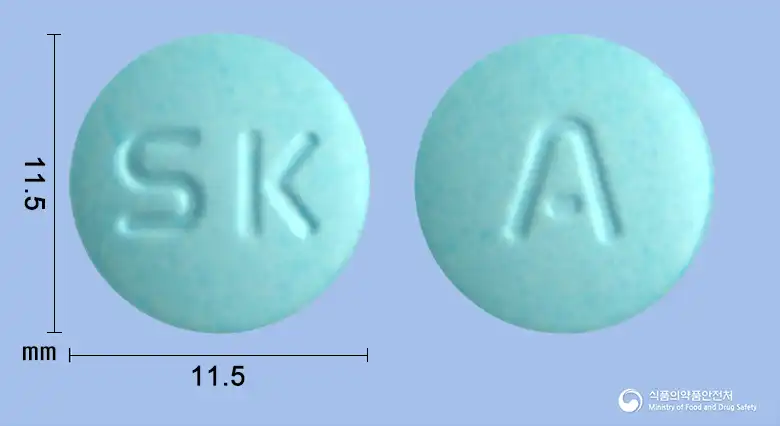
Acyclovir 200mg
Tablet · Prescription medication
SK Chemicals Co., Ltd.
Acyclovir
Prescription medication
Baskan Biopharmaceutical Co., Ltd.
Acyclovir 50mg
Cream · OTC medication
Dongkwang Pharmaceutical Co., Ltd.
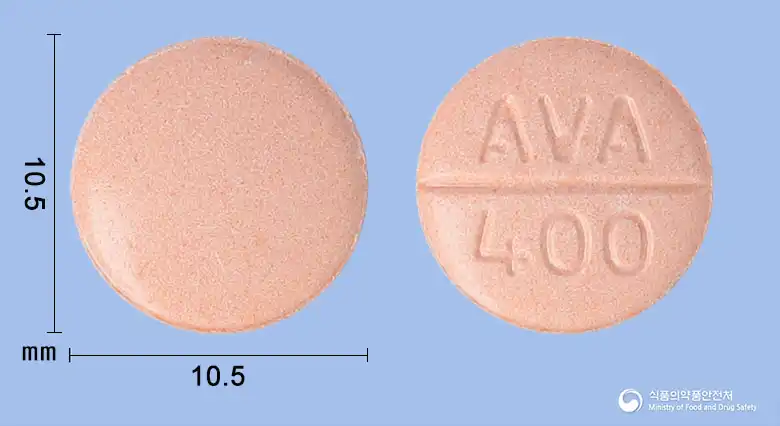
Acyclovir 400mg
Tablet · Prescription medication
Kyung dong Pharm Co., Ltd.
Acyclovir 50mg
Cream · OTC medication
Kyungdong Pharmaceutical Co., Ltd.
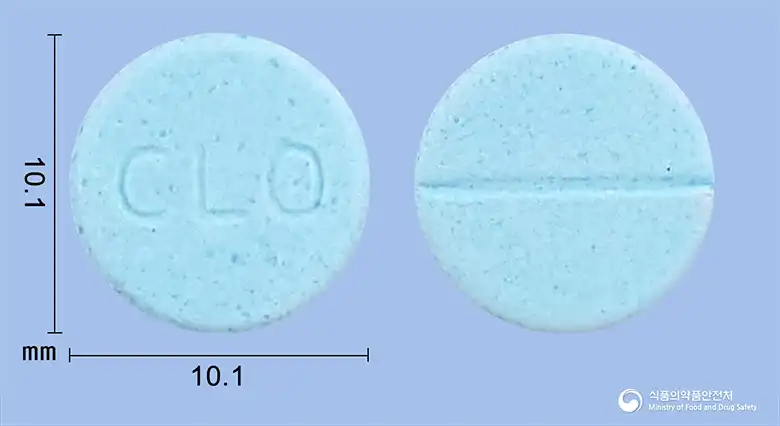
Acyclovir 200mg
Tablet · Prescription medication
Vivozon Pharmaceutical Co., Ltd.
Even with the same ingredient, the dose and directions can differ by strength and dosage form. Talk to a doctor or pharmacist before switching from a medication you are already taking.
No questions yet.
For anything that needs medical judgment, consult a doctor or pharmacist.
This drug information is based on data provided by the Korea Ministry of Food and Drug Safety.
Consult a doctor or pharmacist for accurate dosage, administration, and usage instructions.