
 한국어
 English
 日本語
 中文(简体)
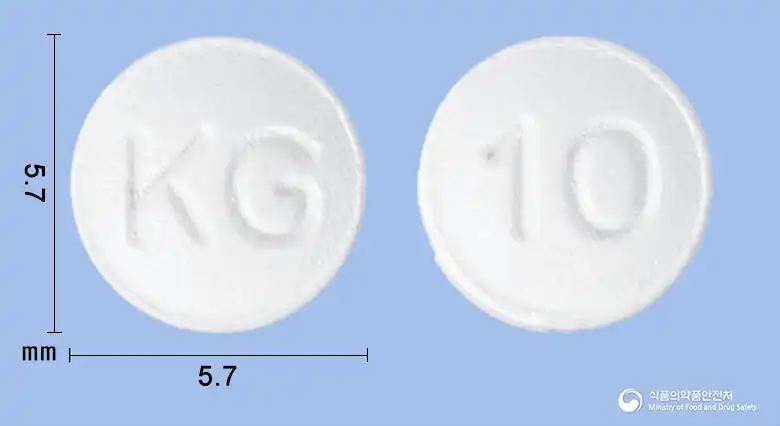 Viewing now
Glostatin Tablet 10 mg (Atorvastatin Calcium Hydrate)
Atorvastatin Calcium Hydrate 10.85mg
Tablet · Prescription medication
Keeps Biopharma Co., Ltd.
MFDS item code 201206836 · Approved 2012.09.18 · Insurance code 693200800
Improvement of hyperlipidemia (including familial hyperlipidemia in children); prevention of cardiovascular disease
This medication helps reduce the risk of cardiovascular diseases. In particular, it reduces the risk of myocardial infarction, stroke, vascular surgery, and angina in adults with multiple risk factors for coronary artery disease and in patients with type 2 diabetes. Additionally, in patients who already have coronary artery disease, it not only reduces the risk of myocardial infarction and stroke but also lowers the risk of hospitalization due to congestive heart failure. In patients with hyperlipidemia, it helps lower total cholesterol, LDL-cholesterol, apo-B protein, and triglyceride levels, while raising HDL-cholesterol levels. It is also used to improve various types of dyslipidemia and hypercholesterolemia in young children who respond poorly to dietary therapy. This medication is useful in improving cardiovascular diseases and cholesterol issues.
Patients should follow a standard cholesterol-lowering diet before and during treatment with atorvastatin. This medicine may be taken at any time of day, with or without food. 1. Hyperlipidemia The recommended initial dose is 10 mg of atorvastatin once daily. For patients who require a greater reduction in LDL cholesterol, treatment may be initiated at 20 mg or 40 mg once daily (only when a reduction in LDL cholesterol of 45 % or more is required). This medicine is administered at a dose of 10 ~ 80 mg once daily. The initial and maintenance doses of this medicine should be individualized according to the patient’s characteristics, taking into account treatment goals and response. Lipid levels should be analyzed within 2 ~ 4 weeks after starting treatment and/or dose titration, and the dose adjusted accordingly. Because the goal of treatment is to lower LDL cholesterol, LDL cholesterol is recommended for use when initiating treatment and assessing treatment response. However, if LDL cholesterol levels are unavailable, total cholesterol should be used to monitor treatment response. Patients with homozygous familial hypercholesterolemia The dose of this medicine is 10 ~ 80 mg once daily. It is administered concomitantly with other lipid-lowering treatments (e.g., LDL apheresis), or alone if such lipid-lowering treatments are not possible. ○ Patients with renal impairment: Renal disease does not affect plasma concentrations of atorvastatin or its LDL cholesterol-lowering effect; therefore, dose adjustment is not necessary. ○ Older adults: The efficacy and safety in patients aged 70 years and older are generally similar to those in the usual adult patient population.
Pediatric patients with heterozygous familial hypercholesterolemia (10 ~ 17 years): The recommended initial dose is 10 mg of this medicine once daily, and the recommended maximum dose is 20 mg once daily (there are no clinical data on doses of this medicine higher than 20 mg in pediatric patients).
This medicine may cause muscle problems, so if symptoms like muscle pain or weakness occur, treatment should be stopped immediately and a doctor should be consulted. Particularly, if muscle enzyme levels rise significantly or serious myopathy is suspected, discontinuation of the medication is necessary. Patients with poor liver function or liver disease should not use this medicine, and it is important to have regular liver function tests. This medicine should not be used in pregnant or breastfeeding women, and women of childbearing age should take appropriate contraception while on this medication. Children, especially those under 10 years of age, should not take this medicine. Individuals with a history of alcohol abuse or liver disease, and patients with impaired kidney function should exercise additional caution when taking this medicine. This medicine interacts with many other drugs, so if any other medications are being used, it is essential to inform a doctor or pharmacist. Especially when used concurrently with certain antibiotics, antifungals, antivirals, and some antihypertensive medications, dosage adjustments or discontinuation may be necessary. During the course of this medication, if symptoms such as muscle pain, weakness, fatigue, fever, etc., occur, healthcare professionals should be informed immediately. There is no specific antidote for overdose, so one should visit a medical institution immediately for treatment based on symptoms. This medicine should be kept out of the reach of children and stored safely in its original container.
Not everyone experiences these, and they can vary from person to person.
This medicine should be stored in a tightly closed container to protect it from air and moisture. It is best to maintain a storage temperature between 1 and 30 degrees Celsius. Storing it this way will help keep the medication's effectiveness safely.
White round film-coated tablet
30 tablets/bottle, 100 tablets/bottle
Even with the same ingredient, strength, dosage form and how it is taken can differ.
Viewing nowAtorvastatin Calcium Hydrate 10.85mg
Tablet · Prescription medication
Keeps Biopharma Co., Ltd.
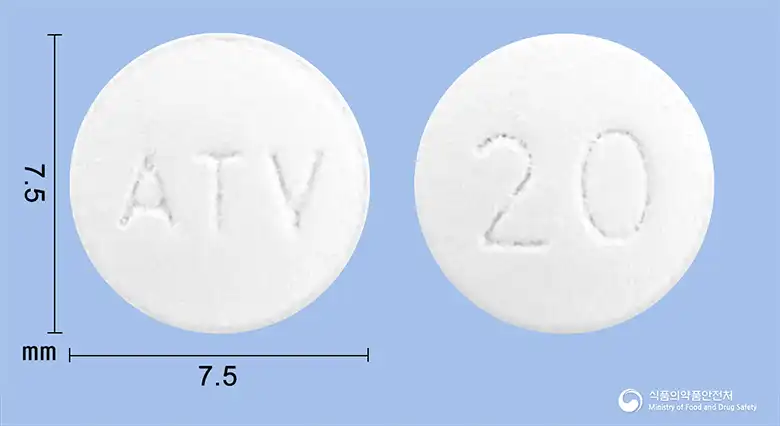
Atorvastatin Calcium Trihydrate 21.7mg
Tablet · Prescription medication
Viatris Korea Co., Ltd.
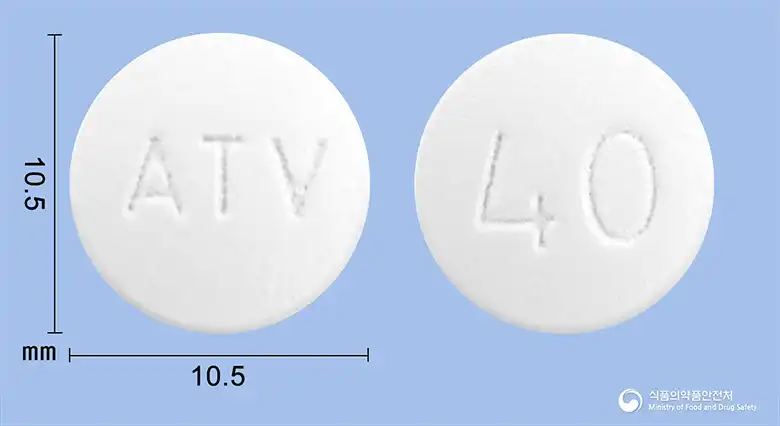
Atorvastatin Calcium Trihydrate 43.4mg
Tablet · Prescription medication
Viatris Korea Co., Ltd.
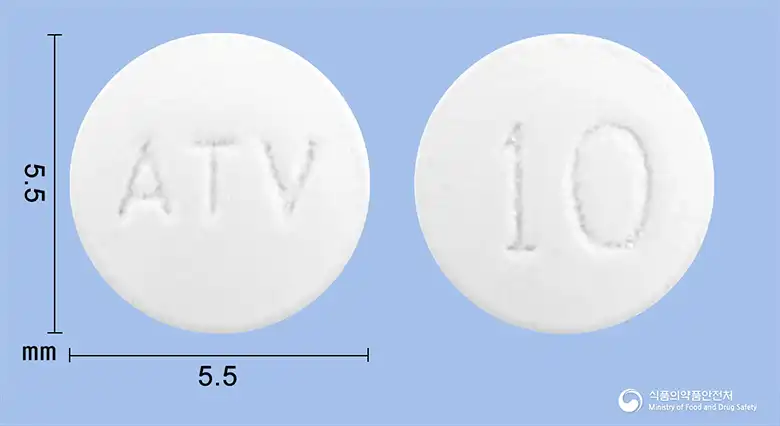
Atorvastatin Calcium Trihydrate 10.85mg
Tablet · Prescription medication
Viatris Korea Co., Ltd.
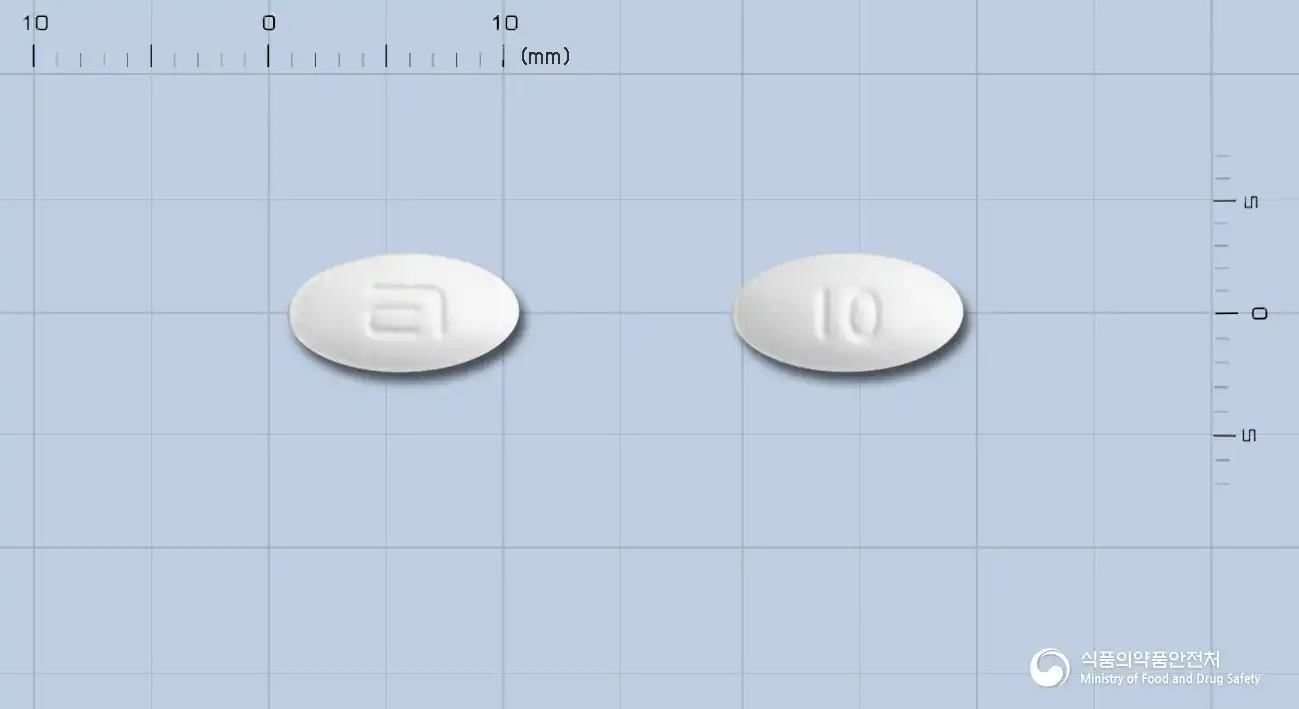
Atorvastatin Calcium Trihydrate 10.85mg
Tablet · Prescription medication
Kyungdong Pharmaceutical Co., Ltd.
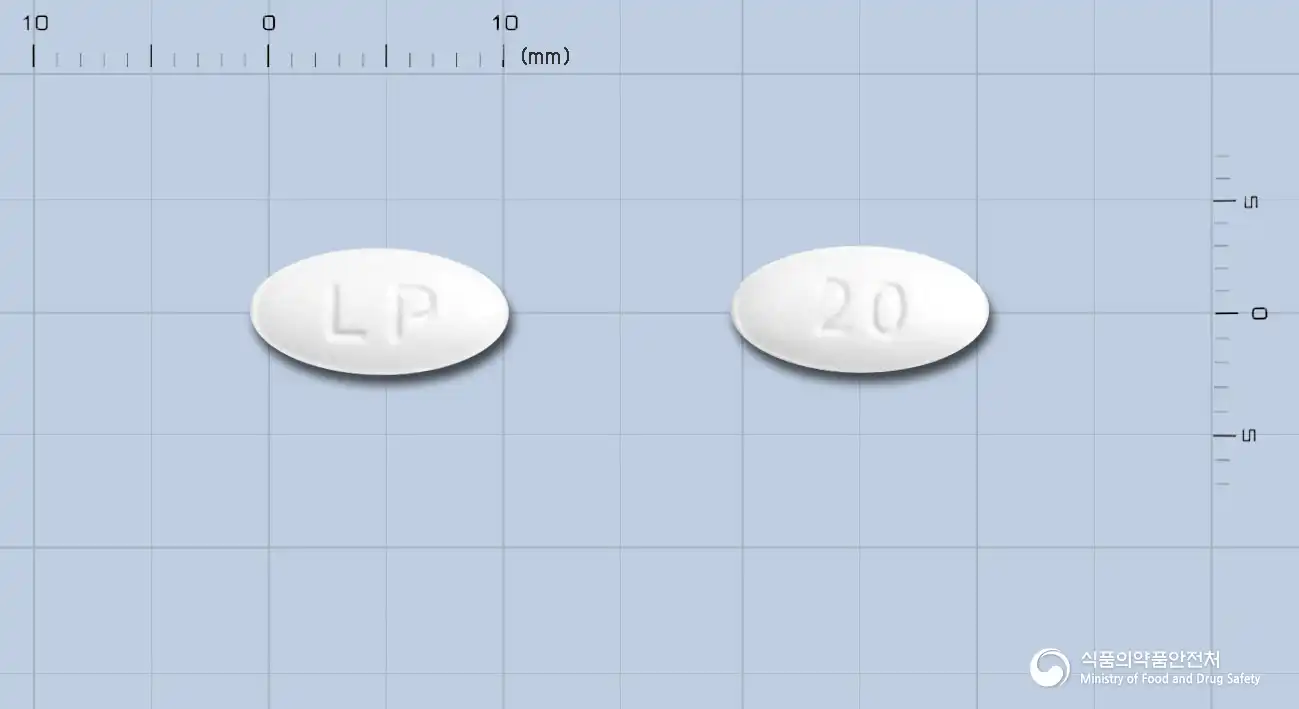
Atorvastatin Calcium Trihydrate 21.69mg
Tablet · Prescription medication
Shinil Pharmaceutical Co., Ltd.
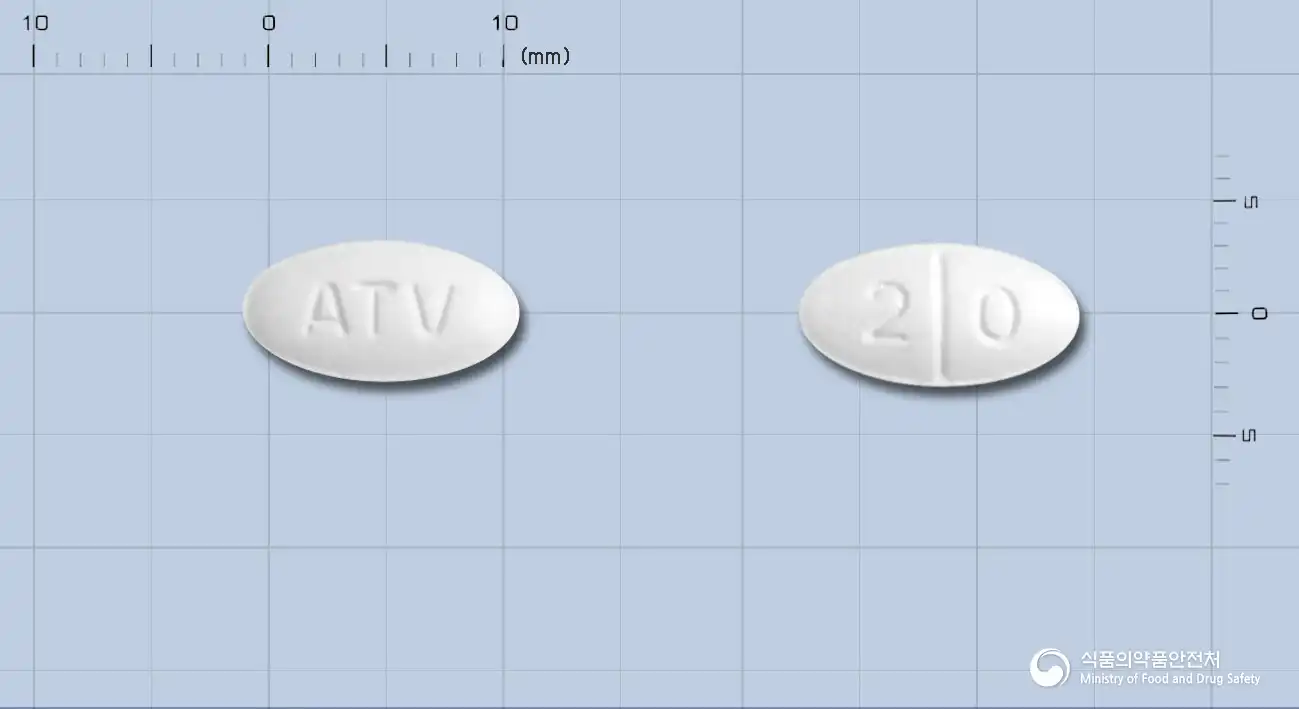
Atorvastatin Calcium Trihydrate 21.69mg
Tablet · Prescription medication
Daewon Pharmaceutical Co., Ltd.
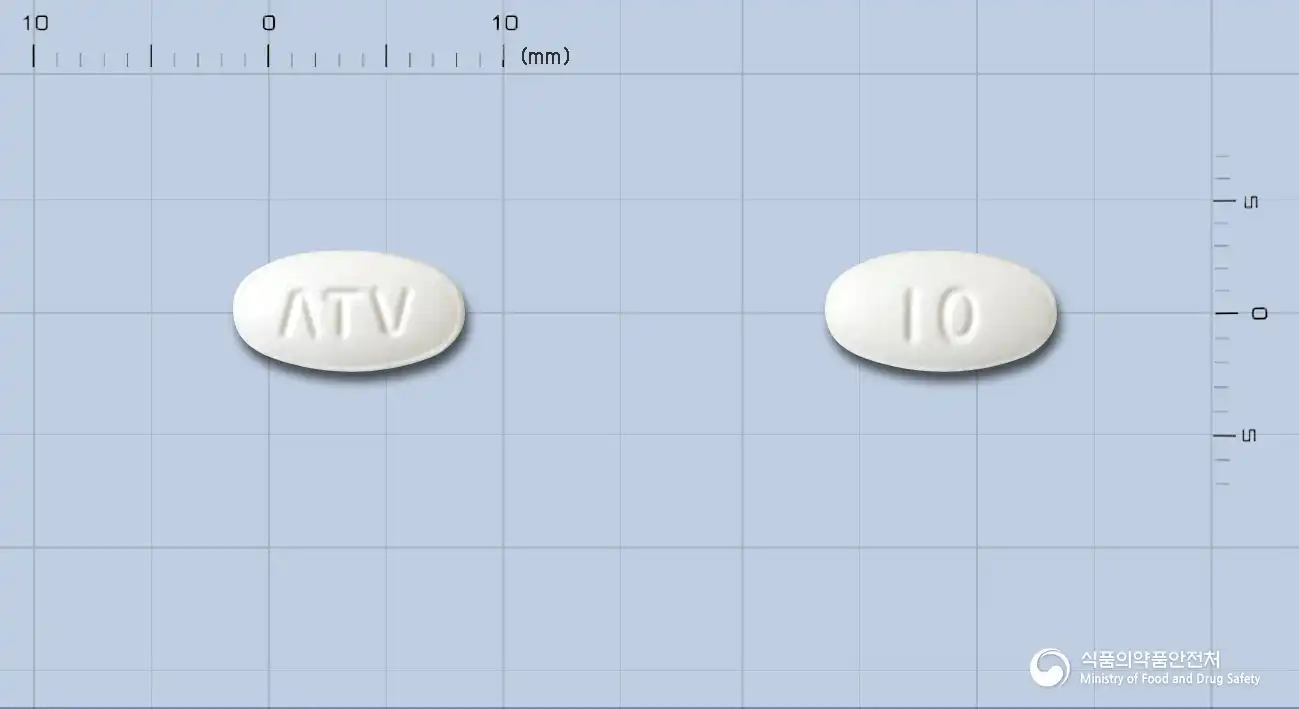
Atorvastatin Calcium Trihydrate 10.845mg
Tablet · Prescription medication
Daewon Pharmaceutical Co., Ltd.
Even with the same ingredient, the dose and directions can differ by strength and dosage form. Talk to a doctor or pharmacist before switching from a medication you are already taking.
No questions yet.
For anything that needs medical judgment, consult a doctor or pharmacist.
This drug information is based on data provided by the Korea Ministry of Food and Drug Safety.
Consult a doctor or pharmacist for accurate dosage, administration, and usage instructions.