
 한국어
한국어 English
 日本語
日本語 中文(简体)
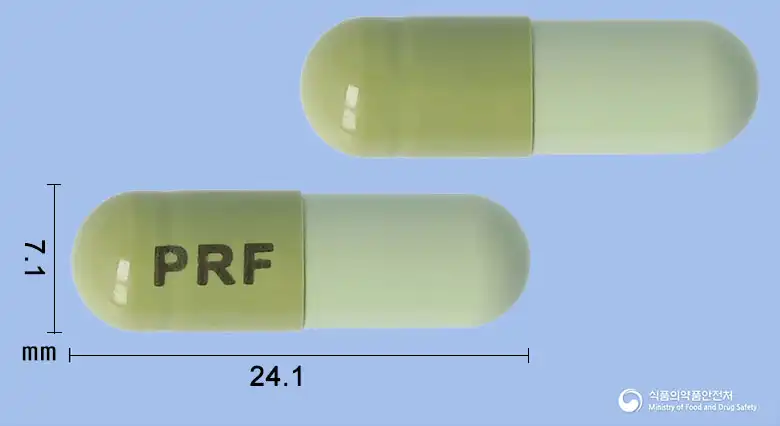
Dosage form image
Viewing nowCombinationPravaphenix Capsule
Pravastatin Sodium · Fenofibrate
Prescription medication · Combination
Youyoung Pharmaceutical Co., Ltd.
MFDS item code 201206297 · Approved 2012.07.27
This product's status changed to Approval withdrawn on 2023.08.18. It may no longer be sold, so consult a doctor or pharmacist before taking it.
Treatment for LDL cholesterol control and improvement of dyslipidemia.
This medication effectively controls LDL cholesterol levels with 40 mg of Pravastatin as a monotherapy in high-risk adult patients with coronary artery disease. However, it is used in patients with mixed dyslipidemia, where triglyceride levels may rise and HDL cholesterol levels are low. Therefore, this medication helps lower LDL cholesterol levels while assisting in the management of dyslipidemia.
Take 1 capsule once daily with the evening meal. Do not take on an empty stomach and always use with food.
This medication can cause muscle pains or muscle disorders, and, rarely, a serious muscle disease called rhabdomyolysis. Rhabdomyolysis can lead to rapid muscle damage resulting in kidney function issues, so any occurrence of muscle-related symptoms during treatment should be communicated to a physician immediately. In particular, patients over 70 years old, those with impaired kidney or liver function, hypothyroidism, or a history of muscle diseases should have their muscle enzyme levels checked before taking this medication. Regular blood tests to monitor muscle enzyme levels should be conducted both before and during treatment, and consultation with medical personnel should be sought immediately if there are symptoms such as muscle pain or weakness. This medication should not be administered to individuals with certain diseases, pregnant women, or children under 18 years old. Caution is required when using this medication in patients with poor liver or kidney function, those consuming excessive alcohol, or those taking immunosuppressants. Regular liver function tests are necessary during treatment, and if liver function declines, discontinuation of the medication is required. Additionally, this medication should be given cautiously to patients at risk of gallstones, pancreatitis, pulmonary diseases, or thrombosis. It is advisable to take this medication with food, and blood glucose and lipid levels should also be regularly monitored during treatment. Women who are pregnant or could become pregnant, as well as nursing mothers, should not take this medication; if pregnancy occurs while on this drug, it should be stopped immediately. In case of overdose, the patient should visit a medical facility for appropriate treatment and examination.
Rash, severe swelling (edema), sudden and very severe headache, seizures, confusion, vision abnormalities, paralysis, difficulty breathing, asthma attack, severe rash with high fever, blisters, skin peeling, pain in oral or ocular mucosa, jaundice (yellowing of skin or eyes), extreme fatigue, markedly decreased urine output, severe systemic swelling accompanied by increased blood pressure, chest pain, pulmonary metastasis, necrotizing fasciitis, cerebral disorders.
Not everyone experiences these, and they can vary from person to person.
This medication must be stored in a tightly sealed container to protect it from air and moisture. Moreover, it is advisable to store the medication at room temperature, avoiding extreme cold or heat, specifically between 1 to 30 degrees Celsius.
A hard capsule with an upper dark green and lower light green color, containing a semi-solid piece and one tablet.
30 capsules/bottle, 90 capsules/bottle
Even with the same ingredient, strength, dosage form and how it is taken can differ.
Pravastatin Sodium · Fenofibrate
Prescription medication · Combination
Youyoung Pharmaceutical Co., Ltd.
 Combination
Pravastatin Sodium 40mg · Fenofibrate 160mg
Prescription medication · Combination
Yooyoung Pharmaceutical Co., Ltd.
Even with the same ingredient, the dose and directions can differ by strength and dosage form. Talk to a doctor or pharmacist before switching from a medication you are already taking.
No questions yet.
For anything that needs medical judgment, consult a doctor or pharmacist.
This drug information is based on data provided by the Korea Ministry of Food and Drug Safety.
Consult a doctor or pharmacist for accurate dosage, administration, and usage instructions.