
 한국어
 English
 日本語
 中文(简体)
 Viewing now
Allpain Capsule (Nepafenac)
Nefopam Hydrochloride 30mg
Hard capsule · Prescription medication
Korea Pharmbio Co., Ltd.
MFDS item code 201205549 · Approved 2012.06.15
Relief of acute and chronic pain (e.g., musculoskeletal pain, postoperative pain, and cancer pain)
This medication is used for the relief of acute and chronic pain caused by surgery or trauma. It is also effective for musculoskeletal pain and joint pain due to sprains, bruises, dislocations, and fractures, as well as toothache and pain related to cancer. Thus, it helps manage various kinds of pain, reducing discomfort for patients and making daily life more comfortable.
Adults: The initial dose of this medicine is 2 capsules 3 times daily. Depending on the patient's symptoms or response to treatment, take 1~3 capsules 3 times daily.
This medication should not be used in patients with epilepsy or myocardial infarction. Patients taking MAO inhibitors or who are allergic to this medication or its components should not take it. It should also be avoided in patients with a history of seizures or convulsions, and those with lactose intolerance or certain genetic metabolic disorders should not take it. Patients taking anticholinergics or sympathomimetics, those with liver or kidney problems, elderly patients, and those with urinary retention should use this medication with caution. Taking this medication may result in various side effects such as nausea, dry mouth, headache, urinary retention, hypotension, palpitations, gastrointestinal disturbances, dizziness, convulsions, confusion, hallucinations, and angioedema. Rarely, pink urine may occur, and side effects typically vary with dosage, necessitating dosage adjustments. This medication is used as symptomatic treatment for pain and fever relief, and appropriate dosages should be administered when acute pain or fever is severe. For long-term use or in cases of liver disease, regular liver function tests are important. In patients with infections, this medication should be used cautiously in conjunction with antibiotics or antifungals as infections may be masked. Elderly patients may be more sensitive to side effects of this medication, so it should be used cautiously, starting with the minimum adult dose, and care should be taken regarding central nervous system side effects like hallucinations or confusion. Since this medication is metabolized and excreted by the liver and kidneys, patients with reduced liver or kidney function should be careful. Attention is needed when performing tasks that require concentration, such as driving or operating machinery, as this medication may impair behavior. Be mindful of drug interactions when taking this medication with others, especially with narcotic analgesics, acetaminophen, and tricyclic antidepressants, as side effects may increase. It is not recommended for use during pregnancy or breastfeeding. Safety and efficacy have not been established in children under 12 years of age, so they should not use it. In elderly patients, treatment should start with the minimum adult dose and be adjusted cautiously. In case of overdose, symptoms such as convulsions, hallucinations, anxiety, and palpitations may occur, requiring immediate emergency measures such as gastric lavage. This medication should be kept out of reach of children and stored in a cool, dry place away from direct sunlight. Additionally, it is important to keep it sealed in its original container to maintain the quality and ensure safe use.
Not everyone experiences these, and they can vary from person to person.
This medication should be stored in a sealed container to prevent air or moisture from entering, ideally at room temperature between 1 degree and 30 degrees Celsius. Storing it this way helps maintain effectiveness and prevents deterioration.
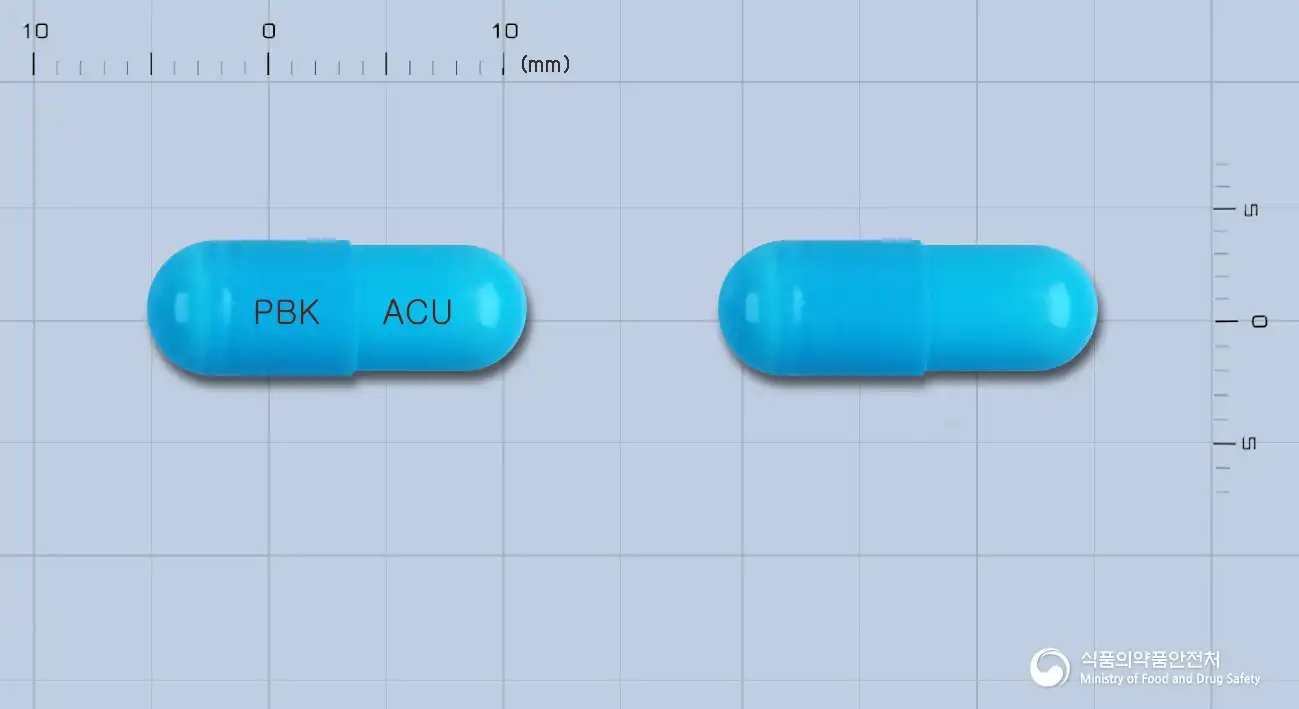
A hard capsule with a light blue upper and lower part filled with white to off-white powder
30 capsules/bottle, 300 capsules/bottle
Even with the same ingredient, strength, dosage form and how it is taken can differ.
Viewing nowNefopam Hydrochloride 30mg
Hard capsule · Prescription medication
Korea Pharmbio Co., Ltd.
Nefopam Hydrochloride 10mg
Injections · Prescription medication
Korea Pharmbio Co., Ltd.
Nefopam Hydrochloride 10mg
Injections · Prescription medication
Jungheon Pharmaceutical Co., Ltd.
Nefopam Hydrochloride 10mg
Prescription medication
Hana Pharmaceutical Co., Ltd.
Nefopam Hydrochloride 10mg
Prescription medication
Korea Pharmbio Co., Ltd.
Nefopam Hydrochloride 10mg
Prescription medication
Ilsung IS Co., Ltd.
Nefopam Hydrochloride 10mg
Injections · Prescription medication
BC World Pharmaceutical Co., Ltd.
Nefopam Hydrochloride 10mg
Prescription medication
Daehan New Pharm Co., Ltd.
Even with the same ingredient, the dose and directions can differ by strength and dosage form. Talk to a doctor or pharmacist before switching from a medication you are already taking.
No questions yet.
For anything that needs medical judgment, consult a doctor or pharmacist.
This drug information is based on data provided by the Korea Ministry of Food and Drug Safety.
Consult a doctor or pharmacist for accurate dosage, administration, and usage instructions.