
 한국어
 English
 日本語
 中文(简体)
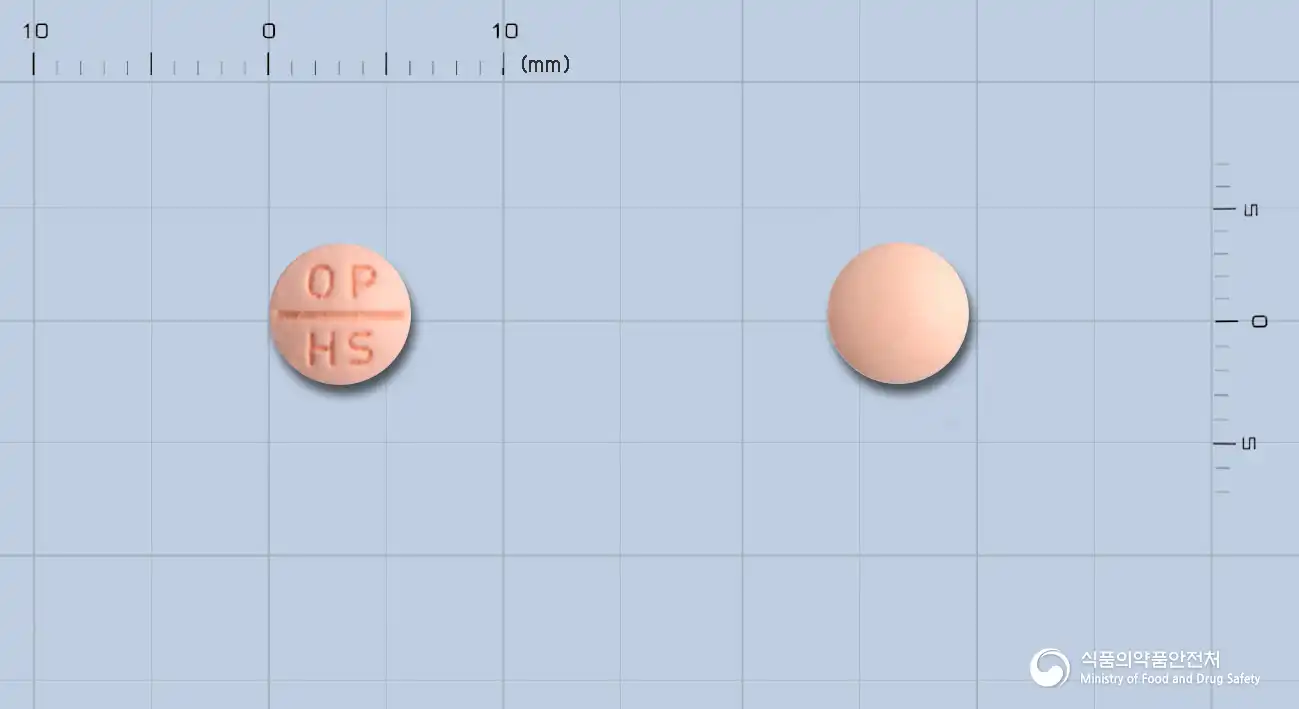 Viewing now
Olofree Tablet (Olopatadine Hydrochloride)
Olopatadine Hydrochloride 5mg
Tablet · Prescription medication
Huons Co., Ltd.
MFDS item code 201205261 · Approved 2012.05.31 · Insurance code 670606170
Relief of itching associated with allergic rhinitis, urticaria, and skin conditions (such as eczema and dermatitis)
This medication is used to relieve itching due to allergic rhinitis, urticaria, eczema, and various skin diseases in both adults and children. It is particularly effective for itching caused by urticaria and psoriasis in adults. Therefore, this medication helps improve discomfort caused by allergy and skin-related diseases across different age groups.
The usual dose for adults is 5mg of olopatadine hydrochloride orally twice daily (in the morning and before bedtime). The dose may be adjusted as appropriate according to age and symptoms.
Children 10 years of age and older: Administer 5mg of olopatadine hydrochloride orally twice daily (in the morning and before bedtime).
This medication contains lactose and should not be used by patients with genetic conditions that inhibit lactose digestion. Patients with impaired kidney function, elderly patients, and those with liver function issues should use this medication with caution as it may increase drug concentration. This medication contains certain dyes, so those allergic to these components should exercise caution. While taking this medication, side effects such as drowsiness, fatigue, dry mouth, and abdominal pain may occur, and symptoms of liver dysfunction or severe hepatitis may develop. If such symptoms appear, consult a healthcare professional immediately. Caution is advised when driving or operating hazardous machinery as drowsiness may occur. Patients receiving long-term steroid treatment should reduce their steroid dosage gradually under the guidance of healthcare professionals when taking this medication. Patients with seasonal allergies are advised to start taking this medication before symptoms begin and continue until symptoms resolve. If there is no effect, it is important not to continue taking it for an extended period. Women who are pregnant or may become pregnant should take this medication only if the benefits outweigh the risks, and breastfeeding women should avoid taking it if possible. If it must be taken, breastfeeding should be discontinued. It is advisable not to use this medication in children under 10 years of age as safety has not been established. Elderly patients may experience side effects more easily due to decreased physical function; therefore, they should start with a lower dosage and monitor their condition closely. This medication may affect test results if taken before allergic tests, so it should not be used prior to testing. Store out of reach of children, do not transfer to another container, and exercise caution, as cases of myocardial infarction have been reported during its use in patients with heart disease.
Not everyone experiences these, and they can vary from person to person.
This medication should be stored in a tightly sealed container to prevent exposure to light and air. It is important to maintain a storage temperature between 1 and 30 degrees Celsius at room temperature. This helps preserve the efficacy of the medication and prevents degradation.
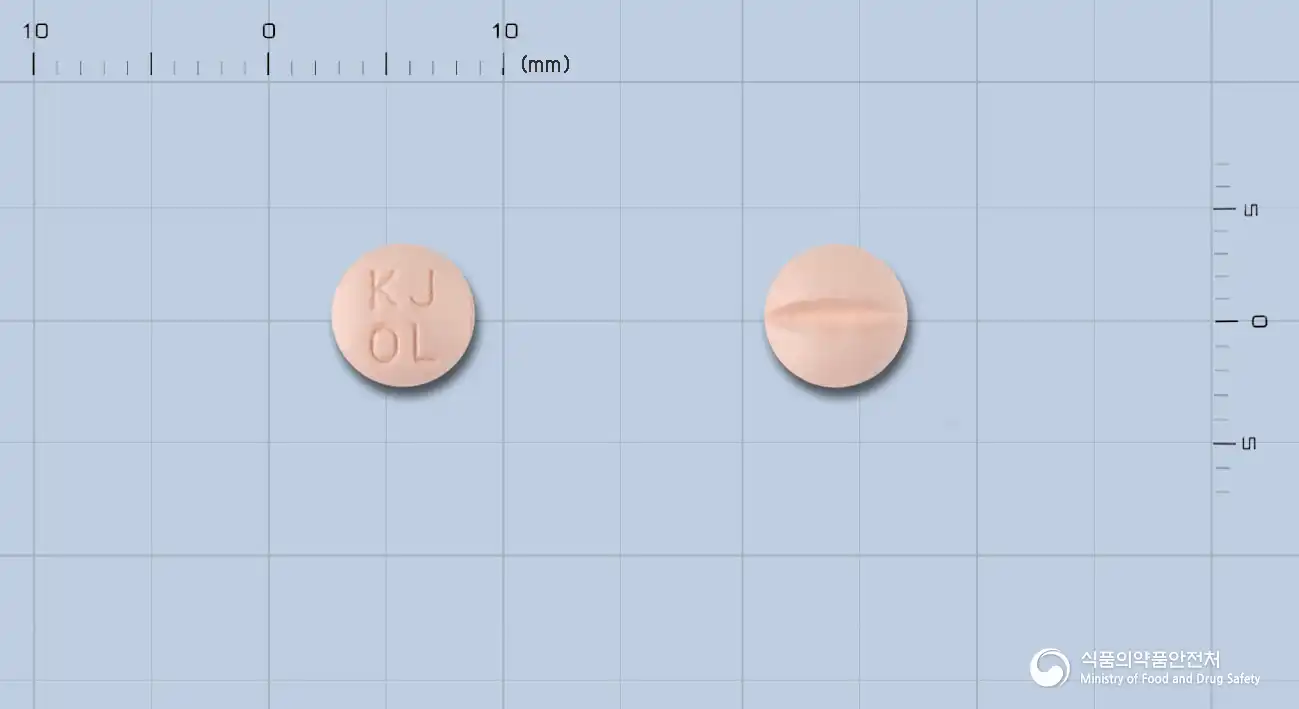
Pale yellow round film-coated tablet
30 tablets/bottle, 300 tablets/bottle
Even with the same ingredient, strength, dosage form and how it is taken can differ.
Viewing nowOlopatadine Hydrochloride 5mg
Tablet · Prescription medication
Huons Co., Ltd.
Olopatadine Hydrochloride 1.11mg
Eye drops · Prescription medication
Novartis Korea Co., Ltd.
Olopatadine Hydrochloride 5mg
Tablet · Prescription medication
Korea Kyowa Kirin Co., Ltd.
Olopatadine Hydrochloride 2.22mg
Eye drops · Prescription medication
Novartis Korea Co., Ltd.
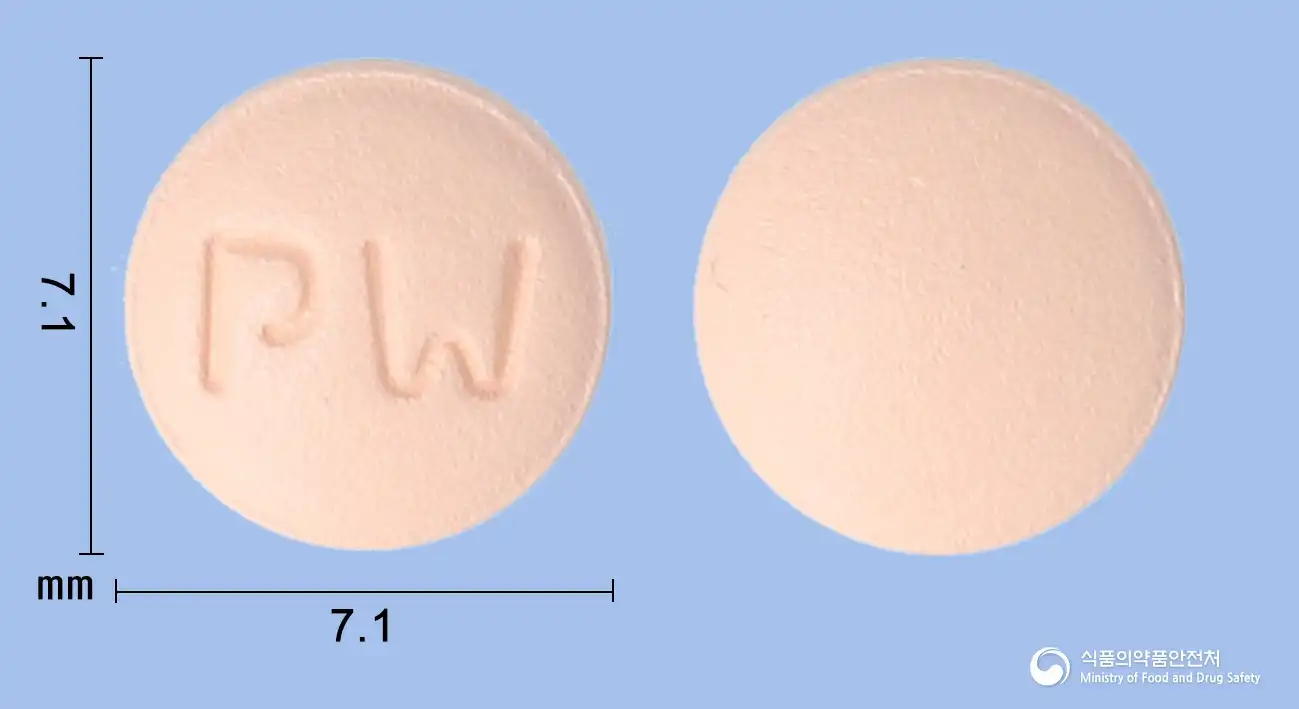
Olopatadine Hydrochloride 5mg
Tablet · Prescription medication
Daewoong Pharmaceutical Co., Ltd.
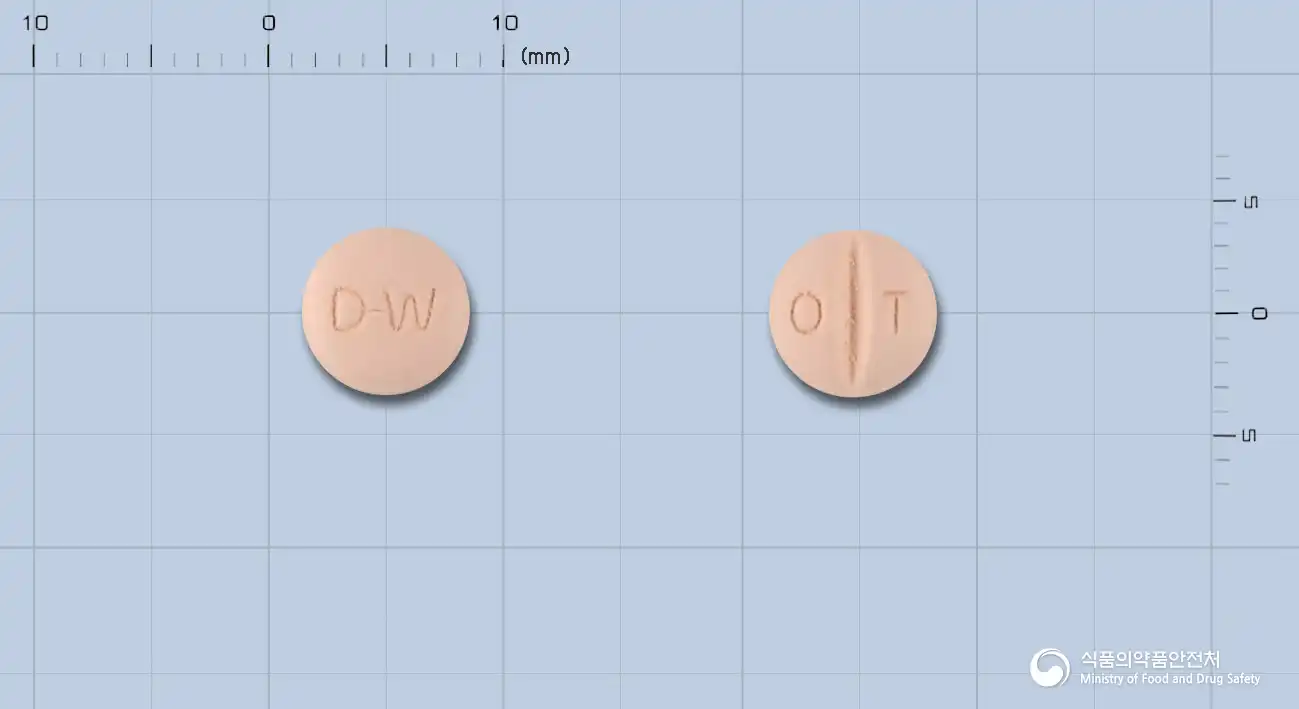
Olopatadine Hydrochloride 5mg
Tablet · Prescription medication
Dongwha Pharmaceutical Co., Ltd.
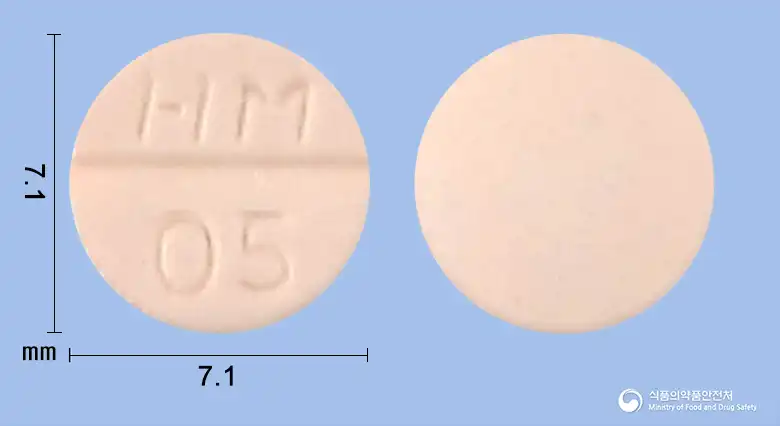
Olopatadine Hydrochloride 5mg
Tablet · Prescription medication
Hanmi Pharmaceutical Co., Ltd.
Olopatadine Hydrochloride 5mg
Tablet · Prescription medication
International Pharmaceutical Co., Ltd.
Even with the same ingredient, the dose and directions can differ by strength and dosage form. Talk to a doctor or pharmacist before switching from a medication you are already taking.
No questions yet.
For anything that needs medical judgment, consult a doctor or pharmacist.
This drug information is based on data provided by the Korea Ministry of Food and Drug Safety.
Consult a doctor or pharmacist for accurate dosage, administration, and usage instructions.