
 한국어
 English
 日本語
 中文(简体)
Summary
- Main use
- Oral contraception; improvement of nonorganic menorrhagia in women choosing oral contraception
- Who takes it
- Adults · Children
- Adult dose
- Take one tablet with a small amount of water at the same time every day, following the order indicated on the package. Take 1 tablet daily for 28 consecutive days. Start taking the tablets from a new package the day after taking the last tablet from the current package. Withdrawal bleeding occurs while taking the last tablets, and may not have ended before you start the new package. Withdrawal bleeding may also begin after you start the new package. 1. If taking this medicine for the first time 1) If you have not used hormonal contraception during the previous month Start taking the tablets on the first day of menstruation. 2) If switching from another combined oral contraceptive, vaginal ring, or transdermal patch Start taking this medicine the day after taking the last hormone-containing tablet of the combined oral contraceptive you were taking. If you were using a vaginal ring or transdermal patch, start taking this medicine on the day the last ring or patch from a cycle pack is removed. However, in all cases, use an additional contraceptive method (e.g., a barrier method such as a condom) for the first 9 days after starting this medicine. 3) If switching from a progestogen-only contraceptive (progestogen-only tablet, injection, or implant) or a progestogen-releasing intrauterine device You may stop using the progestogen-only tablet and start taking this medicine at any time (for an implant or intrauterine device, on the day it is removed; for an injection, on the day the next injection is due). However, in all cases, use an additional contraceptive method (e.g., a barrier method such as a condom) for the first 9 days after starting this medicine. 4) After a miscarriage during the first 3 months of pregnancy You may start taking this medicine immediately. In this case, no additional contraceptive method is necessary. 5) Breastfeeding women after delivery should refer to “Administration to Pregnant and Breastfeeding Women” under Precautions for Use. 6) Women who are not breastfeeding after delivery or who have had a miscarriage during months 4–6 of pregnancy may start taking this medicine between 21 and 28 days after delivery or miscarriage because of the risk of blood clots. If starting later, use an additional contraceptive method (e.g., a barrier method such as a condom) for the first 9 days after starting this medicine. However, if sexual intercourse has already occurred, rule out pregnancy before starting a combined oral contraceptive, or wait until normal menstruation begins. 2. If you miss a dose If you forget to take a white tablet that does not contain hormones (placebo), you can disregard it. However, discard the white tablets to prevent the interval between active tablets from being unintentionally extended. The following instructions apply if the missed tablet is an active hormone-containing tablet (colored tablet). 1) If less than 12 hours have passed since the time you should have taken an active tablet, contraceptive efficacy is not reduced. Take the missed tablet as soon as you remember, and take the next tablet at the usual scheduled time. 2) If more than 12 hours have passed since the time you should have taken an active tablet, contraceptive efficacy may be reduced. Depending on the day of the missed dose, follow these instructions for taking the tablets and using an alternative contraceptive method (e.g., a barrier method such as a condom). Days 1–2, dark yellow tablets (EV 3.0mg): Take the missed tablet as soon as possible. Take the next tablet at the usual time (this may mean taking 2 tablets on the same day). Continue taking 1 tablet daily at the usual time. Use an alternative contraceptive method for the next 9 days. Days 3–7, pink tablets (EV 2.0mg+DNG 2.0mg): Take the missed tablet as soon as possible. Take the next tablet at the usual time (this may mean taking 2 tablets on the same day). Continue taking 1 tablet daily at the usual time. Use an alternative contraceptive method for the next 9 days. Days 8–17, light yellow tablets (EV 2.0mg + DNG 3.0mg): Take the missed tablet as soon as possible. Take the next tablet at the usual time (this may mean taking 2 tablets on the same day). Continue taking 1 tablet daily at the usual time. Use an alternative contraceptive method for the next 9 days. Days 18–24, light yellow tablets (EV 2.0mg + DNG 3.0mg): Do not take the missed tablet; discard the current package. Take the first tablet from a new package. Continue taking 1 tablet daily from the new package at the usual time. Use an alternative contraceptive method for the next 9 days. Days 25–26, brown tablets (EV 1.0mg): Take the missed tablet as soon as possible. Take the next tablet at the usual time (this may mean taking 2 tablets on the same day). Continue taking 1 tablet daily at the usual time. No alternative contraceptive method is necessary. Days 27–28, white tablets (placebo): Discard the missed tablet. Take the next tablet at the usual time. No alternative contraceptive method is necessary. Do not take more than 2 tablets in 1 day. If you forget to start a new package or miss 1 or more tablets during days 3–9 of a package, you may already be pregnant (if you had sexual intercourse within 7 days before missing a dose). The greater the number of missed tablets (when this occurs during days 3–24 with the combination of the two active ingredients), and the closer the missed doses are to the placebo-tablet interval, the greater the risk of pregnancy. If you have missed doses and have no withdrawal bleeding while taking the last tablets in a package or while taking tablets from a new package, consider the possibility of pregnancy. If you miss 2 consecutive tablets during days 1–16 of a package, take the tablet corresponding to the day you realize this, and use an additional contraceptive method (e.g., a barrier method such as a condom) for the first 9 days after taking it. If you miss 2 consecutive tablets during days 17–24 of a package, discard the current package and take the tablet for day 3 from a new package, then continue taking the tablets as usual. Use an additional contraceptive method (e.g., a barrier method such as a condom) for the first 9 days after taking it. If you miss 2 consecutive tablets during days 25–28 of a package, start with tablets from a new package, or start a new package at the time you would normally start one. No additional contraceptive method is necessary. 3. If you have gastrointestinal problems If you have severe gastrointestinal problems, absorption of this medicine may be incomplete, so you should use an additional contraceptive method. If you vomit or have diarrhea within 3~4 hours after taking a tablet, take the next tablet as soon as possible. It should be taken within 12 hours of the usual time, if possible. If more than 12 hours have passed, follow the instructions under “If you miss a dose.” If you do not want to change your usual dosing schedule, take the corresponding tablet from a new package.
- Child dose
- This medication is intended for females after menarche.
Ingredients
- Importer
- Bayer korea
Efficacy & effects
Oral contraception; improvement of nonorganic menorrhagia in women choosing oral contraception
- Menorrhagia
View approved original textHide original text
Oral contraceptives are primarily used as methods for preventing pregnancy. Additionally, they help regulate menorrhagia in women without organic causes, especially for those who choose oral contraceptive methods. This medication effectively controls the amount of menstrual bleeding and prevents unwanted pregnancies.
How to take
Adult dose
Take one tablet with a small amount of water at the same time every day, following the order indicated on the package. Take 1 tablet daily for 28 consecutive days. Start taking the tablets from a new package the day after taking the last tablet from the current package. Withdrawal bleeding occurs while taking the last tablets, and may not have ended before you start the new package. Withdrawal bleeding may also begin after you start the new package. 1. If taking this medicine for the first time 1) If you have not used hormonal contraception during the previous month Start taking the tablets on the first day of menstruation. 2) If switching from another combined oral contraceptive, vaginal ring, or transdermal patch Start taking this medicine the day after taking the last hormone-containing tablet of the combined oral contraceptive you were taking. If you were using a vaginal ring or transdermal patch, start taking this medicine on the day the last ring or patch from a cycle pack is removed. However, in all cases, use an additional contraceptive method (e.g., a barrier method such as a condom) for the first 9 days after starting this medicine. 3) If switching from a progestogen-only contraceptive (progestogen-only tablet, injection, or implant) or a progestogen-releasing intrauterine device You may stop using the progestogen-only tablet and start taking this medicine at any time (for an implant or intrauterine device, on the day it is removed; for an injection, on the day the next injection is due). However, in all cases, use an additional contraceptive method (e.g., a barrier method such as a condom) for the first 9 days after starting this medicine. 4) After a miscarriage during the first 3 months of pregnancy You may start taking this medicine immediately. In this case, no additional contraceptive method is necessary. 5) Breastfeeding women after delivery should refer to “Administration to Pregnant and Breastfeeding Women” under Precautions for Use. 6) Women who are not breastfeeding after delivery or who have had a miscarriage during months 4–6 of pregnancy may start taking this medicine between 21 and 28 days after delivery or miscarriage because of the risk of blood clots. If starting later, use an additional contraceptive method (e.g., a barrier method such as a condom) for the first 9 days after starting this medicine. However, if sexual intercourse has already occurred, rule out pregnancy before starting a combined oral contraceptive, or wait until normal menstruation begins. 2. If you miss a dose If you forget to take a white tablet that does not contain hormones (placebo), you can disregard it. However, discard the white tablets to prevent the interval between active tablets from being unintentionally extended. The following instructions apply if the missed tablet is an active hormone-containing tablet (colored tablet). 1) If less than 12 hours have passed since the time you should have taken an active tablet, contraceptive efficacy is not reduced. Take the missed tablet as soon as you remember, and take the next tablet at the usual scheduled time. 2) If more than 12 hours have passed since the time you should have taken an active tablet, contraceptive efficacy may be reduced. Depending on the day of the missed dose, follow these instructions for taking the tablets and using an alternative contraceptive method (e.g., a barrier method such as a condom). Days 1–2, dark yellow tablets (EV 3.0mg): Take the missed tablet as soon as possible. Take the next tablet at the usual time (this may mean taking 2 tablets on the same day). Continue taking 1 tablet daily at the usual time. Use an alternative contraceptive method for the next 9 days. Days 3–7, pink tablets (EV 2.0mg+DNG 2.0mg): Take the missed tablet as soon as possible. Take the next tablet at the usual time (this may mean taking 2 tablets on the same day). Continue taking 1 tablet daily at the usual time. Use an alternative contraceptive method for the next 9 days. Days 8–17, light yellow tablets (EV 2.0mg + DNG 3.0mg): Take the missed tablet as soon as possible. Take the next tablet at the usual time (this may mean taking 2 tablets on the same day). Continue taking 1 tablet daily at the usual time. Use an alternative contraceptive method for the next 9 days. Days 18–24, light yellow tablets (EV 2.0mg + DNG 3.0mg): Do not take the missed tablet; discard the current package. Take the first tablet from a new package. Continue taking 1 tablet daily from the new package at the usual time. Use an alternative contraceptive method for the next 9 days. Days 25–26, brown tablets (EV 1.0mg): Take the missed tablet as soon as possible. Take the next tablet at the usual time (this may mean taking 2 tablets on the same day). Continue taking 1 tablet daily at the usual time. No alternative contraceptive method is necessary. Days 27–28, white tablets (placebo): Discard the missed tablet. Take the next tablet at the usual time. No alternative contraceptive method is necessary. Do not take more than 2 tablets in 1 day. If you forget to start a new package or miss 1 or more tablets during days 3–9 of a package, you may already be pregnant (if you had sexual intercourse within 7 days before missing a dose). The greater the number of missed tablets (when this occurs during days 3–24 with the combination of the two active ingredients), and the closer the missed doses are to the placebo-tablet interval, the greater the risk of pregnancy. If you have missed doses and have no withdrawal bleeding while taking the last tablets in a package or while taking tablets from a new package, consider the possibility of pregnancy. If you miss 2 consecutive tablets during days 1–16 of a package, take the tablet corresponding to the day you realize this, and use an additional contraceptive method (e.g., a barrier method such as a condom) for the first 9 days after taking it. If you miss 2 consecutive tablets during days 17–24 of a package, discard the current package and take the tablet for day 3 from a new package, then continue taking the tablets as usual. Use an additional contraceptive method (e.g., a barrier method such as a condom) for the first 9 days after taking it. If you miss 2 consecutive tablets during days 25–28 of a package, start with tablets from a new package, or start a new package at the time you would normally start one. No additional contraceptive method is necessary. 3. If you have gastrointestinal problems If you have severe gastrointestinal problems, absorption of this medicine may be incomplete, so you should use an additional contraceptive method. If you vomit or have diarrhea within 3~4 hours after taking a tablet, take the next tablet as soon as possible. It should be taken within 12 hours of the usual time, if possible. If more than 12 hours have passed, follow the instructions under “If you miss a dose.” If you do not want to change your usual dosing schedule, take the corresponding tablet from a new package.
Child dose
This medication is intended for females after menarche.
Precautions
This drug is an oral contraceptive, and the risk of serious cardiovascular issues, such as thrombosis, significantly increases if you smoke. Women older than 35 years are advised to avoid smoking while taking this medication, as the risk is greatly elevated, and those over 35 who smoke should not take this drug. This medication is not to be administered to patients with a history of thrombosis, cardiovascular disease, cerebrovascular disease, liver dysfunction, or certain cancers. Additionally, it should not be used by individuals with specific genetic disorders such as lactose intolerance. Patients with thrombosis, family history of breast cancer, liver disease, hypertension, gallbladder disease, dyslipidemia, headaches, or depression should use caution when taking this drug. Common side effects include nausea, breast pain, and unexpected uterine bleeding, while serious adverse reactions such as thrombosis can also occur. If symptoms of thrombosis or cardiovascular issues arise, consultation with a doctor should be immediate. Caution is also necessary in case of persistent irregular bleeding, severe headaches, visual disturbances, or sudden leg swelling. This medication may interact with specific drugs; therefore, inform your doctor or pharmacist if you are taking other medications, and additional contraceptive measures may be needed when using certain drugs concurrently. This drug should not be taken during pregnancy, and if pregnancy is confirmed, the medication should be discontinued immediately. It is also not recommended for breastfeeding women, and other contraceptive methods should be considered during lactation. This drug may affect liver, thyroid, and adrenal function test results, necessitating periodic examinations. In case of overdose, nausea, vomiting, or vaginal bleeding in young girls may occur, but there is no specific antidote, and treatment should be symptomatic. Store this medication out of reach of children, and it is important to retain it in its original container to maintain safety and quality.
Side effects
- Nausea
- breast pain
- unexpected uterine bleeding
- depression
- low mood
- emotional disturbance
- decreased libido and loss
- migraine
- venous and arterial thromboembolism
- urinary bleeding
Show 121 moreCollapse
- fungal infection
- vulvovaginal candidiasis
- vaginal infection
- candidiasis
- oral herpes
- pelvic inflammatory disease
- ocular histoplasmosis
- tinea
- urethral infection
- bacterial vaginitis
- increased appetite
- fluid retention
- hypertriglyceridemia
- depression
- emotional disorder
- insomnia
- decreased sexual desire
- psychosis
- mood swings
- aggressiveness
- anxiety
- discomfort
- increased sexual desire
- irritability
- nightmares
- restlessness
- sleep disorder
- stress
- headache
- dizziness
- concentration disorder
- sensory disturbance
- vertigo
- contact lens intolerance
- dry eyes
- eye swelling
- myocardial infarction
- palpitations
- facial flushing
- hypertension
- hemorrhagic varices
- hypotension
- superficial phlebitis
- venous pain
- abdominal pain
- vomiting
- diarrhea
- constipation
- dry mouth
- dyspepsia
- gastroesophageal reflux disease
- increased liver enzymes
- focal nodular hyperplasia of the liver
- chronic cholecystitis
- acne
- hair loss
- hyperhidrosis
- itching
- rash
- allergic skin reaction
- melasma
- dermatitis
- hirsutism
- neurodermatitis
- pigmentation disorder
- seborrheic skin
- skin disorder
- muscle cramps
- back pain
- jaw pain
- pressure sensation
- urethral pain
- amenorrhea
- breast discomfort
- dysmenorrhea
- breast enlargement
- breast mass
- cervical dysplasia
- dysfunctional uterine bleeding
- dyspareunia
- fibrocystic breast disease
- menorrhagia
- menstrual disorders
- ovarian cysts
- pelvic pain
- premenstrual syndrome
- uterine fibroids
- uterine cramps
- uterine/vaginal bleeding
- vaginal discharge
- vulvar dryness
- abnormal atrophic bleeding
- benign breast neoplasms
- breast cancer
- breast cysts
- breast discharge
- cervical polyps
- cervical erythema
- bleeding during intercourse
- galactorrhea
- genital discharge
- hypomenorrhea
- menstrual delay
- ovarian cyst rupture
- vaginal odor
- vulvar burning sensation
- vulvar discomfort
- lymphadenopathy
- asthma
- dyspnea
- nosebleed
- fatigue
- irritation
- edema
- chest pain
- malaise
- fever
- weight gain
- weight loss
- blood pressure changes
- abnormal cervical smear
Not everyone experiences these, and they can vary from person to person.
Storage
This medication is sensitive to air and moisture, so it must be stored in a tightly sealed container. Also, it should be kept in a cool place below room temperature (25 degrees Celsius). This helps maintain the drug's effectiveness and prevents deterioration.
Appearance and packaging
Appearance
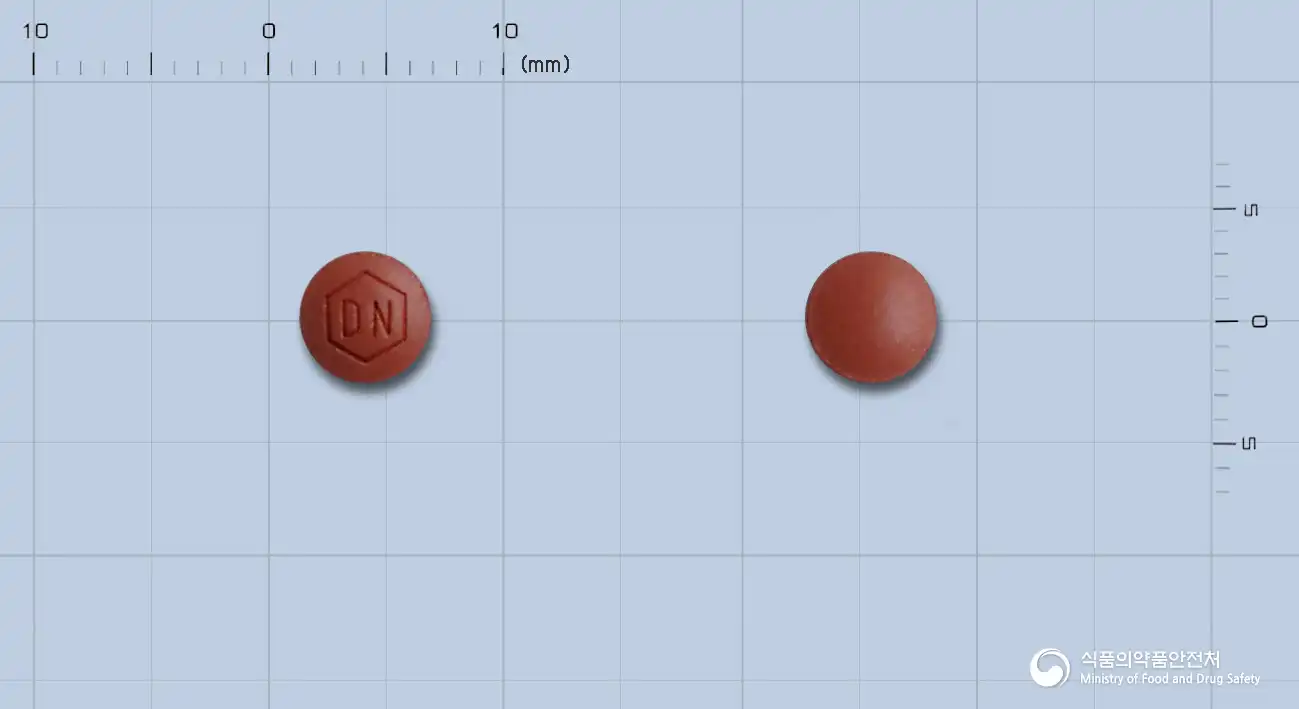
1. Dark yellow round film-coated tablet 2. Pink round film-coated tablet 3. Light yellow round film-coated tablet 4. Brown round film-coated tablet 5. White round film-coated tablet
Package unit
28 tablets/PTP
Questions about this medicine
No questions yet.
For anything that needs medical judgment, consult a doctor or pharmacist.