
 한국어
 English
 日本語
 中文(简体)
Dosage form image
Viewing nowCombinationJaime Tech Plus Tablet 20/12.5 mg
Olmesartan Medoxomil 20mg · Hydrochlorothiazide 12.5mg
Prescription medication · Combination
Biboxon Pharmaceutical Co., Ltd.
MFDS item code 201100892 · Approved 2011.02.24
This product's status changed to Expired on 2024.07.01. It may no longer be sold, so consult a doctor or pharmacist before taking it.
Treatment of essential hypertension not controlled with monotherapy
This medication helps effectively control blood pressure in patients with essential hypertension by using Olmesartan Medoxomil and Hydrochlorothiazide together. It is used when blood pressure is not sufficiently controlled with monotherapy, contributing to stabilizing blood pressure and reducing the risk of cardiovascular complications. Therefore, it is used in the treatment of essential hypertension.
Before administering this medicine, it is recommended that the dosage of olmesartan medoxomil or hydrochlorothiazide be adjusted separately. If blood pressure is not adequately controlled with either individual component, administer 1 tablet of this medicine once daily, regardless of meals. Adjust the dose at intervals of 2~4 weeks based on the patient's blood pressure response. A marked reduction in blood pressure may occur when olmesartan medoxomil is added or patients are switched to this medicine (olmesartan medoxomil/hydrochlorothiazide) in patients taking high doses of hydrochlorothiazide alone, or in patients with volume depletion or hyponatremia. In such cases, the hydrochlorothiazide dose should be reduced to 12.5mg before olmesartan medoxomil is added. <Elderly patients> In elderly patients, start with the lowest dose and exercise caution when adjusting the dose, taking into consideration the patient's renal or cardiac function, comorbidities, and other concomitant medications. <Patients with renal impairment> This medicine (olmesartan medoxomil/hydrochlorothiazide) is generally administered to patients with mild to moderate renal impairment (creatinine clearance>30mL/min). This medicine (olmesartan medoxomil/hydrochlorothiazide) should not be administered to patients with more severe renal impairment, as loop diuretics are preferable to thiazide diuretics in these patients. <Patients with hepatic impairment> Use of this medicine is not recommended because there is no experience with its use in patients with hepatic impairment.
<Pediatric patients> Safety▪efficacy in pediatric patients has not been established.
This medication can cause serious harm to the fetus and newborn during the second and third trimesters of pregnancy, so it should be discontinued immediately upon confirmation of pregnancy. It is safe to avoid using this medication if there is an allergy to any of its components or if there are specific kidney or liver diseases, or electrolyte imbalances. Patients at risk of excessively low blood pressure or with impaired kidney function require careful monitoring by a doctor before taking this medication. This medication lowers blood pressure, so caution is advised when driving or operating hazardous machinery if symptoms such as dizziness or drowsiness occur. This medication can affect potassium levels in the blood, so frequent blood tests are necessary to monitor potassium levels when taken with potassium supplements or medications that conserve potassium. Interactions may occur if this medication is taken with other antihypertensive medications or certain analgesics, lithium, etc., so it is essential to consult with a doctor or pharmacist. While taking this medication, regular tests are necessary as there may be adverse reactions such as electrolyte imbalance, changes in kidney function, or liver dysfunction. In particular, if unusual skin lesions develop, or sudden difficulty breathing, or severe allergic reactions occur, it is essential to visit a medical institution immediately. In breastfeeding mothers, as this medication may be transferred into breast milk and affect the infant, it is advisable to discontinue breastfeeding or stop taking this medication. Elderly patients and children require special caution as the safety and efficacy of this medication have not been fully established.
Nausea, hyperuricemia, dizziness, upper respiratory infection, headache, urinary tract infection, chest pain, back pain, peripheral edema, vertigo, abdominal pain, indigestion, gastroenteritis, diarrhea, elevated AST, increased GGT, elevated ALT, hyperlipidemia, increased creatine phosphokinase, hyperglycemia, cough, rash, hematuria, facial edema, weakness, angioedema, anaphylactic reaction, vomiting, rhabdomyolysis, acute renal failure, increased serum creatinine, hair loss, itching, urticaria, palpitations, thrombocytopenia, leukopenia, aplastic anemia, hemolytic anemia, purpura, loss of appetite, polydipsia, abdominal discomfort, constipation, abdominal colic, pancreatitis, jaundice, sialadenitis, dry mouth, dizziness, fatigue, drowsiness, emotional blunting, restlessness, interstitial pneumonia, pulmonary edema, acute respiratory distress syndrome, orthostatic hypotension, arrhythmia, transient blurred vision, jaundice, hepatitis, acute cholecystitis, necrotizing vasculitis, facial flushing, photophobia, acute kidney injury, interstitial nephritis, renal impairment, malaise, nasal congestion, erectile dysfunction, exacerbation of systemic lupus erythematosus, parathyroid disorder, muscle cramps, sensory disturbances, weakness, Stevens-Johnson syndrome, erythema multiforme, exfoliative dermatitis, toxic epidermal necrolysis, chronic malabsorption syndrome-like intestinal disease, autoimmune hepatitis, chronic malabsorption syndrome, elevated blood pressure, epistaxis, asthma
Not everyone experiences these, and they can vary from person to person.
This medication should be stored in a tightly sealed container to prevent exposure to air or moisture. Additionally, it should be kept at room temperature between 1 to 25 degrees Celsius, away from excessively hot or cold places.
This medication is a round, film-coated tablet that is pale orange in color.
30 tablets/bottle, 200 tablets/bottle
Even with the same ingredient, strength, dosage form and how it is taken can differ.
Olmesartan Medoxomil 20mg · Hydrochlorothiazide 12.5mg
Prescription medication · Combination
Biboxon Pharmaceutical Co., Ltd.
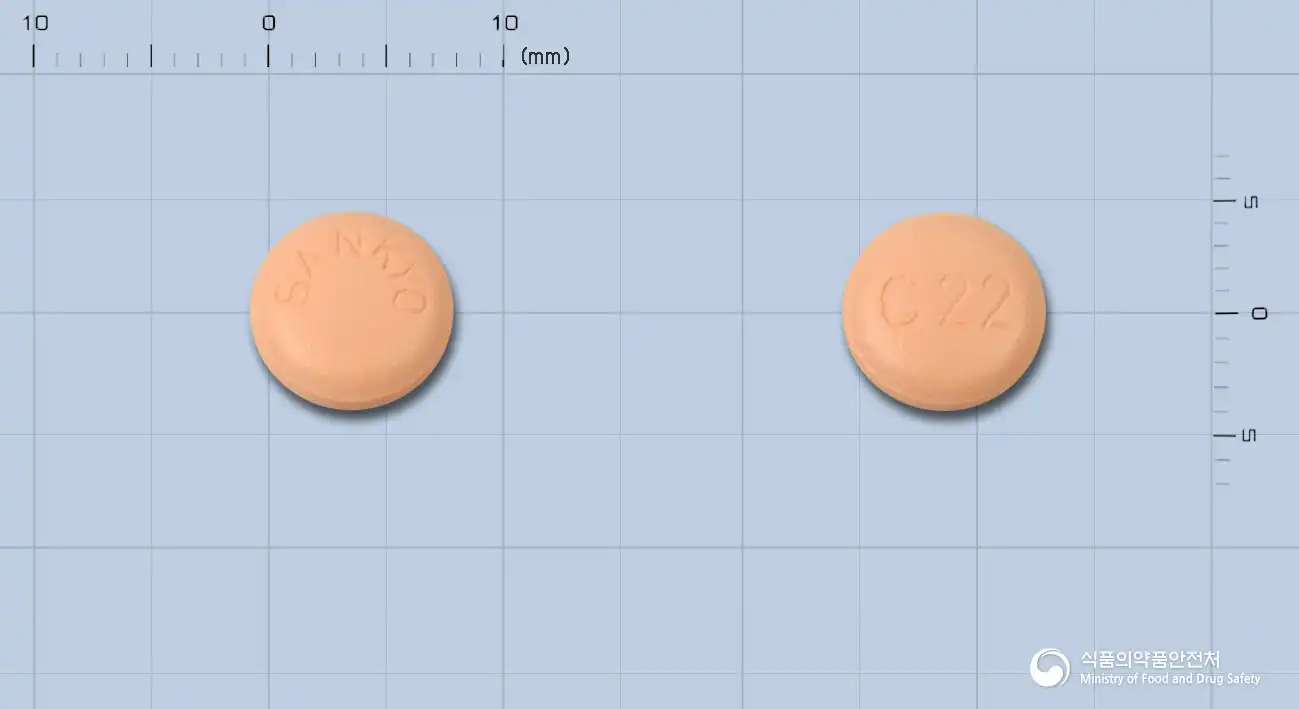 Combination
Olmesartan Medoxomil 20mg · Hydrochlorothiazide 12.5mg
Tablet · Prescription medication · Combination
Daewoong Pharmaceutical Co., Ltd.
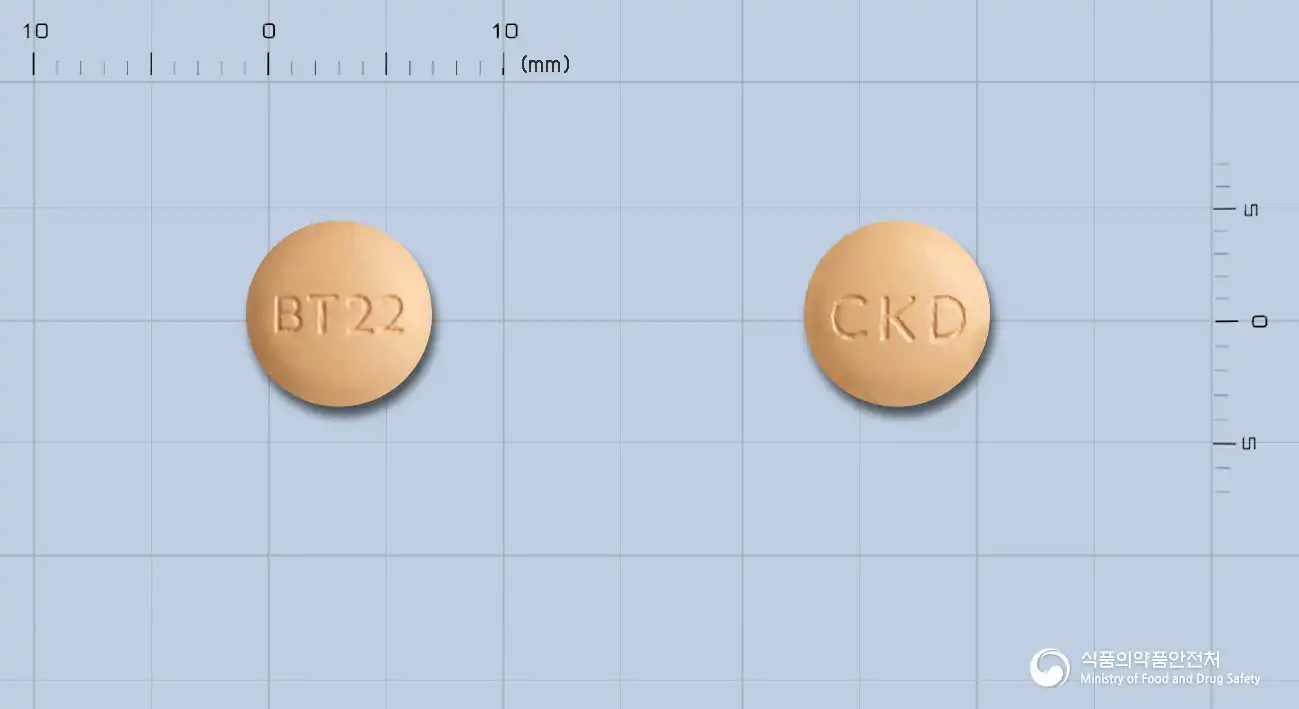 Combination
Olmesartan Medoxomil 20mg · Hydrochlorothiazide 12.5mg
Tablet · Prescription medication · Combination
Jongkundang Co., Ltd.
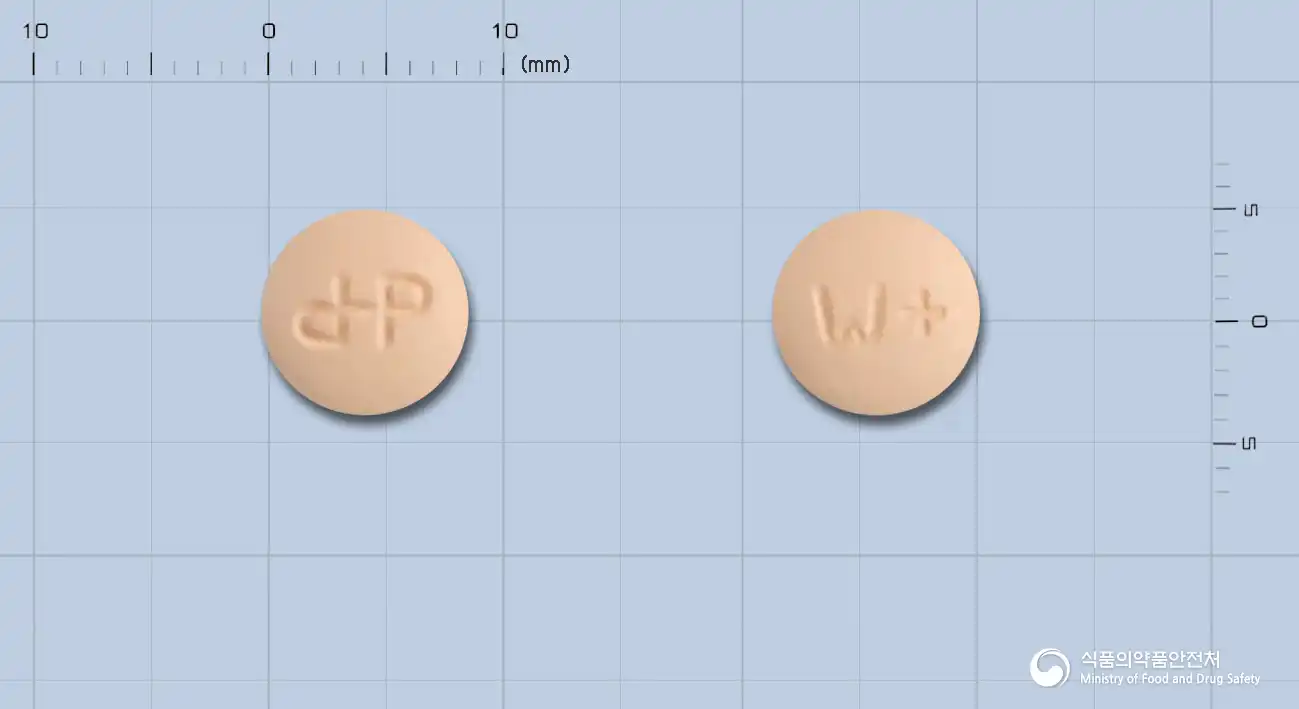 Combination
Olmesartan Medoxomil 20mg · Hydrochlorothiazide 12.5mg
Tablet · Prescription medication · Combination
Dae Hwa Pharmaceutical Co., Ltd.
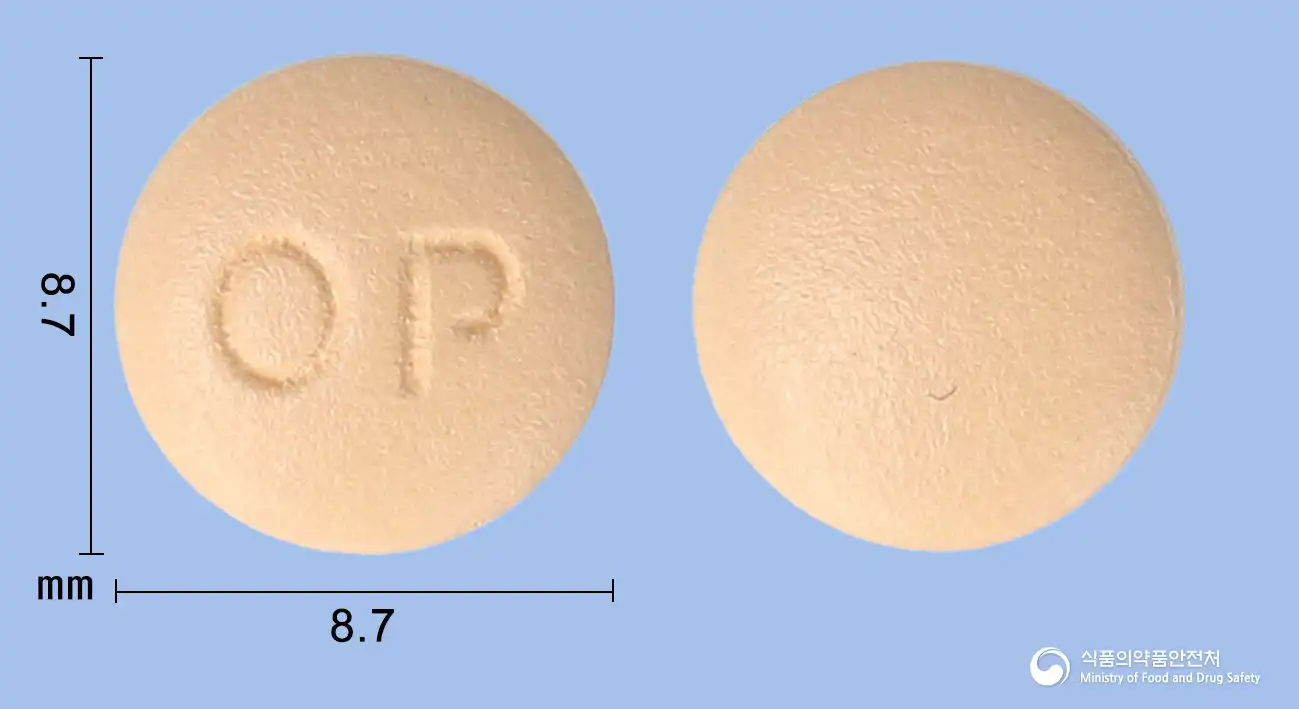 Combination
Olmesartan Medoxomil 20mg · Hydrochlorothiazide 12.5mg
Tablet · Prescription medication · Combination
FarmGen Science Co., Ltd.
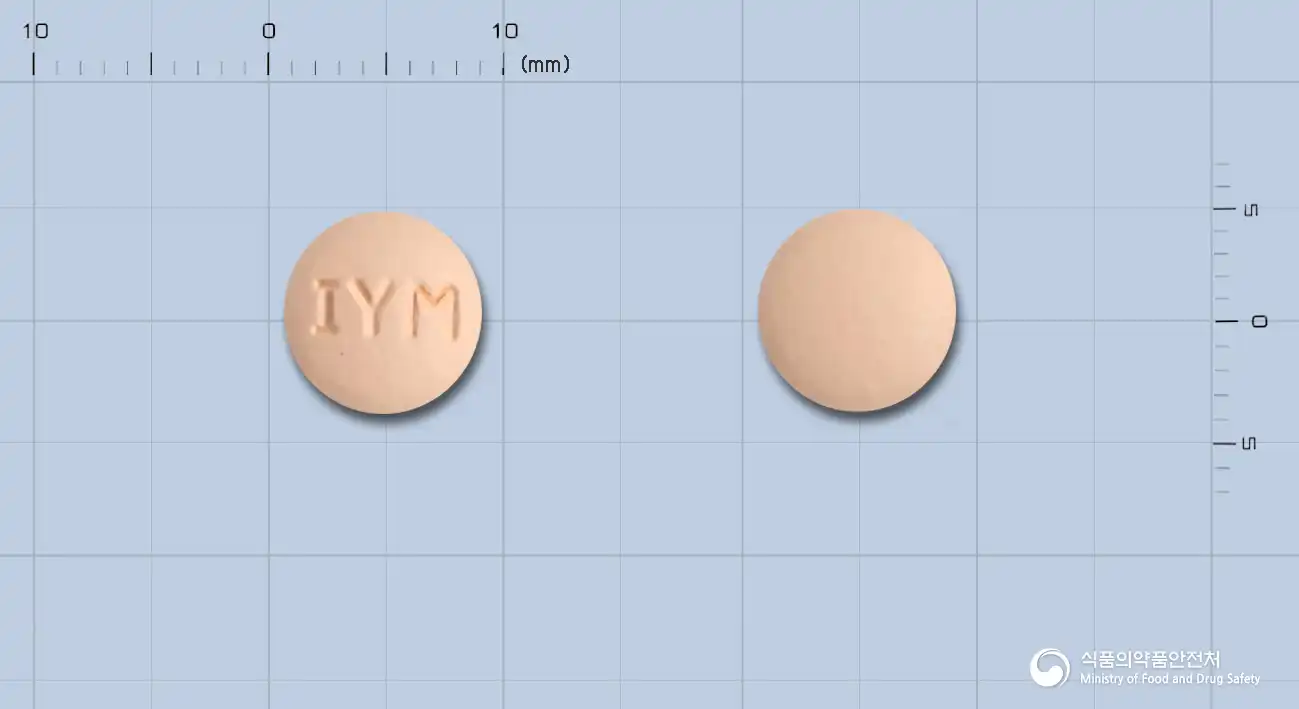 Combination
Olmesartan Medoxomil 20mg · Hydrochlorothiazide 12.5mg
Tablet · Prescription medication · Combination
Il Yang Pharmaceutical Co., Ltd.
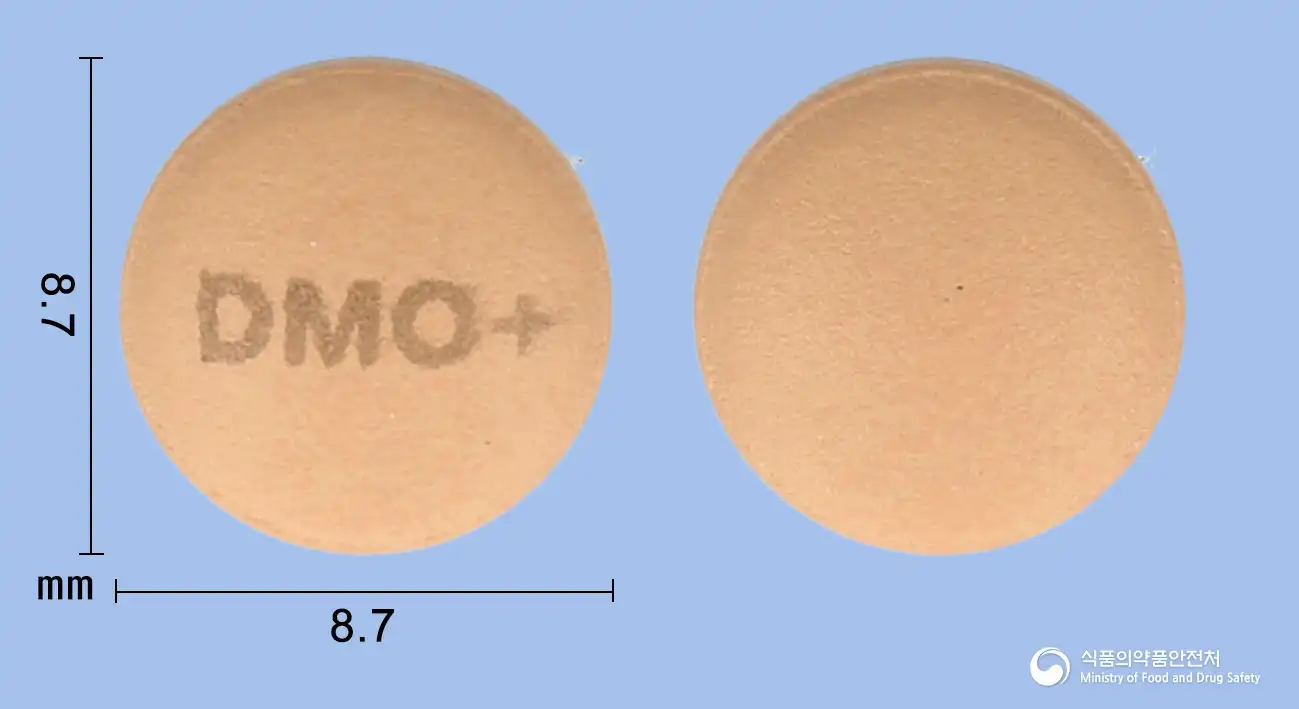 Combination
Olmesartan Medoxomil 20mg · Hydrochlorothiazide 12.5mg
Tablet · Prescription medication · Combination
Dasan Pharmaceutical Co., Ltd.
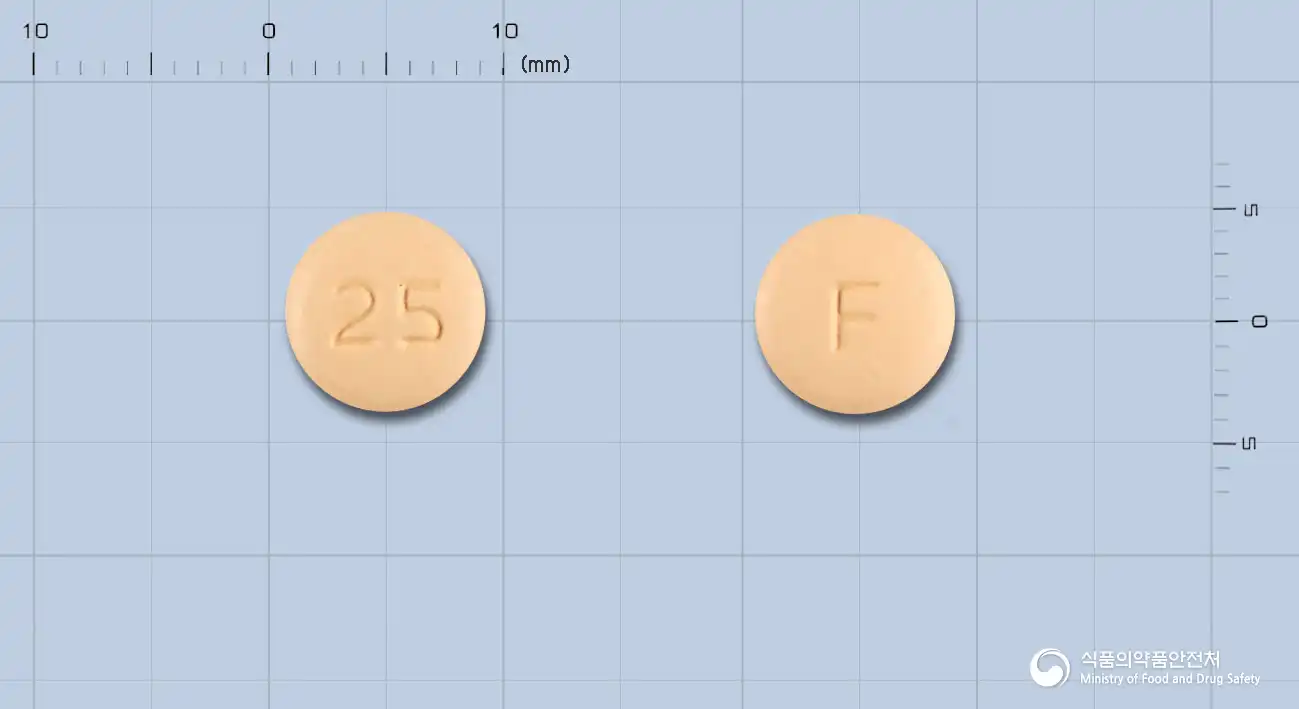 Combination
Olmesartan Medoxomil 20mg · Hydrochlorothiazide 12.5mg
Tablet · Prescription medication · Combination
Myungin Pharma Co., Ltd.
Even with the same ingredient, the dose and directions can differ by strength and dosage form. Talk to a doctor or pharmacist before switching from a medication you are already taking.
No questions yet.
For anything that needs medical judgment, consult a doctor or pharmacist.
This drug information is based on data provided by the Korea Ministry of Food and Drug Safety.
Consult a doctor or pharmacist for accurate dosage, administration, and usage instructions.