
 한국어
 English
 日本語
 中文(简体)
 Viewing nowCombination
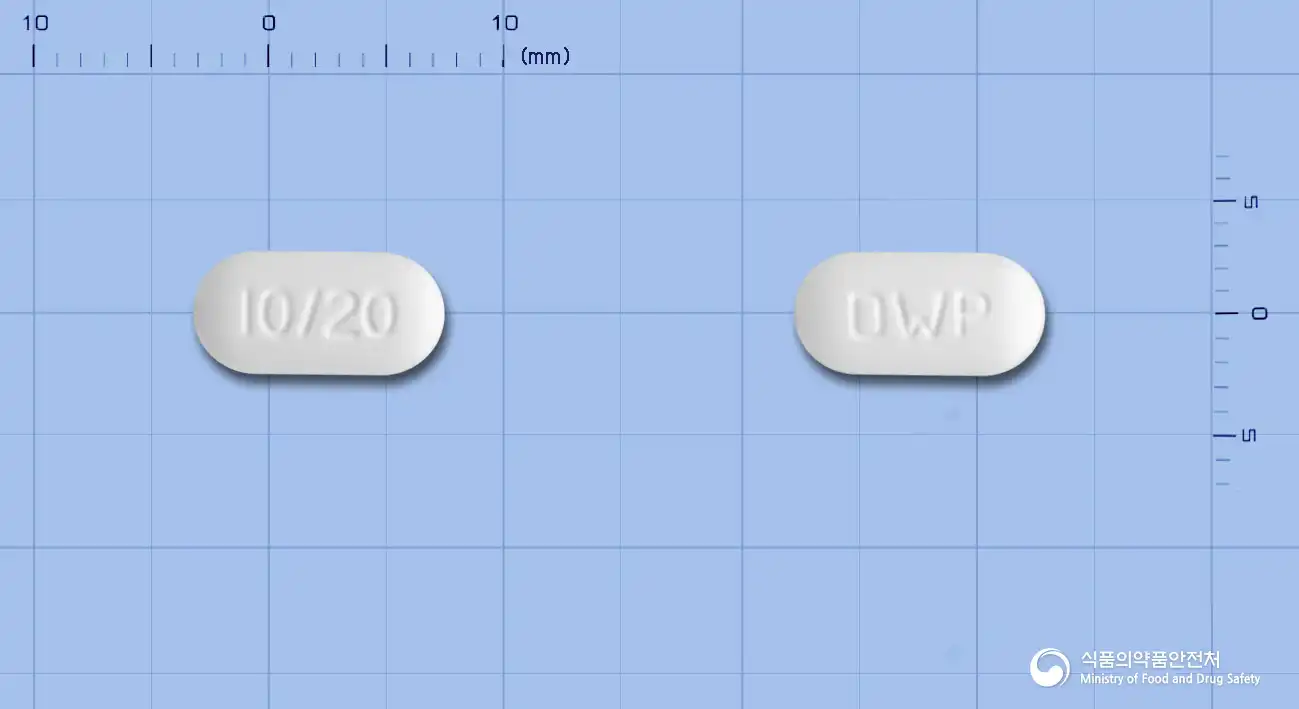
Aitorin Tablet 10/20
Ezetimibe 10mg · Simvastatin 20mg
Tablet · Prescription medication · Combination
Daewon Pharmaceutical Co., Ltd.
MFDS item code 201007277 · Notified 2010.11.30 · Insurance code 671804920
Improvement of primary and homozygous familial hypercholesterolemia and mixed hyperlipidemia
This medication helps to reduce total cholesterol, LDL cholesterol, ApoB protein, and triglycerides, and to increase HDL cholesterol in patients with primary hypercholesterolemia, particularly in familial and non-familial types, as well as in patients with mixed dyslipidemia. It is also used in patients with homozygous familial hypercholesterolemia when other lipid-lowering treatments are insufficiently effective or inappropriate. This medication is used in conjunction with diet, and is administered when sufficient response is not achieved from dietary adjustments or other non-pharmacological therapies. Before treatment, it is important to identify and manage secondary causes such as diabetes and hypothyroidism, and to monitor treatment progress with regular blood lipid tests. It plays a crucial role in reducing the risk of atherosclerotic vascular disease and helps maintain healthy blood lipid levels. Due to these effects, this medication effectively improves hypercholesterolemia.
Patients must follow a standard cholesterol-lowering diet before and during treatment with this medicine. The dose should be adjusted according to the patient's baseline LDL cholesterol level, recommended treatment goal, and response. This medicine is taken once daily in the evening, with or without food. Patients with primary hypercholesterolemia The dose range is 10/10mg~10/40mg daily. The generally recommended starting dose is 10/20mg daily. Patients who require less LDL cholesterol reduction may start at 10/10mg daily. After starting treatment or adjusting the dose, check blood lipid levels at intervals of at least 4 weeks and adjust the dose accordingly. Because of the increased risk of myopathy, including rhabdomyolysis, particularly during the first year of treatment, the 10/80 mg dose of this medicine should be used only in patients who have taken this medicine at 10/80 mg for 12 months or longer without evidence of muscle toxicity (see 1. Warnings under Precautions for Use). Patients with homozygous familial hypercholesterolemia The recommended dose for patients with homozygous familial hypercholesterolemia is 10/40mg once daily in the evening. This medicine is used as an adjunct to other lipid-lowering treatments (e.g., LDL apheresis) or when other lipid-lowering treatments are not suitable. Administration to patients with hepatic impairment No dose adjustment is required in patients with mild hepatic impairment; however, use of this medicine is not recommended in patients with moderate or severe hepatic impairment (see 5. General Precautions, Patients with Abnormal Liver Function under Precautions for Use). Administration to patients with renal impairment and patients with chronic kidney disease No dose adjustment is required in patients with mild renal impairment (estimated glomerular filtration rate (GFR) ≥ 60mL/min/1.73㎡). For patients with chronic kidney disease and an estimated glomerular filtration rate < 60mL/min/1.73㎡, administer this medicine at 10/20mg once daily in the evening. Use caution and closely monitor these patients when administering higher doses of this medicine (see 5. General Precautions under Precautions for Use). Administration to elderly patients No dose adjustment is required in elderly patients. Concomitant administration with other medicines (See 6. Interactions under Precautions for Use.) This medicine should be administered at least 2 hours before or at least 4 hours after administration of a bile acid sequestrant. Patients receiving this medicine concomitantly with verapamil, diltiazem, or dronedarone should not exceed a dose of 10/10mg/day of this medicine. Patients receiving this medicine concomitantly with amiodarone, amlodipine, or ranolazine should not exceed a dose of 10/20mg/day of this medicine.
This medication can cause serious muscle-related side effects such as myopathy and rhabdomyolysis, so if muscle pain or weakness occurs during treatment, medical consultation should be sought immediately. The risk of myopathy and rhabdomyolysis may increase especially when this medication is taken at high doses or in conjunction with certain other drugs. This medication should not be administered to patients with hypersensitivity to the ingredients or those with liver dysfunction, as well as to women who are pregnant or breastfeeding. Moreover, it should not be used in combination with strong CYP3A4 inhibitors or certain drugs like gemfibrozil, cyclosporine, and danazol, and attention must be paid to drug interactions. Since this medication may affect liver function, it should be used cautiously in patients with a history of liver disease or abnormal liver function test results. Elderly patients or those at risk of diabetes should be monitored regularly for blood glucose and liver function during treatment. If unexplained muscle pain, tenderness, or weakness occurs, or if symptoms of liver dysfunction appear, immediate medical attention is required. This medication should not be prescribed to women planning to become pregnant; if pregnancy is confirmed, treatment should be stopped immediately. For breastfeeding mothers, it is safer to discontinue breastfeeding while taking this medication. Caution is advised for use in children and adolescents, as safety and efficacy have not been sufficiently confirmed. During treatment with this medication, grapefruit juice and certain other drugs should be avoided, and consulting with healthcare providers before and after medication is essential.
Not everyone experiences these, and they can vary from person to person.
This medication is sensitive to air and moisture; therefore, it must be stored in a tight container with the lid securely closed when not in use. Additionally, it should be stored at room temperature between 1°C and 30°C, avoiding extremes of temperature.
White to off-white, bi-convex, rectangular tablet
Domestic: 30 tablets (10 tablets/PTP x 3), Export: 30 tablets (10 tablets/PTP x 3)
Even with the same ingredient, strength, dosage form and how it is taken can differ.
Viewing nowCombinationEzetimibe 10mg · Simvastatin 20mg
Tablet · Prescription medication · Combination
Daewon Pharmaceutical Co., Ltd.
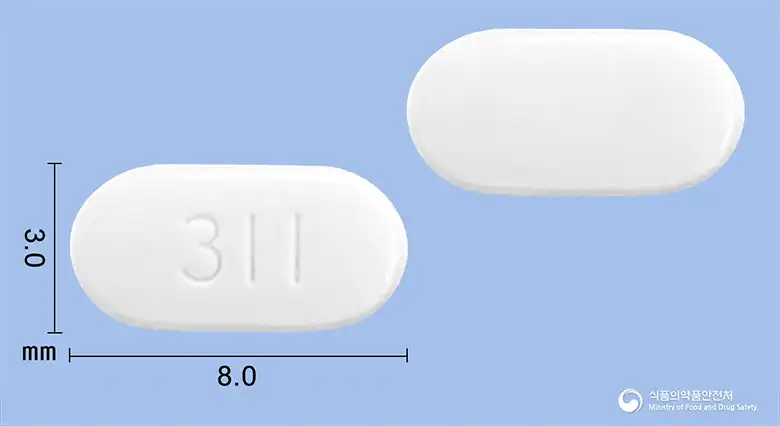 Combination
Simvastatin 10mg · Ezetimibe 10mg
Tablet · Prescription medication · Combination
Korea Organon Co., Ltd.
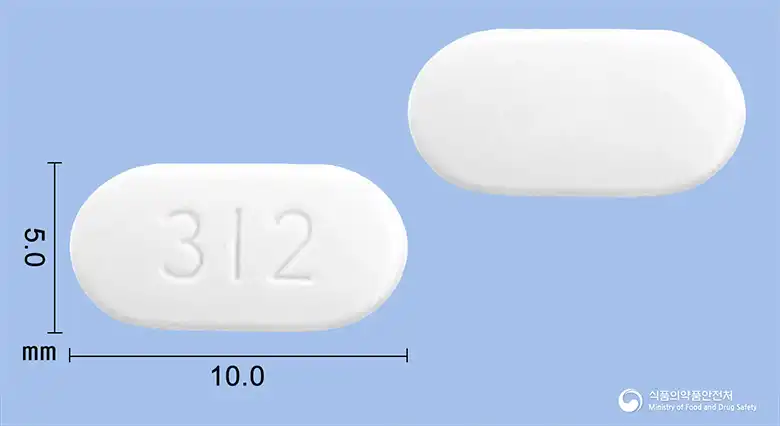 Combination
Simvastatin 20mg · Ezetimibe 10mg
Tablet · Prescription medication · Combination
Korea Organon Co., Ltd.
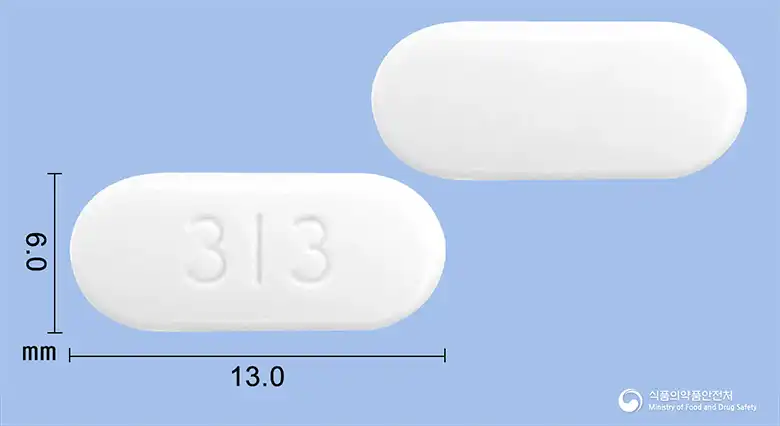 Combination
Simvastatin 40mg · Ezetimibe 10mg
Tablet · Prescription medication · Combination
Korea Organon Co., Ltd.
Ezetimibe 10mg · Simvastatin 10mg
Tablet · Prescription medication · Combination
Boryung Pharmaceutical Co., Ltd.
Ezetimibe 10mg · Simvastatin 20mg
Tablet · Prescription medication · Combination
Boryung Pharmaceutical Co., Ltd.
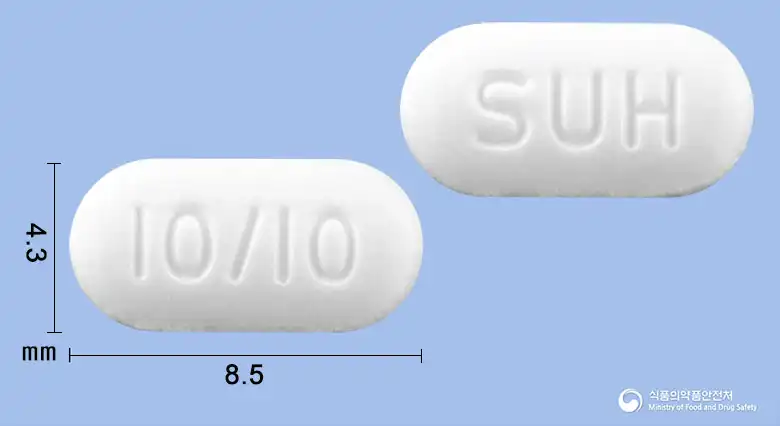 Combination
Ezetimibe 10mg · Simvastatin 10mg
Tablet · Prescription medication · Combination
Suhung Co., Ltd.
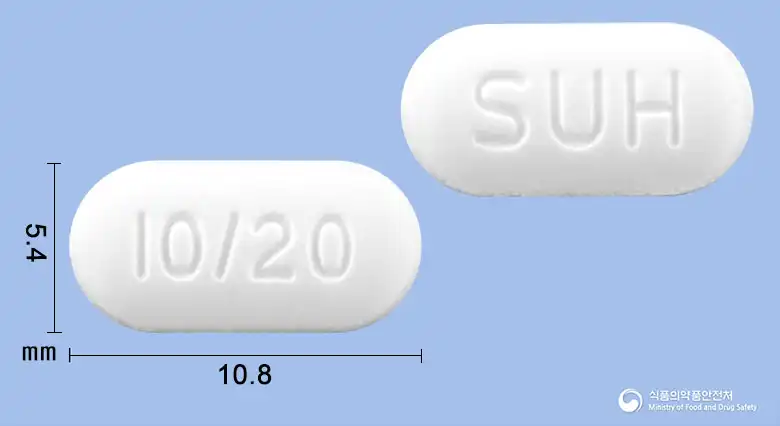 Combination
Ezetimibe 10mg · Simvastatin 20mg
Tablet · Prescription medication · Combination
Seohung Co., Ltd.
Even with the same ingredient, the dose and directions can differ by strength and dosage form. Talk to a doctor or pharmacist before switching from a medication you are already taking.
No questions yet.
For anything that needs medical judgment, consult a doctor or pharmacist.
This drug information is based on data provided by the Korea Ministry of Food and Drug Safety.
Consult a doctor or pharmacist for accurate dosage, administration, and usage instructions.