
 한국어
한국어 English
 日本語
日本語 中文(简体)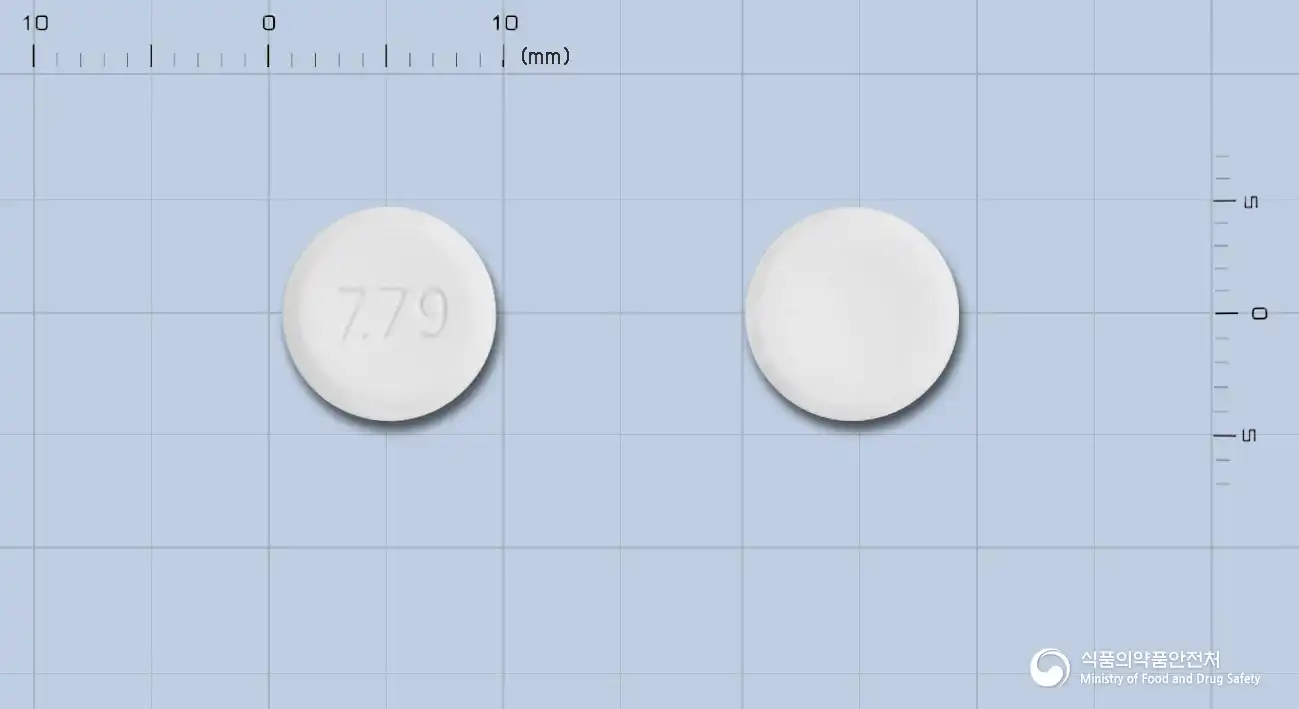
Summary
- Main use
- Relief of perennial allergic rhinitis and chronic urticaria symptoms
- Who takes it
- Adults
- Adult dose
- For adults, take 1 tablet (containing 7.11mg of Befotastin) orally twice daily. The tablet rapidly disintegrates in the saliva in the mouth but can be taken either by placing it on the tongue to dissolve with water or without water.
Ingredients
- Manufacturer
- 한미약품(주)
Efficacy & effects
Relief of perennial allergic rhinitis and chronic urticaria symptoms
- Perennial allergic rhinitis
- chronic urticaria
- pruritus
- eczema
- dermatitis
- skin pruritus
- urticaria
View approved original textHide original text
This medication is used for the treatment of perennial allergic rhinitis, chronic urticaria, and pruritus (itching) associated with skin diseases.
How to take
Adult dose
For adults, take 1 tablet (containing 7.11mg of Befotastin) orally twice daily. The tablet rapidly disintegrates in the saliva in the mouth but can be taken either by placing it on the tongue to dissolve with water or without water.
Precautions
This medication should not be used by patients who have allergic reactions to its components. Care should be taken when using this medication in patients with kidney or liver function issues, as well as in elderly patients. Taking this medication may cause central nervous system symptoms such as drowsiness, headache, and dizziness, as well as gastrointestinal symptoms such as dry mouth, vomiting, and diarrhea. Additionally, hypersensitivity reactions such as changes in blood levels, increased liver function tests, and skin rashes have also been reported. As this medication may cause drowsiness, caution should be exercised when driving a vehicle or operating dangerous machinery. Patients with decreased kidney function may have increased blood concentrations of this medication, so starting with a lower dose and careful monitoring is recommended. For patients receiving long-term steroid therapy, it is essential to gradually adjust the steroid dose when taking this medication. The efficacy of this medication for patients with seasonal allergic rhinitis has not been adequately studied, so it should be used with caution, and it is advisable to start taking it before the allergy season begins. Avoid using this medication in conjunction with alcohol, and it is safest not to combine it with other antihistamines. Women who are pregnant or may become pregnant should avoid using this medication and should consult with their physician before making any decisions if it is necessary. Nursing mothers should also avoid using this medication, as it can be transmitted to the baby through breast milk. The safety of this medication in children has not been fully established, so caution is advised in its use. Elderly patients should adjust the dosage and take care, as decreased kidney function can prolong the duration of the medication in the body. Taking this medication before a skin reaction test for allergy diagnosis may affect the test results, so it is advisable not to take it before testing. When removing the medication from PTP packaging, do not use fingernails; instead, press it out with the fingertips. If the tablet is broken, the entire amount should be taken. Swallowing the PTP sheet can cause injury to the esophagus, leading to serious complications, so it is essential to remove the tablet from the sheet before taking it. Store this medication in a tightly closed container to protect it from air and moisture. It is best to keep the medication at room temperature between 1 to 30 degrees Celsius, in a place that is not too hot or too cold.
Side effects and when to seek care immediately
Mild side effects
- Drowsiness
- fatigue
- headache
- heaviness in the head
- dizziness
- dry mouth
- oral dryness
- glossitis
- nausea
- vomiting
Show 21 moreCollapse
- stomach pain
- discomfort in the upper abdomen
- diarrhea
- changes in white blood cell count
- eosinophilia
- elevated AST (GOT)
- ALT (GPT)
- r-GTP
- LDH
- total bilirubin
- urine protein
- urine sugar
- urine hematuria
- urine urobilinogen
- rash
- swelling hypersensitivity reactions
- thirst
- abdominal discomfort
- facial flushing
- palpitations
- bitter taste
Not everyone experiences these, and they can vary from person to person.
Storage
This medication should be stored in a tightly sealed container to prevent exposure to air or moisture. Additionally, the medication should be stored at room temperature between 1 and 30 degrees Celsius, not in a place that is too hot or too cold.
Appearance and packaging
Appearance
White to whitish round orally disintegrating tablet
Package unit
60 tablets (10 tablets/PTP x 6)/carton
Questions about this medicine
No questions yet.
For anything that needs medical judgment, consult a doctor or pharmacist.