
 한국어
 English
 日本語
 中文(简体)
 Viewing nowCombination
Epeirin Plus Tablet
Acetaminophen 200mg · Ephedrine Hydrochloride 25mg +3 more
Tablet · OTC medication · Combination
Gyeongnam Pharmaceutical Co., Ltd.
MFDS item code 200810658 · Notified 2008.10.27
Relief of cold symptoms (cough, phlegm, fever, etc.)
This medication is effective in alleviating various symptoms associated with colds, such as sore throat, cough, phlegm, chills, fever, headache, joint pain, and muscle pain. It helps to comprehensively improve various symptoms for a quicker recovery. Therefore, it is used for the relief of cold symptoms.
Adults and those aged 15 years and older: Take 1 tablet per dose 3 times daily, 30 minutes after meals; doses should be taken 4 hours apart.
Aged 8 years to under 11 years: 1/2 tablet per dose Aged 11 years to under 15 years: 2/3 tablet per dose
This medication may cause liver damage in those who regularly consume more than three glasses of alcohol a day, so it is essential to consult a physician or pharmacist. Additionally, the acetaminophen component in this medication can rarely cause serious skin reactions, so if you experience any rashes or unusual symptoms, stop taking it immediately and consult a professional. The maximum daily dose of acetaminophen is 4,000 mg, and care should be taken not to exceed the total dose when taking this medication along with other products. Those who have an allergy to this medication or have previously displayed hypersensitivity to this or similar ingredients should avoid taking it. Individuals with a history of asthma or infants under three months old, as well as those with specific genetic metabolic disorders, should also not take this medication. Furthermore, if you are currently taking or have recently discontinued certain medications such as antidepressants or antipsychotics, you must consult a professional before taking this medication. It is safest not to take this medication simultaneously with cough medicines, other cold medications, antipyretics, sedatives, or antihistamines. Children infected with chickenpox or influenza, especially those under 15 years old, must consult a physician before taking this medication, and special care is required for children under 2 years old. Those with allergic predispositions or chronic conditions including liver, kidney, heart, thyroid issues, diabetes, hypertension, gastrointestinal diseases, elderly individuals, and pregnant or breastfeeding women should also consult a professional before taking this medication. If you experience rashes, itching, vomiting, swelling, dizziness, or insomnia during use, stop taking the medication immediately and consult healthcare personnel. Especially if serious symptoms such as hives, difficulty breathing, severe skin rashes, jaundice, coughing, and difficulty breathing occur, seek emergency treatment promptly. This medication must be taken according to the prescribed dosage and duration, and caution is needed to avoid prolonged use. When administering to children, parental supervision is necessary, and it is advisable to avoid alcohol during use. Since the metabolism of acetaminophen may be delayed when taken with certain medications, it is crucial to consult a professional about concomitant medications. Coinciding the use of this medication with certain antibiotics may rarely induce metabolic acidosis, so caution is needed, and if unusual symptoms are suspected, stop taking it immediately. Finally, this medication should be stored out of reach of children and kept in a tightly closed container away from direct sunlight in a cool, dry place, and it is advisable not to transfer it to another container.
Liver damage, acute generalized exanthematous pustulosis, Stevens-Johnson syndrome, toxic epidermal necrolysis, skin rash, hypersensitivity, rash, erythema, itching, nausea, vomiting, loss of appetite, constipation, edema, dizziness, anxiety, tremors, insomnia, high anion gap metabolic acidosis, shock, urticaria, chest tightness, pallor, cold hands and feet with sweating, difficulty breathing, mucocutaneous syndrome, blistering similar to burns, asthma, liver dysfunction, generalized fatigue, jaundice, interstitial pneumonia, cough, shortness of breath, dyspnea, fever
Not everyone experiences these, and they can vary from person to person.
Do not take this medication with other products containing acetaminophen, MAO inhibitors (such as antidepressants, antipsychotics, mood stabilizers, anti-Parkinson medications), cough suppressants and expectorants, other cold medications, antipyretics, sedatives, or antihistamines (oral medications for rhinitis, motion sickness, allergy medications). Also, do not take with diabetes medications, gout medications, arthritis medications, anticoagulants, steroids, barbiturates, or tricyclic antidepressants.
Do not consume alcohol while taking this medication.
This medication should be kept in a tightly sealed container to prevent air from entering, and it is best stored at room temperature between 1 to 30 degrees Celsius. Keeping it this way will help maintain the effectiveness of the medication.
Yellow round tablet
60 tablets/bottle
Even with the same ingredient, strength, dosage form and how it is taken can differ.
Viewing nowCombinationAcetaminophen 200mg · Ephedrine Hydrochloride 25mg +3 more
Tablet · OTC medication · Combination
Gyeongnam Pharmaceutical Co., Ltd.
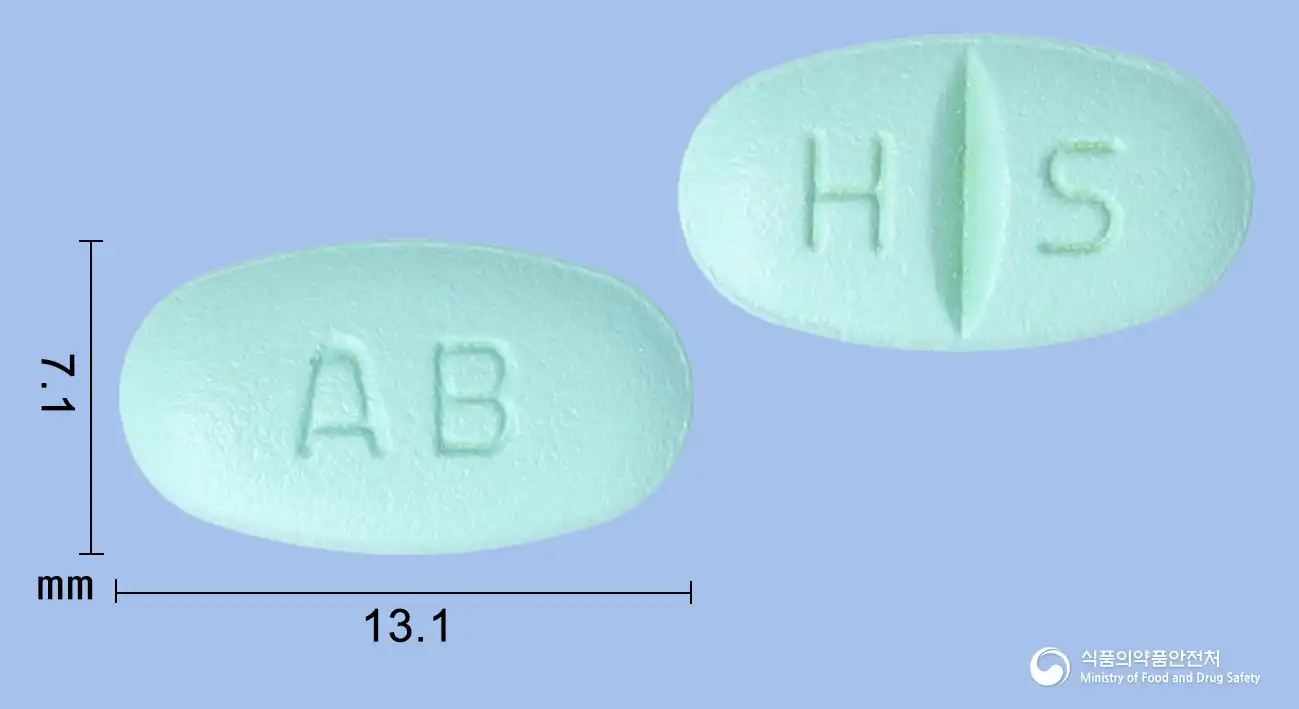 Combination
Ephedrine Hydrochloride 15mg · Anhydrous Caffeine 45mg +3 more
Tablet · OTC medication · Combination
Huons Co., Ltd.
Ephedrine Hydrochloride 15mg · Anhydrous Caffeine 45mg +3 more
Tablet · OTC medication · Combination
Hyuons Life Science Co., Ltd.
Even with the same ingredient, the dose and directions can differ by strength and dosage form. Talk to a doctor or pharmacist before switching from a medication you are already taking.
No questions yet.
For anything that needs medical judgment, consult a doctor or pharmacist.
This drug information is based on data provided by the Korea Ministry of Food and Drug Safety.
Consult a doctor or pharmacist for accurate dosage, administration, and usage instructions.