
 한국어
 English
 日本語
 中文(简体)
 Viewing nowCombination
Losartan-Hydrochlorothiazide Plus Tablet
Losartan Potassium 100mg · Hydrochlorothiazide 12.5mg
Tablet · Prescription medication · Combination
YuHan Co., Ltd.
MFDS item code 200808248 · Notified 2008.07.30 · Insurance code 642103100
Treatment of hypertension not controlled with monotherapy
This medication effectively helps lower blood pressure when hypertension is not well controlled with monotherapy. Specifically, it is used as an additional treatment for patients who have difficulties controlling blood pressure with the use of a single medication. This helps achieve stable management of blood pressure. The medication helps maintain blood pressure within an appropriate range, thereby reducing the risk of cardiovascular disease. Therefore, it is used to enhance therapeutic effects when monotherapy is insufficient.
○ Adults The usual dose of this drug is 1 tablet of losartan potassium 50 mg/hydrochlorothiazide 12.5 mg once daily. Doses exceeding losartan potassium 100 mg/hydrochlorothiazide 25 mg per day are not recommended. The maximum blood pressure-lowering effect generally occurs around 3 weeks after starting treatment. This drug may be administered with other antihypertensive agents and may be taken with or without food. To minimize adverse reactions, start this drug when the desired effect has not been achieved with monotherapy. 1. Replacement therapy: Combination therapy with individually dose-adjusted losartan potassium and hydrochlorothiazide may be replaced with this drug. 2. Patients whose blood pressure is not controlled with losartan or hydrochlorothiazide monotherapy: Start with 1 tablet of losartan potassium 50 mg/hydrochlorothiazide 12.5 mg once daily. If blood pressure is not controlled after 3 weeks of treatment, the dose may be increased to a maximum of 1 tablet of losartan potassium 100 mg/hydrochlorothiazide 25 mg once daily. 3. Patients whose blood pressure is not controlled with losartan potassium 100 mg monotherapy: Start with losartan potassium 100 mg/hydrochlorothiazide 12.5 mg once daily. If blood pressure is not controlled after 3 weeks of treatment, the dose may be increased to a maximum of 1 tablet of losartan potassium 100 mg/hydrochlorothiazide 25 mg once daily. 4. Patients whose blood pressure is not controlled with hydrochlorothiazide 25 mg once daily, or who have hypokalemia even when their blood pressure is controlled with this dose: Treatment may be started with 1 tablet of losartan potassium 50 mg/hydrochlorothiazide 12.5 mg once daily, which can reduce the hydrochlorothiazide dose without reducing the overall blood pressure-lowering effect. Continue to monitor the clinical response to losartan potassium 50 mg/hydrochlorothiazide 12.5 mg. If blood pressure is not controlled after 3 weeks of treatment, the dose may be increased to a maximum of 1 tablet of losartan potassium 100 mg/hydrochlorothiazide 25 mg once daily. ○ Patients with renal impairment Use the usual dose when creatinine clearance is 30 mL/min or more. Administration to patients with more severe renal impairment is not recommended, as loop diuretics are preferable to thiazide-type drugs in these patients. ○ Patients with hepatic impairment Administration to these patients is not recommended because the initial dose of losartan potassium for patients with hepatic impairment requiring dosage adjustment, 25 mg, cannot be administered using this drug.
Children (under 18 years): Since there is no experience with use in children and adolescents, the losartan-hydrochlorothiazide combination should not be administered to children or adolescents.
This medication can cause serious harm to the fetus when used during pregnancy, particularly in the second and third trimesters, so it should be discontinued immediately upon confirmation of pregnancy. Patients with a known allergy to this medication or its components, severely impaired kidney function, severe liver dysfunction, pregnant women, or women of childbearing potential should not use this medication. Patients with hypotension, kidney issues, liver dysfunction, hyperuricemia, electrolyte imbalance, or cerebrovascular diseases should use this medication with special care. This medication lowers blood pressure and may cause side effects such as dizziness, headache, cough, and edema in some patients. The hydrochlorothiazide component may cause electrolyte imbalances, so regular blood tests are recommended, and any signs of dehydration or electrolyte abnormalities should be reported to a doctor immediately. During treatment, potassium supplements or potassium-containing salt substitutes should not be taken without consulting a doctor. Additionally, this medication may increase skin sensitivity to sunlight, so prolonged sun exposure should be avoided, and any skin abnormalities should be reported immediately. Dizziness or drowsiness may occur while driving or operating machinery, so caution is advised. There may be interactions with other medications, so inform your doctor or pharmacist of any other medications you are currently taking. The safety and efficacy in children and adolescents have not been established, so it is not used in this population. Elderly patients may experience side effects more frequently, so they should take this medication according to medical advice. Store this medication in its original container, out of reach of children, and do not change or store it in a different container.
Not everyone experiences these, and they can vary from person to person.
This medication should be stored in a tightly closed container that can block light and at a temperature between 1 to 30 degrees Celsius. This storage method helps maintain the medication's efficacy for a long time.
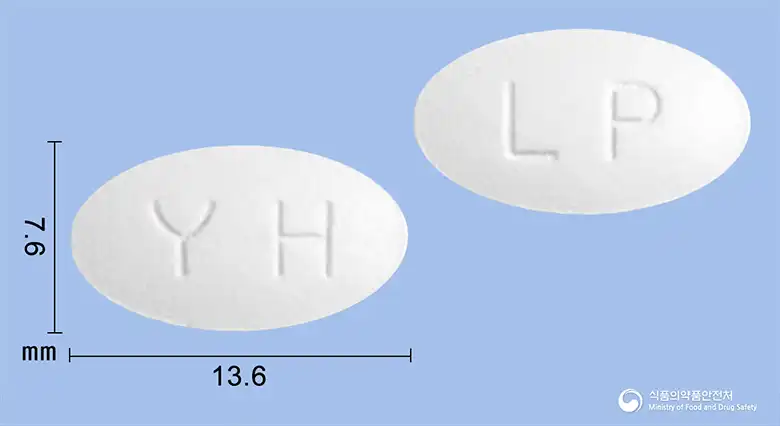
White oval film-coated tablet
30 tablets/bottle
Even with the same ingredient, strength, dosage form and how it is taken can differ.
Viewing nowCombinationLosartan Potassium 100mg · Hydrochlorothiazide 12.5mg
Tablet · Prescription medication · Combination
YuHan Co., Ltd.
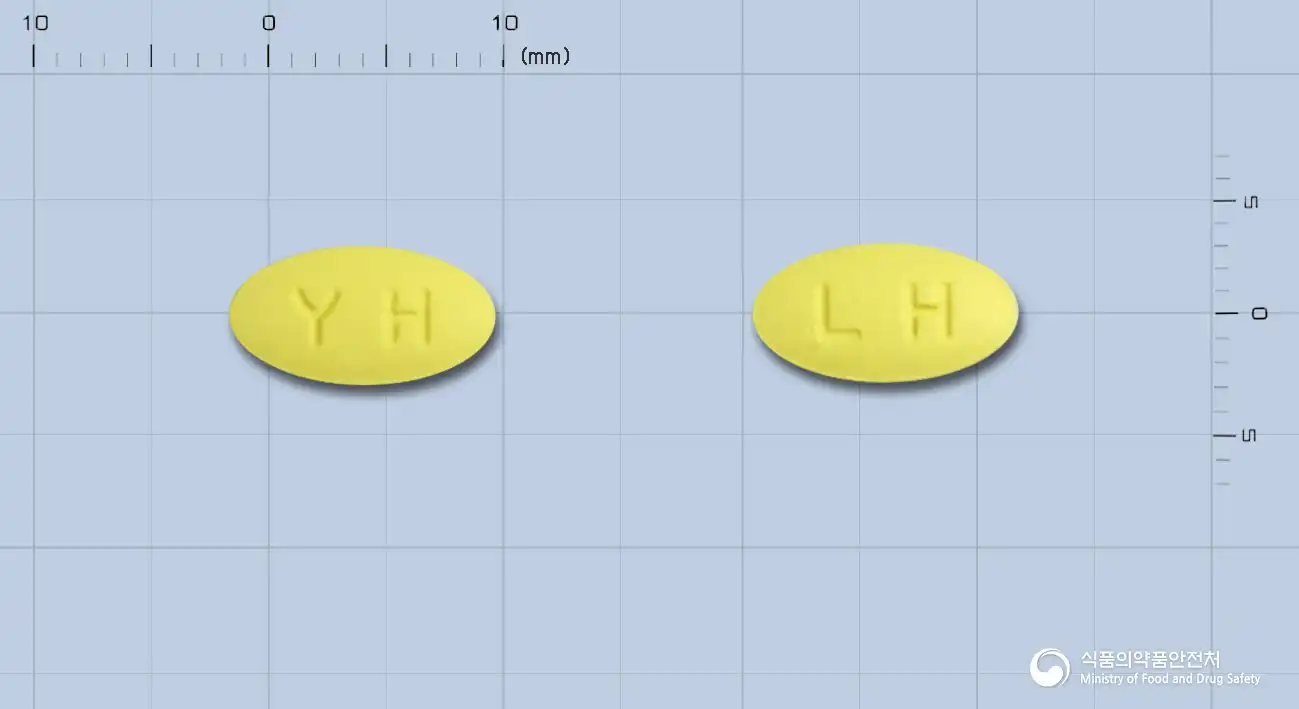 Combination
Losartan Potassium 50mg · Hydrochlorothiazide 12.5mg
Tablet · Prescription medication · Combination
(Co., Ltd.) Yuhan
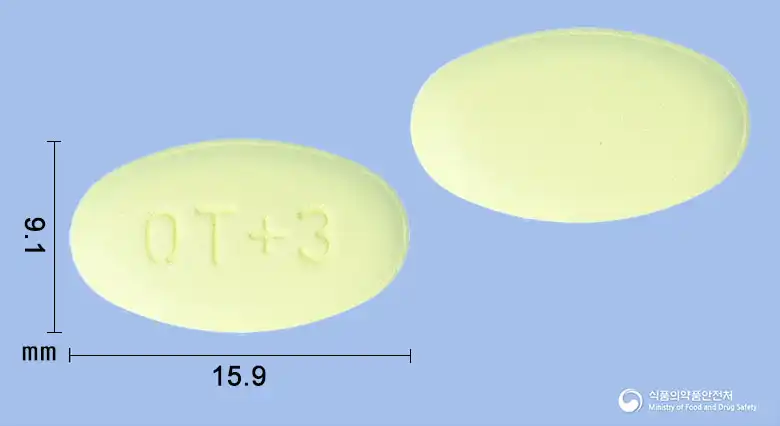 Combination
Losartan Potassium 100mg · Hydrochlorothiazide 25mg
Tablet · Prescription medication · Combination
Hanmi Pharmaceutical Co., Ltd.
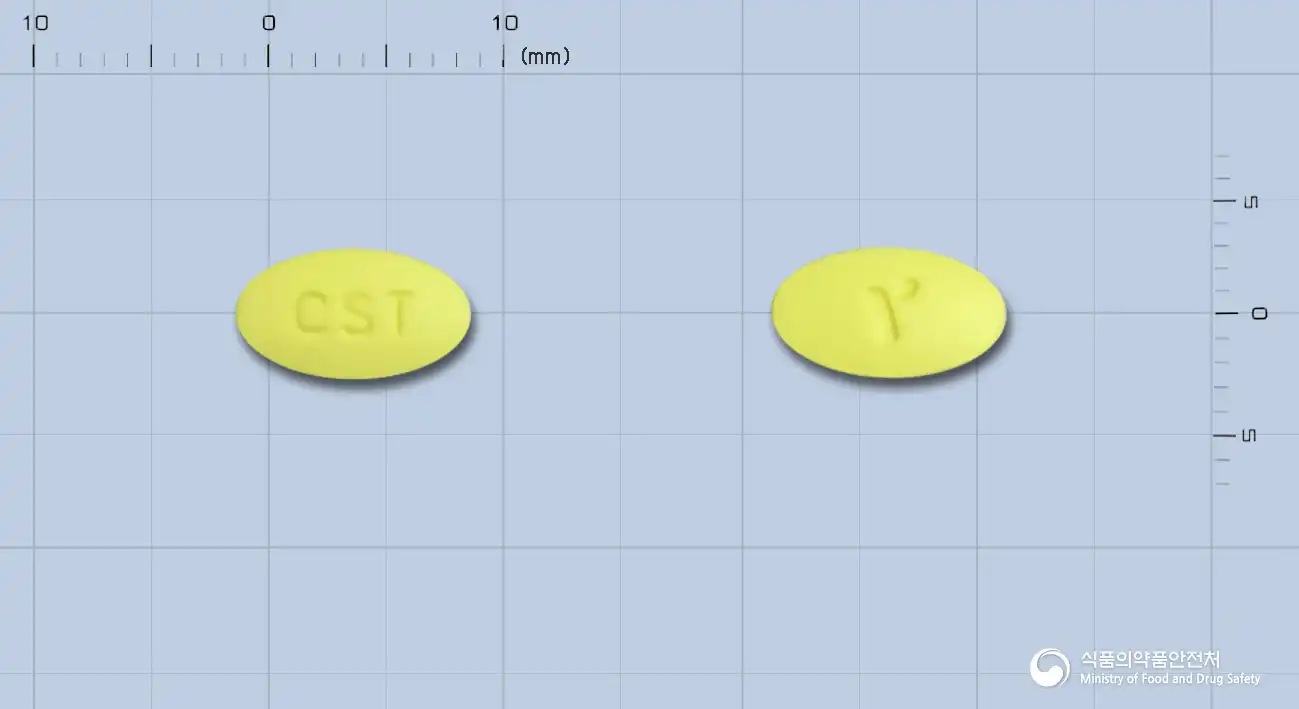 Combination
Losartan Potassium 50mg · Hydrochlorothiazide 12.5mg
Tablet · Prescription medication · Combination
(Co., Ltd. ) Yuyoung Pharmaceutical
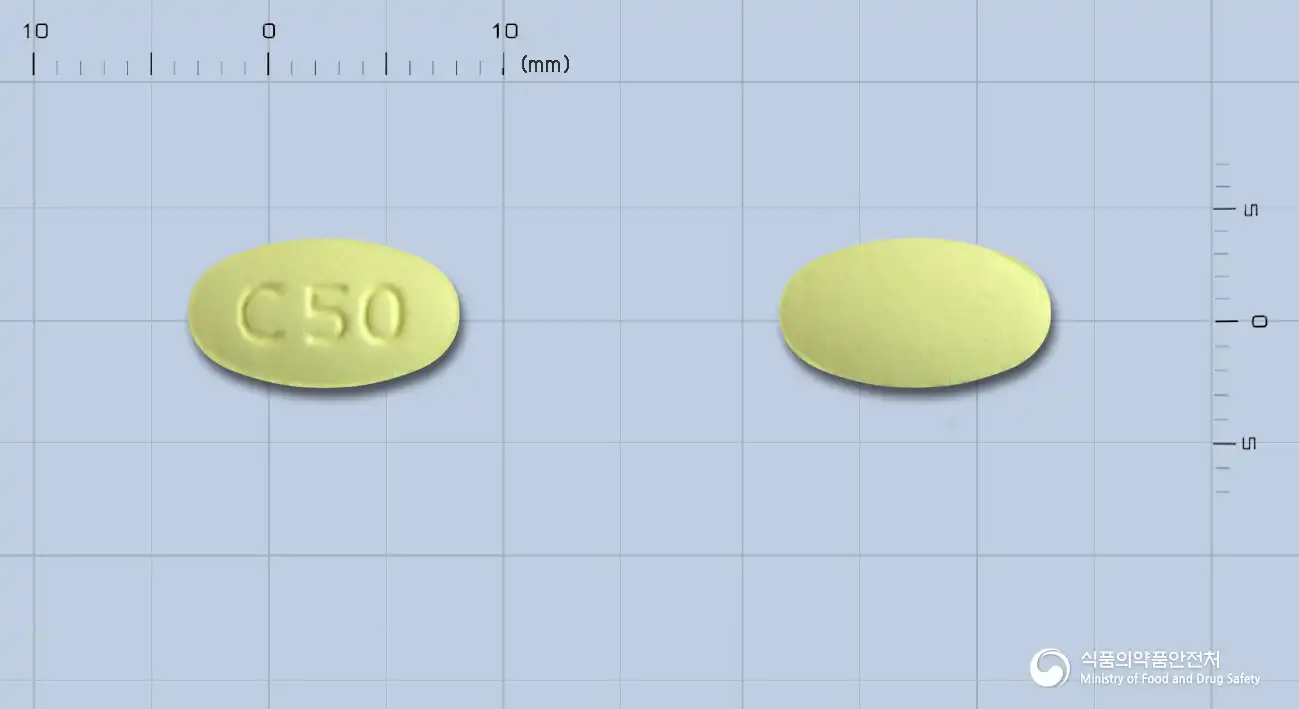 Combination
Losartan Potassium 50mg · Hydrochlorothiazide 12.5mg
Tablet · Prescription medication · Combination
Youngpoong Pharmaceutical Co., Ltd.
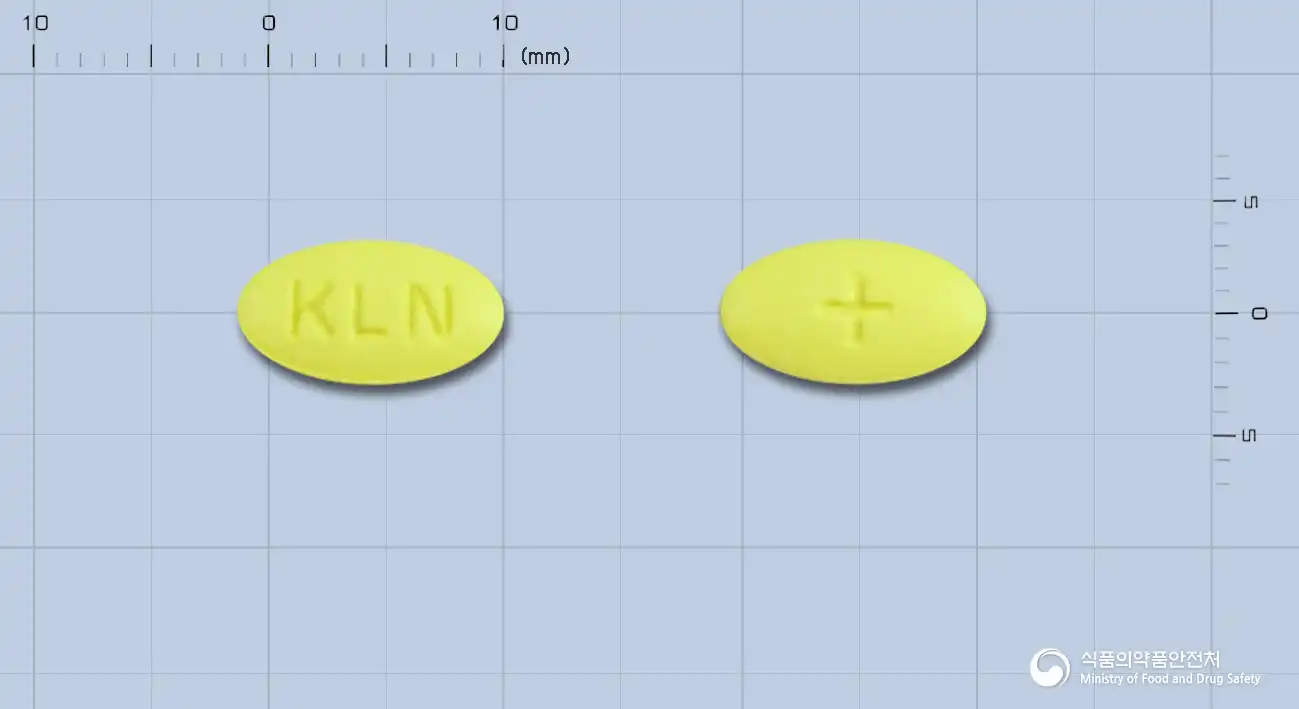 Combination
Losartan Potassium 50mg · Hydrochlorothiazide 12.5mg
Tablet · Prescription medication · Combination
Kolon Pharmaceutical Co., Ltd.
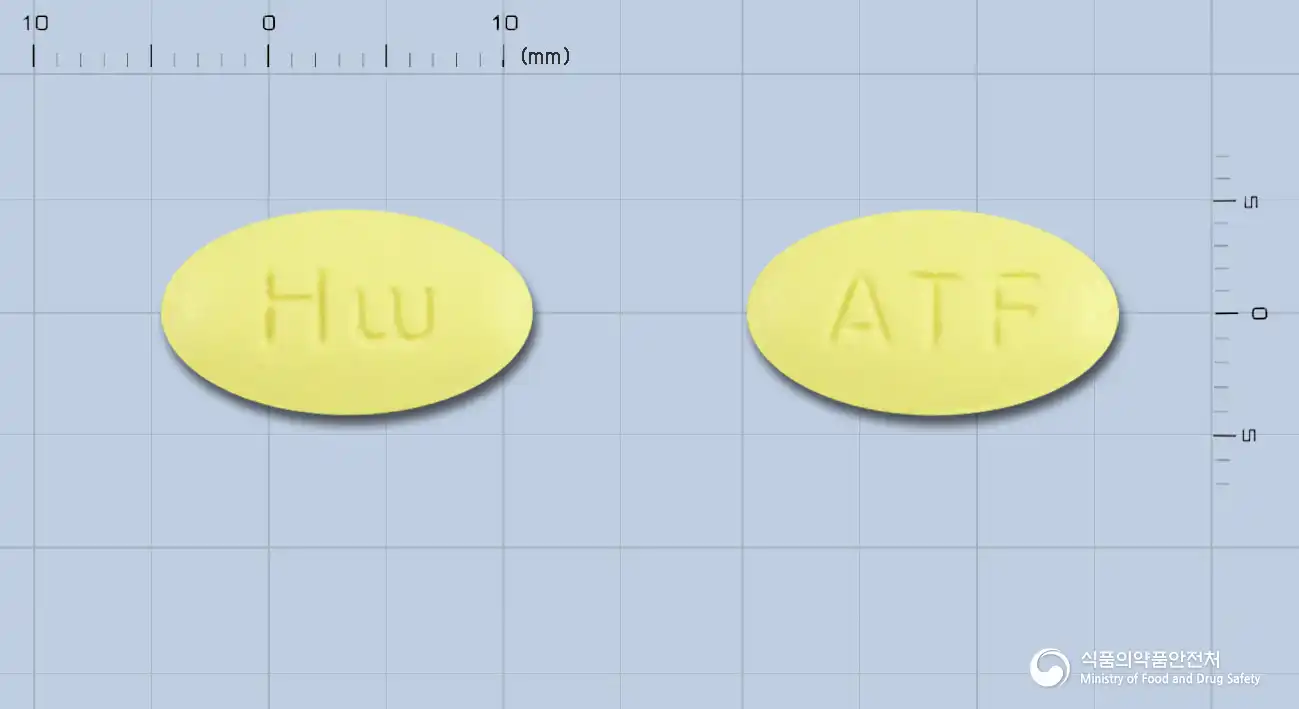 Combination
Losartan Potassium 100mg · Hydrochlorothiazide 25mg
Tablet · Prescription medication · Combination
NBK Pharmaceutical Co., Ltd.
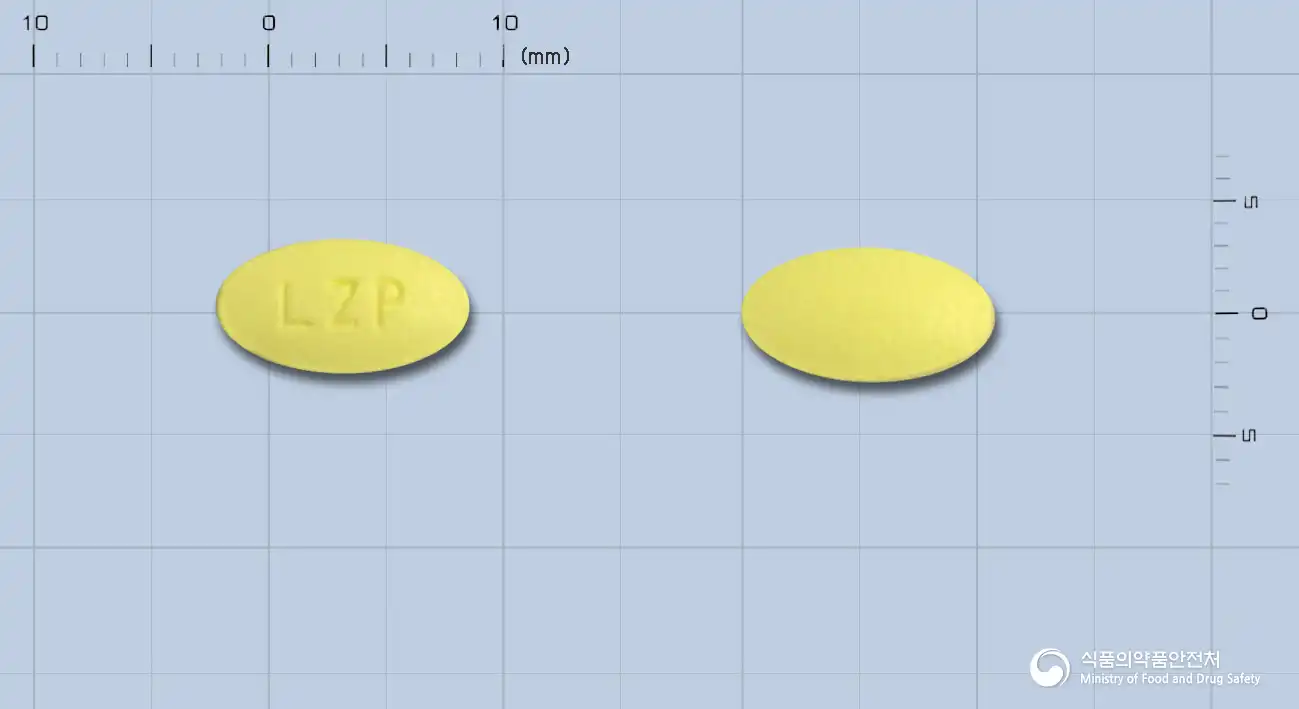 Combination
Losartan Potassium 50mg · Hydrochlorothiazide 12.5mg
Tablet · Prescription medication · Combination
Dongkwang Pharmaceutical Co., Ltd.
Even with the same ingredient, the dose and directions can differ by strength and dosage form. Talk to a doctor or pharmacist before switching from a medication you are already taking.
No questions yet.
For anything that needs medical judgment, consult a doctor or pharmacist.
This drug information is based on data provided by the Korea Ministry of Food and Drug Safety.
Consult a doctor or pharmacist for accurate dosage, administration, and usage instructions.