
 한국어
한국어 English
 日本語
日本語 中文(简体)
 Viewing nowCombination
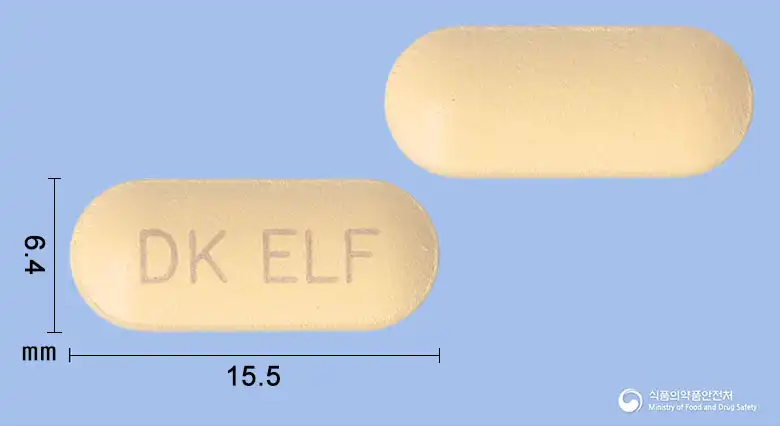
Eliphen Tablet
Acetaminophen 325mg · Tramadol Hydrochloride 37.5mg
Tablet · Prescription medication · Combination
Dongkuk Pharmaceutical Co., Ltd.
MFDS item code 200805215 · Notified 2008.05.07 · Insurance code 653401490
Relief of moderate to severe acute and chronic pain
This medication is used to relieve acute and chronic pain ranging from moderate to severe.
Children over 12 years and adults: It is recommended to administer an initial dose of 2 tablets, maintaining a minimum interval of 6 hours for subsequent doses, and not to exceed 8 tablets per day. The effective minimum dose should be administered for the shortest duration possible. Prolonged use should be avoided unless necessary due to the nature and severity of the condition, in which case regular monitoring should be implemented to confirm the continuation of this medication.
Children over 12 years of age and adults should follow the same dosage as adults.
This medication may cause liver damage if taken by individuals who regularly consume more than three alcoholic beverages per day; therefore, consultation with a doctor or pharmacist is essential. This drug can rarely cause serious skin reactions; if a rash or hypersensitivity reaction occurs, discontinue use immediately. The ingredients in this medication can increase the risk of seizures, so patients with a history of seizures or those at increased risk should use it cautiously. During treatment with this drug, serious allergic reactions can rarely occur; if abnormal symptoms appear, immediate notification to healthcare personnel is necessary. For patients with severely impaired respiratory function, this drug may pose risks and should only be used in a professionally monitored environment. Using this medication with alcohol or central nervous system depressants can lead to severe sedation and respiratory depression, so caution is advised. Patients with head injuries or elevated intracranial pressure should use this drug cautiously due to possible worsening of symptoms from respiratory depression. This medication can cause physical and psychological dependency; therefore, careful monitoring for signs of dependency is necessary during prolonged use. Patients with impaired liver function must consult a doctor before taking this drug and should avoid exceeding a total daily dose of 4,000mg. Particularly, for certain patients where metabolic rates may be increased, which can raise the risk of respiratory depression, dosage adjustments based on genetic testing results should be considered. This medication should not be used in children under 12 years old or following certain surgeries, and adolescents with risk factors should preferably avoid administration as well. This drug can induce sleep apnea and hypoxia, so symptoms should be monitored continuously, adjusting the dose as needed. Elderly patients or those at risk for hyponatremia should be closely monitored for signs of hyponatremia during treatment with this drug. Administration should be avoided in patients with allergies to any component of this drug, specific central nervous system drug dependencies, severe respiratory depression, etc. This drug is not safe for use in certain patient populations, such as those with severe liver, kidney, or heart dysfunction, nursing mothers, and children under 12 years of age. Caution is required when using this medication in conjunction with other narcotic analgesics, as it may cause dependency or withdrawal symptoms. Abrupt discontinuation can lead to withdrawal symptoms such as anxiety, insomnia, and nausea, so it is advisable to taper the dosage gradually under a doctor's supervision. There is an increased risk of seizures associated with the use of this drug, so patients with a history of seizures should take special care. Patients with liver diseases or alcohol dependencies are at risk for liver toxicity, so consultation with healthcare personnel is mandatory before taking this drug. Drowsiness or dizziness may occur with this medication, indicating caution when driving or operating machinery. In case of overdose, serious respiratory depression, seizures, liver damage, etc., may occur, so the prescribed dose should not be exceeded, and emergency medical services should be sought immediately in such situations. This medication should be kept out of the reach of children and should be monitored to prevent abuse.
Hives, severe swelling, tightness in the chest, difficulty breathing, cold sweat, pallor, severe rash with high fever, blisters, skin peeling, pain in mucous membranes of mouth/eyes, shortness of breath or difficulty breathing, asthma attacks, respiratory abnormalities accompanied by cough and fever, yellowing of the skin or eyes (jaundice), extreme lethargy, sudden and severe headache, thunderclap headache, seizures, confusion, vision abnormalities, paralysis, urine output significantly decreased.
Not everyone experiences these, and they can vary from person to person.
This medication should be stored in a tightly sealed container to prevent exposure to air or moisture. Additionally, it is recommended to store it at room temperature between 1°C and 30°C. Following this storage guideline will help maintain the drug's efficacy.
Light yellow oblong film-coated tablet
30 tablets/bottle, 100 tablets/bottle
Even with the same ingredient, strength, dosage form and how it is taken can differ.
Viewing nowCombinationAcetaminophen 325mg · Tramadol Hydrochloride 37.5mg
Tablet · Prescription medication · Combination
Dongkuk Pharmaceutical Co., Ltd.
 Combination
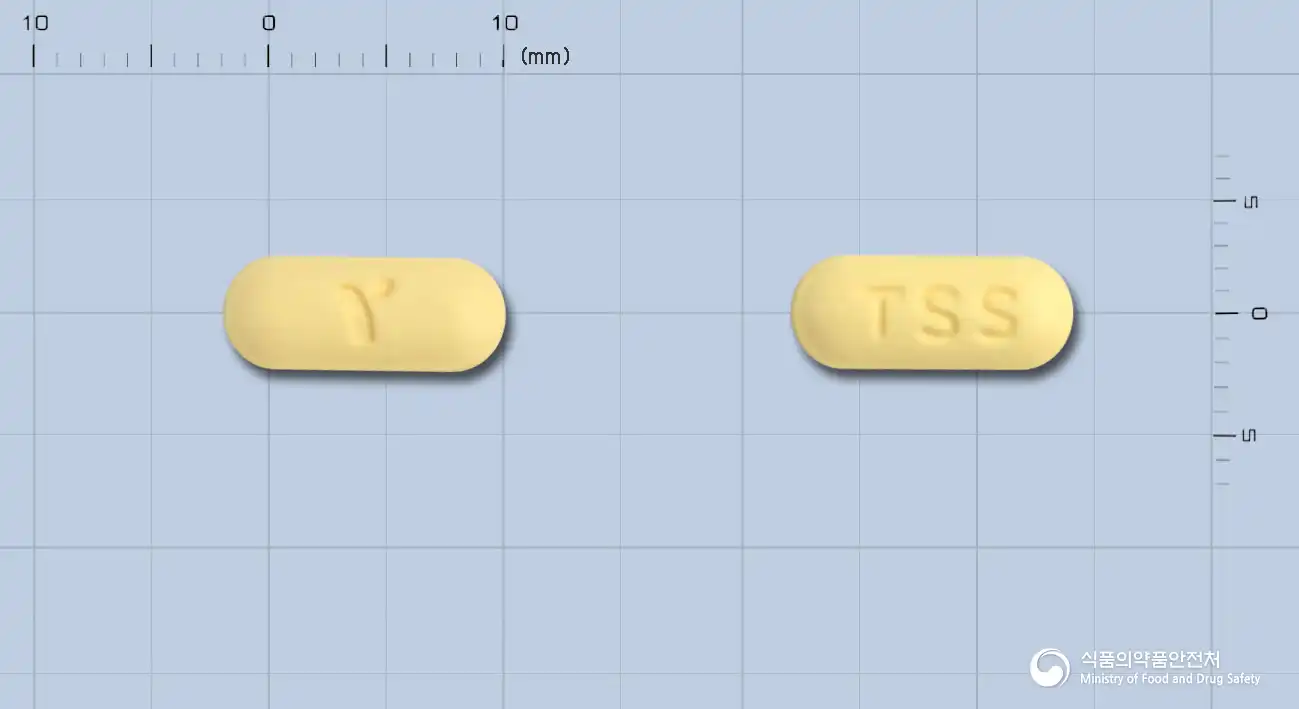
Acetaminophen 162.5mg · Tramadol Hydrochloride 18.75mg
Tablet · Prescription medication · Combination
Yuyoung Pharmaceutical Co., Ltd.
 Combination
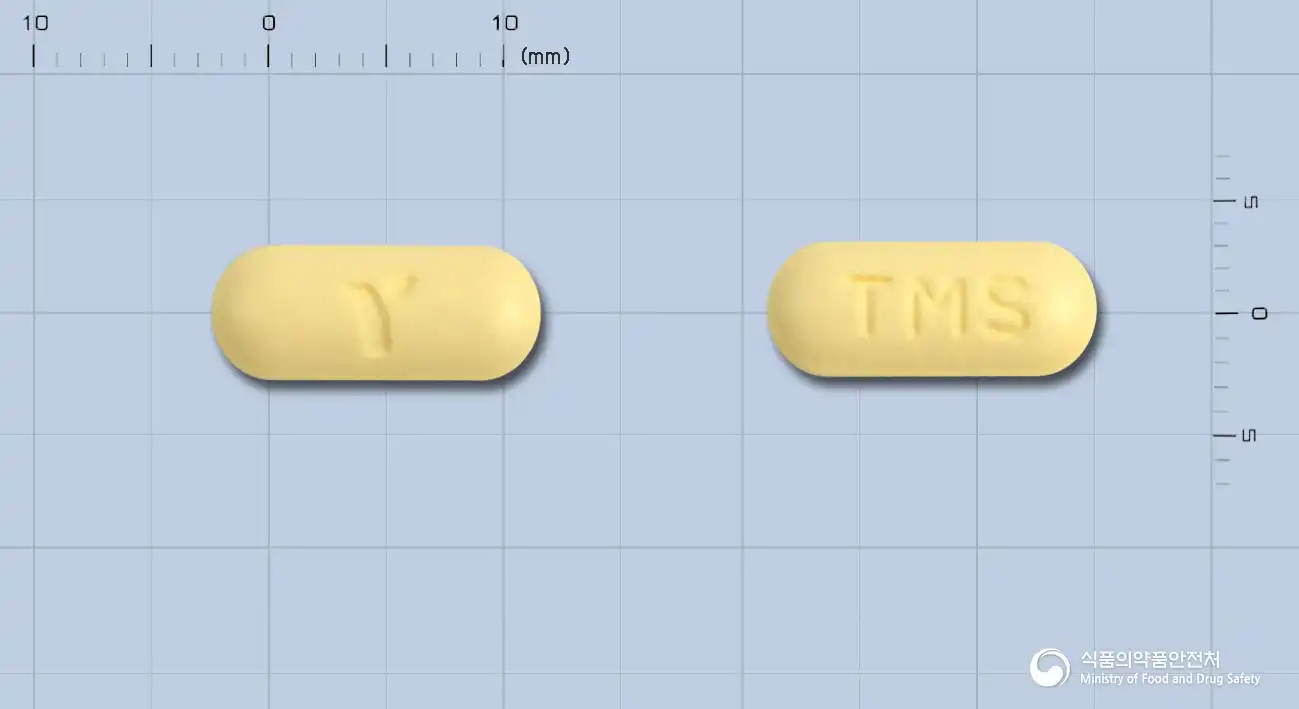
Acetaminophen 325mg · Tramadol Hydrochloride 37.5mg
Tablet · Prescription medication · Combination
Youyoung Pharmaceutical Co., Ltd.
 Combination
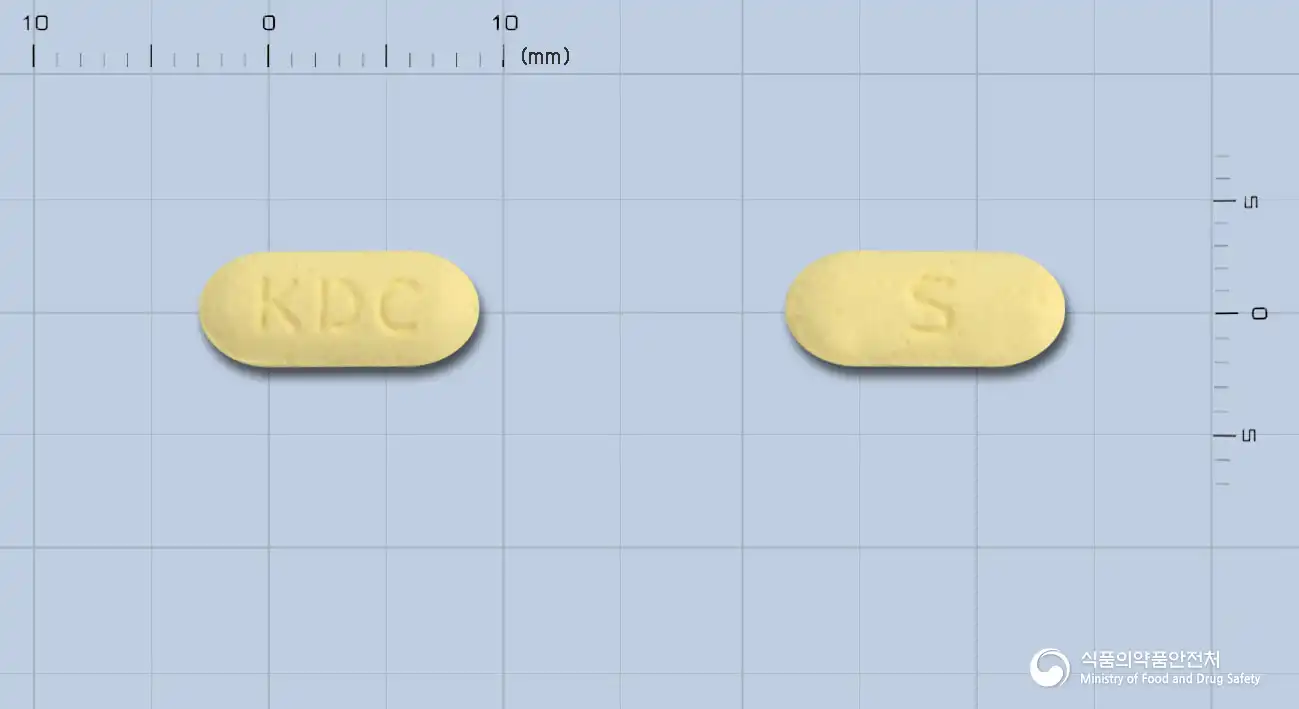
Tramadol Hydrochloride 18.75mg · Acetaminophen 162.5mg
Tablet · Prescription medication · Combination
Korea Pharmaceutical Co., Ltd.
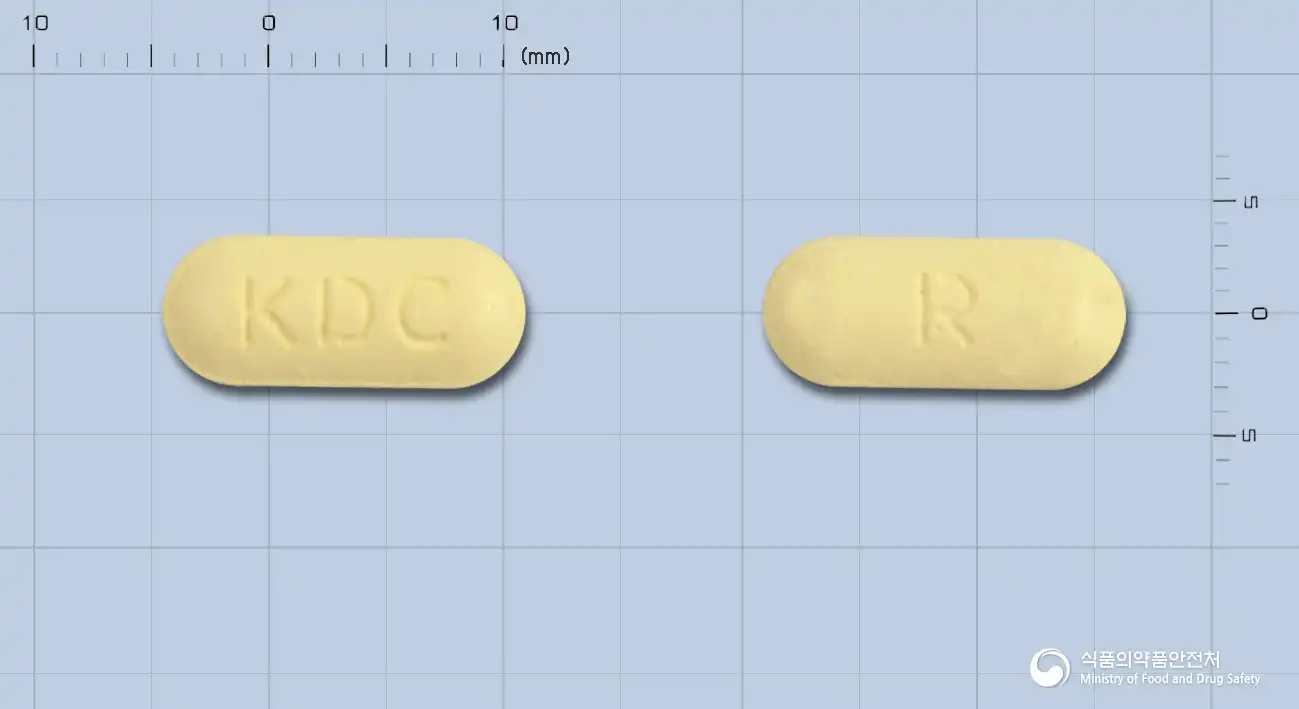 Combination
Tramadol Hydrochloride 37.5mg · Acetaminophen 325mg
Tablet · Prescription medication · Combination
Korea United Pharmaceutical Co., Ltd.
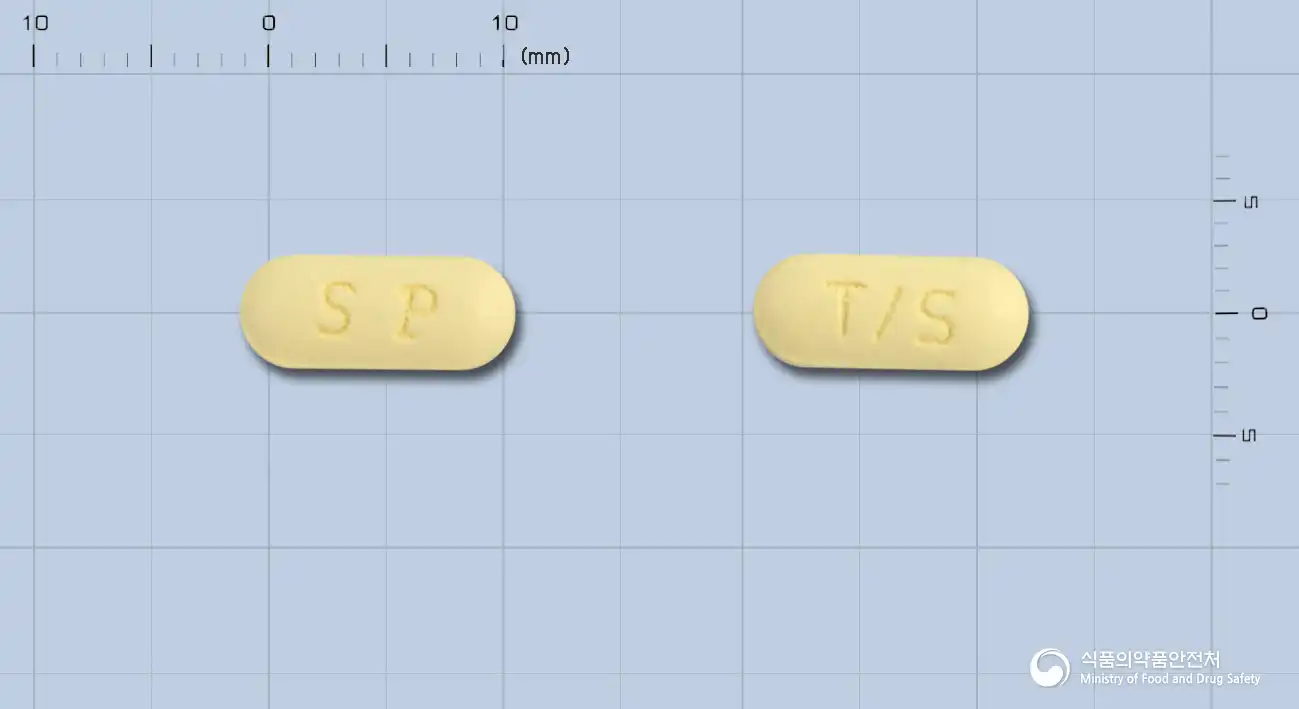 Combination
Acetaminophen 162.5mg · Tramadol Hydrochloride 18.75mg
Tablet · Prescription medication · Combination
Shinpoong Pharmaceutical Co., Ltd.
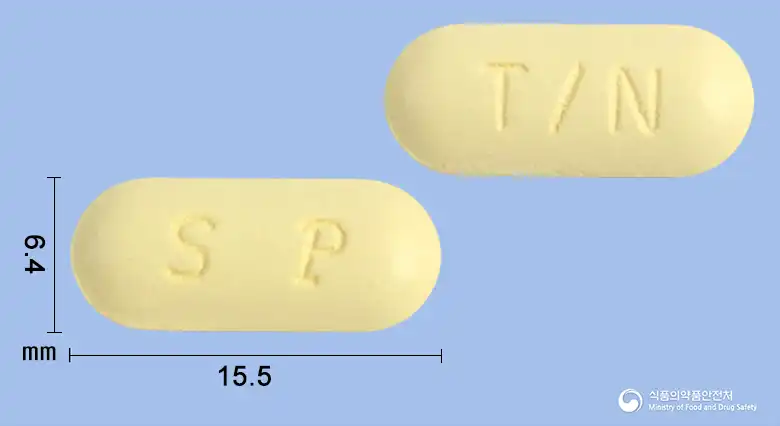 Combination
Acetaminophen 325mg · Tramadol Hydrochloride 37.5mg
Tablet · Prescription medication · Combination
Sinphong Pharmaceutical Co., Ltd.
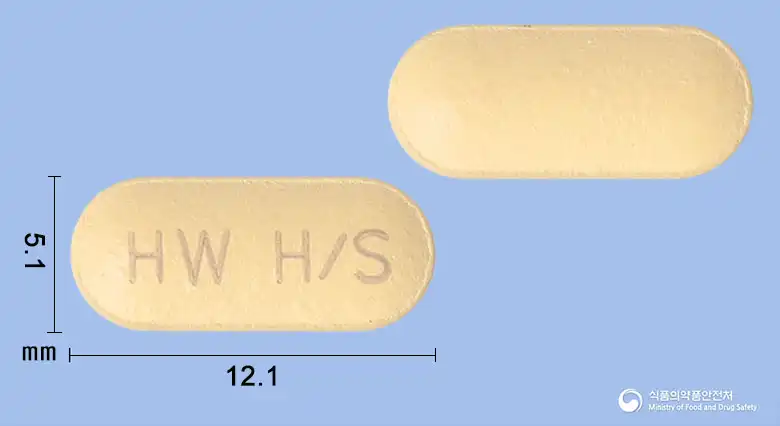 Combination
Acetaminophen 162.5mg · Tramadol Hydrochloride 18.75mg
Tablet · Prescription medication · Combination
Albozen Korea Co., Ltd.
Even with the same ingredient, the dose and directions can differ by strength and dosage form. Talk to a doctor or pharmacist before switching from a medication you are already taking.
No questions yet.
For anything that needs medical judgment, consult a doctor or pharmacist.
This drug information is based on data provided by the Korea Ministry of Food and Drug Safety.
Consult a doctor or pharmacist for accurate dosage, administration, and usage instructions.