
 한국어
 English
 日本語
 中文(简体)
 Viewing nowCombination
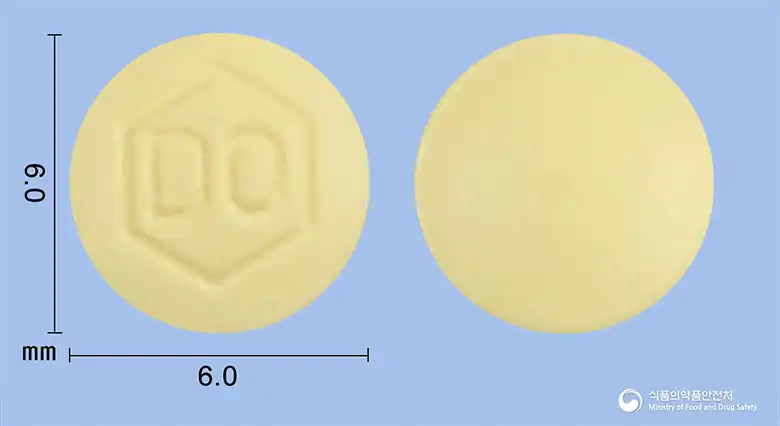
Yasmin Tablet
Drospirenone 3mg · Ethinyl Estradiol 0.03mg
Tablet · Prescription medication · Combination
Bayer Korea Co., Ltd.
MFDS item code 200801550 · Approved 2008.02.04
Prevention of pregnancy
This medication is used for contraception.
Take 1 tablet daily for 21 days in the order indicated, followed by a 7-day tablet-free period. If possible, take the tablet at the same time every day. Menstruation occurs during the 7-day tablet-free period, usually starting within 2~3 days after the last tablet is taken. Menstruation may not have ended before you start a new pack. If you continue taking this medicine, start taking tablets from a new pack after the 7-day tablet-free period. 1. When starting this medicine for the first time 1) If you have not used hormonal contraceptives in the previous month Start taking this medicine on the first day of your menstrual period. If this is not possible, you may start within 5 days after your period begins; however, complete contraceptive protection cannot be expected, so you must use an additional nonhormonal method of contraception (a method other than rhythm or basal body temperature methods, such as a contraceptive device) for the first 7 days of taking this medicine. If more than 5 days have passed since your period began, wait until your next menstrual period to start taking this medicine. The possibility of ovulation and pregnancy that may have already occurred before you start taking this medicine must also be considered. 2) If switching from a combined hormonal contraceptive (combined oral contraceptive), vaginal ring, or transdermal patch Start taking this medicine the day after taking the last tablet of your previous contraceptive (with no tablet-free interval). However, if your previous contraceptive includes a tablet-free interval or placebo tablets that contain no active ingredients, start taking this medicine no later than the day after the tablet-free interval ends or the day after you take the last placebo tablet. If you have been using a vaginal ring or transdermal patch, preferably start taking this medicine on the day the last ring or patch in a cycle pack is removed, and no later than the time when the next ring or patch would have been scheduled for use. 3) If switching from a progestogen-only contraceptive You may stop taking the mini-pill (progestogen-only oral contraceptive) and start taking this medicine at any time. If you have an implant or intrauterine device, start taking this medicine on the day it is removed; if you have been using an injectable contraceptive, start taking this medicine when your next injection is due. In all cases, use a barrier method of contraception for the first 7 days of taking this medicine. 2. If you forget to take a dose 1) If less than 12 hours have passed since the time you should have taken the tablet Contraceptive protection is maintained. Take 1 tablet as soon as you remember, then take the next tablet at your usual scheduled time. 2) If more than 12 hours have passed since the time you should have taken the tablet Contraceptive protection may be reduced, so follow the instructions below according to these two principles. ① The period during which you stop taking tablets must not exceed 7 days. ② 7 consecutive days of taking the tablets are required for adequate suppression of the hypothalamic-pituitary-ovarian axis. Take the tablets as follows, depending on the week of use. •Week 1 Take the last missed tablet as soon as you remember. This may mean taking 2 tablets at once. Then take the next tablet at your usual scheduled time. Use a barrier method of contraception, such as a condom, for the first 7 days of taking the tablets. If you had sexual intercourse during the previous 7 days, pregnancy is possible. The more tablets you have missed and the closer the time of the missed dose is to the usual tablet-free period, the higher the risk of pregnancy. •Week 2 Take the last missed tablet as soon as you remember. This may mean taking 2 tablets at once. Then take the next tablet at your usual scheduled time. If you took this medicine continuously for the 7 days immediately before missing the first tablet, no additional contraceptive method is necessary. Otherwise, or if you missed more than 1 tablet, use an additional contraceptive method for the first 7 days of taking the tablets. •Week 3 Because the tablet-free period is approaching, the risk of reduced contraceptive protection is high. Following the instructions below can prevent a reduction in contraceptive protection. If you took this medicine continuously for the 7 days immediately before missing the first tablet, you do not need to use an additional contraceptive method if you choose either of the following two options. Otherwise, follow the first option and use an additional contraceptive method for the first 7 days. ① Take the last missed tablet as soon as you remember. This may mean taking 2 tablets at once. Then take the next tablet at your usual scheduled time. Start the next pack as soon as the current pack is finished, without a tablet-free period. Withdrawal bleeding may not occur until you finish taking the tablets in the second pack, but breakthrough bleeding or spotting may occur while taking the tablets. ② Stop taking tablets from the current pack, have a 7-day tablet-free period that includes the day you missed a tablet, and then start taking tablets from a new pack. If withdrawal bleeding does not occur during the first usual tablet-free period after you missed a tablet, consider the possibility of pregnancy. 3. If you vomit or have gastrointestinal problems If you have severe gastrointestinal problems, absorption of this medicine may be incomplete, so you should use an additional contraceptive method. If you vomit within 3-4 hours after taking a tablet, consider it as not having been taken and follow the instructions in "2. If you forget to take a dose." If you do not want to change your regular dosing schedule, you may take the required extra tablet from a new pack. 4. If unexpected bleeding occurs Irregular bleeding (spotting or breakthrough bleeding) may occur, mainly during the first 3 months, but continue taking this medicine. The symptoms usually disappear after 3 months, but consult your doctor if bleeding continues or becomes heavier. 5. Use after childbirth or abortion 1) After an abortion within the first 3 months of pregnancy You may start taking this medicine immediately. In this case, no additional contraceptive method is necessary. 2) After an abortion between 4-6 months of pregnancy or after childbirth You may start taking this medicine 21-28 days after an abortion or childbirth. If you start later, use a nonhormonal method of contraception for the first 7 days of taking this medicine. However, if you have already had sexual intercourse, confirm whether you are pregnant before starting a combined oral contraceptive, or wait until your normal menstrual period begins and start taking this medicine on the first day of your period. 6. If you want to change or extend your cycle To extend your cycle, take the tablets from a new pack of this medicine in sequence without a tablet-free period. You may extend the cycle for as long as desired, until you have finished taking the second pack. Breakthrough bleeding or spotting may occur during the extended period. Then resume taking this medicine as usual after a 7-day tablet-free period. To change your cycle to a different day than your current schedule, you may shorten the upcoming tablet-free period by the desired number of days. The shorter the tablet-free period, the higher the risk that withdrawal bleeding will not occur and that breakthrough bleeding or spotting will occur while taking the second pack.
As an oral contraceptive, this medication significantly increases the risk of serious cardiovascular side effects, especially thrombosis, when smoking. Women over 35 years of age should refrain from smoking, and those over 35 who smoke should not take this medication. One of the ingredients, drospirenone, poses a risk of hyperkalemia; therefore, patients with kidney, liver, or adrenal dysfunction or those taking medications that can increase blood potassium levels should exercise caution. If cardiovascular adverse reactions, such as thrombosis, occur, discontinue use immediately and stop administration for a period before and after surgery. Additionally, it is recommended not to start taking this medication within 4 weeks after giving birth. This medication should not be administered to specific patients, including those with estrogen-dependent tumors, thromboembolic disorders, cardiovascular diseases, severe hypertension, liver dysfunction, renal impairment, adrenal dysfunction, pregnant or potentially pregnant women, and nursing mothers. Additionally, contraindications include hereditary thrombophilia, history of pancreatitis, unexplained vaginal bleeding, and lactose intolerance. Women over 40 years, those with a history of epilepsy, family history of breast cancer, and those with a history of depression should be administered cautiously, requiring regular examinations and monitoring. While taking this medication, various adverse reactions such as headaches, nausea, breast pain, and menstrual irregularities may occur, and serious cases may develop thrombosis, liver tumors, and hypertension. If abnormal symptoms occur while taking this medication, consult a healthcare professional immediately. Before starting this oral contraceptive, it is important to check personal and family medical history and to receive regular checks on blood pressure and breast and uterine health. If you have risk factors for thrombosis, carefully consider the risks and benefits of this medication; discontinue use if thrombosis symptoms are suspected. Additionally, this medication does not prevent sexually transmitted infections, so separate protective measures are necessary. When taking the medication, pay attention to not forgetting the administration time and potential reduction in effectiveness due to gastrointestinal disorders or concomitant drugs. Pregnant women or those planning to become pregnant should not use this medication, nor should nursing mothers. This medication may affect patients receiving thyroid hormones or cortisol replacement therapy, requiring dose adjustments. Finally, during the course of taking this medication, it is important to avoid smoking and to undergo regular health check-ups to detect any anomalies early.
Thrombotic venous inflammation, arterial or venous thromboembolism, pulmonary embolism, myocardial infarction, intracerebral hemorrhage, cerebral thrombosis, hypertension, gallbladder disease, hepatic adenoma, benign liver tumors, mesenteric thrombosis, retinal thrombosis, nausea, vomiting, gastrointestinal symptoms, persistent bleeding, petechiae, menstrual cycle changes, amenorrhea, temporary infertility after treatment discontinuation, edema, persistent melasma, breast pain, breast enlargement, galactorrhea, mastalgia, breast discharge, weight changes, changes in the uterus, reduced milk secretion immediately after childbirth, jaundice, migraine, rash, mental depression, decreased glucose tolerance, vaginal candidiasis, changes in corneal curvature, discomfort with contact lenses, mood changes, acne, Budd-Chiari syndrome, cataract, changes in appetite, changes in libido, enteritis, cystitis, drowsiness, diverse erythema, headache, hemorrhagic urinary symptoms, hemorrhagic rash, hirsutism, renal insufficiency, hair loss, neuroexcitability, porphyria, premenstrual syndrome, vaginitis, headache, irregular menstruation, breast pain, abdominal pain, chills, cold-like symptoms, vaginal moniliasis, depression, diarrhea, asthenia, dysmenorrhea, back pain, infection, pharyngitis, intermenstrual bleeding, migraine, vomiting, drowsiness, neuroexcitability, vaginitis, sinusitis, cystitis, bronchitis, allergic reactions, urethral infection, itching, emotional instability, surgery, rash, upper respiratory infection, dermatitis, menorrhagia, breast sclerosis
Not everyone experiences these, and they can vary from person to person.
This medication should be stored in a tightly sealed container to protect it from air and moisture. Additionally, it is important to store it in a cool place below 25 degrees Celsius to maintain the medication's efficacy.
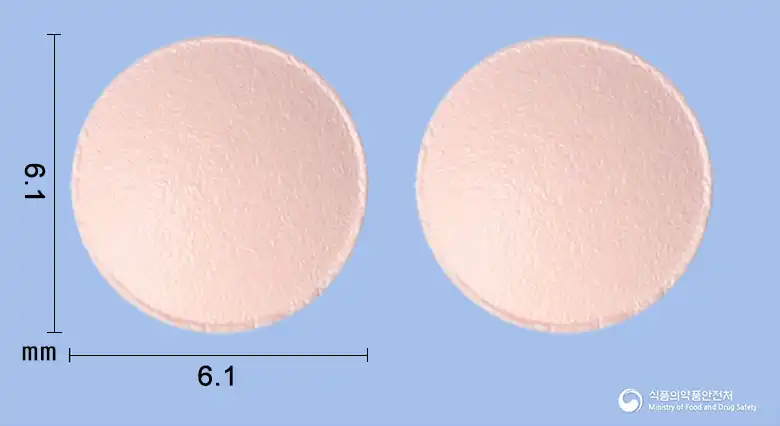
Light yellow round film-coated tablet
21 tablets/PTP
Even with the same ingredient, strength, dosage form and how it is taken can differ.
Viewing nowCombinationDrospirenone 3mg · Ethinyl Estradiol 0.03mg
Tablet · Prescription medication · Combination
Bayer Korea Co., Ltd.
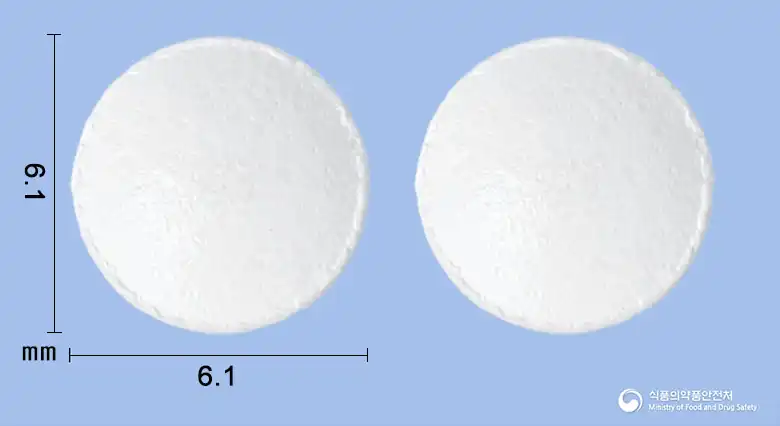 Combination
Drospirenone 3mg · Ethinyl Estradiol 0.02mg
Tablet · Prescription medication · Combination
GL Pharma Co., Ltd.
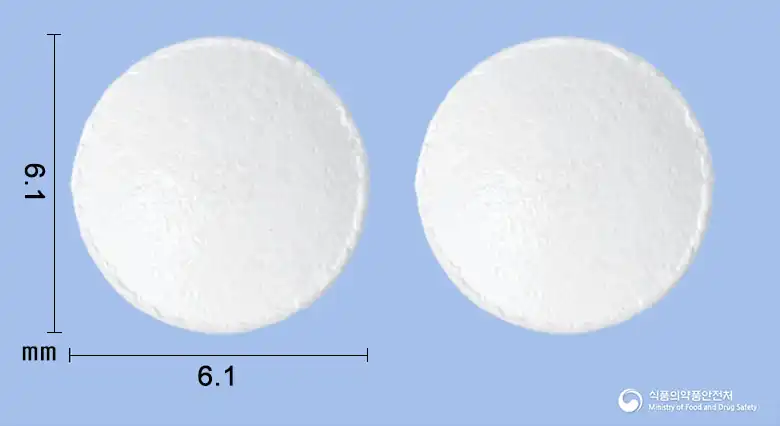 Combination
Drospirenone 3mg · Ethinyl Estradiol 0.02mg
Tablet · Prescription medication · Combination
Alvogen Korea Co., Ltd.
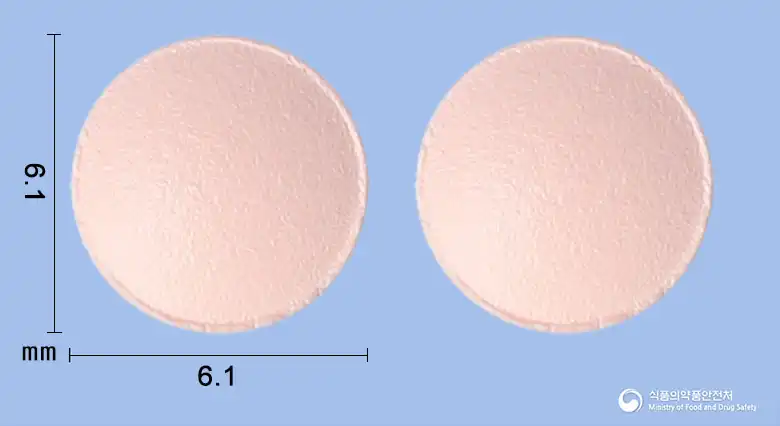 Combination
Drospirenone 3mg · Ethinyl Estradiol 0.02mg
Tablet · Prescription medication · Combination
The U Pharmaceutical Co., Ltd.
 Combination
Drospirenone 3mg · Ethinyl Estradiol 0.02mg
Tablet · Prescription medication · Combination
Kwangdong Pharmaceutical Co., Ltd.
Even with the same ingredient, the dose and directions can differ by strength and dosage form. Talk to a doctor or pharmacist before switching from a medication you are already taking.
No questions yet.
For anything that needs medical judgment, consult a doctor or pharmacist.
This drug information is based on data provided by the Korea Ministry of Food and Drug Safety.
Consult a doctor or pharmacist for accurate dosage, administration, and usage instructions.