
 한국어
 English
 日本語
 中文(简体)
Summary
- Main use
- Relief of symptoms of estrogen deficiency in postmenopausal women
- Who takes it
- Adults · Children
- Adult dose
- A thorough general and gynecological examination should be performed before taking this medicine. During long-term use of this medicine, follow-up examinations should be performed every 6 months. A sticky label sheet with the days of the week marked is included in the package. Peel off the sticker from the sheet and attach it to the blister containing the tablets. Attach it so that the day of the week on which you first take the medicine aligns with the section marked "Start". For example, if you first take the medicine on Wednesday, attach the sticker so that the Wednesday marking is aligned with the "Start" marking. The day of the week for each tablet is now indicated, making it easy to see at a glance whether you have taken the tablet for that day. Always start taking the tablets with the one marked "Start," and take 1 tablet daily for 28 days in the direction of the arrow. Take the white tablets for the first 16 days, followed by the pink tablets for the next 12 days. Start taking the medicine from a new package the very next day, without interruption. Take each tablet with an adequate amount of water. Women who have been postmenopausal for at least 1 year may start taking the medicine at any time immediately after receiving the prescription. This medicine may be taken at any time of day. However, once you have chosen a regular time, it is preferable to continue taking it at that time (e.g., after breakfast). If you miss your usual daily dose, take it within 12 hours. If you forget to take a dose, take it as soon as possible. If you do not take the medicine for several days, bleeding may occur. Bleeding generally occurs within a few days before the last dose or during the first week of taking the medicine from the next package. 2) Older adults There are no study results suggesting that dose adjustment is necessary in older adults. 3) Patients with hepatic impairment This medicine has not been specifically studied in patients with hepatic impairment. This medicine must not be used in women with liver tumors or a history of liver tumors, or in women with severe liver disease. (See section 2. Contraindications.) Women with hepatic impairment require close monitoring, and use of hormone replacement therapy should be discontinued if indicators of liver function worsen. (See section 5. General precautions.) 4) Patients with renal impairment This medicine has not been specifically studied in patients with renal impairment.
- Child dose
- This medicine is not used in children and adolescents.
Ingredients
- Importer
- Bayer korea
Efficacy & effects
Relief of symptoms of estrogen deficiency in postmenopausal women
- Symptoms of estrogen deficiency
View approved original textHide original text
Hormone replacement therapy (HRT) is used to relieve various symptoms that occur as estrogen secretion decreases after menopause. This treatment helps alleviate various uncomfortable symptoms related to menopause, such as hot flashes, night sweats, and vaginal dryness. It also contributes to maintaining bone health and preventing osteoporosis. HRT can be safely used when appropriately adjusted according to the individual patient's condition. For this reason, it is used as an effective treatment for relieving symptoms of estrogen deficiency after menopause.
How to take
Adult dose
A thorough general and gynecological examination should be performed before taking this medicine. During long-term use of this medicine, follow-up examinations should be performed every 6 months. A sticky label sheet with the days of the week marked is included in the package. Peel off the sticker from the sheet and attach it to the blister containing the tablets. Attach it so that the day of the week on which you first take the medicine aligns with the section marked "Start". For example, if you first take the medicine on Wednesday, attach the sticker so that the Wednesday marking is aligned with the "Start" marking. The day of the week for each tablet is now indicated, making it easy to see at a glance whether you have taken the tablet for that day. Always start taking the tablets with the one marked "Start," and take 1 tablet daily for 28 days in the direction of the arrow. Take the white tablets for the first 16 days, followed by the pink tablets for the next 12 days. Start taking the medicine from a new package the very next day, without interruption. Take each tablet with an adequate amount of water. Women who have been postmenopausal for at least 1 year may start taking the medicine at any time immediately after receiving the prescription. This medicine may be taken at any time of day. However, once you have chosen a regular time, it is preferable to continue taking it at that time (e.g., after breakfast). If you miss your usual daily dose, take it within 12 hours. If you forget to take a dose, take it as soon as possible. If you do not take the medicine for several days, bleeding may occur. Bleeding generally occurs within a few days before the last dose or during the first week of taking the medicine from the next package. 2) Older adults There are no study results suggesting that dose adjustment is necessary in older adults. 3) Patients with hepatic impairment This medicine has not been specifically studied in patients with hepatic impairment. This medicine must not be used in women with liver tumors or a history of liver tumors, or in women with severe liver disease. (See section 2. Contraindications.) Women with hepatic impairment require close monitoring, and use of hormone replacement therapy should be discontinued if indicators of liver function worsen. (See section 5. General precautions.) 4) Patients with renal impairment This medicine has not been specifically studied in patients with renal impairment.
Child dose
This medicine is not used in children and adolescents.
Precautions
This medication should be stopped immediately and a doctor should be consulted if specific health conditions or symptoms arise. For example, sudden and severe headaches or visual or auditory disturbances, early symptoms of thrombosis, chest pain, or signs of liver disease indicate that administration should be discontinued immediately. Furthermore, this medication should not be administered to certain patients under any circumstances. For example, individuals who are allergic to this medication or its components, have severe liver dysfunction, liver tumors, are pregnant or breastfeeding, or have a history of thrombosis, may face risks if this medication is used. Patients with certain diseases or a history of conditions such as uterine fibroids, hypertension, diabetes, migraine, epilepsy, or asthma should be managed more carefully. Any unusual symptoms during treatment should be reported to a doctor immediately. There can be various side effects while taking this medication. Common symptoms may include headaches, dizziness, depressed mood, weight changes, indigestion, skin rash, and breast tenderness. Rarely, serious issues such as liver function abnormalities, thrombosis, breast cancer, and endometrial cancer may occur, so regular check-ups are necessary. This medication is not a contraceptive, and individual and family medical history must be thoroughly investigated before administration, along with blood pressure, blood sugar, liver function tests, and gynecological examinations. It is also important to confirm health status through regular examinations during treatment. This medication can interact with other medications, so it is essential to inform the doctor or pharmacist if other medications are being taken. In particular, when used with medications that alter drug metabolism in the liver, efficacy may vary. Pregnant or breastfeeding women should not use this medication, and should stop taking it immediately if pregnancy is confirmed. In case of overdose, symptoms such as breast tension, abdominal bloating, anxiety, nausea, or bleeding may occur, and since there is no specific antidote, appropriate treatment should be given according to symptoms. Finally, this medication should be kept out of reach of children and stored in its original container to prevent quality degradation or misuse.
Side effects
Hypersensitivity, weight gain or weight loss, depressed mood, anxiety, decreased or increased libido, headache, dizziness, migraine, visual disturbances, intolerance to contact lenses, palpitations, abdominal pain, nausea, dyspepsia, abdominal bloating, vomiting, rash, itching, erythema nodosum, urticaria, hirsutism, acne, muscle cramps, spotting bleeding including uterine/vaginal bleeding, breast pain, breast tenderness, dysmenorrhea, vaginal discharge, premenstrual syndrome, breast size increase, edema, fatigue, agitation, persistent fever, gastrointestinal disturbances, abdominal cramps, changes in liver function, cholestatic jaundice, liver adenoma, non-jaundiced hepatitis, breast tension, benign breast disease, galactorrhea, absence of menstruation during prolonged drug withdrawal, uterine tumors, persistent vaginal dryness, menstrual irregularities, cardiovascular disease, thromboembolism, liver spots, acanthosis nigricans, eye inflammation due to contact lenses, hearing impairment, exacerbation of epilepsy, sodium and fluid retention, hypertension, pain, purpura, discomfort in the breast, intermenstrual bleeding, fluid retention, dysfunction syndrome
Not everyone experiences these, and they can vary from person to person.
Storage
This medication should be stored in a cool place below 25 degrees Celsius and kept in a tightly sealed container to prevent air from entering. This way, the effectiveness of the medication can be maintained for a longer time.
Appearance and packaging
Appearance
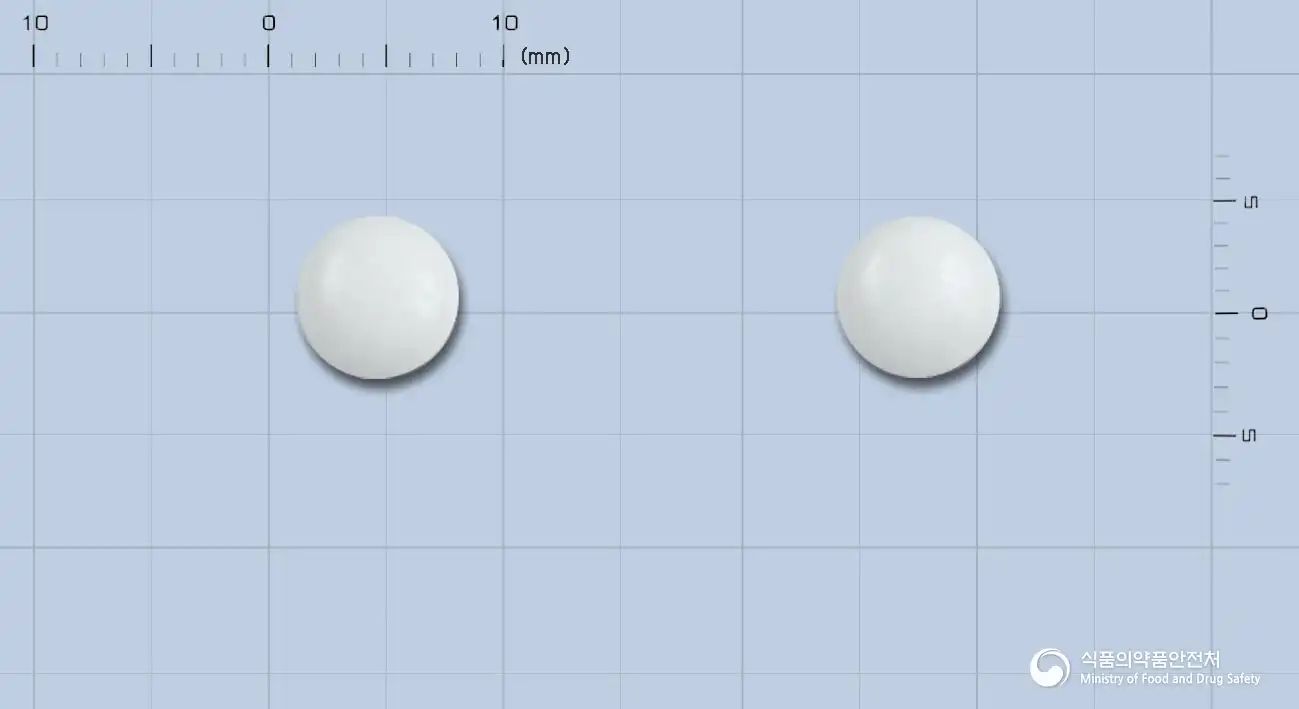
White round coated tablet and pink round coated tablet
Package unit
28 Tablets/PTP
Questions about this medicine
No questions yet.
For anything that needs medical judgment, consult a doctor or pharmacist.