
 한국어
 English
 日本語
 中文(简体)
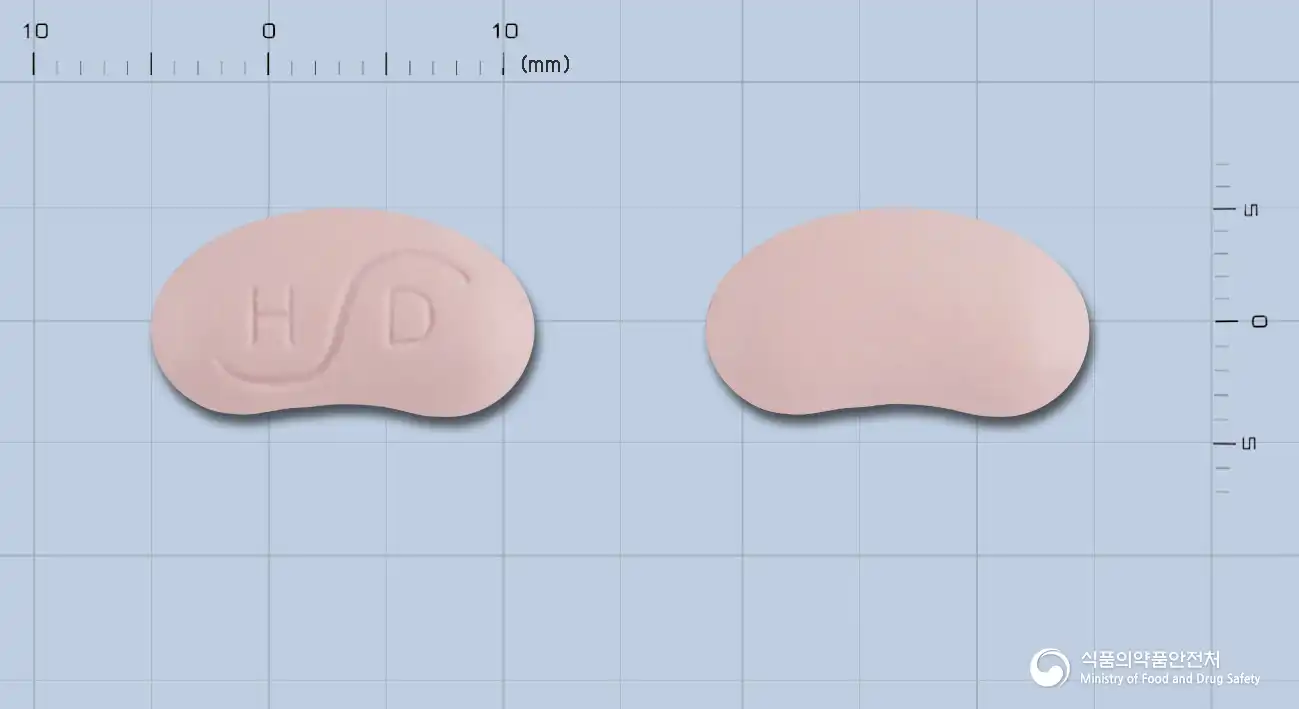 Viewing nowCombination
Amaryl M Tablets 1/500 mg
Metformin Hydrochloride 500mg · Glimepiride 1mg
Tablet · Prescription medication · Combination
Hanmi Pharmaceutical Co., Ltd.
MFDS item code 200713518 · Approved 2007.12.18 · Insurance code 652103560
Improvement of blood glucose control in type 2 diabetes mellitus
This drug is used to assist meal therapy and exercise therapy in patients with type 2 diabetes, and improve blood sugar control with the combination of glimepiride and metformin.
Administer this medicine 1~2 times daily immediately before or with meals. The dose may be adjusted based on each patient’s current treatment regimen, efficacy, and tolerability; appropriate blood glucose monitoring should be performed for this purpose. Treatment is generally initiated at a low dose, and the dose may be adjusted based on the patient’s current medications and blood glucose levels. In clinical trials, the initial daily dose was glimepiride/metformin hydrochloride 2mg/500mg, and doses were gradually increased according to blood glucose monitoring results up to glimepiride/metformin hydrochloride 8mg/2000mg. With glimepiride as a single agent, there is generally little additional benefit at doses above 4mg per day, although some patients showed better metabolic control when the dose was increased to 6mg (or 8mg). When used as a replacement for combination therapy, administer based on the dosage and administration of glimepiride and metformin hydrochloride currently being taken in combination. Even if a previous dose is missed, do not take more than one dose at the next scheduled administration.
This medication carries the risk of severe lactic acidosis or hypoglycemia; therefore, treatment should be discontinued, and consultation with a doctor is necessary if there is a significant decline in kidney function or dehydration. This medication should not be used in patients with poor kidney function, liver dysfunction, severe infections, or those undergoing surgery. Elderly patients, those with poor nutritional status, or patients with erratic eating habits are at higher risk of hypoglycemia and should be more cautious. While taking this medication, gastrointestinal symptoms (diarrhea, nausea, vomiting, etc.) may occur, but they are usually temporary and can be alleviated by taking the medication with food. Symptoms of hypoglycemia include headaches, severe hunger, fatigue, and dizziness; if these symptoms appear, sugar should be taken immediately, and consultation with healthcare providers is necessary. The risk of lactic acidosis increases when this medication is taken with alcohol, so excessive drinking should be avoided. Regular checks on blood sugar, kidney function, liver function, and vitamin B12 levels are important to ensure there are no abnormalities. This medication may interact with other drugs; therefore, patients should inform their healthcare providers about any other medications being taken and be closely monitored. It is safer for pregnant or breastfeeding women not to use this medication, and switching to insulin therapy is recommended if necessary. In cases of overdose, hypoglycemia or lactic acidosis may occur, so immediate medical attention is required for proper treatment. Caution is needed when driving or operating machinery, as hypoglycemia or impaired agility can occur.
Not everyone experiences these, and they can vary from person to person.
This medication should be stored in a tightly sealed container to prevent air entry, and it is best kept at room temperature between 1°C and 30°C. Storing it this way can preserve the effectiveness and safety of the medication for a longer period.
Light pink, kidney-shaped, convex film-coated tablet (for oral use)
100 tablets/bottle, 30 tablets (10 tablets/PTP x 3)
Even with the same ingredient, strength, dosage form and how it is taken can differ.
Viewing nowCombinationMetformin Hydrochloride 500mg · Glimepiride 1mg
Tablet · Prescription medication · Combination
Hanmi Pharmaceutical Co., Ltd.
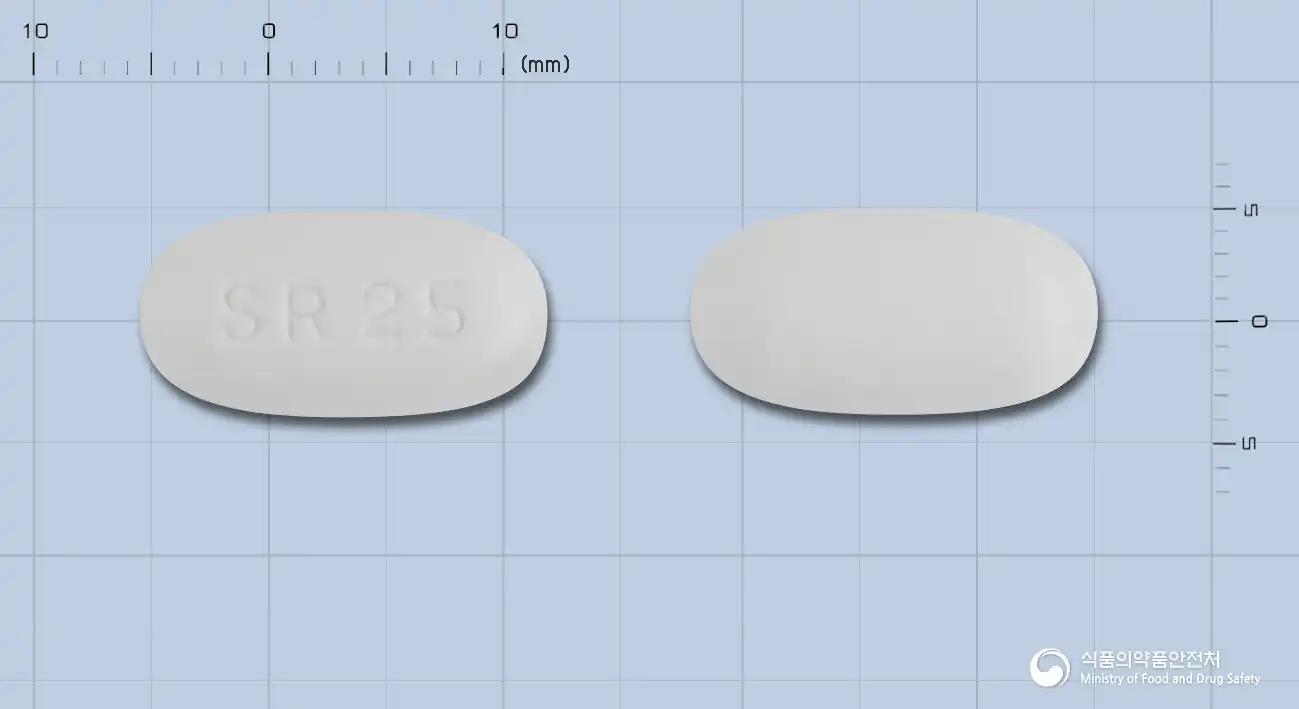 Combination
Metformin Hydrochloride 500mg · Glimepiride 2mg
Tablet · Prescription medication · Combination
Handok Co., Ltd.
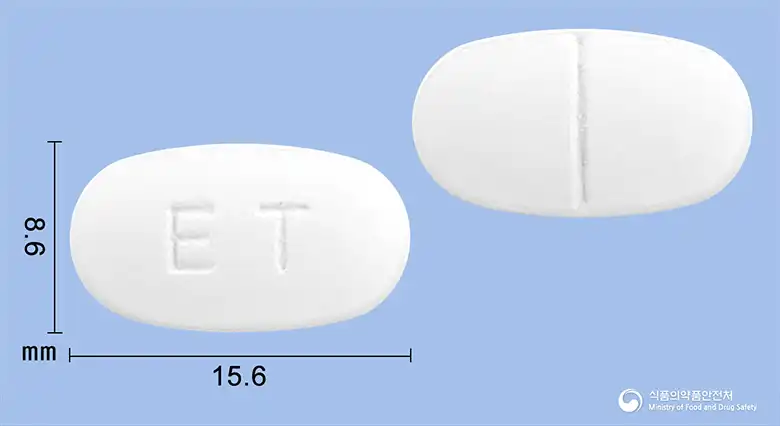 Combination
Metformin Hydrochloride 500mg · Glimepiride 2mg
Tablet · Prescription medication · Combination
Teragen Etex Co., Ltd.
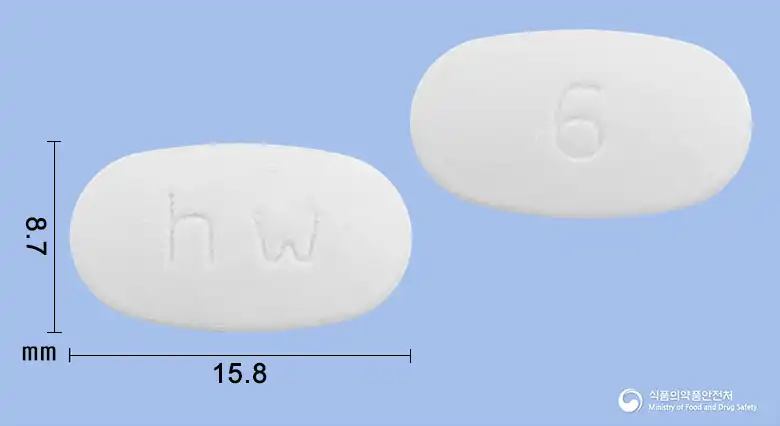 Combination
Glimepiride 2mg · Metformin Hydrochloride 500mg
Tablet · Prescription medication · Combination
Hawon Pharmaceutical Co., Ltd.
Metformin Hydrochloride 500mg · Glimepiride 2mg
Tablet · Prescription medication · Combination
TDS Pharm Co., Ltd.
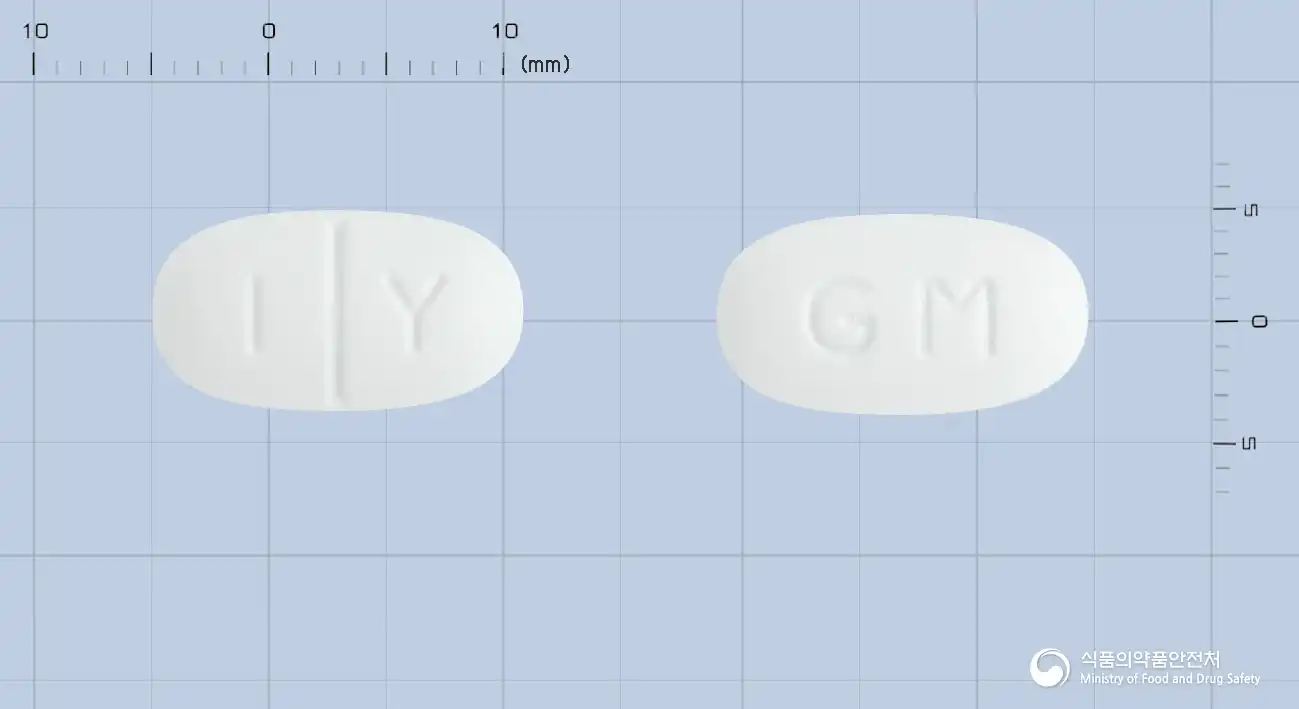 Combination
Glimepiride 2mg · Metformin Hydrochloride 500mg
Tablet · Prescription medication · Combination
Il Yang Pharmaceutical Co., Ltd.
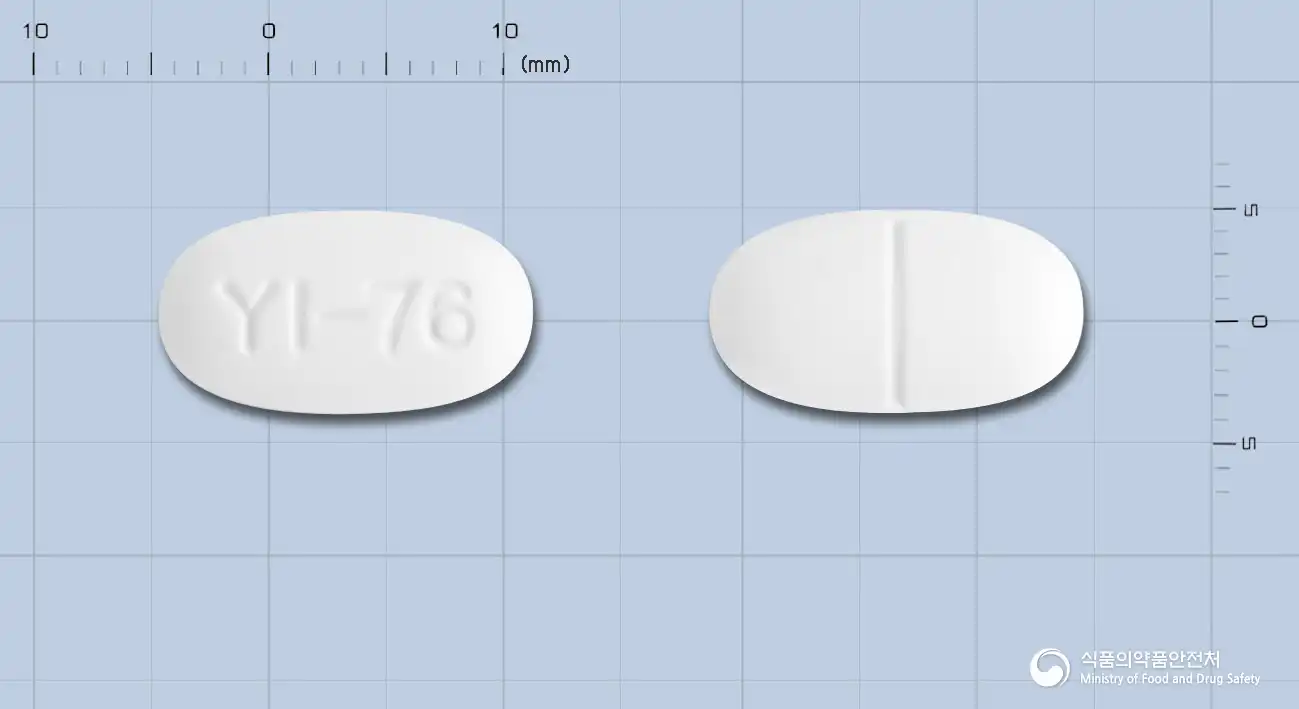 Combination
Glimepiride 2mg · Metformin Hydrochloride 500mg
Tablet · Prescription medication · Combination
Youngil Pharmaceutical Co., Ltd.
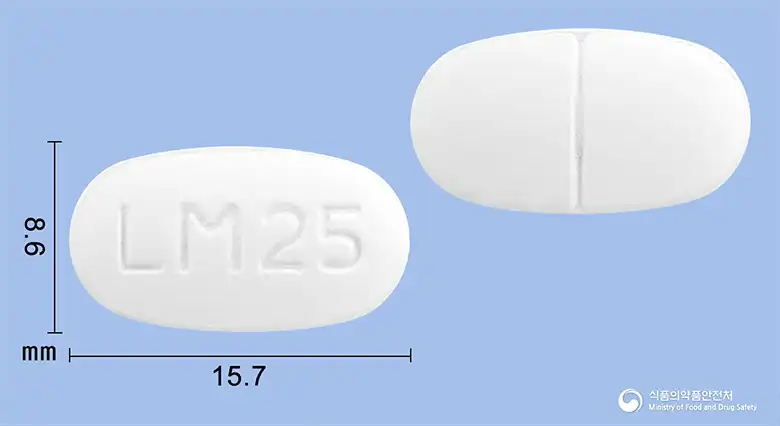 Combination
Glimepiride 2mg · Metformin Hydrochloride 500mg
Tablet · Prescription medication · Combination
Albozen Korea Co., Ltd.
Even with the same ingredient, the dose and directions can differ by strength and dosage form. Talk to a doctor or pharmacist before switching from a medication you are already taking.
No questions yet.
For anything that needs medical judgment, consult a doctor or pharmacist.
This drug information is based on data provided by the Korea Ministry of Food and Drug Safety.
Consult a doctor or pharmacist for accurate dosage, administration, and usage instructions.