
 한국어
 English
 日本語
 中文(简体)
 Viewing nowCombination
Amoxicillin 500 mg (Amoxicillin and Potassium Clavulanate) (7:1)
Amoxicillin Hydrate 437.5mg · Dilute Potassium Clavulanate 107.76mg
Tablet · Prescription medication · Combination
Youngil Pharmaceutical Co., Ltd.
MFDS item code 200706473 · Notified 2007.06.05 · Insurance code 649401340
Treatment of respiratory and otorhinolaryngologic infections, genitourinary infections, and skin, bone, and dental infections
This medication is effective for treating various bacterial infections. It is used for respiratory infections starting from acute and chronic bronchitis, lobar and bronchopneumonia, empyema, lung abscess, to tonsillitis, sinusitis, and otitis media. It is also suitable for treating urinary infections such as cystitis, urethritis, and pyelonephritis, as well as sexually transmitted infections like pelvic infections and gonorrhea. It is effective for skin and soft tissue infections like furuncles, abscesses, and wound infections, and can be safely used for bone infections such as osteomyelitis and dental infections. Due to its broad range of treatment, it is a very useful medication for improving various types of infections.
For severe infections and respiratory infections in adults, administer 2 tablets orally per dose twice daily, 12 hours apart. The dose may be reduced in patients with renal impairment according to the degree of renal function. However, this medicine must not be administered to patients with severe renal impairment (glomerular filtration rate of 30 mL/min or less).
This drug should not be administered to patients who have had hypersensitivity reactions to penicillin and cephalosporin medications, as it is a beta-lactam antibiotic. Particular caution is necessary for patients with infectious mononucleosis or lymphocytic leukemia as there is an increased risk of rash. Patients with a history of liver dysfunction or jaundice should avoid using this medication, as symptoms may recur. Patients with liver dysfunction or moderate to severe renal impairment may experience increased drug concentrations, necessitating dosage adjustments or careful use. Caution is also advised for individuals with allergy backgrounds or those who previously experienced symptoms such as bronchial asthma, rashes, or hives. Patients with gastrointestinal diseases that cause vomiting or diarrhea should use this medication carefully as absorption may be inadequate. Usage of this drug may lead to gastrointestinal adverse reactions such as diarrhea, vomiting, or abdominal pain, and in severe cases may lead to serious conditions like pseudomembranous colitis. Symptoms of liver dysfunction may also occur, making it important, particularly for the elderly or those on long-term treatment, to undergo liver function tests. Rarely, skin rashes, itching, and severe skin reactions may occur, and if these symptoms arise, the use of the medication should be discontinued immediately, and medical attention should be sought. Abnormalities in blood tests such as leukopenia and thrombocytopenia have also been reported; therefore, consultations with medical providers are necessary if abnormal symptoms are present. CNS adverse symptoms such as dizziness, headache, and seizures may occur rarely, with a higher risk of seizures in patients with poor renal function. Women who are pregnant or breastfeeding should only use this medication cautiously since safety has not been fully established and may result in diarrhea or skin adverse reactions in infants during breastfeeding. Children, especially those under 12 years old or weighing less than 40 kg, have limited use experience and are not recommended for use. Elderly patients may experience adverse reactions more easily due to decreased physiological function, and there may be a tendency for bleeding, warranting caution. This medication may interact with other drugs, particularly anticoagulants, gout medications, and antibiotics, so it is important to inform healthcare providers when taking them together. In case of overdose, symptoms such as vomiting, diarrhea, rash, and seizures may manifest, and immediate medical attention should be sought. This drug should be stored in a tightly closed container in a dry place, and to prevent the occurrence of resistant bacteria during long-term administration, it is important to use it only for the necessary duration.
Not everyone experiences these, and they can vary from person to person.
This medication is sensitive to air and moisture, so it should be stored in a tightly closed container. Additionally, keeping it in a cool, dry place below 25 degrees Celsius will help maintain its effectiveness for a longer time.
White or almost white oblong film-coated tablet
100 tablets (10 tablets/ PTP packaging x 10)
Even with the same ingredient, strength, dosage form and how it is taken can differ.
Viewing nowCombinationAmoxicillin Hydrate 437.5mg · Dilute Potassium Clavulanate 107.76mg
Tablet · Prescription medication · Combination
Youngil Pharmaceutical Co., Ltd.
 Combination
Amoxicillin Hydrate 500mg · Dilute Potassium Clavulanate 215.52mg
Tablet · Prescription medication · Combination
Geonil Pharmaceutical Co., Ltd.
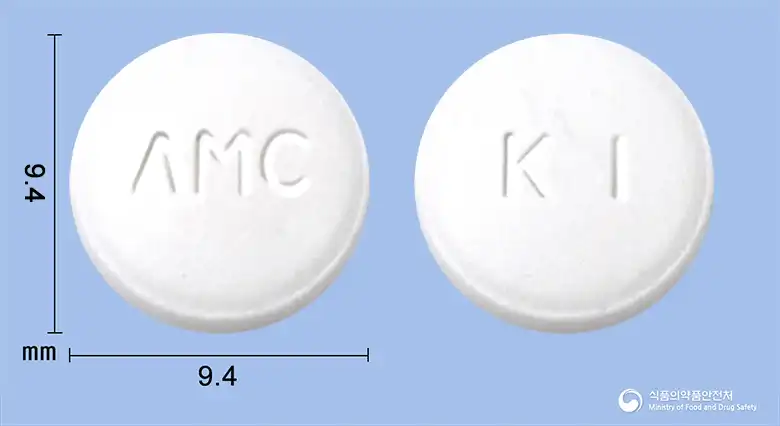 Combination
Amoxicillin Hydrate 125mg · Dilute Potassium Clavulanate 107.76mg
Tablet · Prescription medication · Combination
Geonil Pharmaceutical Co., Ltd.
 Combination
Amoxicillin Hydrate 250mg · Dilute Potassium Clavulanate 212.73mg
Tablet · Prescription medication · Combination
International Pharmaceutical Co., Ltd.
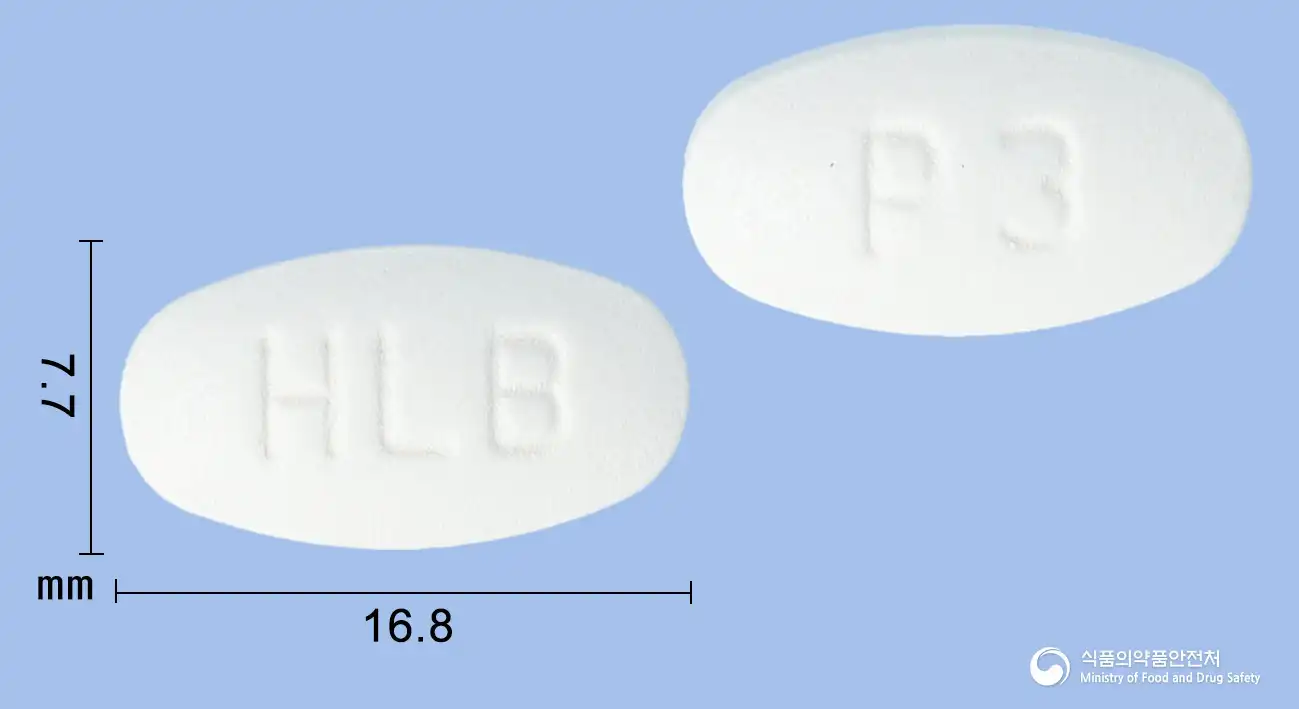 Combination
Amoxicillin Hydrate 250mg · Dilute Potassium Clavulanate 215.52mg
Tablet · Prescription medication · Combination
HLB Pharmaceutical Co., Ltd.
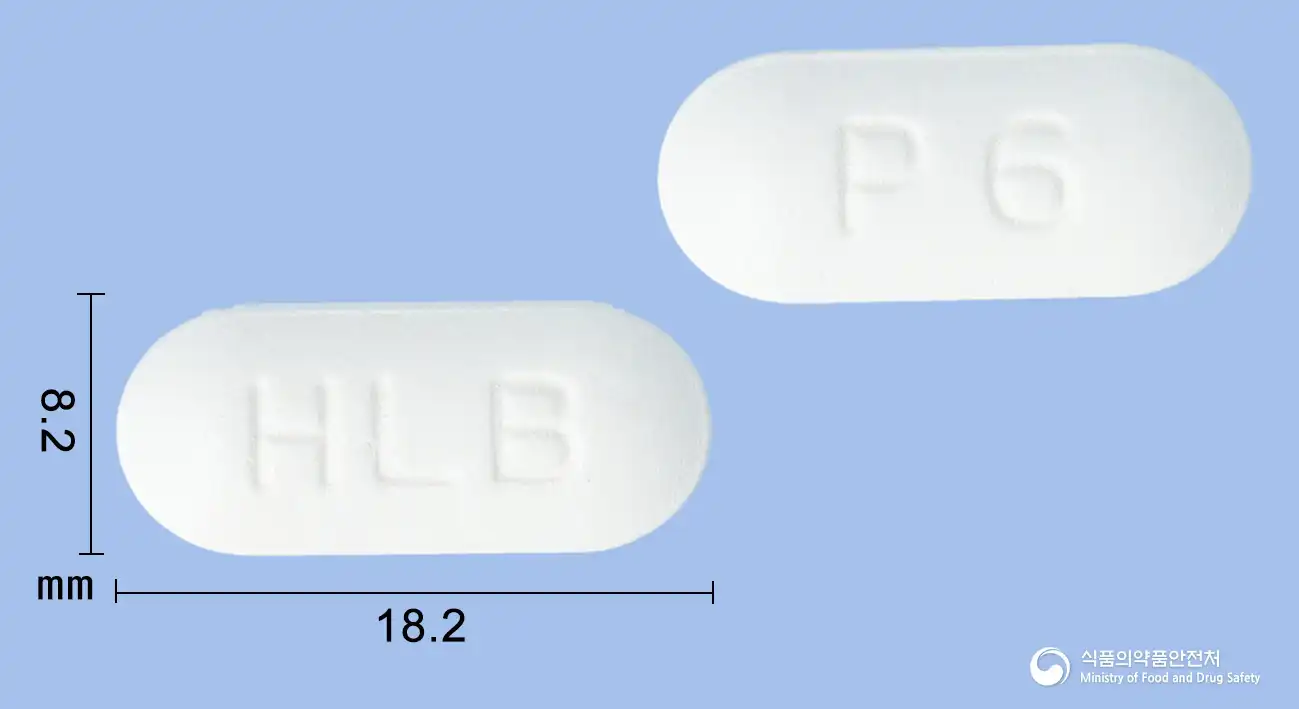 Combination
Amoxicillin Hydrate 500mg · Dilute Potassium Clavulanate 215.52mg
Tablet · Prescription medication · Combination
HLB Pharmaceuticals Co., Ltd.
 Combination
Amoxicillin Hydrate 250mg · Dilute Potassium Clavulanate 215.52mg
Tablet · Prescription medication · Combination
Dong Sung Pharmaceutical Co., Ltd.
 Combination
Amoxicillin Hydrate 250mg · Dilute Potassium Clavulanate 212.73mg
Tablet · Prescription medication · Combination
Youngjin Pharmaceutical Co., Ltd.
Even with the same ingredient, the dose and directions can differ by strength and dosage form. Talk to a doctor or pharmacist before switching from a medication you are already taking.
No questions yet.
For anything that needs medical judgment, consult a doctor or pharmacist.
This drug information is based on data provided by the Korea Ministry of Food and Drug Safety.
Consult a doctor or pharmacist for accurate dosage, administration, and usage instructions.