
 한국어
 English
 日本語
 中文(简体)
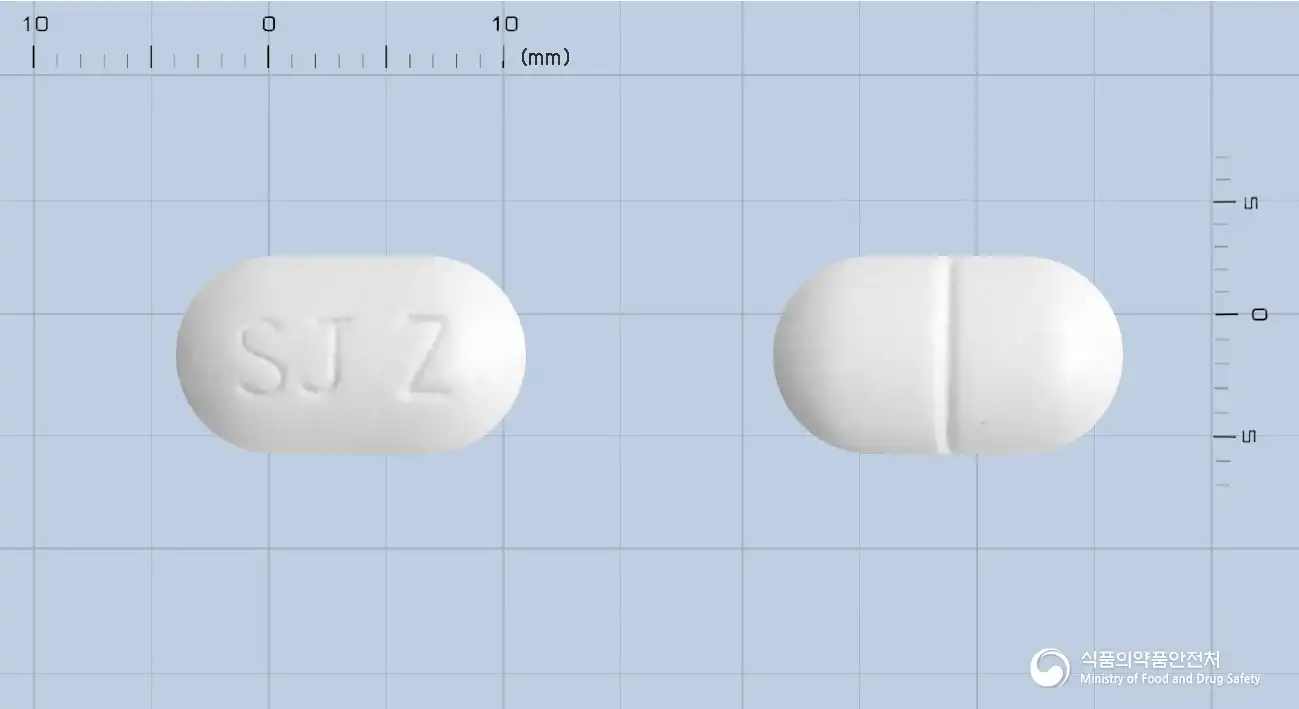
Dosage form image
Viewing nowCombinationCophend Tablets
Acetaminophen 500mg · Pseudoephedrine Hydrochloride 30mg +1 more
Tablet · OTC medication · Combination
Il-Yang Biopharm Co., Ltd.
MFDS item code 200604411 · Notified 2006.04.20
This product's status changed to Expired on 2024.01.01. It may no longer be sold, so consult a doctor or pharmacist before taking it.
Relief of cold symptoms (runny nose, nasal congestion, fever, etc.)
This medication helps relieve various symptoms caused by the common cold. It reduces runny nose and nasal congestion to ease breathing, alleviates sneezing and sore throat to lessen throat discomfort, and also regulates chills and fever while reducing uncomfortable pain such as headache, joint pain, and muscle pain. Overall, it is effective for relieving a variety of symptoms associated with the common cold.
Adults: Take 1 ∼ 2 tablets per dose every 4 ∼ 6 hours. Do not take more than 8 tablets in 1 day.
This medication should be consulted with a physician or pharmacist if the patient regularly consumes more than three alcoholic drinks per day to prevent liver damage. This medication contains pseudoephedrine, which may rarely cause serious skin reactions; if you experience fever, rash, or small blisters, discontinue use immediately and consult a professional. People who have had an allergic reaction to this medication or its components should avoid taking it, and those who have experienced asthma attacks or are taking certain antidepressant medications should also refrain from use. Patients with severely impaired liver, kidney, or heart function, or patients with peptic ulcers should also avoid using this medication. While taking this medication, it is important not to take other products containing acetaminophen, and caution should be exercised for concurrent use with alcohol, sedatives, or sleeping pills, as this may exacerbate drowsiness or other side effects. Drowsiness may occur while taking this medication, so it is advisable to avoid driving or operating machinery. Individuals with certain medical conditions, physical constitutions, elderly individuals, pregnant women, and lactating mothers should consult a professional before use, and if symptoms do not improve or if unusual symptoms such as rash, vomiting, dizziness, or respiratory difficulty occur, usage should be discontinued and a consultation should be sought. Regular blood tests and liver function tests are recommended during prolonged use, and if abnormalities are found, the dosage should be adjusted or discontinued. This medication should be avoided in children, especially infants under 3 months of age, and should only be used in children under 1 year of age when absolutely necessary.
Not everyone experiences these, and they can vary from person to person.
This medication may be sensitive to air and moisture, so it should be stored in a tightly sealed container. Additionally, it is best to store the medication at room temperature between 1°C and 30°C, avoiding excessively hot or cold locations.
White oval film-coated tablets
10 tablets/PTP
Even with the same ingredient, strength, dosage form and how it is taken can differ.
Acetaminophen 500mg · Pseudoephedrine Hydrochloride 30mg +1 more
Tablet · OTC medication · Combination
Il-Yang Biopharm Co., Ltd.
 Combination
Acetaminophen 500mg · Pseudoephedrine Hydrochloride 30mg +1 more
Tablet · OTC medication · Combination
Samjin Pharmaceutical Co., Ltd.
Acetaminophen 500mg · Pseudoephedrine Hydrochloride 30mg +1 more
Tablet · OTC medication · Combination
Korea Pavis Pharmaceutical Co., Ltd.
Acetaminophen 500mg · Pseudoephedrine Hydrochloride 30mg +1 more
Tablet · OTC medication · Combination
Austin Pharmaceutical Co., Ltd.
Acetaminophen 500mg · Pseudoephedrine Hydrochloride 30mg +1 more
Tablet · OTC medication · Combination
Highple Life Sciences Co., Ltd.
Acetaminophen 500mg · Pseudoephedrine Hydrochloride 30mg +1 more
Tablet · OTC medication · Combination
Huons Life Science Co., Ltd.
Acetaminophen 500mg · Pseudoephedrine Hydrochloride 30mg +1 more
Tablet · OTC medication · Combination
JW Pharmaceutical Co., Ltd.
Acetaminophen 500mg · Pseudoephedrine Hydrochloride 30mg +1 more
Tablet · OTC medication · Combination
Samik Pharmaceutical Co., Ltd.
Even with the same ingredient, the dose and directions can differ by strength and dosage form. Talk to a doctor or pharmacist before switching from a medication you are already taking.
No questions yet.
For anything that needs medical judgment, consult a doctor or pharmacist.
This drug information is based on data provided by the Korea Ministry of Food and Drug Safety.
Consult a doctor or pharmacist for accurate dosage, administration, and usage instructions.