
 한국어
 English
 日本語
 中文(简体)
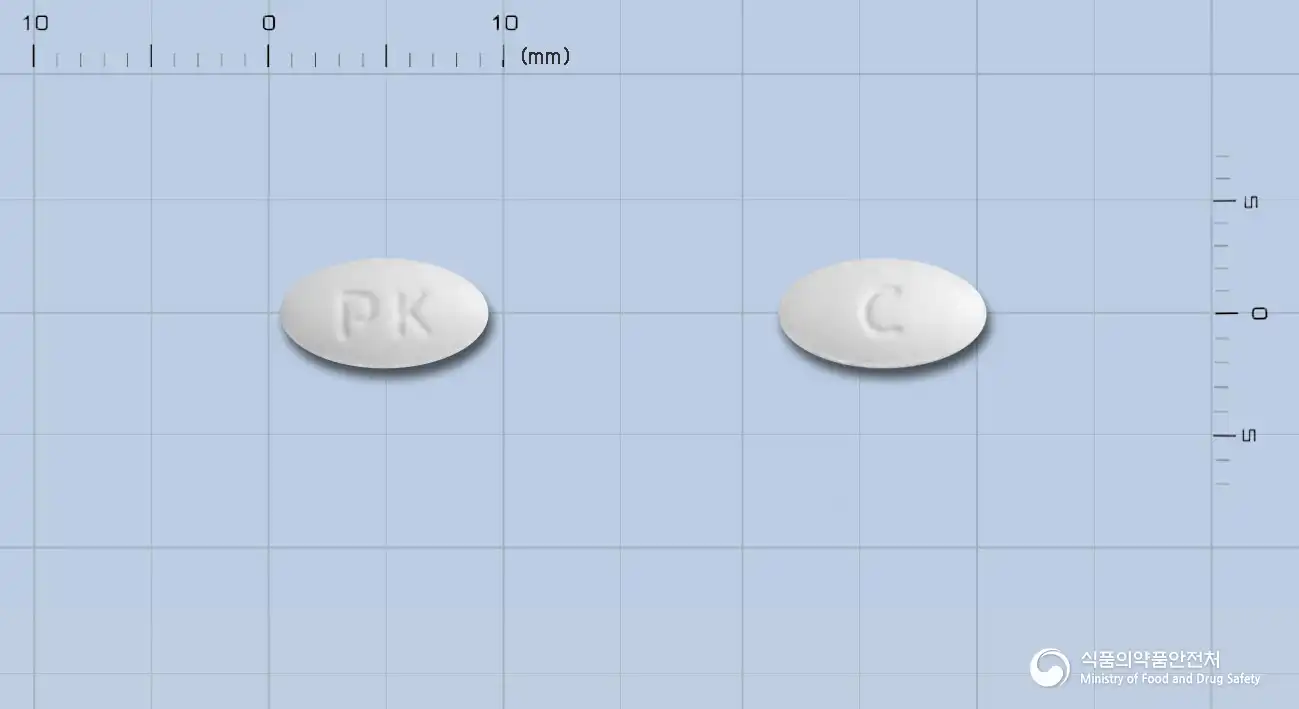 Viewing now
Lozapa Tablets (Losartan Potassium)
Losartan Potassium 50mg
Tablet · Prescription medication
Korea Pavis Pharmaceutical Co., Ltd.
MFDS item code 200600489 · Notified 2006.02.10 · Insurance code 621802070
Hypertension; treatment of nephropathy in patients with type 2 diabetes mellitus and hypertension
Hypertension is a critical condition that plays an important role in controlling blood pressure within normal ranges to reduce the burden on the heart and blood vessels. Treating hypertension not only prevents cardiovascular diseases but also has significant effects in protecting kidney function in patients with type 2 diabetes. This medication helps control blood pressure in hypertensive patients and prevent kidney complications caused by diabetes. Therefore, it is suitable for individuals with hypertension who have concerns about kidney problems due to diabetes. Overall, it aids in managing both blood pressure and kidney health, thereby improving the overall health status of patients.
This medicine may be taken with or without food, but it is recommended that it be taken at the same time each day. 1. Hypertension 1) Adults The recommended initial and maintenance dose is 50 mg of losartan potassium orally once daily. The maximum blood pressure-lowering effect is achieved 3 ∼ 6 weeks after starting treatment. If the therapeutic effect is insufficient, the same dose may be given orally in 2 divided doses daily, or the dose may be increased to 100 mg once daily if necessary. 3) If blood pressure is not controlled with this medicine alone, it may be administered concomitantly with another antihypertensive (e.g., a low-dose diuretic). An additive effect was observed when administered concomitantly with hydrochlorothiazide. 2. Nephropathy in patients with type 2 diabetes and hypertension The usual adult dose is 50 mg of this medicine once daily. The dose may be increased to 100 mg once daily according to blood pressure. However, an initial dose of 25 mg is recommended for patients at risk of excessive blood pressure reduction. This medicine may be administered concomitantly with insulin and commonly used antidiabetic agents (e.g., sulfonylureas, glitazones, glucosidase inhibitors). 3. Special patient populations 1) Elderly patients No adjustment of the initial dose is necessary in elderly patients aged 75 years or younger. For elderly patients over 75 years of age, an initial dose of 25 mg of this medicine once daily is recommended. 2) Patients with renal impairment (1) Creatinine clearance 20 ∼ 50 mL/min: No adjustment of the initial dose is necessary. (2) Creatinine clearance < 20 mL/min and patients undergoing dialysis: An initial dose of 25 mg of this medicine once daily is recommended. 3) Patients with reduced intravascular volume An initial dose of 25 mg of this medicine once daily is recommended for patients who may have reduced intravascular volume (e.g., patients being treated with diuretics) (see the Precautions for Use section). 4) Patients with hepatic impairment A lower dose should be considered in patients with a history of hepatic impairment. Do not administer to patients with severe hepatic impairment.
2) Children and adolescents aged 6 years and older (1) Patients weighing 20 kg or more and less than 50 kg who are able to swallow tablets: The recommended dose is 25 mg of this medicine once daily, which may be increased to a maximum of 50mg once daily according to the patient's blood pressure response. (2) Patients weighing 50 kg or more: The usual recommended dose is 50 mg of this medicine once daily, which may be increased to a maximum of 100 mg once daily according to the patient's blood pressure response. (3) Not recommended for pediatric patients under 6 years of age, pediatric patients with a glomerular filtration rate below 30 mL/min/1.73㎡, or pediatric patients with hepatic impairment.
This medication can cause serious harm to the fetus if taken during pregnancy, especially in the second and third trimesters; therefore, it should not be used by pregnant women or women who may become pregnant. Patients with an allergy to this medication, severely reduced liver function, certain genetic disorders, and specific heart and kidney diseases should not use this medication. Elderly patients, patients with weakened kidney function, and patients with hyperkalemia should use this medication with caution. The risk of side effects may increase when this medication is combined with other antihypertensive agents or certain medications, so careful administration is required. This medication is generally well tolerated, but side effects such as dizziness, muscle pain, cough, and dyspepsia may occur, and rarely serious side effects like angioedema, liver dysfunction, or kidney failure can occur. Careful monitoring of blood pressure and kidney function is required during treatment as blood pressure may drop too low or kidney function may deteriorate rapidly. This medication can increase potassium levels, so it should not be taken with potassium supplements or medications containing potassium; patients at risk for hyperkalemia should frequently check serum potassium levels. It is advisable to avoid grapefruit juice while taking this medication, and it is recommended to temporarily discontinue it before surgery. Women who are pregnant or breastfeeding should always consult their physician, and if pregnancy is confirmed, this medication should be stopped immediately. Children, particularly those under 6 years of age, and adolescents with severely impaired kidney function should not use this medication. In case of overdose, symptoms of hypotension and bradycardia may occur, and immediate medical attention should be sought for appropriate treatment. This medication should be kept out of reach of children, and transferring it to another container is not advisable for maintaining quality and safety.
Not everyone experiences these, and they can vary from person to person.
This medication may be sensitive to air and moisture, so it should be stored in a tightly closed container. Additionally, it is important to keep it in a dry place between 15 degrees and 30 degrees to maintain its effectiveness.
White oval film-coated tablet
30 tablets/bottle, 300 tablets/bottle
Even with the same ingredient, strength, dosage form and how it is taken can differ.
Viewing nowLosartan Potassium 50mg
Tablet · Prescription medication
Korea Pavis Pharmaceutical Co., Ltd.
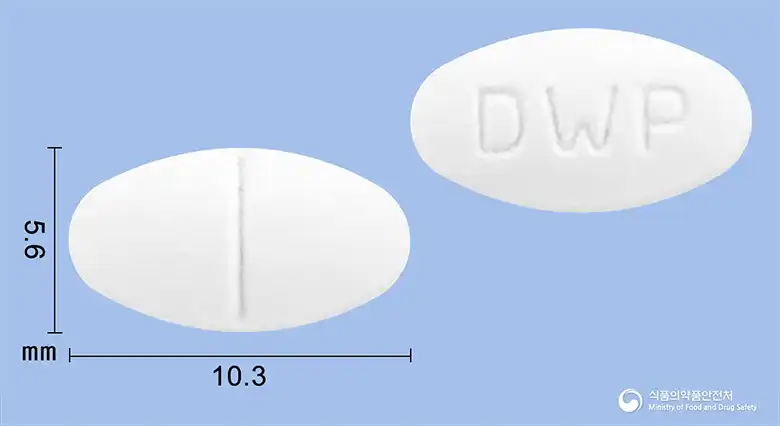
Losartan Potassium 50mg
Tablet · Prescription medication
DaeWon Pharmaceutical Co., Ltd.
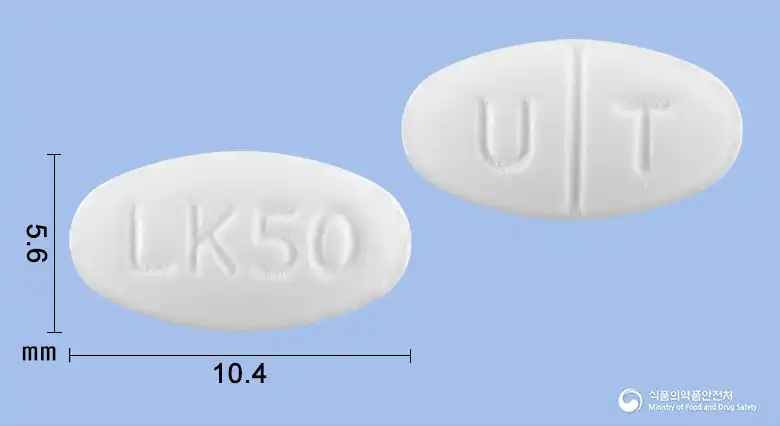
Losartan Potassium 50mg
Tablet · Prescription medication
Korea United Pharm, Co., Ltd.
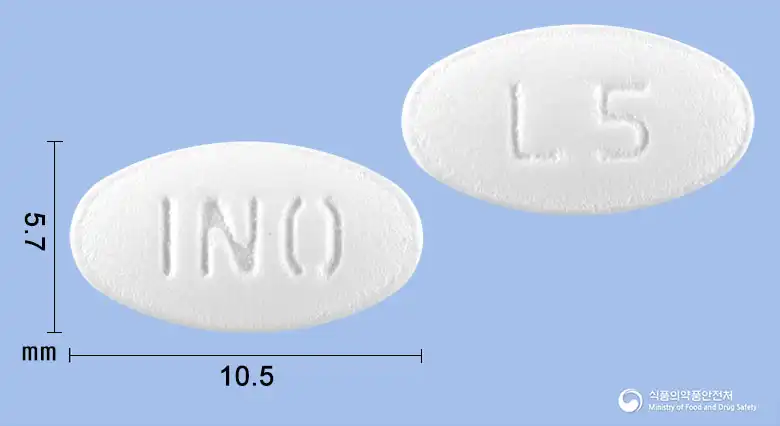
Losartan Potassium 50mg
Tablet · Prescription medication
HK Inno.N Co., Ltd.
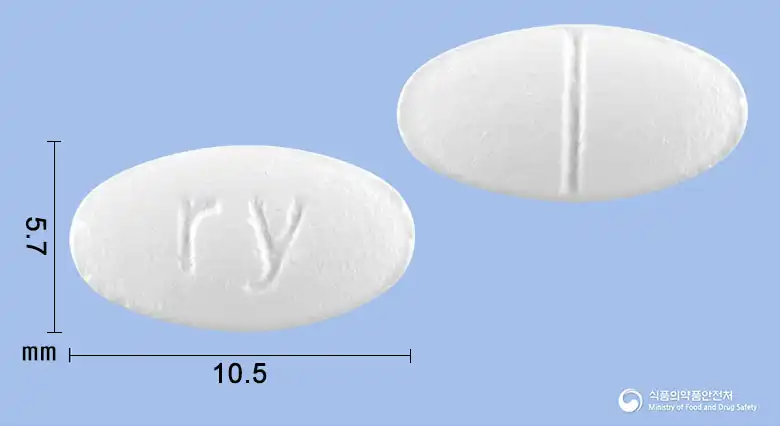
Losartan Potassium 50mg
Tablet · Prescription medication
IYON Pharmaceuticals Co., Ltd.
Losartan Potassium
Prescription medication
JW ShinYak Co., Ltd.
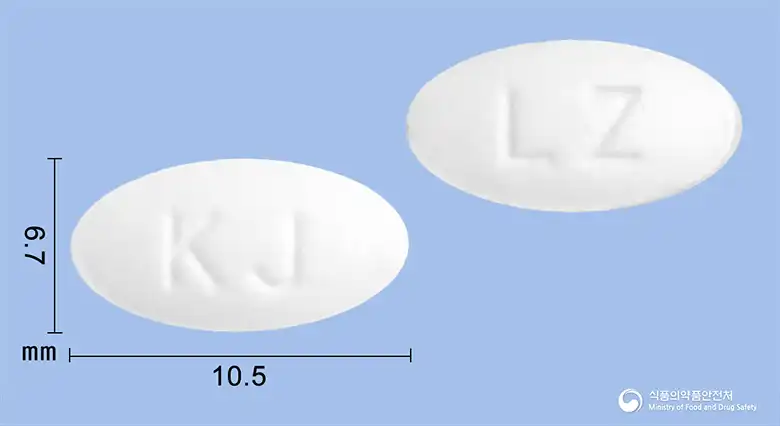
Losartan Potassium 50mg
Tablet · Prescription medication
Kukje Pharmaceutical Co., Ltd.
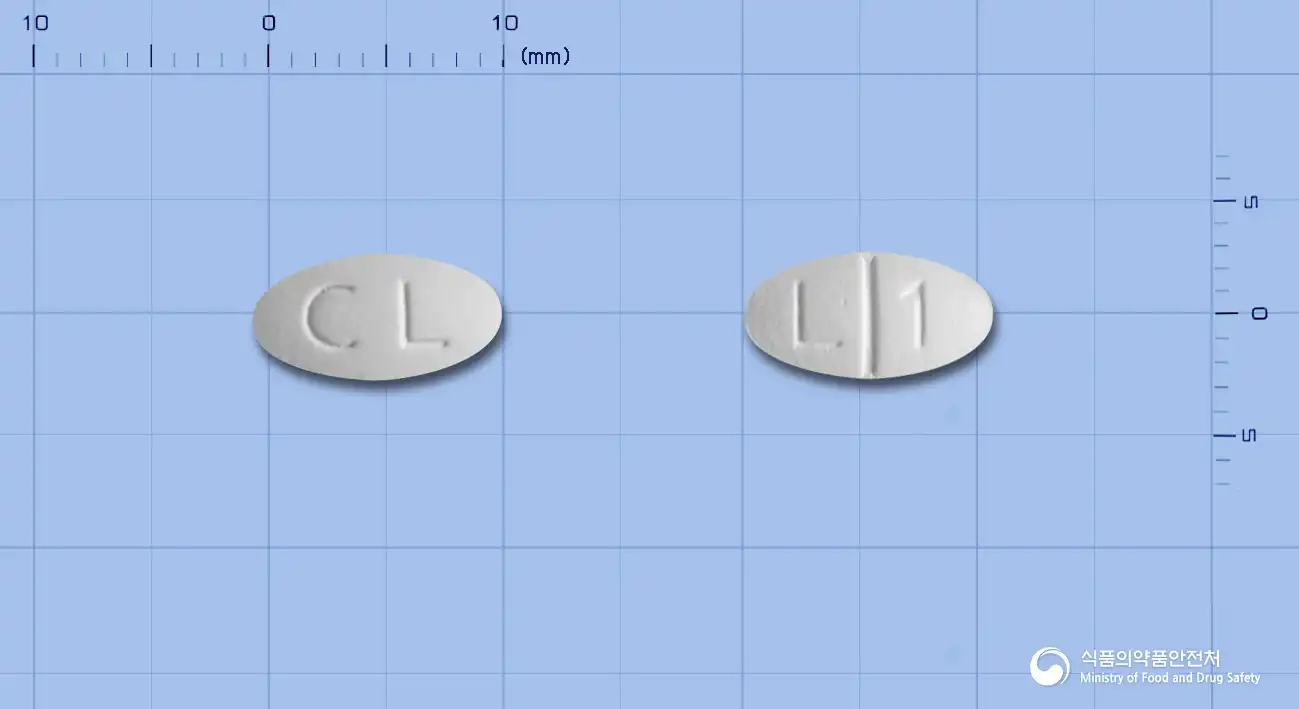
Losartan Potassium 50mg
Tablet · Prescription medication
Celltrion Pharmaceutical Co., Ltd.
Even with the same ingredient, the dose and directions can differ by strength and dosage form. Talk to a doctor or pharmacist before switching from a medication you are already taking.
No questions yet.
For anything that needs medical judgment, consult a doctor or pharmacist.
This drug information is based on data provided by the Korea Ministry of Food and Drug Safety.
Consult a doctor or pharmacist for accurate dosage, administration, and usage instructions.