
 한국어
한국어 English
 日本語
日本語 中文(简体)
 Viewing now
Terbiclean Tablets (Terbinafine Hydrochloride)
Terbinafine Hydrochloride 140.625mg
Tablet · Prescription medication
Daewoong Bio Co., Ltd.
MFDS item code 200500538 · Approved 2005.04.28 · Insurance code 694000580
Treatment of skin fungal infections (tinea pedis, tinea corporis, etc.) and onychomycosis
This medication is used to treat tinea pedis, tinea corporis, tinea cruris, and onychomycosis in adults due to skin fungal infections. It is effective for treating tinea capitis in children. It aids in the treatment of various skin fungal infections.
As terbinafine, 125 mg once, twice a day or 250 mg once a day. The administration duration varies according to the disease as follows: 1) Dermatophytosis Tinea pedis (interdigital type, plantar type/moccasin type): 2 to 6 weeks Tinea corporis: 2 to 4 weeks Tinea cruris: 2 to 4 weeks 2) Onychomycosis Typically administered for 6 weeks to 3 months. In cases of infection on fingernails or relatively small toes, or in younger patients, the treatment period may be less than 3 months. The treatment period for toenail infections is typically sufficient at 3 months, but in some patients, it may take 6 months or longer. In patients with slow nail growth, the treatment period may be extended.
Administered to children over 2 years of age. Tinea capitis: 4 weeks 1) For children weighing less than 20 kg (under 5 years): 62.5 mg once a day. Due to a lack of administration experience, the benefits and risks of treatment should be considered.
This medication is not recommended for patients with chronic or active liver disease with poor liver function. Before administration, it is essential to check for a history of liver disease and liver function tests, and regular liver function tests should be performed during treatment. If symptoms of liver dysfunction appear, such as nausea, loss of appetite, fatigue, vomiting, pain in the upper right abdomen, jaundice, dark urine, or diarrhea, the physician must be informed immediately. If liver damage is suspected during the use of this medication, it should be discontinued immediately, and medical attention must be sought. This medication should not be administered to patients with blood disorders, severe renal failure, nursing mothers, infants under 2 years of age, and those with lactose intolerance. Particularly, patients with low white blood cell or platelet counts require caution. It should be used with caution in patients with impaired kidney function, the elderly, and children weighing less than 20 kg, and the treatment should be stopped if skin rashes or serious skin reactions occur. Patients with psoriasis or systemic lupus erythematosus need to be cautious when using this medication. This medication can cause various side effects in the liver, blood, skin, muscles, gastrointestinal tract, and nervous system; therefore, if any abnormal symptoms appear, they should be reported to medical personnel immediately. Caution is advised when driving or operating machinery as side effects such as dizziness may occur. This medication may interact with other drugs, so if any other medications are being taken, healthcare providers should be informed, especially if combined with drugs that affect liver metabolism, as dose adjustments may be necessary. Women who are pregnant or may become pregnant should carefully consider the risks and benefits of using this medication, and nursing mothers should discontinue breastfeeding while taking it. Children and the elderly may metabolize and excrete the drug differently, so extra caution is required when using this medication. Overdose may result in symptoms such as headache, nausea, abdominal pain, dizziness, and appropriate medical treatment should be sought immediately.
Hives, severe swelling (edema), chest tightness, difficulty breathing, cold sweat, paleness, severe rash with high fever, blisters, peeling skin, pain in oral/ocular mucosa, shortness of breath or difficulty breathing, asthma attack, respiratory distress accompanied by cough + fever, yellowing of skin or eyes (jaundice), extreme lethargy, sudden and severe headache, lightning headache, seizures, confusion in consciousness, visual disturbances, paralysis, urination
Not everyone experiences these, and they can vary from person to person.
This medication must be stored in a tightly sealed container to prevent exposure to air or moisture. It is important to maintain the storage temperature between 1 degree and 30 degrees Celsius.
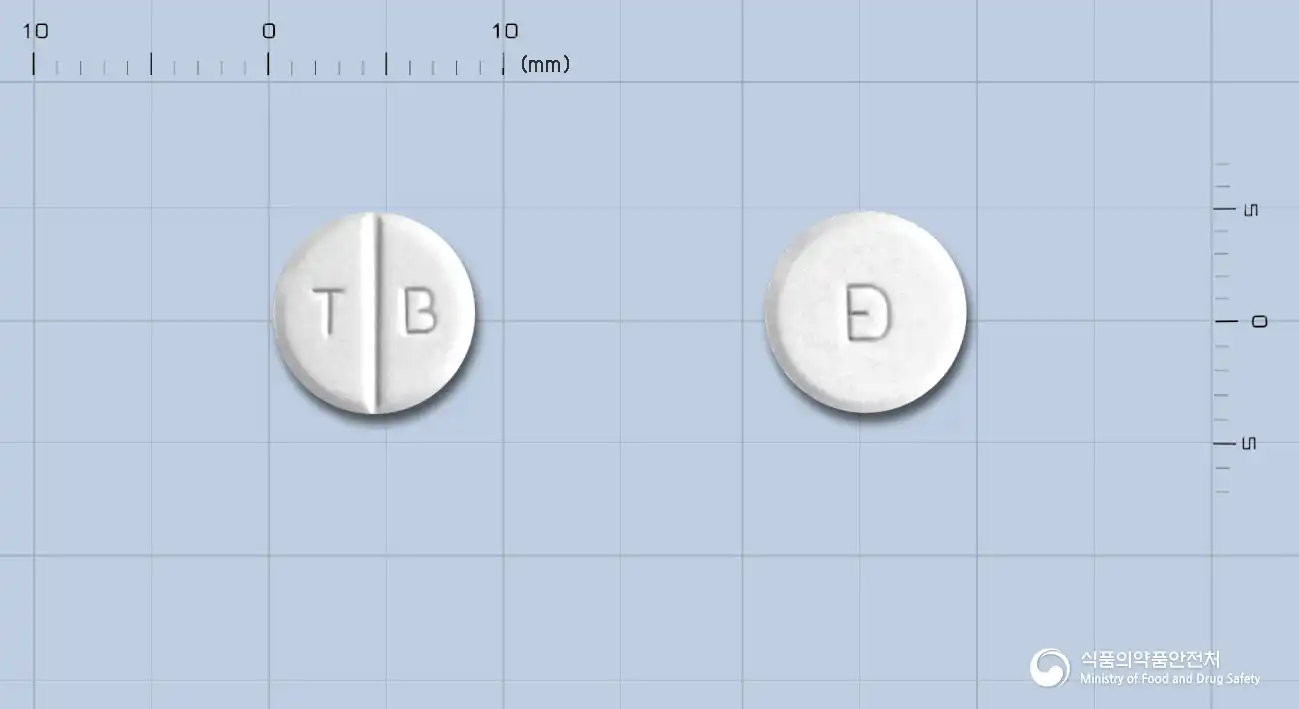
White circular tablets
30 tablets/bottle, 100 tablets/bottle
Even with the same ingredient, strength, dosage form and how it is taken can differ.
Viewing nowTerbinafine Hydrochloride 140.625mg
Tablet · Prescription medication
Daewoong Bio Co., Ltd.
Terbinafine Hydrochloride 10mg
Cream · OTC medication
GP Therapeutics Korea Co., Ltd.
Terbinafine Hydrochloride 10mg
Cream · OTC medication
Korea Hutex Pharmaceutical Co., Ltd.
Terbinafine Hydrochloride 10mg
Cream · OTC medication
Anguk Pharmaceutical Co., Ltd.
Terbinafine Hydrochloride 10mg
Cream · OTC medication
Medica Korea Co., Ltd.
Terbinafine Hydrochloride 10mg
Cream · OTC medication
Gyeongnam Pharmaceutical Co., Ltd.
Terbinafine Hydrochloride 10mg
Cream · OTC medication
Daehwa Pharmaceutical Co., Ltd.
Terbinafine Hydrochloride 10mg
Cream · OTC medication
Korea Pharmaceutical Co., Ltd.
Even with the same ingredient, the dose and directions can differ by strength and dosage form. Talk to a doctor or pharmacist before switching from a medication you are already taking.
No questions yet.
For anything that needs medical judgment, consult a doctor or pharmacist.
This drug information is based on data provided by the Korea Ministry of Food and Drug Safety.
Consult a doctor or pharmacist for accurate dosage, administration, and usage instructions.