
 한국어
한국어 English
 日本語
日本語 中文(简体)
 Viewing now
Geos Tablet (Acyclovir)
Acyclovir 200mg
Tablet · Prescription medication
Kooju Pharmaceutical Co., Ltd.
MFDS item code 200403056 · Notified 2004.06.22 · Insurance code 669802490
Treatment of herpes simplex and shingles (acute pain) and improvement of chickenpox
This medication is used to treat and prevent skin and mucosal infections caused by the herpes simplex virus, including primary and recurrent genital herpes. It also effectively alleviates acute pain during the treatment of shingles virus infections. However, its efficacy for postherpetic neuralgia has not yet been clearly demonstrated. Additionally, it is utilized for the treatment of chickenpox in children over 2 years of age. This medication helps in treating various viral infections.
1. Treatment of herpes simplex virus infections: Administer 200 mg 5 times a day at 4-hour intervals for 5 days; treatment may be extended for severe primary infections. 2. Prevention of herpes simplex infections in patients with normal immune function: Administer 200 mg 4 times a day at intervals of about 6 hours or 400 mg 2 times a day at 12-hour intervals. 3. Prevention of herpes simplex infections in immunocompromised patients: 200 mg 4 times a day,
1. Treatment of herpes simplex infections and prevention in immunocompromised patients - 2 years and older: equivalent to adult dosage - Under 2 years: 1/2 of adult dose 2. Treatment of chickenpox in children over 2 years: 20 mg per kg of body weight per dose, for a total of 1 day 4 times
This medication should not be used in patients with known allergies to this drug or its components. Patients with impaired kidney function may experience more prevalent neuropsychiatric side effects, so caution is required. In patients with compromised liver function, the liver function may worsen, requiring careful administration. Special caution should be taken when using this medicine in children, infants, and the elderly. Rarely, serious allergic reactions such as shock or anaphylaxis may occur while using this medication; if symptoms occur, discontinue use immediately and seek appropriate treatment. If signs of hypersensitivity such as rash, fever, blisters, or urticaria appear, discontinue the medication immediately. Symptoms such as hair loss, severe dermatitis, and significant damage to the skin and mucous membranes may also occur. Various neuropsychiatric symptoms such as confusion, hallucinations, seizures, drowsiness, and anxiety may occur, especially in the elderly or in patients with diminished kidney function. Reports of kidney-related side effects like reduced kidney function, hematuria, and proteinuria have also been noted, requiring vigilance. Hematological side effects may include bleeding, anemia, and changes in white blood cell count. Hepatitis, jaundice, and elevated liver function test results may occur as side effects affecting the liver. Gastrointestinal side effects may include nausea, vomiting, abdominal pain, and diarrhea, and if symptoms are severe, the medication should be discontinued. Systemically, symptoms such as fever, muscle weakness, and headache may appear. Arthralgia and myalgia have also been reported. Cardiovascular side effects may include arrhythmias, blood pressure changes, and chest pain. Urinary issues such as dysuria or urinary retention may occur infrequently. If symptoms do not improve or worsen while using this medication, alternative treatments should be considered, especially when administered in the early stages of infection. Patients with compromised immune function should preferably use intravenous forms of this medication. During treatment, sufficient fluid intake is necessary to prevent dehydration and reduce the risk of kidney toxicity. After long-term use, the continuation of this medication should be carefully reviewed. This medication can cause drowsiness or consciousness disturbances, so care should be taken when driving or operating hazardous machinery. There may be interactions with other medications, especially with those affecting kidney function, necessitating careful use when combined with such drugs. Women who are pregnant or may become pregnant should carefully consider the risks and benefits of using this medication, and it is safer to discontinue use during breastfeeding. Children and neonates should exercise extra caution when using this medicine, and the elderly may require dosage adjustments due to increased drug concentrations from impaired kidney function.
Anaphylactic shock, hypotension due to anaphylactoid reaction, breathing difficulties, chest tightness, urticaria, Stevens-Johnson syndrome, toxic epidermal necrolysis (Lyell's syndrome), consciousness disturbances, orientation disorders, coma, severe headache, seizures, mental confusion, visual disturbances, potential paralysis, renal failure, hematuria, proteinuria, uric acid casts in urine, purulent urine, leukocytoclastic vasculitis, lymphadenopathy, bleeding, purpura, anemia,
Not everyone experiences these, and they can vary from person to person.
This medication should be stored in a tightly sealed container to prevent air and moisture from entering. It is best to store it at room temperature between 1 degree and 30 degrees.
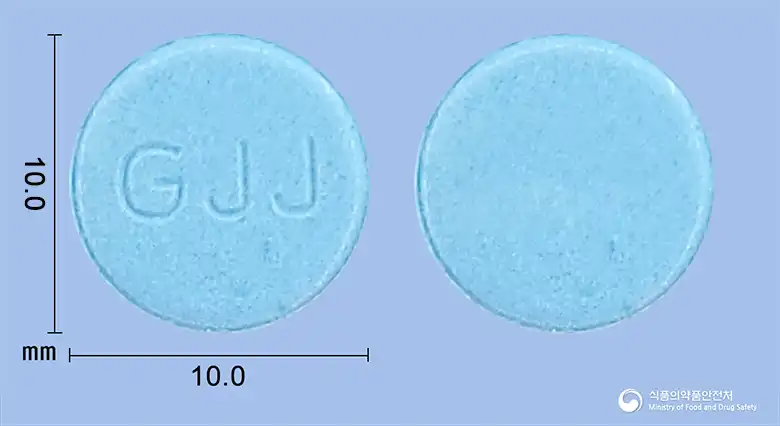
Light blue, round tablet
30 tablets/bottle, 100 tablets/bottle
Even with the same ingredient, strength, dosage form and how it is taken can differ.
Viewing nowAcyclovir 200mg
Tablet · Prescription medication
Kooju Pharmaceutical Co., Ltd.

Acyclovir 200mg
Tablet · Prescription medication
Kyung dong Pharm Co., Ltd.

Acyclovir 200mg
Tablet · Prescription medication
SK Chemicals Co., Ltd.
Acyclovir
Prescription medication
Baskan Biopharmaceutical Co., Ltd.
Acyclovir 50mg
Cream · OTC medication
Dongkwang Pharmaceutical Co., Ltd.

Acyclovir 400mg
Tablet · Prescription medication
Kyung dong Pharm Co., Ltd.
Acyclovir 50mg
Cream · OTC medication
Kyungdong Pharmaceutical Co., Ltd.

Acyclovir 200mg
Tablet · Prescription medication
Vivozon Pharmaceutical Co., Ltd.
Even with the same ingredient, the dose and directions can differ by strength and dosage form. Talk to a doctor or pharmacist before switching from a medication you are already taking.
No questions yet.
For anything that needs medical judgment, consult a doctor or pharmacist.
This drug information is based on data provided by the Korea Ministry of Food and Drug Safety.
Consult a doctor or pharmacist for accurate dosage, administration, and usage instructions.