
 한국어
 English
 日本語
 中文(简体)
 Viewing now
Terazosin Hydrochloride 2 mg Tablet
Terazosin Hydrochloride Hydrate 2.374mg
Tablet · Prescription medication
Ilhwa Co., Ltd.
MFDS item code 200400798 · Notified 2004.08.04 · Insurance code 640900410
Treatment of voiding disorders due to benign prostatic hyperplasia and mild to moderate hypertension
This medication is used to treat urinary disorders caused by benign prostatic hyperplasia and mild to moderate hypertension. It helps alleviate symptoms of urinary disorders and properly manage blood pressure, improving the quality of life for patients.
This medicine may be administered alone or in combination with a thiazide diuretic or another antihypertensive agent when other medicines are inappropriate or ineffective. Food has little or no effect on the bioavailability of this medicine, so it may be taken with or without food. Adjust the dose appropriately according to age and symptoms. 1. Voiding difficulty due to benign prostatic hyperplasia ○ Adults 1) Initial dose Administer 1 mg of terazosin hydrochloride orally at bedtime as the initial dose; do not exceed this dose. Carefully monitor the patient after the first dose to minimize the possibility of acute hypotension caused by the initial dose. 2) Maintenance dose Increase the dose slowly until symptoms improve. The maintenance dose is 5-10mg orally once daily. 3) Concomitant administration with a thiazide diuretic or another antihypertensive agent: When administered with a thiazide diuretic or another antihypertensive agent, reduce the dose of this medicine and increase it if necessary. Carefully monitor the patient, as hypotension may occur with this combination therapy. 2. Hypertension The dose should be adjusted according to the patient's blood pressure response. ○ Adults 1) Initial dose Administer 1 mg of terazosin hydrochloride orally at bedtime as the initial dose; do not exceed this dose. Carefully monitor the patient after the first dose to minimize the possibility of acute hypotension caused by the initial dose. 2) Maintenance dose ① Monotherapy: The maintenance dose is 2-10mg once daily, taken in the morning or evening; it is preferable to take it at the same time each day. The dose may be doubled at 1-week intervals to achieve the desired blood pressure response. Doses above 20mg do not provide greater effects, and doses of 40mg or more have not been studied. ② Concomitant administration with a thiazide diuretic or another antihypertensive agent: When administered with a thiazide diuretic or another antihypertensive agent, reduce the dose of this medicine and increase it if necessary. Carefully monitor the patient, as hypotension may occur with this combination therapy.
This medication is an alpha-blocker, and it is not safe to use in certain patients. First, this medication should not be administered to patients who have had an allergic reaction to this drug or to any alpha-blockers, nor to children under 12 years of age. Furthermore, it should be used cautiously in patients with severely impaired liver or kidney function, as well as in patients with specific conditions such as orthostatic hypotension, heart diseases, cerebrovascular disorders, and diabetes. When taking this medication, symptoms like dizziness or fainting may occur, so caution is necessary when starting the medication or changing the dosage. In particular, fainting may occur between 30 minutes and 90 minutes after taking the initial dose, so if such symptoms arise, the patient should lie down immediately to rest. In case of overdose, symptoms like dizziness, energy deficiency, and edema may occur, but these usually improve after some time. There may be mental symptoms such as depression or increased nervousness, and headache, drowsiness, and insomnia may also be experienced. Cardiac problems like rapid heartbeat, decreased blood pressure, arrhythmias, and chest pain may occur rarely. Liver function tests may temporarily rise, and gastrointestinal symptoms like indigestion, abdominal pain, diarrhea, and nausea may also occur. Respiratory or urinary symptoms, sensory abnormalities, vision problems, and allergic reactions have been reported rarely. When taking this medication, it is advisable to avoid dangerous activities such as working at heights or driving due to possible dizziness or drowsiness. Caution should also be exercised when getting up suddenly from a lying position, as dizziness or fainting may occur. Since it is used to treat benign prostatic hyperplasia, it is essential to confirm the absence of prostate cancer before treatment. Patients planning cataract surgery should inform their doctor of the use of this medication, as there is a need to prepare for potential eye-related side effects during surgery. When used in conjunction with other medications, the blood pressure-lowering effect may increase, so consultation with a physician is necessary. Women who are pregnant or may become pregnant should use this medication with caution, and breastfeeding should preferably be avoided or the drug should be discontinued. It is not recommended for children as safety and efficacy have not been established. In elderly patients, starting with a low dose and monitoring the condition is safer. In case of overdose, immediate medical attention should be sought for appropriate treatment, as dialysis is ineffective. Finally, this medication should be kept out of reach of children, and it is advisable not to transfer it to another container.
Not everyone experiences these, and they can vary from person to person.
This medication should be stored in a tightly sealed container to prevent air from entering. Also, it is important to store it at room temperature, between 1 to 30 degrees Celsius, to maintain its effectiveness.
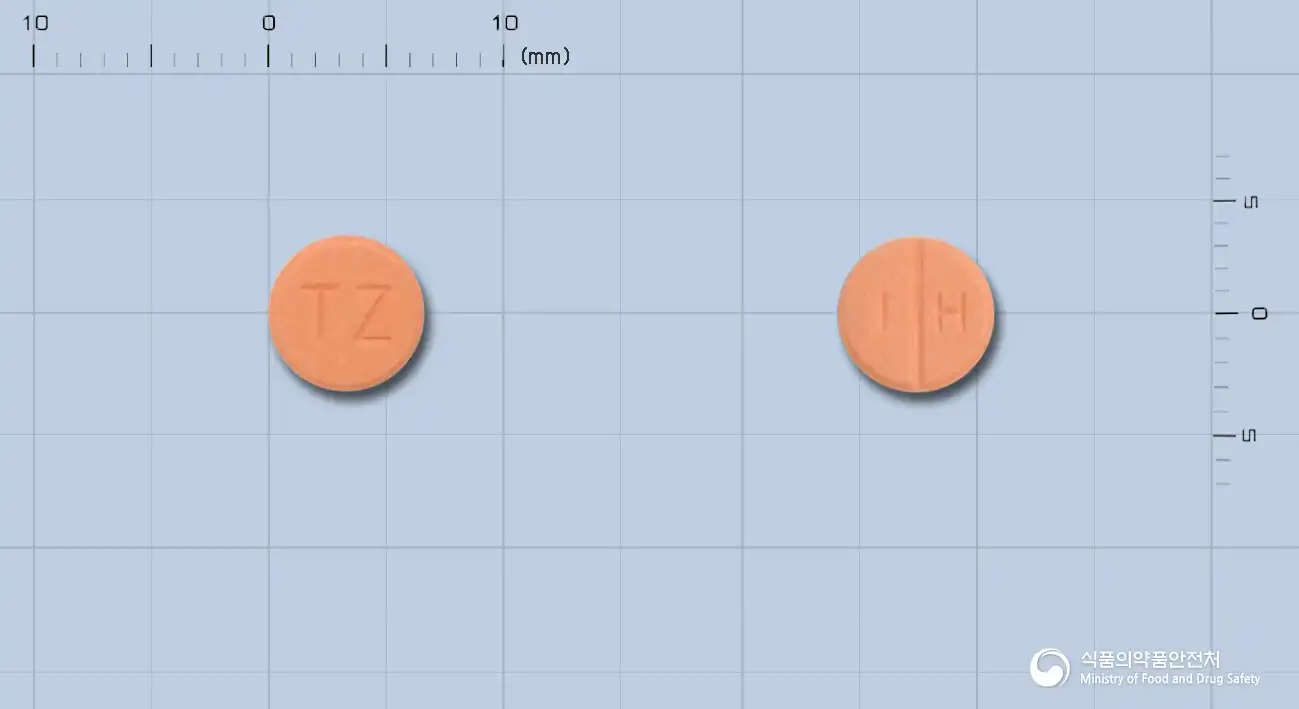
Light orange round tablet
30 tablets/bottle, 100 tablets/bottle
Even with the same ingredient, strength, dosage form and how it is taken can differ.
Viewing nowTerazosin Hydrochloride Hydrate 2.374mg
Tablet · Prescription medication
Ilhwa Co., Ltd.
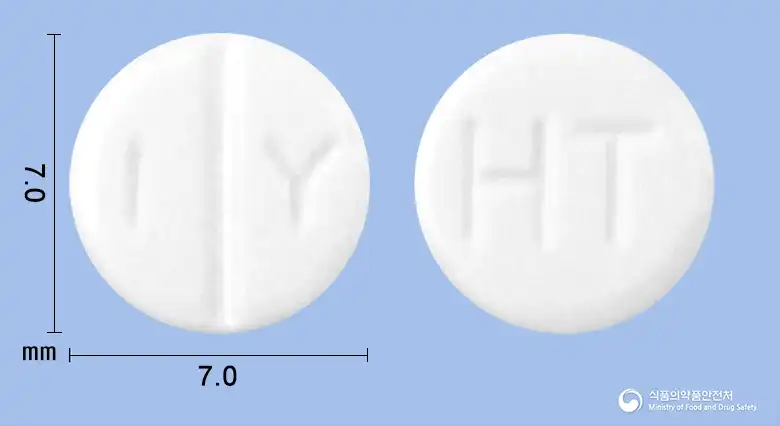
Terazosin Hydrochloride Hydrate 1.187mg
Tablet · Prescription medication
Il Yang Pharmaceutical Co., Ltd.
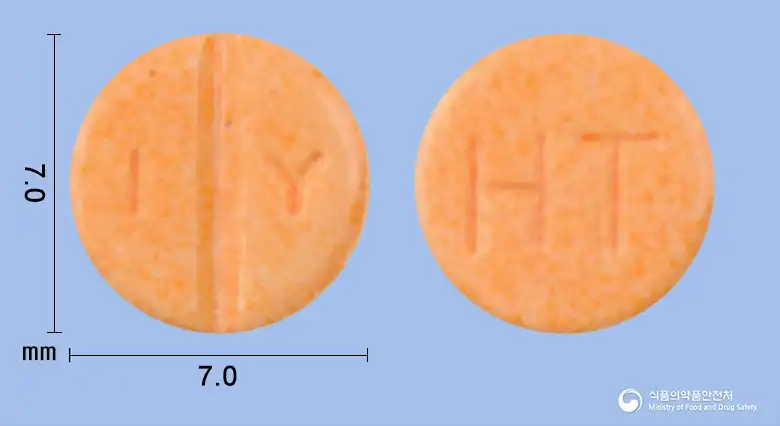
Terazosin Hydrochloride Hydrate 2.374mg
Tablet · Prescription medication
Il Yang Pharmaceutical Co., Ltd.
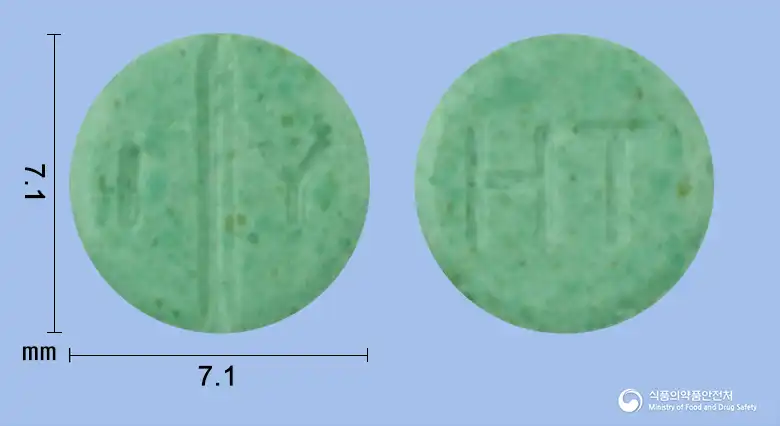
Terazosin Hydrochloride Hydrate 5.935mg
Tablet · Prescription medication
Il Yang Pharmaceutical Co., Ltd.
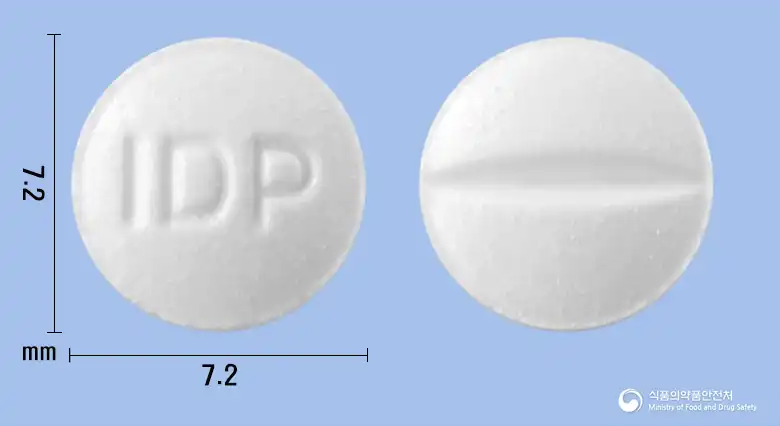
Terazosin Hydrochloride Hydrate 2.374mg
Tablet · Prescription medication
Il Dong Pharmaceutical Co., Ltd.
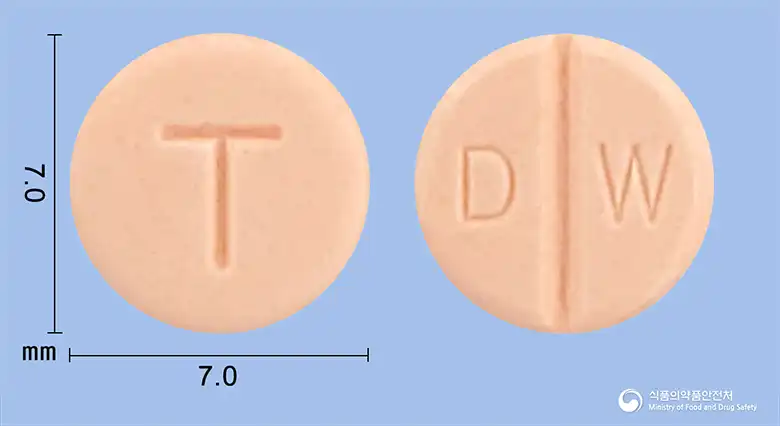
Terazosin Hydrochloride Hydrate 2.374mg
Tablet · Prescription medication
Daewon Pharmaceutical Co., Ltd.
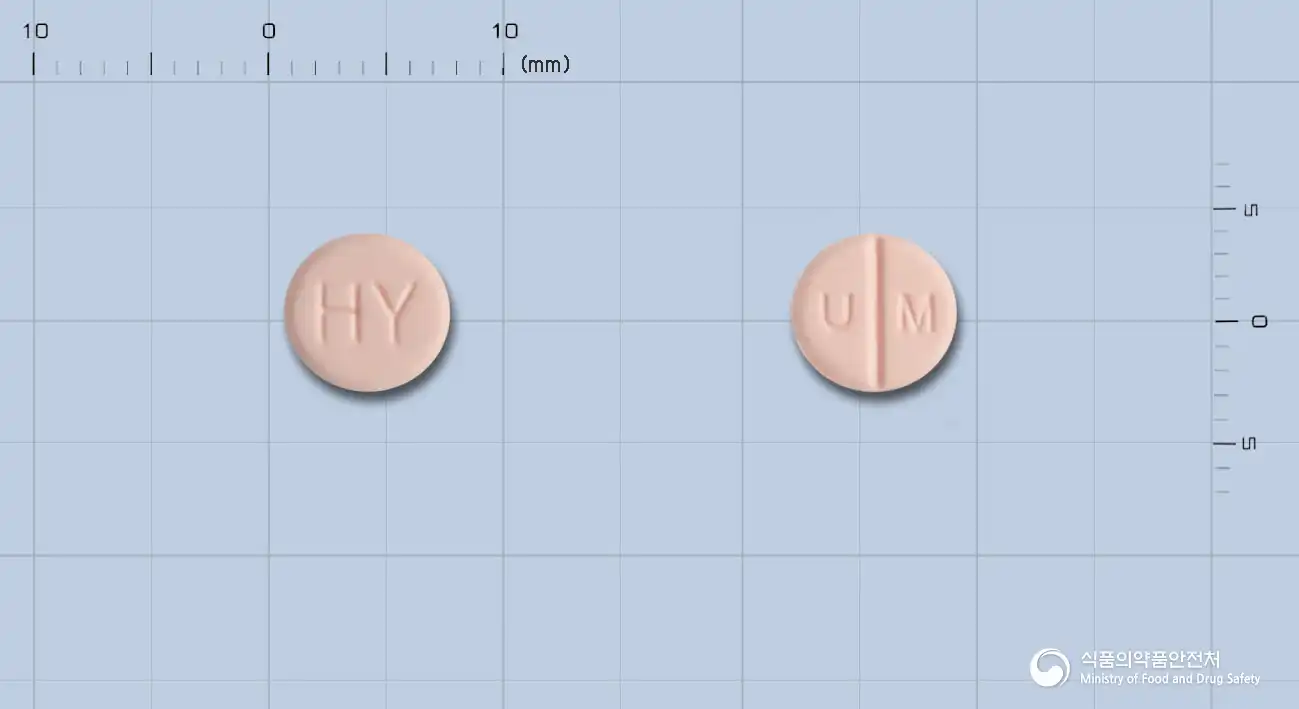
Terazosin Hydrochloride Hydrate 2.374mg
Tablet · Prescription medication
Unimed Pharmaceutical Co., Ltd.
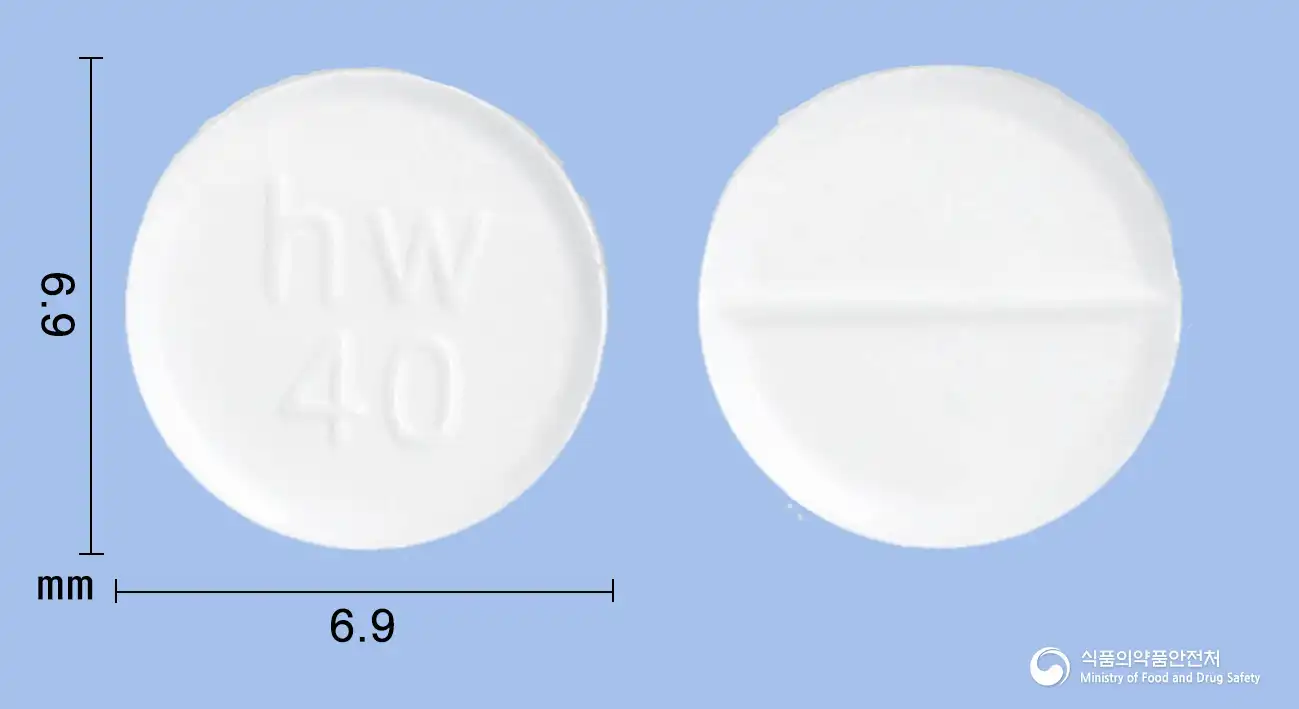
Terazosin Hydrochloride Hydrate 2.374mg
Tablet · Prescription medication
(Hawon Pharmaceutical Co., Ltd.)
Even with the same ingredient, the dose and directions can differ by strength and dosage form. Talk to a doctor or pharmacist before switching from a medication you are already taking.
No questions yet.
For anything that needs medical judgment, consult a doctor or pharmacist.
This drug information is based on data provided by the Korea Ministry of Food and Drug Safety.
Consult a doctor or pharmacist for accurate dosage, administration, and usage instructions.