
 한국어
 English
 日本語
 中文(简体)
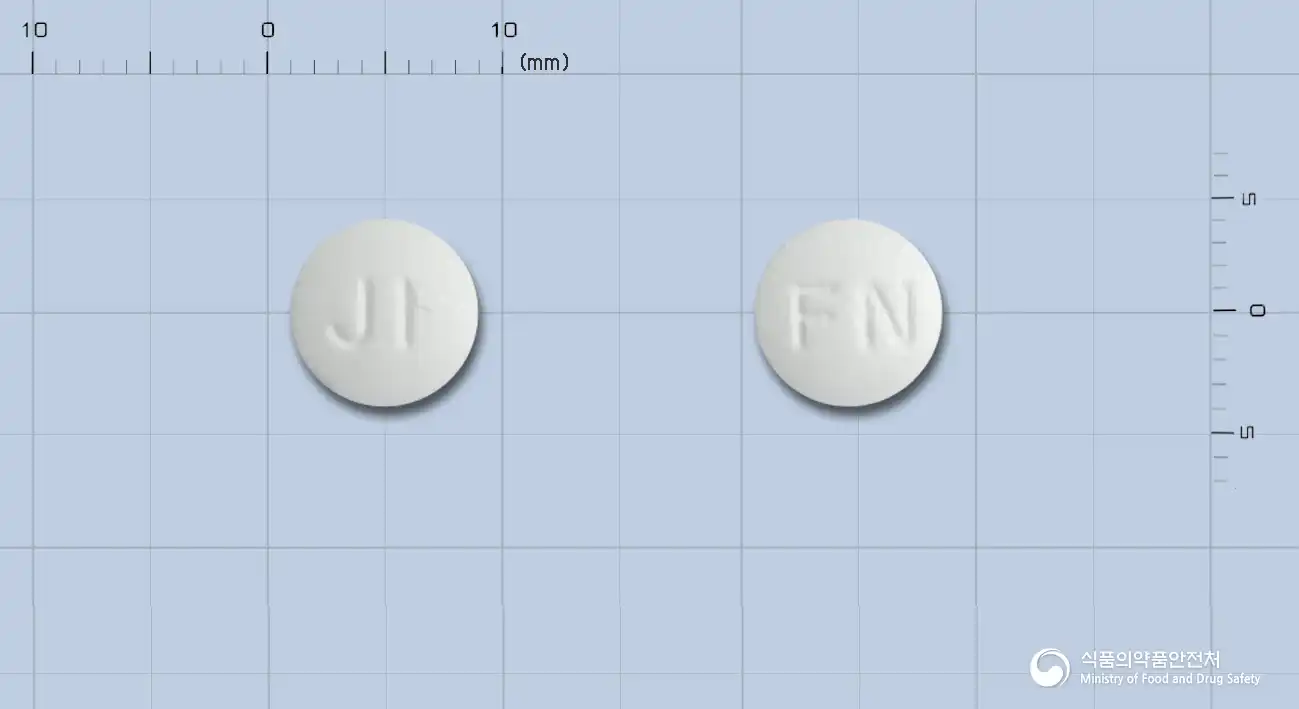 Viewing now
Apex Tablet (Aceclofenac)
Aceclofenac 100mg
Tablet · Prescription medication
Jeil Pharmaceutical Co., Ltd.
MFDS item code 200303337 · Notified 2003.09.15 · Insurance code 645403280
Relief of inflammation associated with arthritis (including rheumatoid arthritis), pain (such as back pain), and post-traumatic conditions
This medication is used for various joint diseases such as rheumatoid arthritis, ankylosing spondylitis, osteoarthritis, and肩胛骨上肱骨周围炎. It is also effective in relieving pains such as toothache, inflammation after trauma, back pain, and sciatica. It helps to treat pain caused by non-articular rheumatism. Its main efficacy is to reduce inflammation and pain in joints and muscles, making daily life more comfortable for patients. This medication is used to improve various pain and inflammatory conditions.
Adults: Take aceclofenac 100 mg per dose every 12 hours, twice daily. Patients with hepatic impairment: Administer 100 mg daily as the initial dose. Take this medicine whole; do not chew or crush it. Adjust the dose as appropriate according to symptoms. To minimize the cardiovascular adverse reactions of this medicine, use the lowest effective dose for the shortest possible duration.
This medication should be consulted with a doctor or pharmacist before taking for individuals who regularly consume more than three glasses of alcohol daily. There is a risk of gastrointestinal bleeding if this medication is taken by heavy drinkers. This medication may increase the risk of cardiovascular and cerebrovascular issues. Patients with risk factors for heart disease or cerebrovascular disease should use this medication cautiously, taking the minimum effective dose for the shortest duration possible. Also, cardiovascular symptoms should be monitored periodically during treatment. There are risks associated with the gastrointestinal tract, including serious adverse reactions such as bleeding, ulcers, or perforation in the stomach or intestines. Particularly, elderly patients or those with a history of gastrointestinal disease should be cautious, and if gastrointestinal symptoms occur, they should notify medical personnel immediately. Patients with active peptic ulcers or bleeding, or those with allergies to this medication or similar drugs, asthma or heart failure patients, patients with severe kidney or liver diseases, pregnant women in late pregnancy, and nursing mothers should not take this medication. Patients with kidney impairment, heart failure, hypertension, or liver impairment should exercise special caution when taking this medication, and regular tests as per medical advice are required. This medication can cause central nervous system side effects such as dizziness or drowsiness, so it is advisable to avoid driving or operating dangerous machinery while taking it. In late pregnancy, it may harm the fetus, so women who are pregnant or planning to become pregnant should consult a doctor before taking it. Moreover, nursing mothers should either stop breastfeeding or avoid taking this medication. This medication may interact with other drugs, so consult your doctor especially if you are taking anticoagulants, diuretics, antihypertensives, or diabetes medications. Long-term use requires regular monitoring of liver and kidney functions, as well as blood tests to check for abnormalities. In case of overdose, symptoms such as gastric irritation, hypotension, respiratory depression, and convulsions may occur, so it is essential to visit a medical facility immediately. The safety and efficacy of this medication have not been established in children, and the risk of adverse effects such as gastrointestinal bleeding is higher in the elderly, so caution is needed. Lastly, store this medication out of reach of children and avoid transferring it to another container as it may not be conducive to maintaining quality.
Not everyone experiences these, and they can vary from person to person.
This medication should be stored in a tightly closed container to prevent air and moisture from entering. It is important to maintain a storage temperature between 1 degree and 30 degrees Celsius.
White round film-coated tablet
30 tablets/bottle, 500 tablets/bottle
Even with the same ingredient, strength, dosage form and how it is taken can differ.
Viewing nowAceclofenac 100mg
Tablet · Prescription medication
Jeil Pharmaceutical Co., Ltd.
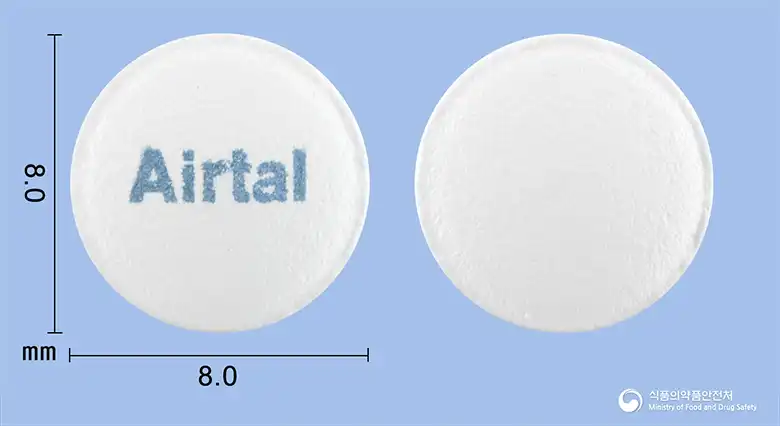
Aceclofenac 100mg
Tablet · Prescription medication
Daewoong Pharmaceutical Co., Ltd.
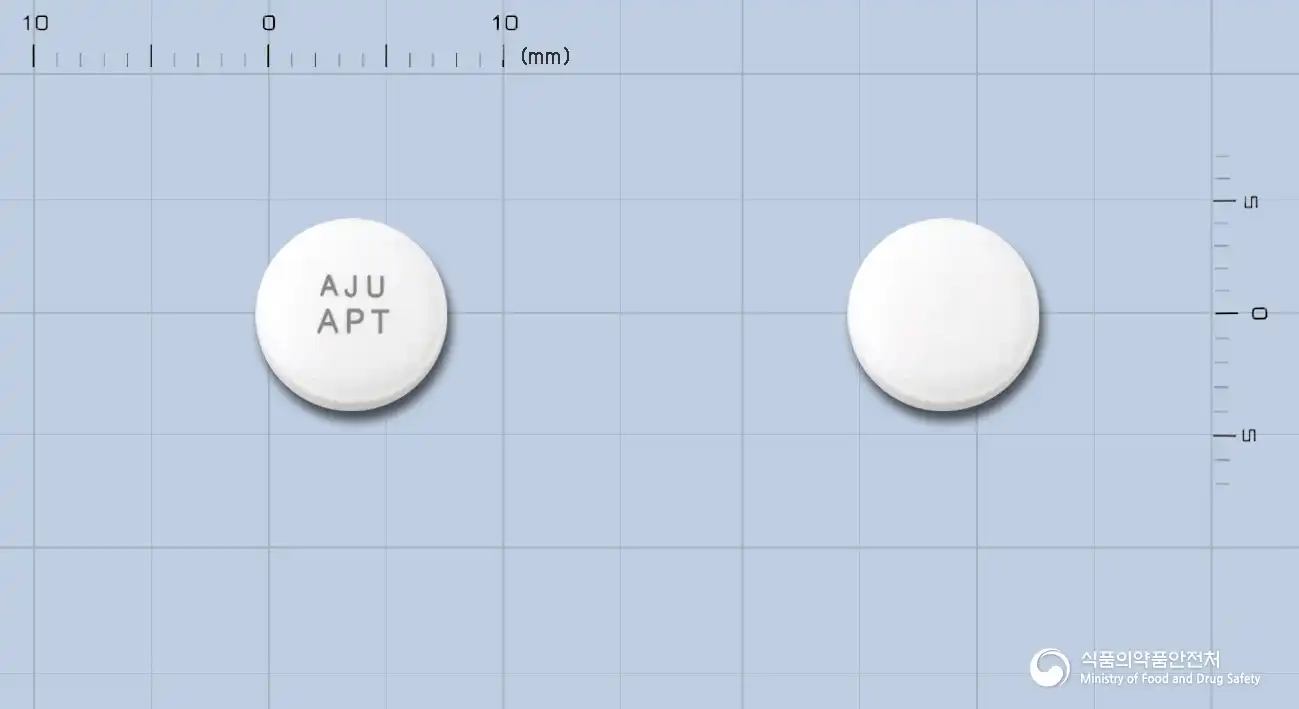
Aceclofenac 100mg
Tablet · Prescription medication
Aju Pharm Co., Ltd.
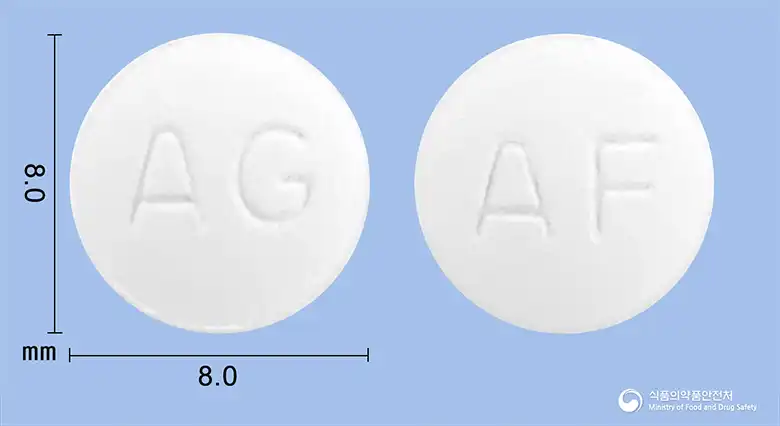
Aceclofenac 100mg
Tablet · Prescription medication
Angkuk Pharmaceutical Co., Ltd.
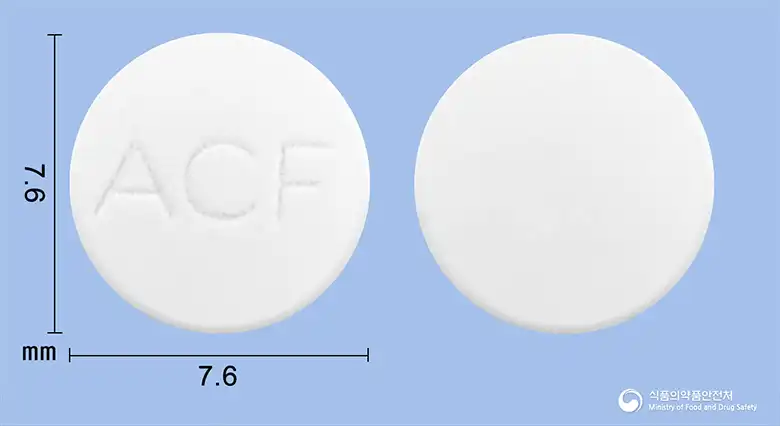
Aceclofenac 100mg
Tablet · Prescription medication
Dong-A ST Co., Ltd.
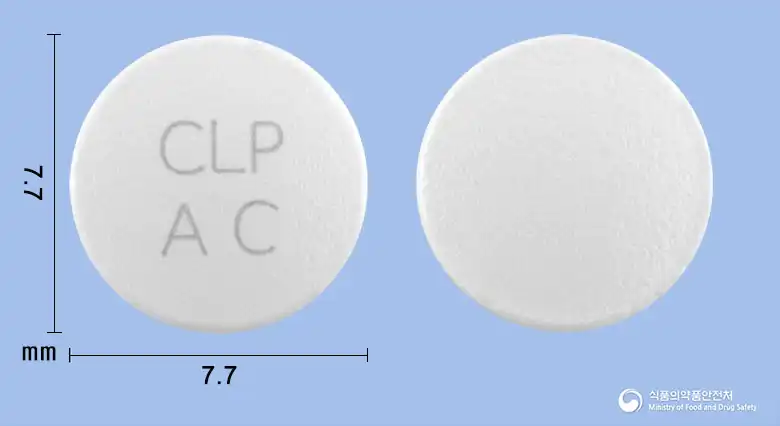
Aceclofenac 100mg
Tablet · Prescription medication
Celltrion Pharmaceutical Co., Ltd.
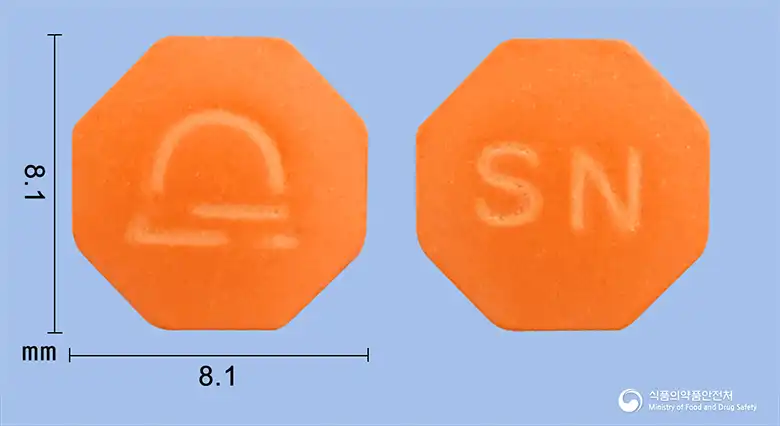
Aceclofenac 100mg
Tablet · Prescription medication
Daewon Pharmaceutical Co., Ltd.
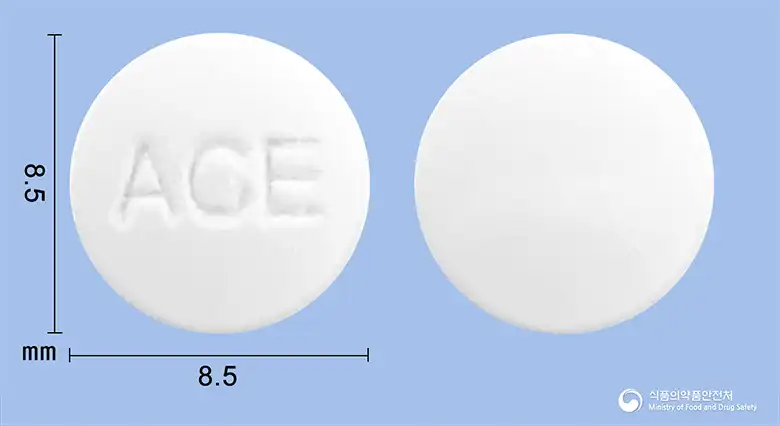
Aceclofenac 100mg
Tablet · Prescription medication
Kyungdong Pharmaceutical Co., Ltd.
Even with the same ingredient, the dose and directions can differ by strength and dosage form. Talk to a doctor or pharmacist before switching from a medication you are already taking.
No questions yet.
For anything that needs medical judgment, consult a doctor or pharmacist.
This drug information is based on data provided by the Korea Ministry of Food and Drug Safety.
Consult a doctor or pharmacist for accurate dosage, administration, and usage instructions.