
 한국어
 English
 日本語
 中文(简体)
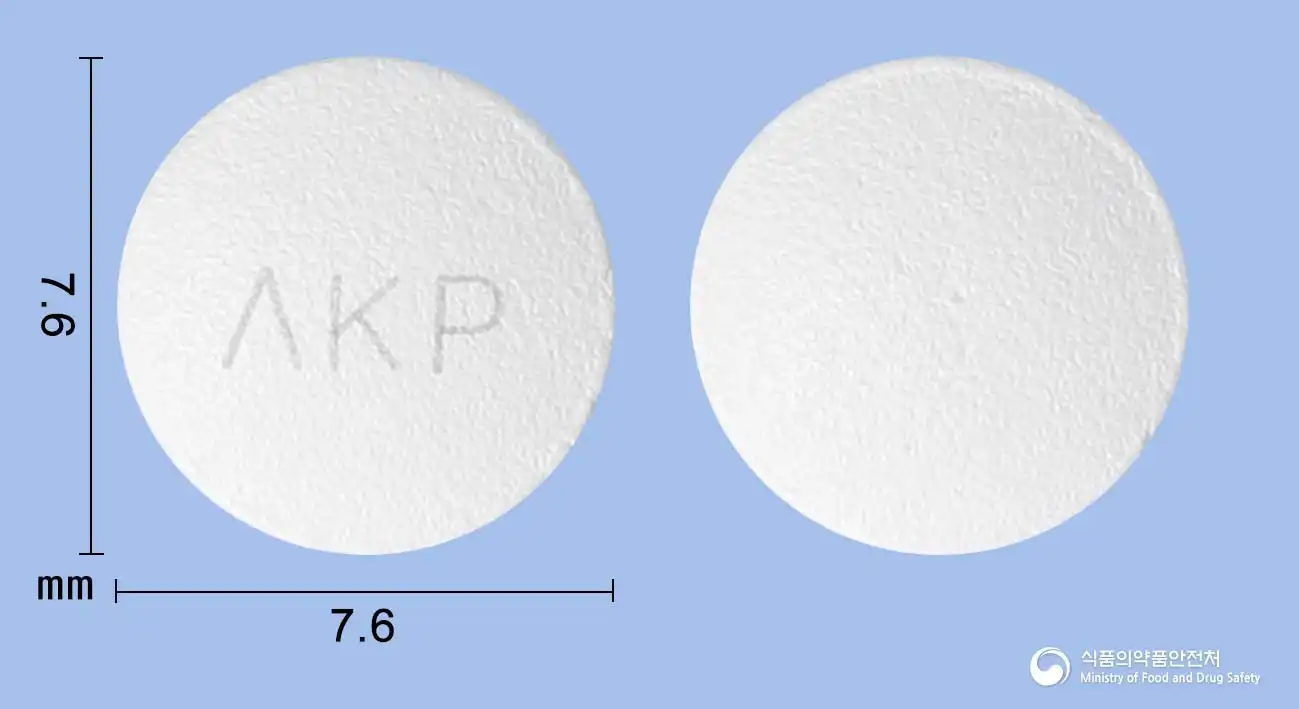 Viewing now
Agafen Tablet (Aceclofenac)
Aceclofenac 100mg
Tablet · Prescription medication
Korea Prime Pharm Co., Ltd.
MFDS item code 200302642 · Notified 2003.09.25 · Insurance code 663601080
Relief of joint disorders (e.g., rheumatoid arthritis), pain (e.g., toothache), and post-traumatic inflammation
This medication is used for major arthritic diseases such as rheumatoid arthritis, ankylosing spondylitis, and osteoarthritis. It also helps relieve pain from conditions such as periarthritis of the scapulohumeral joint, toothache, post-traumatic inflammation, lower back pain, and sciatica. It is also effective for pain relief caused by non-articular rheumatism. It is used to improve various joint and soft tissue inflammation and pain.
○ Adults: Take 100 mg of aceclofenac twice daily, every 12 hours. ○ Patients with hepatic impairment: Administer an initial dose of 100 mg daily. Swallow this medicine whole; do not chew or crush it. Adjust the dose as appropriate according to symptoms. To minimize cardiovascular adverse reactions, this medicine should be administered at the lowest effective dose for the shortest possible duration.
This medication may increase the risk of gastrointestinal bleeding for those who regularly consume more than three glasses of alcohol a day, so it is essential to consult a doctor or pharmacist. It may increase the risk of cardiovascular diseases; hence, patients with risk factors such as heart conditions, hypertension, or diabetes should start treatment carefully and take the lowest dose for the shortest duration possible. It can cause severe gastrointestinal issues such as gastrointestinal bleeding, ulcers, or perforation, so elderly patients or those with a history of gastrointestinal diseases should exercise special caution. Patients with active peptic ulcers or bleeding, or those who have an allergic reaction to this medication or other drugs in the same class should not take this medication. Patients with heart failure, severe kidney or liver impairment, pregnant women in late pregnancy, nursing mothers, and patients with inflammatory bowel disease are also prohibited from taking this medication. Patients with a history of renal impairment, heart failure, hypertension, or asthma should use it cautiously and must be closely monitored during treatment. This medication may cause various side effects, such as dizziness, gastrointestinal disturbances, increased liver enzyme levels, and skin rashes. If abnormal symptoms occur, immediate consultation with a healthcare professional is advised. If symptoms of cardiovascular issues, signs of gastrointestinal bleeding, or severe skin reactions occur, discontinue the medication immediately and seek treatment. Use during pregnancy, particularly in late stages, may harm the fetus, so women who are pregnant or planning to become pregnant should avoid taking this medication. There are many potential drug interactions, so if taken with digoxin, anticoagulants, diabetes medication, diuretics, etc., consultation with a physician is essential. During treatment, regular monitoring of blood pressure, kidney, and liver function is necessary, along with paying attention to symptoms of bleeding or allergic reactions. Safety in children and adolescents has not been established, and elderly patients face a higher risk of gastrointestinal bleeding, necessitating special caution. In the event of an overdose, gastrointestinal irritation, hypotension, respiratory depression, and seizures may occur, requiring immediate medical attention. Store this medication out of reach of children and do not transfer to another container for safety.
Not everyone experiences these, and they can vary from person to person.
This medication may be sensitive to air and moisture; therefore, it should be stored in a tightly closed container. It is advisable to maintain the storage temperature between 1 and 30 degrees Celsius at room temperature to preserve the effect and safety of the medication for an extended period.
White, round, film-coated tablets
30 tablets/bottle, 500 tablets/bottle
Even with the same ingredient, strength, dosage form and how it is taken can differ.
Viewing nowAceclofenac 100mg
Tablet · Prescription medication
Korea Prime Pharm Co., Ltd.
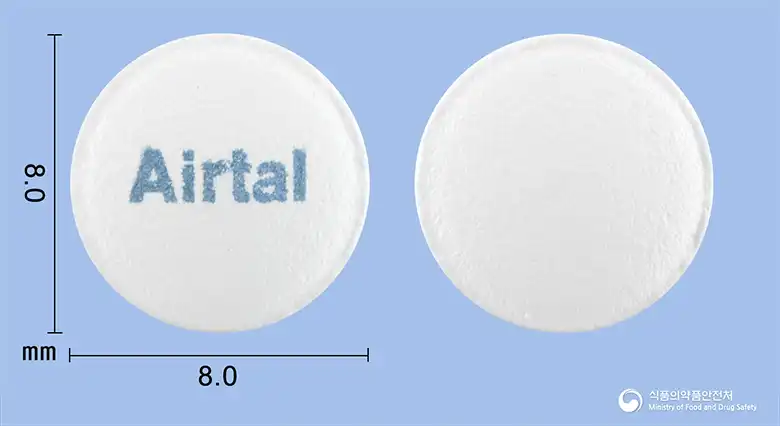
Aceclofenac 100mg
Tablet · Prescription medication
Daewoong Pharmaceutical Co., Ltd.
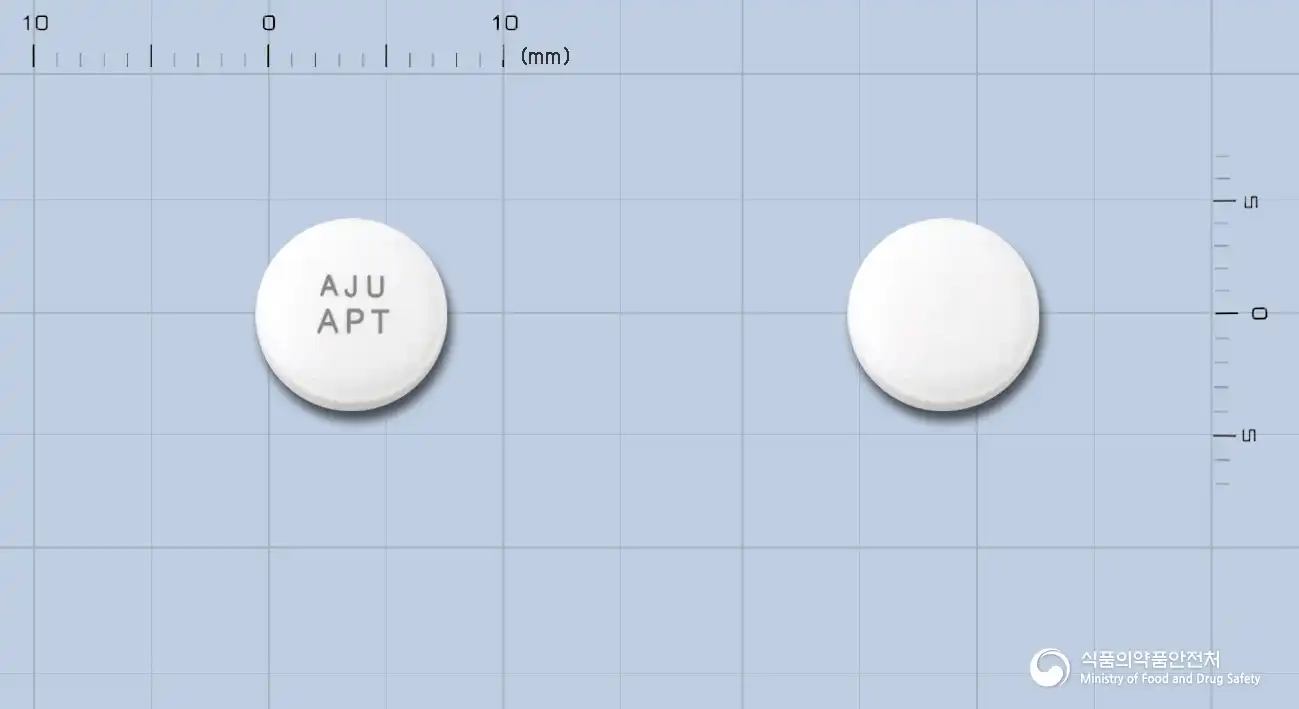
Aceclofenac 100mg
Tablet · Prescription medication
Aju Pharm Co., Ltd.
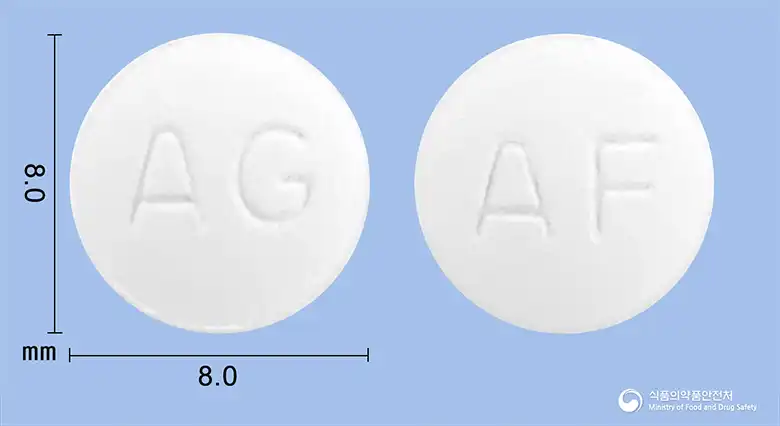
Aceclofenac 100mg
Tablet · Prescription medication
Angkuk Pharmaceutical Co., Ltd.
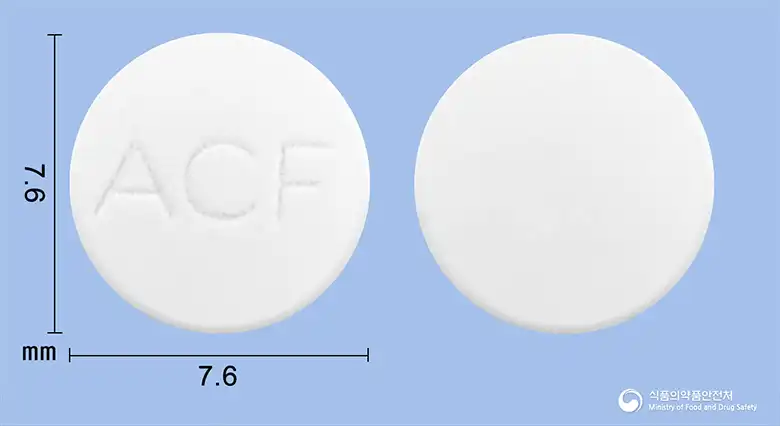
Aceclofenac 100mg
Tablet · Prescription medication
Dong-A ST Co., Ltd.
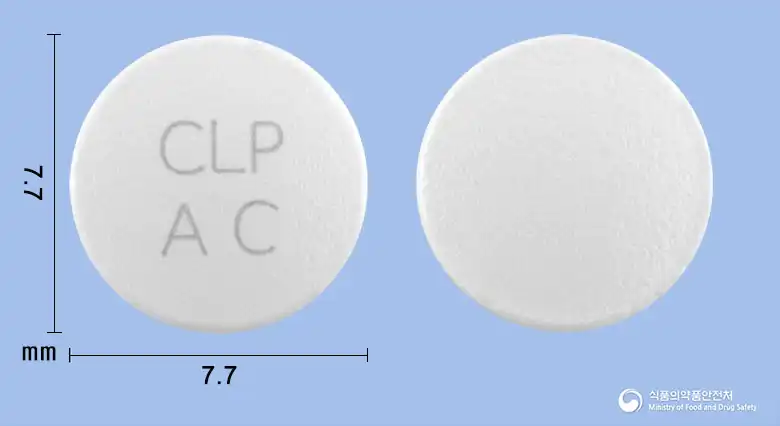
Aceclofenac 100mg
Tablet · Prescription medication
Celltrion Pharmaceutical Co., Ltd.
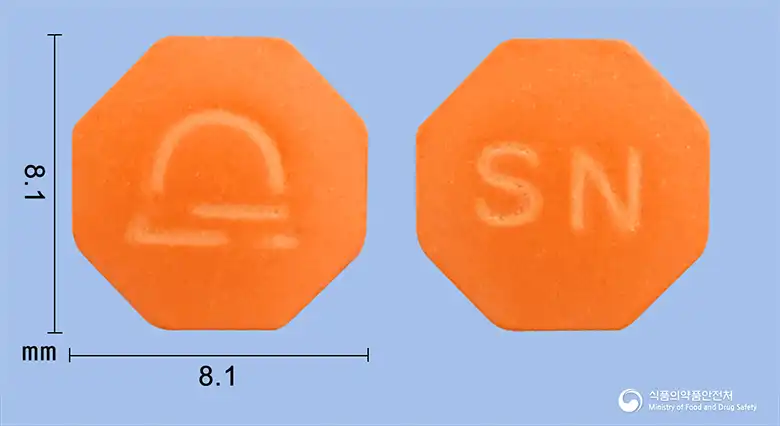
Aceclofenac 100mg
Tablet · Prescription medication
Daewon Pharmaceutical Co., Ltd.
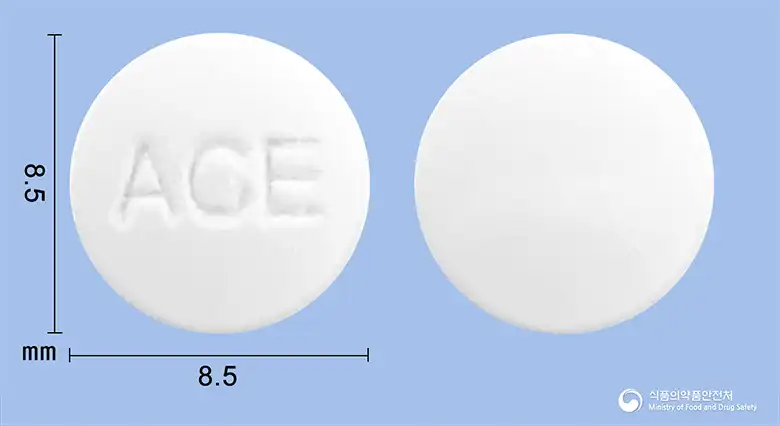
Aceclofenac 100mg
Tablet · Prescription medication
Kyungdong Pharmaceutical Co., Ltd.
Even with the same ingredient, the dose and directions can differ by strength and dosage form. Talk to a doctor or pharmacist before switching from a medication you are already taking.
No questions yet.
For anything that needs medical judgment, consult a doctor or pharmacist.
This drug information is based on data provided by the Korea Ministry of Food and Drug Safety.
Consult a doctor or pharmacist for accurate dosage, administration, and usage instructions.