
 한국어
 English
 日本語
 中文(简体)
Summary
- Main use
- Treatment of acute uncomplicated falciparum malaria and prevention of falciparum malaria
- Who takes it
- Adults · Children
- Adult dose
- Take this drug at the same time each day with food or milk. If vomiting occurs within 1 hour after taking the dose, administer the dose again. 1. Prophylaxis Start taking this drug 1 to 2 days before departure for an area where malaria may occur, take it daily, and continue taking it for 7 days after returning. Adults: Take 1 tablet once daily. 2. Treatment Adults: Take 4 tablets once daily for 3 consecutive days. 3. Patients with renal impairment. This drug should not be administered for prophylaxis to patients with severe renal impairment (creatinine clearance<30mL/min), and alternative drugs should be recommended for the treatment of acute P. falciparum malaria. Do not use this drug concomitantly with other drugs containing proguanil hydrochloride. No dose adjustment is necessary in patients with mild or moderate renal impairment. 4. Patients with hepatic impairment The pharmacodynamics of this drug have not been studied in patients with hepatic impairment. The effect of hepatic failure on the conversion of proguanil to cycloguanil is unknown.
- Child dose
- Prophylaxis 11-20kg : 1/4 tablet once daily 21-30kg : 1/2 tablet once daily 31-40kg : 3/4 tablet once daily >40kg : Same as adults Treatment 11-20kg : 1 tablet once daily for 3 days 21-30kg : 2 tablets once daily for 3 days 31-40kg : 3 tablets once daily for 3 days >40kg : Same as adults
Ingredients
- Importer
- GSK Korea
Efficacy & effects
Treatment of acute uncomplicated falciparum malaria and prevention of falciparum malaria
- Plasmodium falciparum malaria
View approved original textHide original text
This medication is used for the prevention of Plasmodium falciparum malaria and for the treatment of acute uncomplicated Plasmodium falciparum malaria. These diseases can cause severe malaria infections, and effective prevention and treatment can be achieved through this medication.
How to take
Adult dose
Take this drug at the same time each day with food or milk. If vomiting occurs within 1 hour after taking the dose, administer the dose again. 1. Prophylaxis Start taking this drug 1 to 2 days before departure for an area where malaria may occur, take it daily, and continue taking it for 7 days after returning. Adults: Take 1 tablet once daily. 2. Treatment Adults: Take 4 tablets once daily for 3 consecutive days. 3. Patients with renal impairment. This drug should not be administered for prophylaxis to patients with severe renal impairment (creatinine clearance<30mL/min), and alternative drugs should be recommended for the treatment of acute P. falciparum malaria. Do not use this drug concomitantly with other drugs containing proguanil hydrochloride. No dose adjustment is necessary in patients with mild or moderate renal impairment. 4. Patients with hepatic impairment The pharmacodynamics of this drug have not been studied in patients with hepatic impairment. The effect of hepatic failure on the conversion of proguanil to cycloguanil is unknown.
Child dose
Prophylaxis 11-20kg : 1/4 tablet once daily 21-30kg : 1/2 tablet once daily 31-40kg : 3/4 tablet once daily >40kg : Same as adults Treatment 11-20kg : 1 tablet once daily for 3 days 21-30kg : 2 tablets once daily for 3 days 31-40kg : 3 tablets once daily for 3 days >40kg : Same as adults
Precautions
This medication is not recommended for patients with severe malaria, such as cerebral malaria, as oral treatment is not suitable. Patients with diarrhea or vomiting should be cautious as absorption of the main ingredient, atovaquone, may be reduced, and if severe vomiting occurs, the use of antiemetics should be considered. This medication may not completely cure infections caused by certain malaria parasites alone, and additional drug therapy may be necessary. Patients who are allergic to atovaquone, proguanil, or any components of this medication, as well as those with severe renal disease, should not use this medication. Patients with a history of seizures or psychiatric disorders, and those unable to eat, should exercise extra caution when using this medication. Common side effects of this medication may include abdominal pain, headache, nausea, vomiting, diarrhea, weakness, anorexia, dizziness, itching, fever, myalgia, cough, mood changes (insomnia, depression, anxiety, panic attacks, hallucinations, nightmares), angioedema, rash, alopecia, vasculitis, blood abnormalities (anemia, neutropenia, etc.), increased liver enzyme levels, cholestasis, hepatitis, stomatitis, oral ulcers, hypertension, palpitations, finger numbness, fatigue, leg swelling, chest pain, joint pain. When taking this medication, it should be taken daily at the same time with food or milk, and if a dose is missed, it should be taken immediately but care should be taken not to double dose. This medication should not be used in combination with other antimalarials, and caution should be exercised for drug interactions when used with certain antibiotics or anticoagulants. For pregnant women, as the safety of this medication has not been fully established, use should be considered after consulting a physician and weighing the risks and benefits, and its use is not recommended for breastfeeding women. Safety and efficacy in children, particularly in those weighing less than 11 kg, have not been established, so caution in use is necessary. Elderly patients should have liver, kidney, and heart function closely monitored, and doses adjusted accordingly. In case of overdose, there is no specific antidote, and symptomatic treatment based on symptoms will be required. This medication should be kept out of reach of children.
Side effects
- Abdominal pain
- nausea
- vomiting
- headache
- diarrhea
- weakness
- appetite loss
- dizziness
- itching
- elevated transaminases
Show 59 moreCollapse
- increased ALT
- increased AST
- headache
- fever
- muscle pain
- cough
- indigestion
- back pain
- gastritis
- stomatitis
- oral ulcer
- hepatitis
- cholestasis
- insomnia
- abnormal dreams
- depression
- anxiety
- panic attack
- crying
- hallucinations
- nightmares
- vision impairment
- angioedema
- anaphylaxis
- vasculitis
- rash
- hair loss
- urticaria
- Stevens-Johnson syndrome
- erythema multiforme
- anemia
- neutropenia
- palpitations
- tachycardia
- hyponatremia
- elevated amylase levels
- fever
- angioedema
- anaphylaxis
- vasculitis
- rash
- hair loss
- urticaria
- Stevens-Johnson syndrome
- erythema multiforme
- finger paralysis
- lethargy
- chest pain
- leg edema
- visual disturbances
- conjunctival hyperemia
- acne
- heart palpitations
- cough
- methemoglobinemia
- rash
- upper abdominal discomfort
- skin scaling on palms and soles
- aphthous ulcer
Not everyone experiences these, and they can vary from person to person.
Storage
This medication should be stored in a tightly sealed container to protect it from air and moisture, and it should be kept at room temperature between 1 and 30 degrees Celsius. By storing it this way, the efficacy of the medication can be safely maintained.
Appearance and packaging
Appearance
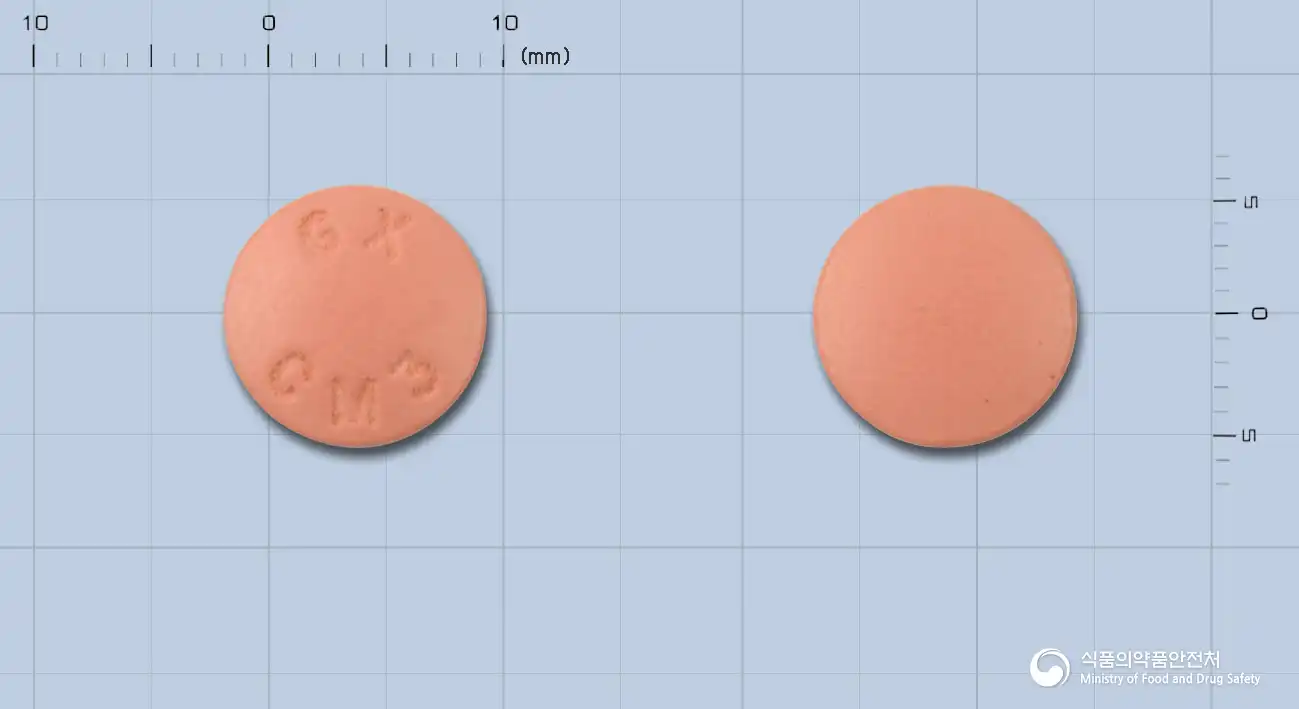
Biconvex, round, pink film-coated tablets
Package unit
12 tablets/PTP
Questions about this medicine
No questions yet.
For anything that needs medical judgment, consult a doctor or pharmacist.