
 한국어
 English
 日本語
 中文(简体)
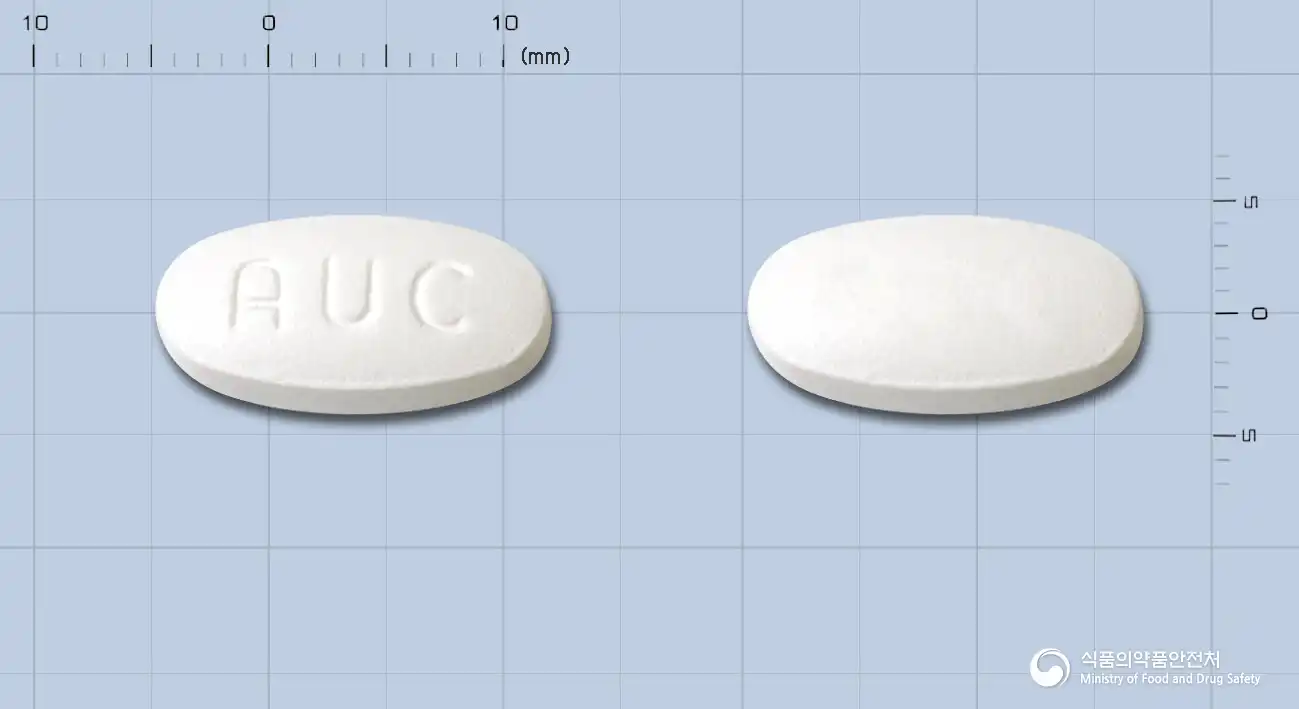 Viewing nowCombination
Oclatin 375 mg (Amoxicillin-Clavulanate Potassium (2:1))
Amoxicillin Hydrate 250mg · Dilute Potassium Clavulanate 215.52mg
Tablet · Prescription medication · Combination
Seoul Pharmaceutical Co., Ltd.
MFDS item code 200103336 · Notified 2001.07.24 · Insurance code 652901400
Treatment of respiratory and ear, nose, and throat infections; genitourinary infections; and skin, bone, and dental infections
This medication is effective against various bacteria and is used to treat respiratory infections such as acute and chronic bronchitis and pneumonia, as well as urinary infections like cystitis and urethritis. It is also effective against upper respiratory tract infections such as tonsillitis, sinusitis, and otitis media, as well as sexually transmitted infections like gonorrhea and pelvic inflammatory disease. It is applicable for the treatment of skin and soft tissue infections, boils, abscesses, as well as osteomyelitis and dental infections. It can also address several resistant strains including those producing beta-lactamase. Overall, this medication is useful for treating a variety of bacterial infections.
Adults: Administer 250 mg/125 mg of amoxicillin/potassium clavulanate per dose orally 3 times daily, every 8 hours. For severe infections and respiratory infections, the dose may be increased to 500 mg/125 mg of amoxicillin/potassium clavulanate per dose. In patients with renal impairment, adjust the dose as appropriate according to creatinine clearance. Creatinine clearance 10 ~ 30 mL/min: Administer 250 ~ 500 mg of amoxicillin per dose orally every 12 hours. Creatinine clearance 10 mL/min or less: Administer 250 mg of amoxicillin per dose every 24 hours, without exceeding the dose. However, for dental infections, administer 250 mg of amoxicillin per dose 3 times daily for 5 days.
Children 12 years of age and older or weighing 40 kg or more: Administer 250 mg/125 mg of amoxicillin/potassium clavulanate per dose orally 3 times daily, every 8 hours. For severe infections and respiratory infections, the dose may be increased to 500 mg/125 mg of amoxicillin/potassium clavulanate per dose. Children: Reduce the dose using the same method.
This medication should not be used in patients with hypersensitivity to certain components or beta-lactam antibiotics. Care should be taken, especially in cases where the patient has experienced anaphylaxis or severe skin reactions. Additionally, treatment should be avoided in patients with infectious mononucleosis or lymphocytic leukemia due to increased risk of rash. It is also advised that patients with a history of liver dysfunction or jaundice from this drug or penicillin-related medications avoid its use. Patients with poor liver function or moderate to severe kidney impairment should be closely monitored for deterioration in liver and kidney function while using this drug, and the dosing interval may need adjustment. Patients with allergies or a family history of allergies, those who have difficulty with oral intake, the elderly, and those in poor general health should use this medication cautiously. If gastrointestinal symptoms such as vomiting or diarrhea occur, caution is advised, as they may hinder proper drug absorption. This medication can cause various gastrointestinal side effects, including gastrointestinal disturbances, diarrhea, vomiting, abdominal pain, and in rare cases, acute pancreatitis or severe colitis, necessitating immediate discontinuation and consultation with a physician if abnormal symptoms arise. Hepatic adverse effects such as abnormal liver function tests, hepatitis, cholestatic jaundice may occur, especially in the elderly and males, and monitoring is needed with prolonged use. Skin rashes, itching, severe skin reactions, or anaphylaxis can occur rarely; if such symptoms arise, the drug should be discontinued immediately and medical attention sought. Blood tests may reveal abnormalities such as leukopenia, thrombocytopenia, or anemia, so regular blood testing is necessary with long-term use. Rare central nervous system symptoms may include agitation, anxiety, drowsiness, headache, or seizures, particularly in patients with impaired kidney function, warranting caution. Kidney function may be affected; regular monitoring is advisable, and treatment should be discontinued immediately upon abnormal symptoms. Due to changes in gut flora, conditions like candidiasis or stomatitis may occur, and treatment should be stopped and discussed with a physician if symptoms present. Rare symptoms of vitamin K deficiency may lead to bleeding tendencies or vitamin B complex deficiency; caution is necessary. This medication should be used only for the minimum necessary duration to prevent development of resistant bacteria, and patients with a history of allergic reactions should be particularly cautious during treatment. Anaphylactic shock can occur rarely; therefore, patients must be closely monitored post-administration and emergency protocols should be in place. Long-term use may lead to an increased risk of non-susceptible bacterial overgrowth; thus, careful observation is needed for treatment beyond 14 days. Pregnant women or those who may become pregnant should avoid this medication, especially during the first trimester; breastfeeding mothers should discontinue the drug if diarrhea or hypersensitivity symptoms occur in their infants. Not recommended in children under 12 years or weighing less than 40 kg. Elderly patients should be monitored carefully due to the potential for adverse reactions related to diminished physiological function and risk of bleeding due to vitamin K deficiency, with adjustments to dosage and intervals as necessary. This medication may affect certain clinical test results, so caution is warranted during testing; overdose can cause severe symptoms such as gastrointestinal disturbances, renal failure, or seizures, requiring immediate cessation and proper emergency care.
Diarrhea, pseudomembranous colitis, dyspepsia, stomatitis, gastritis, glossitis, black hairy tongue, nausea, vomiting, anorexia, abdominal pain, abdominal bloating, constipation, colonic pain, hyperacidity, soft stool, dry mouth, acute pancreatitis, candidiasis, antibiotic-associated colitis, severe colitis accompanied by hematochezia, elevated AST, elevated ALT, elevated ALP, elevated LDH, elevated serum bilirubin, hepatitis, cholestatic jaundice, itching, erythema multiforme, Stevens-Johnson syndrome, toxic epidermal necrolysis, vesiculobullous dermatitis, acute generalized pustular eruption, drug reaction with eosinophilia and systemic symptoms, angioedema, anaphylaxis, serum sickness syndrome, hypersensitivity vasculitis, dyspnea accompanied by bronchospasm, laryngeal edema, anaphylactic shock, reversible leukopenia, reversible thrombocytopenia, hemolytic anemia, anemia, thrombocytopenic purpura, eosinophilia, leukemia, agranulocytosis, lymphopenia, thrombocytosis, bone marrow suppression, prolonged bleeding time, prolonged prothrombin time, mucosal candidiasis, vaginal itching, vaginal burning, increased discharge, restlessness, anxiety, behavioral changes, confusion, drowsiness, insomnia, reversible hyperactivity, dizziness, headache, seizures, antispasmodic, fever, aseptic meningitis, acute renal failure, interstitial nephritis, hematuria, crystalluria, symptoms of vitamin K deficiency, symptoms of vitamin B complex deficiency, linear IgA disease, dysgeusia, malaise, dermatitis, oral edema, gastric pain, fluid and electrolyte imbalance, hyperactivity, drowsiness, renal failure, interstitial brain convulsion, hypersensitivity shock, skin reactions, bleeding, pancytopenia
Not everyone experiences these, and they can vary from person to person.
This medication is packaged to prevent moisture and should be stored in a cool, dry place below 25 degrees Celsius. Proper storage helps maintain the drug's effectiveness.
White or almost white oval film-coated tablets
100 tablets (10 tablets/PTP x 10)
Even with the same ingredient, strength, dosage form and how it is taken can differ.
Viewing nowCombinationAmoxicillin Hydrate 250mg · Dilute Potassium Clavulanate 215.52mg
Tablet · Prescription medication · Combination
Seoul Pharmaceutical Co., Ltd.
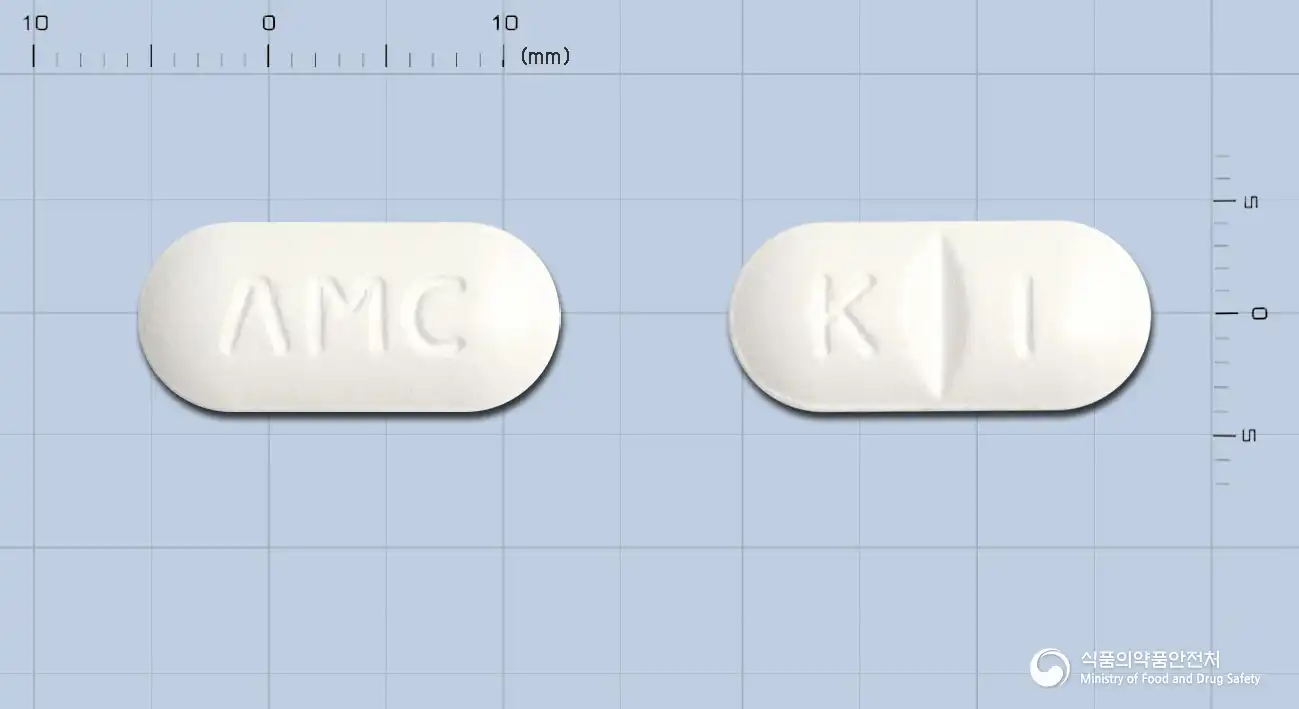 Combination
Amoxicillin Hydrate 500mg · Dilute Potassium Clavulanate 215.52mg
Tablet · Prescription medication · Combination
Geonil Pharmaceutical Co., Ltd.
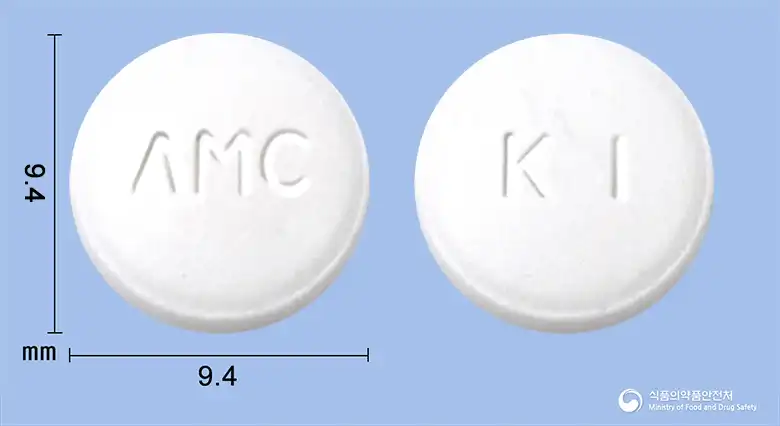 Combination
Amoxicillin Hydrate 125mg · Dilute Potassium Clavulanate 107.76mg
Tablet · Prescription medication · Combination
Geonil Pharmaceutical Co., Ltd.
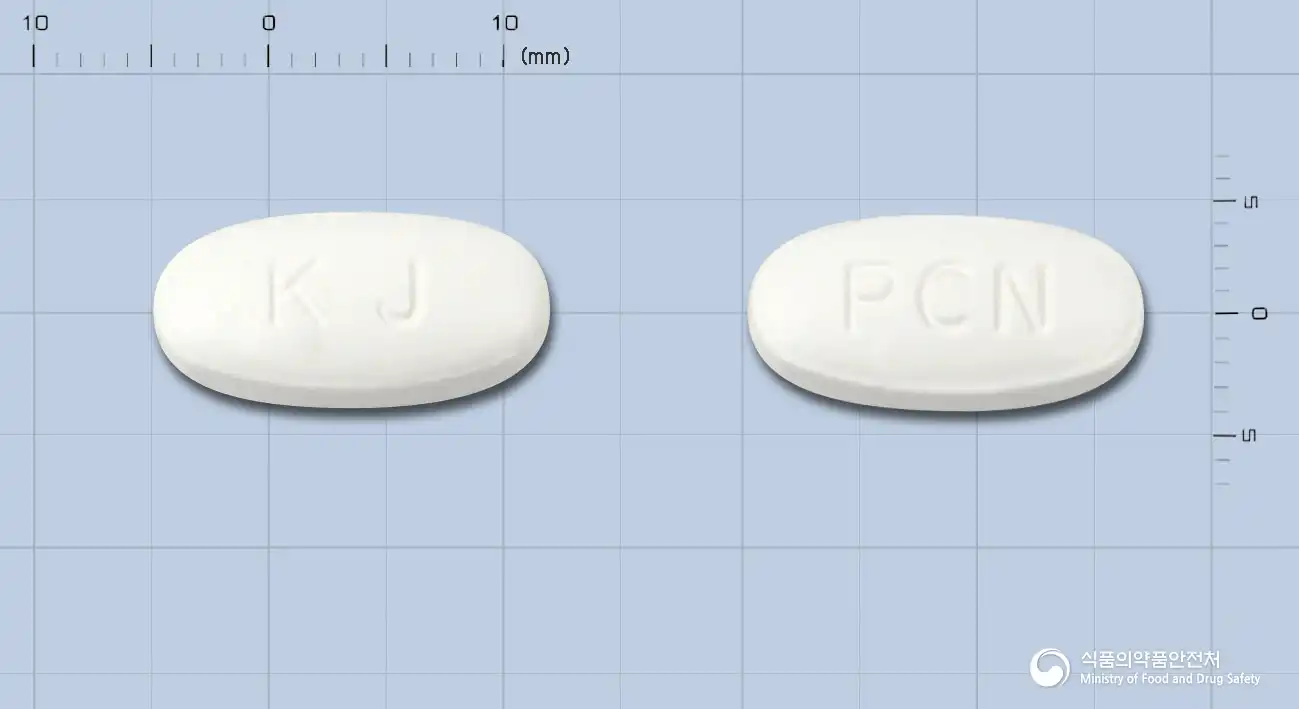 Combination
Amoxicillin Hydrate 250mg · Dilute Potassium Clavulanate 212.73mg
Tablet · Prescription medication · Combination
International Pharmaceutical Co., Ltd.
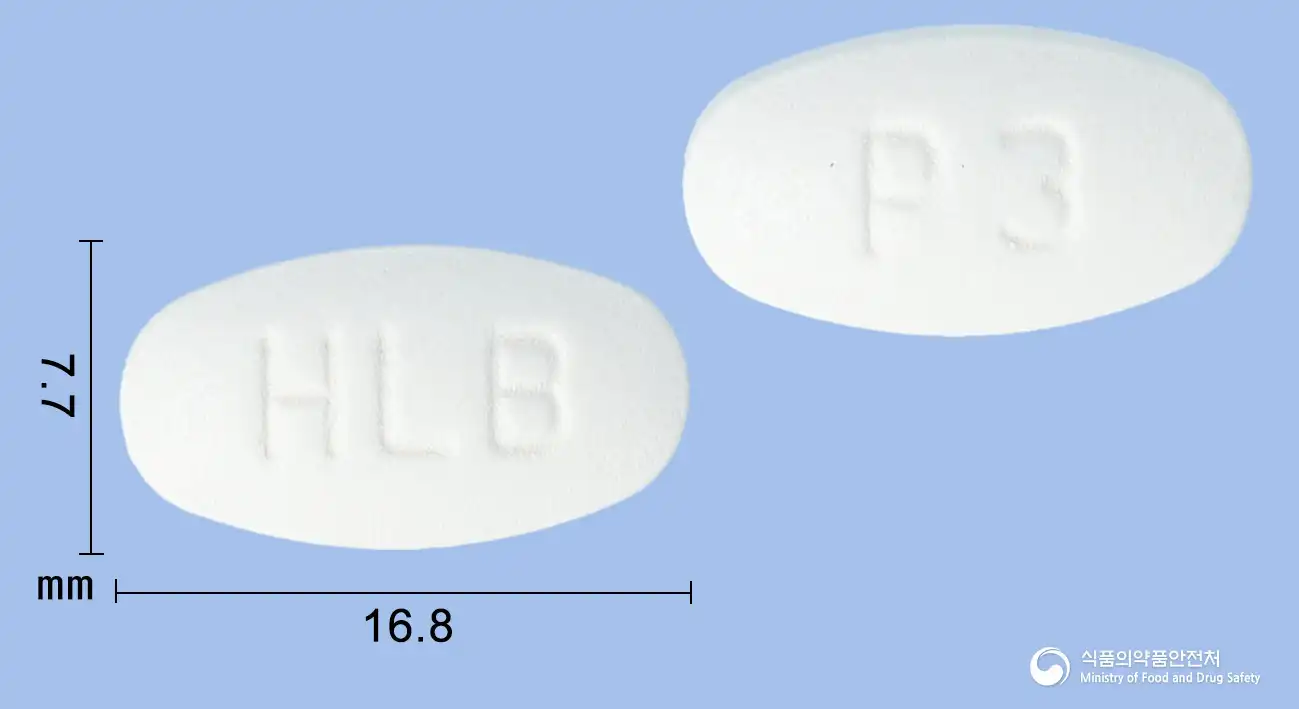 Combination
Amoxicillin Hydrate 250mg · Dilute Potassium Clavulanate 215.52mg
Tablet · Prescription medication · Combination
HLB Pharmaceutical Co., Ltd.
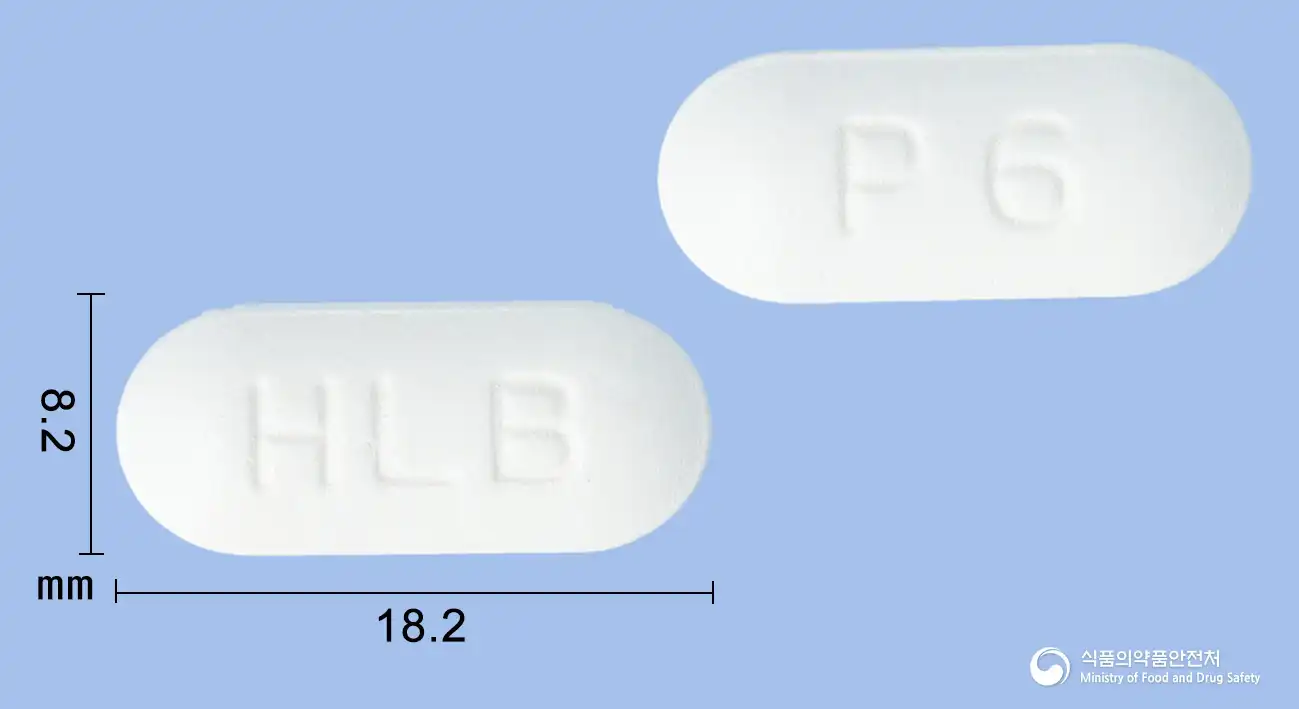 Combination
Amoxicillin Hydrate 500mg · Dilute Potassium Clavulanate 215.52mg
Tablet · Prescription medication · Combination
HLB Pharmaceuticals Co., Ltd.
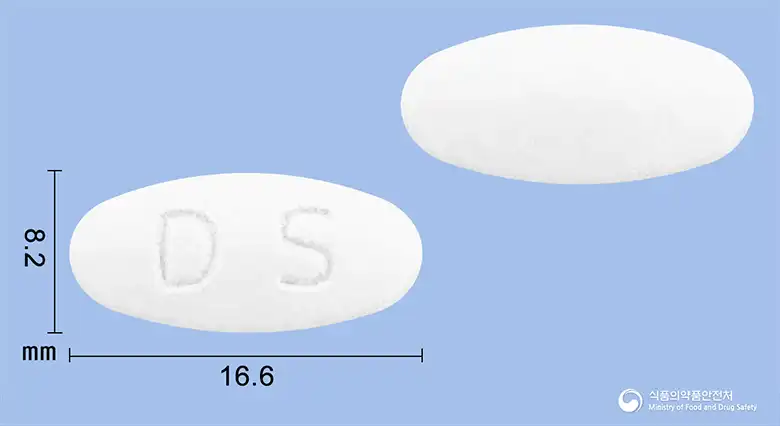 Combination
Amoxicillin Hydrate 250mg · Dilute Potassium Clavulanate 215.52mg
Tablet · Prescription medication · Combination
Dong Sung Pharmaceutical Co., Ltd.
 Combination
Amoxicillin Hydrate 250mg · Dilute Potassium Clavulanate 212.73mg
Tablet · Prescription medication · Combination
Youngjin Pharmaceutical Co., Ltd.
Even with the same ingredient, the dose and directions can differ by strength and dosage form. Talk to a doctor or pharmacist before switching from a medication you are already taking.
No questions yet.
For anything that needs medical judgment, consult a doctor or pharmacist.
This drug information is based on data provided by the Korea Ministry of Food and Drug Safety.
Consult a doctor or pharmacist for accurate dosage, administration, and usage instructions.