
 한국어
한국어 English
 日本語
日本語 中文(简体)
Dosage form image
Viewing nowCombinationCorin Syrup
Phenylephrine Hydrochloride 100mg · Chlorpheniramine Maleate 40mg
Syrup · OTC medication · Combination
Sinil Pharmaceutical Co., Ltd.
MFDS item code 200102565 · Notified 2001.09.12 · Insurance code 653802381
Relief of symptoms of cold (sneezing, runny nose) and sinusitis (nasal congestion)
This medicine helps alleviate symptoms such as sneezing, runny nose, nasal congestion, and tearing caused by cold or allergic and vasomotor rhinitis. It also temporarily relieves nasal congestion caused by sinusitis. Therefore, it is used to improve nasal-related symptoms.
Children aged 12 years and older and adults: take 10ml every 4 hours. Do not exceed 60ml in 24 hours, and follow the doctor's instructions.
Children aged 6 to under 12 years: take 5ml every 4 hours. Do not exceed 30ml in 24 hours, and follow the doctor's instructions. Children aged 2 to under 6 years: follow the doctor's instructions.
This medication should be avoided in certain patients. Individuals allergic to sympathomimetic amines or antihistamine ingredients should not take this medication. Those with special constitutions should also exercise caution. Women who are breastfeeding should not take this medication. Patients with severe hypertension or coronary artery disease, and those receiving MAO inhibitor treatment, may be at risk if they take this medication. Patients with glaucoma, difficulty urinating, peptic ulcers, asthma, emphysema, chronic pulmonary disease, or shortness of breath should also avoid this medication. Patients currently taking sedatives or tranquilizers should be cautious before using this medication. Patients with chronic bronchitis, heart disease, hypertension, thyroid dysfunction, diabetes, glaucoma, or urinary difficulty due to benign prostatic hyperplasia should not take this medication without a doctor's guidance. This medication can affect the sympathetic nervous system and may cause side effects such as fear, anxiety, tremors, weakness, difficulty breathing, urinary difficulty, insomnia, hallucinations, seizures, heart arrhythmias, dizziness, and hypotension. Individuals allergic to phenylephrine may experience reactions such as rapid heartbeat, palpitations, headaches, dizziness, or nausea, but it is safe at the appropriate dosage. Those sensitive to antihistamine components may experience drowsiness, dizziness, decreased appetite, nausea, headaches, irritability, increased urination, double vision, dermatitis, etc. This medication can cause drowsiness, so taking it with alcohol or sedatives may intensify drowsiness. Children may occasionally exhibit excitement, so caution is advised. If symptoms do not improve within 7 days or if high fever develops, consult a doctor immediately. It is advisable to avoid alcohol while taking this medication. During treatment, it is recommended to avoid activities requiring alertness such as driving or operating machinery. Be careful to not exceed the dosage, and if an overdose occurs, consult a doctor immediately. If symptoms of dizziness, insomnia, or irritability occur, discontinue use and consult a doctor. This medication should be stored out of the reach of children and kept tightly closed in a cool, dry place away from direct sunlight. Additionally, transferring the medication from its original container to another one may increase the risk of misuse or deterioration of quality, so it should be stored in its original container.
Not everyone experiences these, and they can vary from person to person.
Do not take this medication with MAO inhibitors. Consult with your doctor or pharmacist if taking sedatives or tranquilizers.
Do not take this medication with alcoholic beverages.
This medication may be sensitive to air and moisture, so it should be stored in a tightly sealed container. Additionally, it is safe to store the medication at room temperature between 1 to 30 degrees Celsius, away from extreme heat or cold.
A sweet syrup with a strawberry flavor and a dark red color.
500ml/bottle
Even with the same ingredient, strength, dosage form and how it is taken can differ.
Phenylephrine Hydrochloride 100mg · Chlorpheniramine Maleate 40mg
Syrup · OTC medication · Combination
Sinil Pharmaceutical Co., Ltd.
Phenylephrine Hydrochloride 100mg · Chlorpheniramine Maleate 40mg
Syrup · OTC medication · Combination
Kolon Pharmaceutical Co., Ltd.
Phenylephrine Hydrochloride 100mg · Chlorpheniramine Maleate 40mg
Syrup · OTC medication · Combination
Daewoo Pharmaceutical Co., Ltd.
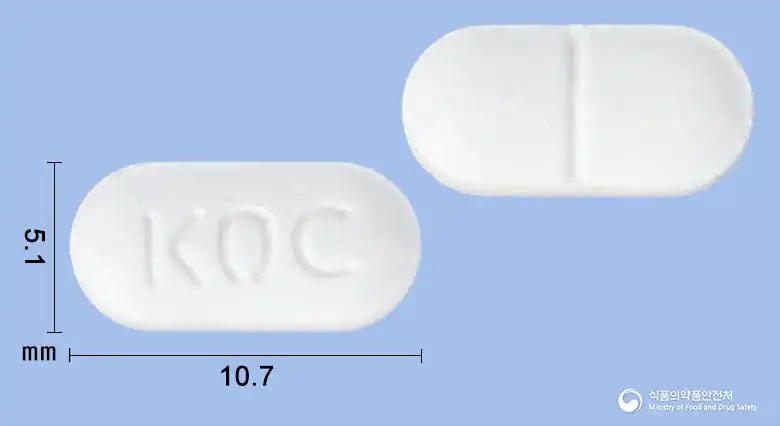 Combination
Phenylephrine Hydrochloride 10mg · Chlorpheniramine Maleate 4mg
Tablet · OTC medication · Combination
Kolon Pharmaceutical Co., Ltd.
Chlorpheniramine Maleate 40mg · Phenylephrine Hydrochloride 100mg
Syrup · OTC medication · Combination
Sama Pharmaceutical Co., Ltd.
 Combination
Chlorpheniramine Maleate 4mg · Phenylephrine Hydrochloride 10mg
Tablet · OTC medication · Combination
Sama Pharmaceutical Co., Ltd.
 Combination
Chlorpheniramine Maleate 4mg · Phenylephrine Hydrochloride 10mg
Tablet · OTC medication · Combination
Youngjin Pharmaceutical Co., Ltd.
Phenylephrine Hydrochloride 100mg · Chlorpheniramine Maleate 40mg
Syrup · OTC medication · Combination
Daewon Pharmaceutical Co., Ltd.
Even with the same ingredient, the dose and directions can differ by strength and dosage form. Talk to a doctor or pharmacist before switching from a medication you are already taking.
No questions yet.
For anything that needs medical judgment, consult a doctor or pharmacist.
This drug information is based on data provided by the Korea Ministry of Food and Drug Safety.
Consult a doctor or pharmacist for accurate dosage, administration, and usage instructions.